
Kansas City and Orlando Pride Share Points in Thrilling 2–2 Draw
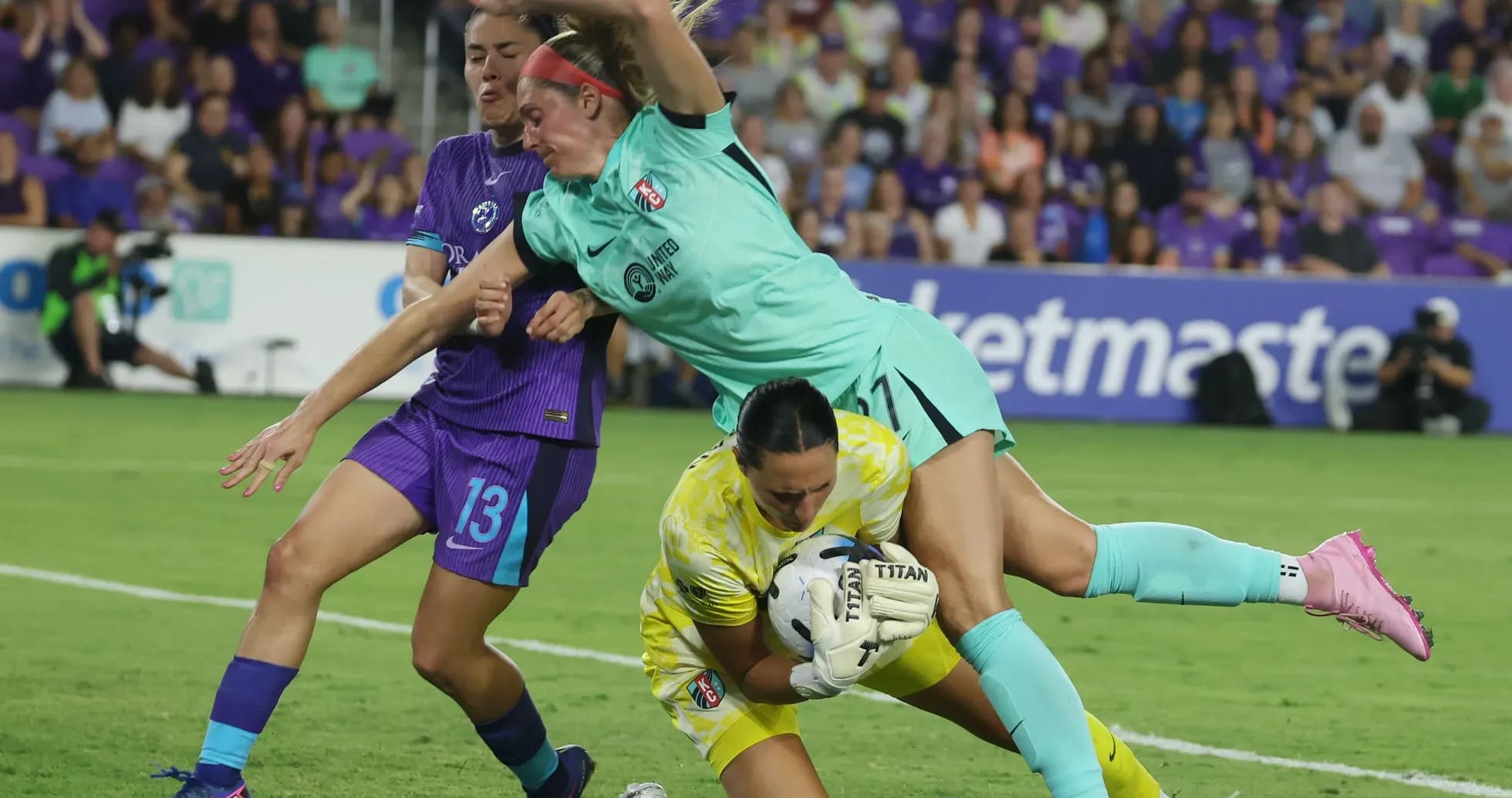
Under the lights at CPKC Stadium, this Group Stage contest in the NWSL Women unfolded as a study in contrasts: a fortress home side chasing the play-offs against a volatile but dangerous visitor built around one of the league’s deadliest forwards. Kansas City W and Orlando Pride W shared the points in a 2–2 draw, but the ninety minutes told a deeper story about structure, risk, and the fine margins between control and chaos.
Heading into this game, Kansas City sat 6th with 38 points, their overall goal difference a tight +5, built on 39 goals scored and 34 conceded. At home they had been almost immaculate: 12 matches, 8 wins, 4 draws, no defeats, with 28 goals for and only 12 against. Orlando arrived in 11th on 30 points, their overall goal difference -5 (31 for, 36 against), and their travels had been turbulent: 3 wins, 2 draws, 7 defeats, 12 scored, 20 conceded. On paper, CPKC was supposed to be hostile territory for the visitors.
Both coaches leaned into a mirrored 4‑2‑3‑1, but the shapes carried very different intentions.
For Kansas City, the back four of L. Rouse, E. Ball, K. Sharples and I. Rodriguez in front of goalkeeper Lorena was designed as a platform rather than a low block. This is a side that at home averages 2.3 goals scored and 1.0 conceded, and the selection reflected that ambition. The double pivot of L. LaBonta and V. DiBernardo provided balance: LaBonta as the tempo‑setter, DiBernardo as the link into more advanced spaces. Ahead of them, the trio of M. Cooper, Debinha and T. Chawinga behind central forward H. Hopkins offered layers of threat between the lines.
Chawinga, listed as a midfielder but very much a vertical runner, came into this fixture as one of the league’s most efficient scorers: 10 goals and 2 assists from just 13 appearances, with 24 shots and 16 on target. Her 7.46 average rating underlines how central she is to Kansas City’s attacking identity. Cooper, with 5 goals and 4 assists, and Hopkins, with 5 goals and 3 assists, round out a front four that explains why Kansas City have failed to score at home exactly zero times this season. The plan was clear: use Debinha’s intelligence between the lines, Cooper’s two‑way energy, and Chawinga’s explosive runs to stretch Orlando’s back line horizontally and vertically.
Orlando’s 4‑2‑3‑1, by contrast, was built around one irresistible focal point. In front of goalkeeper C. Morché, the defensive line of Oihane Hernández, C. Dyke, H. Anderson and H. Mace had to live with high risk: this is a team that on their travels concedes 1.7 goals per game, and their overall defensive record reflects a side that can be pulled apart in transition. In midfield, the double pivot of H. McCutcheon and A. Lemos was asked to screen and circulate, while the advanced trio of S. Yates, Angelina and L. Ovalle had dual roles: feed B. Banda and help control Kansas City’s central overloads.
Banda arrived as the league’s headline act: 14 goals and 1 assist in 20 appearances, with 56 shots (32 on target) and a 7.74 rating. She is not just a finisher but a constant source of chaos, drawing 29 fouls and winning duels in advanced zones. Orlando’s entire attacking thesis in this match hinged on her movement off the shoulder of the last defender and her ability to isolate one‑v‑one against Kansas City’s centre‑backs.
The “Hunter vs Shield” duel, then, was Banda against a Kansas City defence that, at home, had allowed just 12 goals in 12 matches. The numbers suggested a fascinating collision: Orlando’s away attack at 1.0 goal per game versus Kansas City’s home concession rate of 1.0. The 2–2 full‑time scoreline hints at how open the contest became once the game state loosened.
In midfield, the “Engine Room” battle revolved around how Kansas City’s creators would cope with Orlando’s disruptors. Even though Croix Bethune did not feature in this particular lineup, her season context matters: 10 assists and 4 goals from midfield have defined Kansas City’s capacity to break lines. In her absence from the teamsheet, more creative burden fell on Debinha and Cooper. Cooper’s 321 completed passes with 16 key passes and 24 tackles show why she is more than a pure attacker; she is the hinge that allows Kansas City to press high and still recover in transition.
On the Orlando side, Angelina carried a different kind of influence. Her profile—over 500 passes at 78% accuracy, 24 tackles, 3 blocks and 14 interceptions—marks her as the side’s metronome and first line of resistance. She also arrives with disciplinary edge: 2 yellow cards and 1 red this season, part of a team that shows a clear late‑game edge in aggression. Orlando’s yellow cards spike in the 61‑75 and 76‑90 minute windows, each accounting for 24.14% of their cautions, and their only red this season came in the 61‑75 band. That late intensity can tilt matches either way: it fuels comebacks, but it also risks undermining defensive stability.
Kansas City’s own disciplinary profile is more evenly spread, but with a notable concentration of yellows between 31‑45 and 76‑90 minutes, each at 25.00%. That means both sides are at their most combustible just before and just after the interval and in the closing quarter‑hour. In a match that finished level, those windows would have been prime territory for momentum swings, tactical fouls, and emotional flashpoints.
Set‑piece and penalty narratives added another layer to the tactical calculus. Kansas City had earned 3 penalties this season but converted only 1, missing 2—an uncomfortable 33.33% success rate that coaches cannot ignore when deciding who stands over the spot. Orlando were not much cleaner from twelve yards, with 4 penalties, 2 scored and 2 missed. In a tight game between a strong home side and a fragile but dangerous visitor, neither team could assume that a penalty would be an automatic goal.
From a structural perspective, the mirror 4‑2‑3‑1s produced a chess match in the half‑spaces. Kansas City looked to overload the left with Debinha drifting inside, Chawinga running beyond, and LaBonta stepping up to connect. Orlando, in turn, tried to spring Banda early, using Angelina and Ovalle to thread passes into the channels behind Rouse and Rodriguez. The risk for Kansas City was always the same: commit too many to the attack, and Banda would find daylight in transition; sit too deep, and they would neuter the very attacking verve that makes them so formidable at home.
Statistically, the draw nudges the season arcs but does not rewrite them. Following this result, Kansas City’s unbeaten home record remains intact, reinforcing CPKC Stadium as a play‑off‑calibre fortress. Orlando, meanwhile, add another precious away point to a campaign defined by volatility: their away goal difference remains negative, but the ability to score twice on one of the league’s toughest grounds will encourage S. Hines.
The tactical verdict leans towards Kansas City as the more sustainable project. Their overall scoring rate of 1.6 goals per game, underpinned by a deep cast of contributors—Chawinga, Cooper, Hopkins, Debinha and the creative shadow of Bethune—suggests they will continue to generate high‑quality chances. Defensively, conceding 1.4 per game overall is a concern, but the home split of 1.0 indicates that their structure holds firm in front of their own supporters.
Orlando, by contrast, are more binary. Their total scoring rate of 1.3 and concession rate of 1.5 tell of a side that lives on a knife‑edge. Banda’s brilliance can tilt any single match, but the defensive fragility, especially on their travels, means they will often need her to be perfect simply to escape with something.
In the end, this 2–2 at CPKC Stadium felt like a fair reflection of both squads’ identities. Kansas City, expansive and brave, sometimes leave the back door ajar. Orlando, combustible and reliant on individual stars, can hurt anyone but struggle to close the door. Over a season, the numbers say the home side’s balance of structure and firepower is better built for the grind of the play‑off race.
Related News
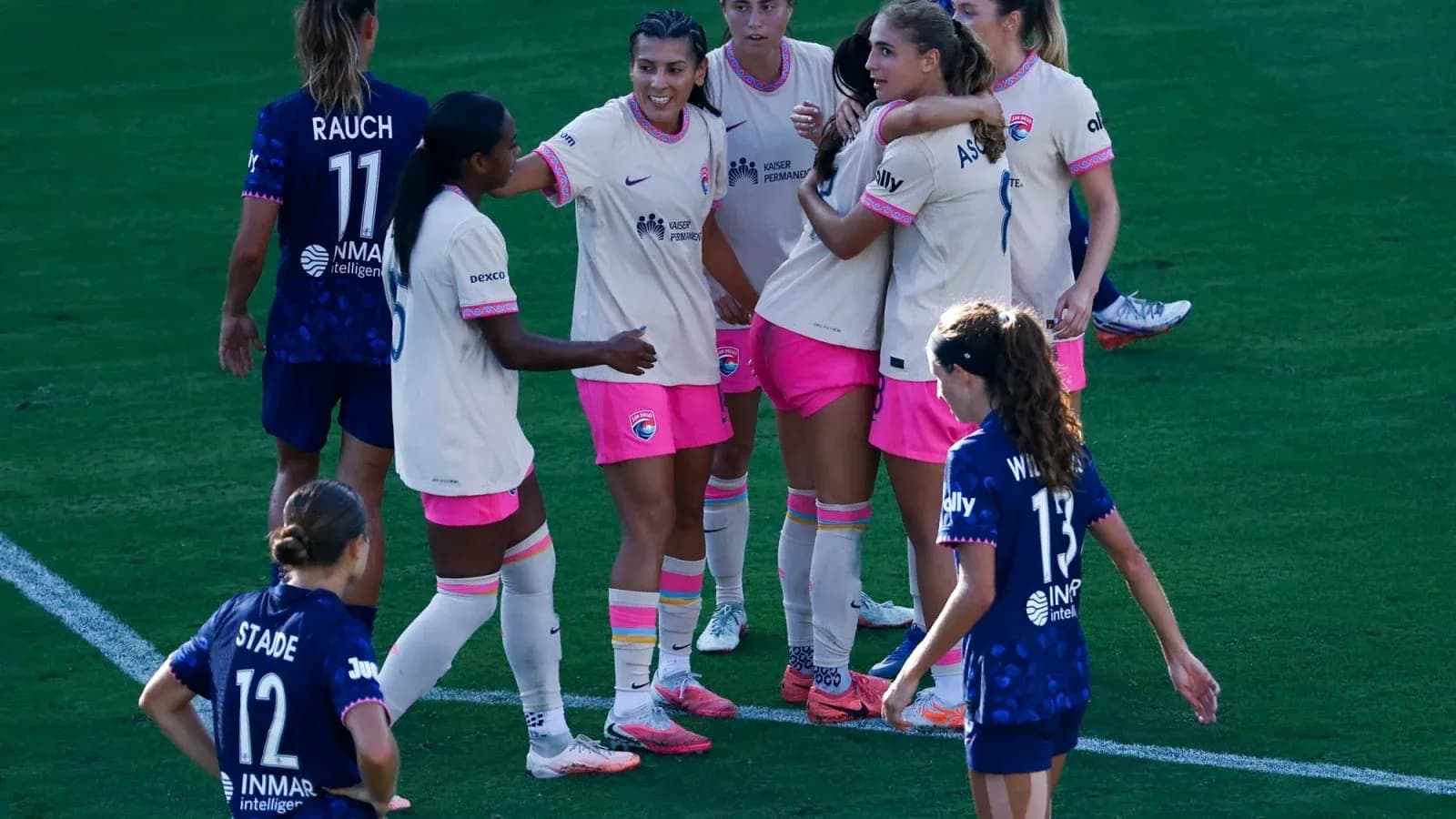
San Diego Wave W Clinches 2-1 Victory Against North Carolina Courage W

Portland Thorns W vs Chicago Red Stars W: Predicted Lineups and Match Preview

Portland Thorns W vs Chicago Red Stars W: NWSL Women Group Stage Clash

Washington Spirit W vs Boston Legacy W: NWSL Clash Preview
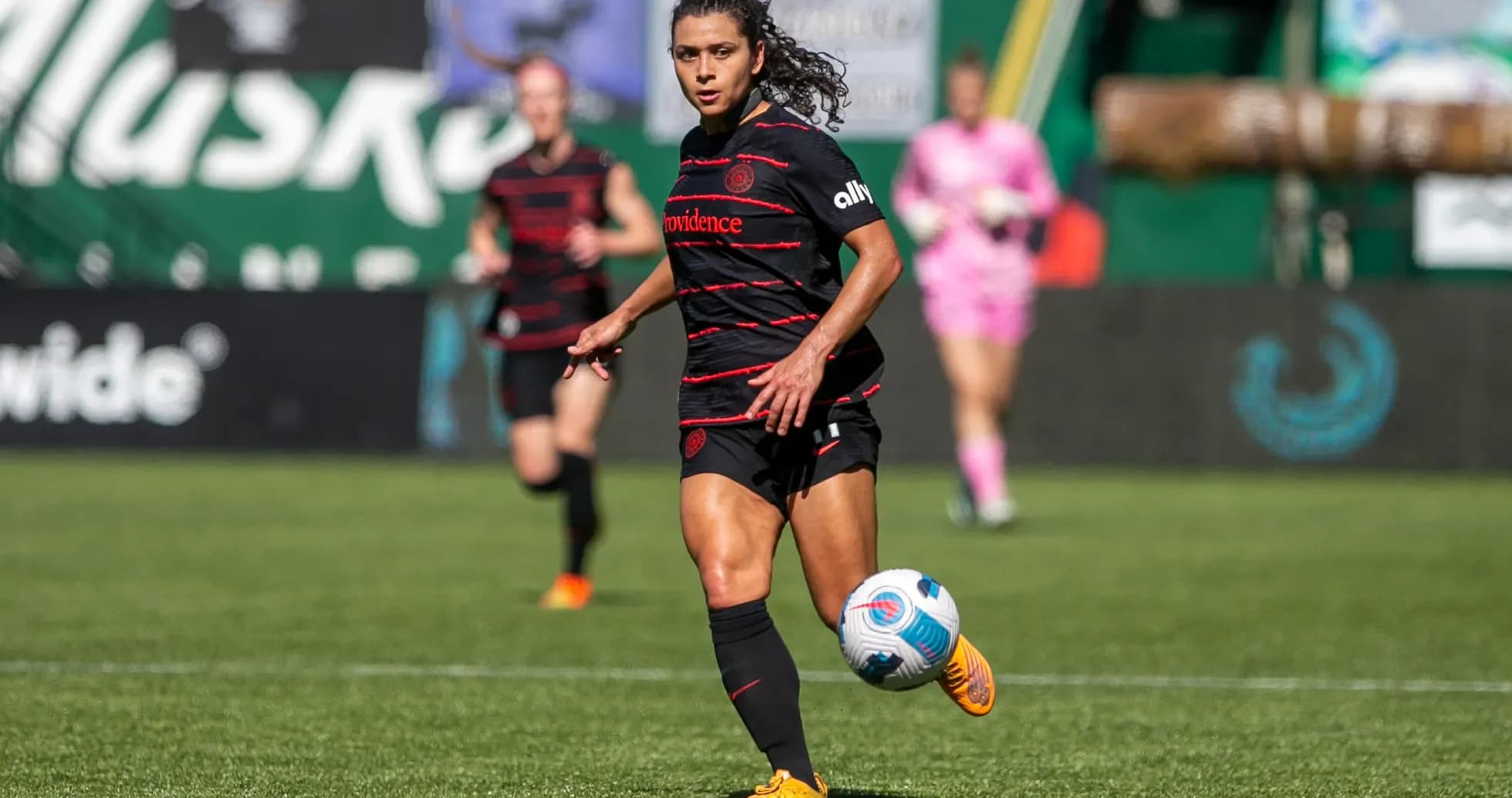
Portland Thorns W vs Chicago Red Stars W Prediction: Key Stats and Betting Tips
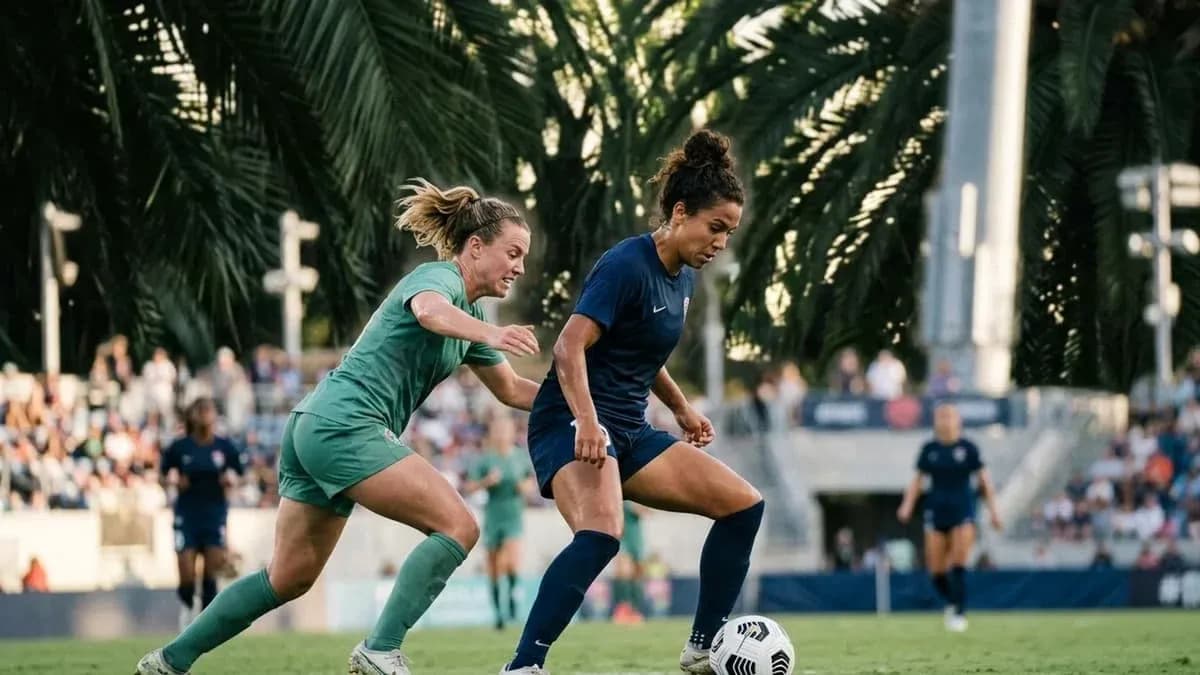
San Diego Wave W vs North Carolina Courage W: Predicted Lineups and Team News