
Liverpool Secures Major Minority Investment from Bezos-Backed Consortium
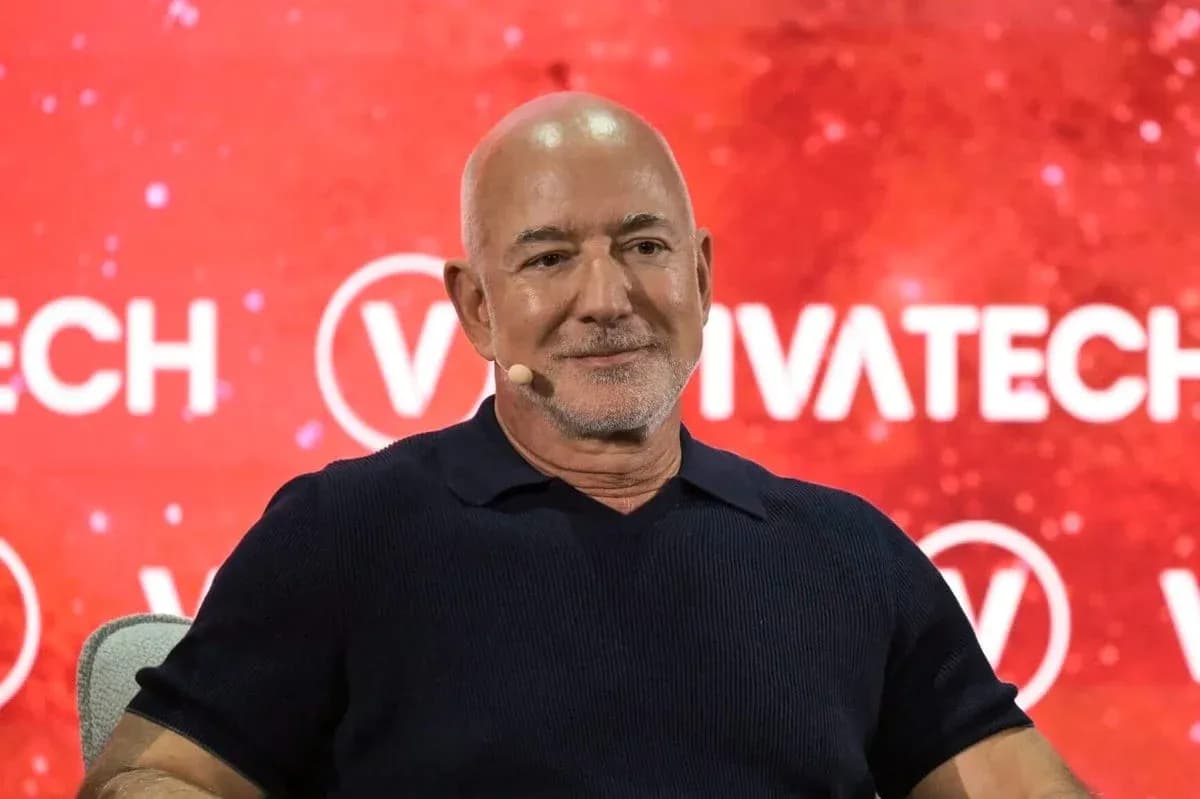
Liverpool have brought one of the world’s richest men into Anfield — but not through the dressing-room door.
Fenway Sports Group (FSG) have sold a significant minority stake in Liverpool to a new consortium fronted by former Queens Park Rangers co-owner Amit Bhatia and backed by Jeff Bezos, entering top-level sport for the first time via the K5 Sports fund. The family office of Facebook co-founder Eduardo Saverin and his wife Elaine is also part of the group.
The deal, confirmed on Friday, has been months in the making after talks first surfaced in July. The exact size of the stake has not been disclosed, but sources familiar with the transaction say it sits in the region of 30 per cent to one-third of the club. They were not authorised to speak publicly due to confidentiality agreements.
FSG stay in charge. The Boston-based group retain majority ownership and full operational control, and club sources are adamant there will be no change to Liverpool’s leadership structure or day-to-day running.
Bezos, despite his profile and wealth, will not sit on the board. That role falls to others in the consortium. Bhatia becomes vice-chairman of the club, while Elaine Saverin and Bryan Baum of K5 Sports will also take seats on the board.
It is Liverpool’s first major external minority investment since Dynasty Equity acquired around three per cent of the club in September 2023 for close to $200million.
‘Thinking beyond one season’
FSG president Mike Gordon framed the move as a continuation of the ownership group’s long-term approach rather than a pivot.
“Liverpool has always been built by thinking beyond one season and making decisions with the club’s long-term interests in mind,” he said. “That approach continues to attract interest from respected investors and business leaders around the world.
“As we considered this opportunity, it became clear that Amit and the consortium shared our long-term philosophy and appreciation for what makes Liverpool special. Their experience and perspective will complement the strong foundation already in place, and we look forward to working together.”
Bhatia, speaking on behalf of the new vehicle 1892 Holdings, struck a similar note.
“We are incredibly proud to be investing in Liverpool Football Club and to be doing so alongside FSG,” he said. “We have the utmost respect and admiration for FSG as owners and for everything they have achieved at Anfield.
“To be welcomed as a partner in a club of this stature is a huge privilege. We are making this investment because we believe deeply in Liverpool and its leadership, and we look forward to supporting the club’s continued success for years to come.”
No transfer war chest – yet
The headlines will inevitably focus on Bezos’ name and net worth, but for supporters eyeing the current transfer window, the message is blunt: nothing changes now.
There will be no sudden injection of cash into Jürgen Klopp’s successor’s budget as a direct result of this deal. The recruitment strategy mapped out before the summer remains in place, and the club’s overall approach to squad building is untouched.
So what is the point?
It lies in the future rather than the next few weeks. FSG maintain they were not seeking a bailout or short-term financial help. They agreed to this sale because of the strategic value the partners bring to Liverpool’s global operations.
Bhatia, with deep business links in Asia, is expected to help open commercial doors in that region. The technology-heavy backgrounds of Bezos, Saverin and others in the consortium align with Liverpool’s ambitions to expand and sharpen their global brand.
FSG will still do the heavy lifting. They keep the keys, they set the direction. How much influence Bhatia wields from the vice-chairman’s seat remains to be seen, but the structure of the deal underlines one thing: FSG will not cede control easily.
They rarely do. Investment offers arrive regularly, but the bar to get into Anfield’s boardroom is high. Selling around 30 per cent for a huge profit while retaining decisive power only strengthens FSG’s reputation as some of the most astute investors in Premier League history.
Who are the new power players?
Bezos, 62, is the most recognisable name. The Amazon founder, owner of The Washington Post and creator of space company Blue Origin, is listed by Forbes’ ‘Real Time Net Worth’ as the world’s third-richest person, with an estimated fortune of $272.1billion.
This is his first concrete step into sports ownership after years of links to potential NFL franchise purchases. He explored offers for the Washington Commanders and Seattle Seahawks but never pulled the trigger.
Saverin, 44, made his name as a co-founder of Facebook alongside Mark Zuckerberg during their time at Harvard. Born in Brazil and later emigrating to the United States, he moved to Singapore in 2009 and renounced his U.S. citizenship before Facebook’s initial public offering.
He now runs venture fund B Capital with Raj Ganguly, overseeing more than $12billion in assets under management. Saverin has already flirted with Premier League ownership, backing Steve Pagliuca’s unsuccessful bid to buy Chelsea from Roman Abramovich in 2022.
Bhatia, 46, is a British-Indian businessman and former investment banker, previously with Morgan Stanley. He chairs British construction company Breedon Group, is managing director of AyBe Capital Advisors and a founding partner of property investment firm Summix Capital.
His ties to big industry run deep. In 2004, he married Vanisha Mittal Bhatia, daughter of steel magnate Lakshmi Mittal. The elder Mittal, once ranked as high as third on Forbes’ global billionaire list and now 64th at an estimated $33.9bn, sits just ahead of Saverin, whose wealth is put at $33.2bn.
Previous steps into sport
Bhatia is the only member of the trio with direct experience running a football club. His near 19-year association with Queens Park Rangers ended this summer when he stepped down from the board and transferred his shares to majority owner Ruben Gnanalingam. He had served as vice-chairman until 2018, then chairman until 2023.
Saverin’s previous sports involvement is limited to that Chelsea bid, but it underlined his interest in elite football assets.
Bezos, despite long-standing rumours, has yet to complete a deal in sport. Liverpool is his first real foothold in the industry.
Why sell now?
FSG’s stance on outside investment has been consistent.
“John Henry has been very up front about the fact that if there ever was an opportunity for investment that would help the club, then they would seriously consider it,” Liverpool chief executive Billy Hogan said last month.
That line echoes an FSG statement from November 2022 which stressed they would consider new shareholders “under the right terms and conditions” and only if it was in the club’s best interests.
They have already shown a willingness to dilute their overall position at parent-company level. In March 2021, RedBird Capital Partners invested around $735m for an 11.5 per cent stake in FSG, helping to stabilise finances after the Covid-19 pandemic.
Then came Dynasty Equity in 2023 with a roughly three per cent slice of Liverpool itself, worth just under $150m. That money went directly into the club, covering the Anfield Road Stand redevelopment, the repurchase of Melwood as the women’s team base, and the repayment of bank debt.
This latest deal is bigger in scale but similar in logic. Even with a stake in the 30 per cent range, FSG keep control but share the financial and strategic burden of growing a club that has surged in value over their 14 years at Anfield.
Every investment has a lifespan. As Arjun Nagarkatti, head of private bank, U.S. and Europe international at Deutsche Bank, has noted in general terms, investors across all asset classes must decide when it is “a good time to monetise their asset”. Football, awash with money and global interest, is no exception.
For FSG, selling a large minority holding now, at a moment of high valuation and continued on-field competitiveness, locks in a huge return while keeping them in charge.
What changes for Liverpool’s finances?
Since October 2010, Liverpool have been run on a self-sustaining model. Revenue goes back into the club. It has frustrated fans at times, especially when the team has been close to the summit and supporters have wanted a bolder push in the transfer market, but the model has delivered: a Premier League title, a Champions League, and a regular place at Europe’s top table.
The arrival of a consortium packed with ultra-wealthy backers should, on paper, strengthen Liverpool’s financial muscle. Not necessarily through direct cash injections into transfers, but through the doors these investors can open.
New commercial partnerships, especially in technology and emerging markets, could push revenues higher. Under the new squad cost ratio rules that will replace profit and sustainability regulations, consistently strong income will be vital to maintain and grow spending power on players.
When Dynasty Equity invested, Liverpool received £146.5m across the 2023-24 and 2024-25 seasons. Most of that went on infrastructure, not signings. It is extremely unlikely this larger deal will result in a lump sum being poured straight into the football department either, not least because financial regulations limit the impact of owner funding.
What it can do is subtly shift the model. A well-capitalised minority partner gives FSG more flexibility, more options, and perhaps a slightly different appetite for how and when they support the club financially.
A path to a full takeover?
Not by design, according to those close to the deal.
Liverpool sources say the transaction documents deliberately build in flexibility for how the relationship could evolve over time. That is standard at this level. They stress, though, that there is no pre-agreed route to a full sale and no hidden plan for this consortium to quietly take over.
For now, this is what it looks like: FSG still at the wheel, Bezos and company in the passenger seats, and Liverpool trying to turn off-field financial firepower into on-field trophies in a game where the stakes — and the investors — have never been bigger.
Related News
Dastan Satpayev Set for Championship Loan Move to Burnley
Galatasaray Aims for Historic Fifth Straight Title in Super Lig
Liverpool Pursues Bradley Barcola as PSG Targets Mika Godts
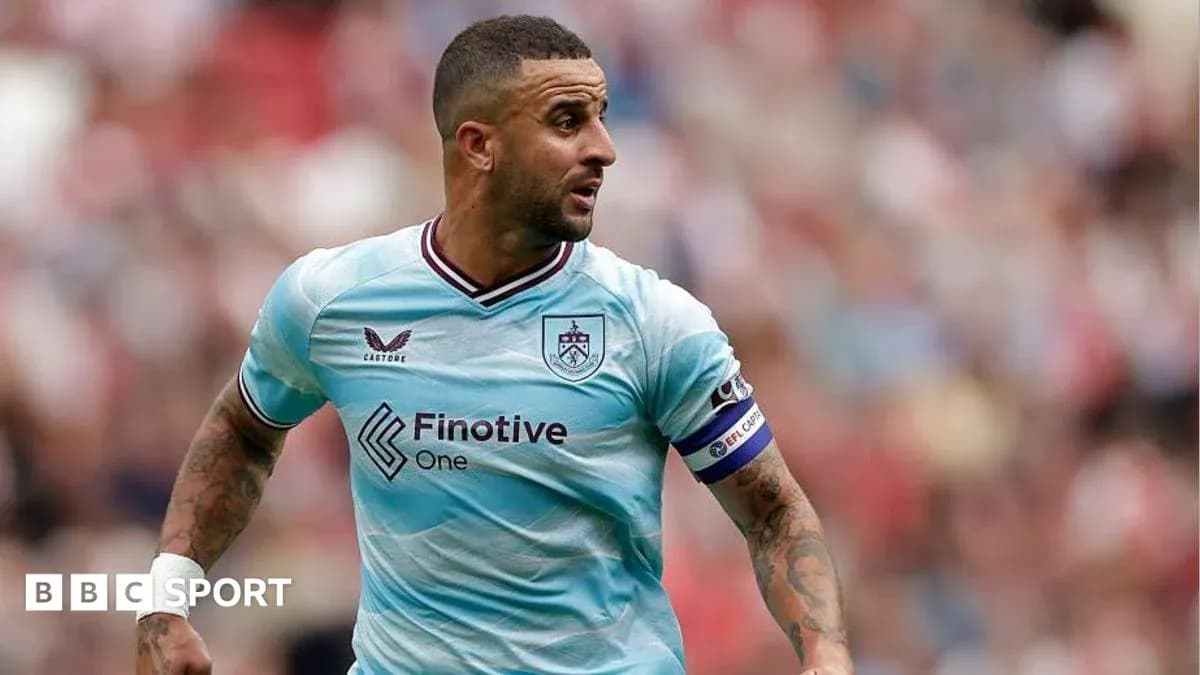
Burnley Cancels Finotive One Sponsorship Deal Just 42 Days Later
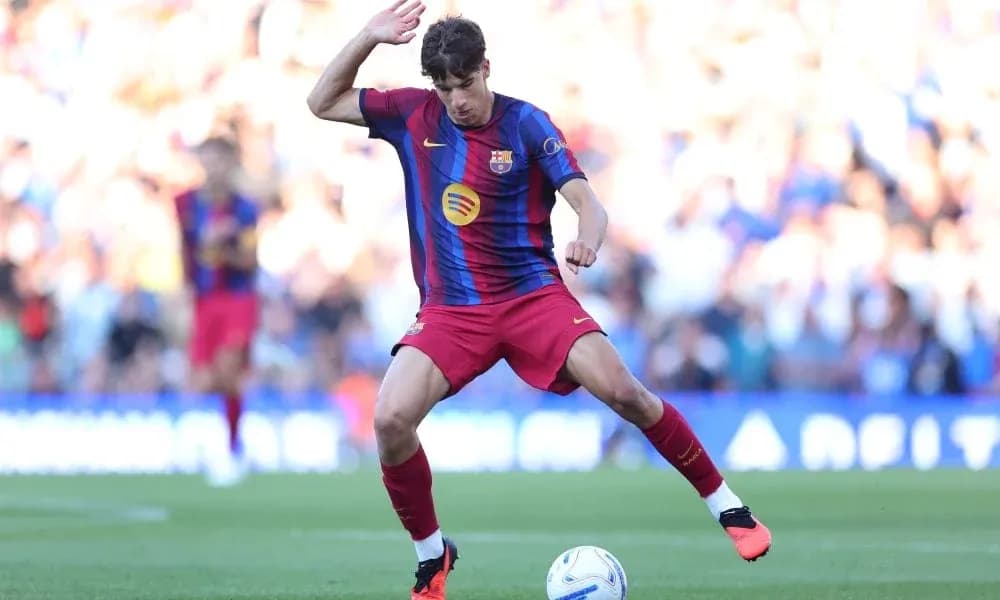
Barcelona sells Jofre Torrents to Ajax for €6m
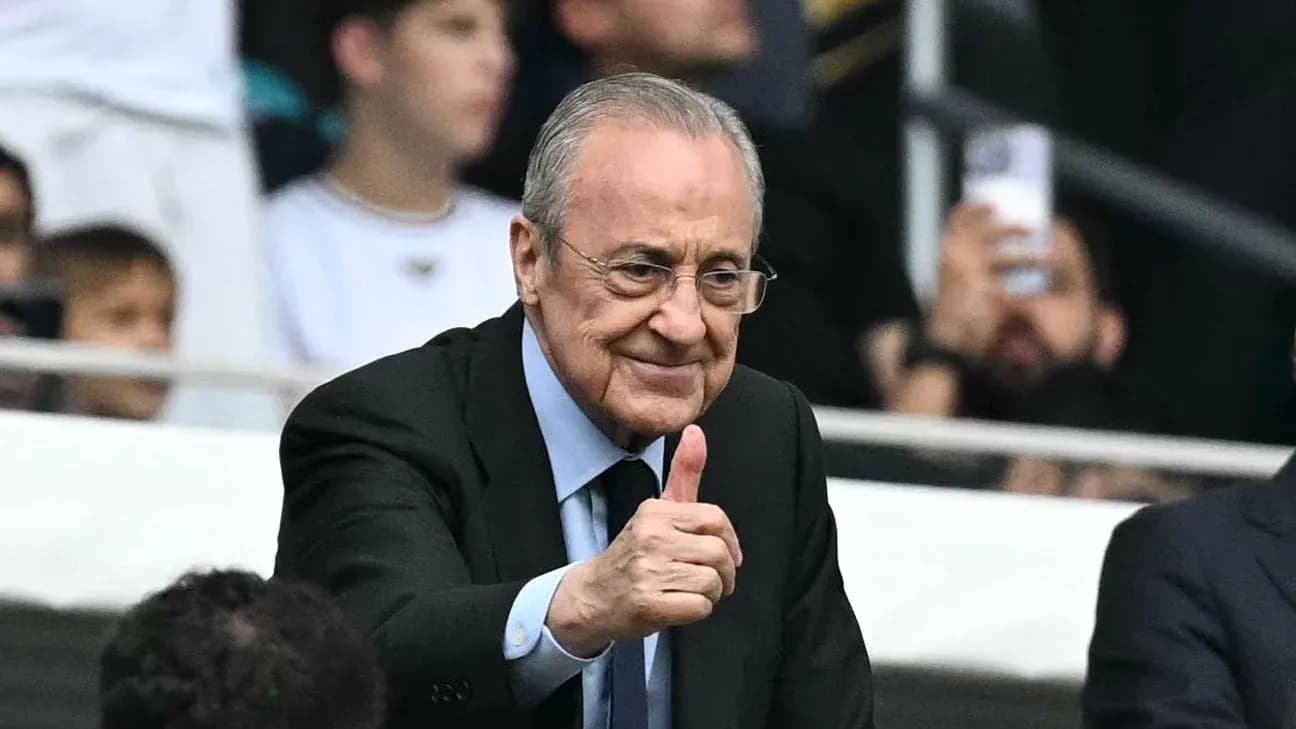
Manuel Ángel and David Jiménez: Waiting for Their Next Steps