
Liverpool's Right-Back Gamble Haunts Summer Plans
Liverpool thought they had played a smart hand in the summer. On paper, the squad looked balanced, the numbers tidy, the gaps largely filled. In reality, one of the most demanding positions in the team has been left exposed, and the right-back situation is now dragging their transfer strategy back under the spotlight.
Two defenders arrived: Jeremy Jacquet from Rennes and Ronald Araujo on loan from Barcelona. Decent business in isolation. But neither came through the door as a specialist right-back, and that is where the whole plan starts to unravel.
With Calvin Ramsay loaned out and Conor Bradley still battling back from a serious knee injury, Jeremie Frimpong stands as the only senior natural right-back. For a club with Liverpool’s ambitions, that is not depth. It is a gamble.
Carragher Calls It Out
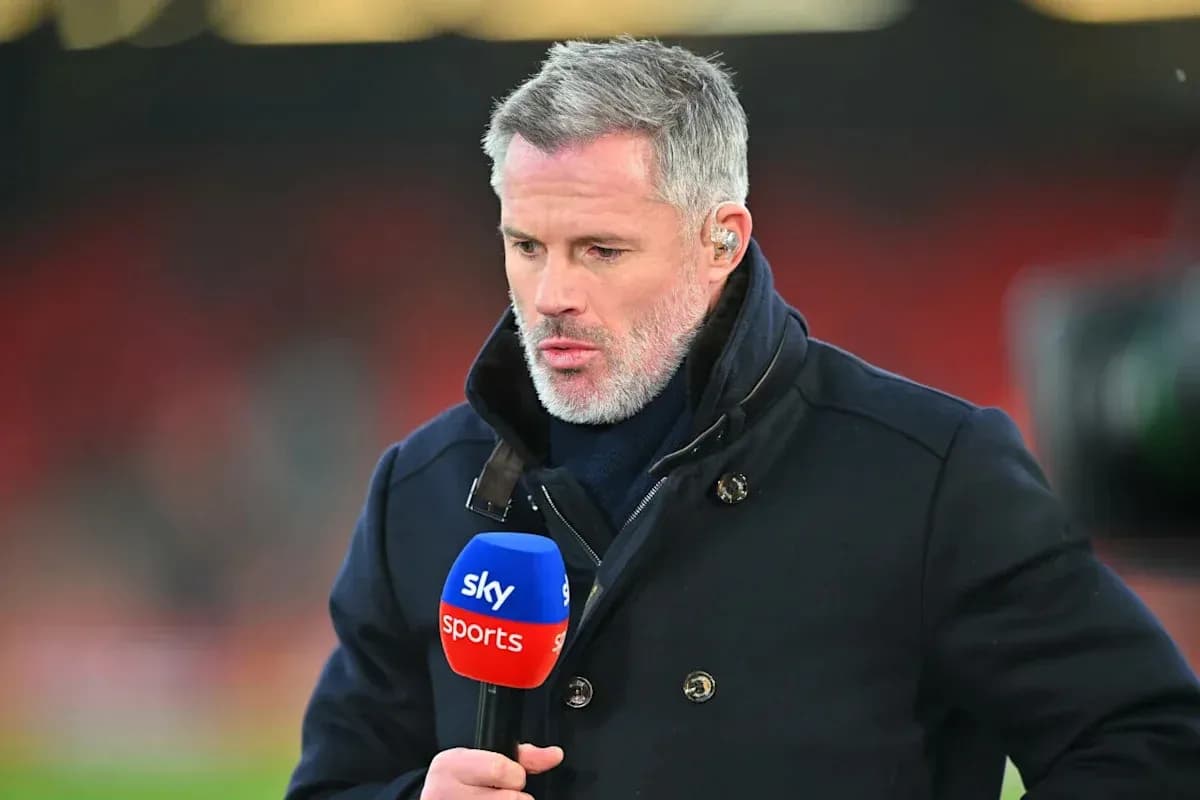
Jamie Carragher has never been shy about calling out his old club, and he did not soften the edges this time. Speaking on Stick to Football, he laid out the issue in blunt terms.
"Conor Bradley got his chance and got a bad injury. My problem with it is, he's a good young player who's done really well, but if someone gets a bad injury, he's not that good that you don't replace him.
"You'd wait for Trent to come back and you'd wait for Andy Robertson to come back. Unfortunately I don't think we should be waiting for Conor Bradley to come back. You go and buy a right-back because Frimpong isn't one.
"When Conor Bradley comes back, he's then got to fight for his place and I think that's fair; but this thing of 'we've got to wait for Conor Bradley to come back' – no. We're Liverpool, one of the biggest clubs in the world.
"You can't wait for Conor Bradley. We've got to get him back and good luck to him, but they've made a massive mistake."
Strip away the emotion and the central argument still lands. Bradley is a highly promising full-back whose emergence gave Liverpool’s right flank energy and aggression. But building a season around the recovery timeline of a young defender with a serious injury was always a high-wire act.
Bradley’s Absence, Frimpong’s Weight
The problem with serious injuries is that return dates often tell only half the story. A medical green light does not guarantee sharpness. Rhythm, timing, confidence – those take weeks, sometimes months. Liverpool cannot realistically expect Bradley to step straight back into the side and hit his peak from the first whistle.
Until he does, Frimpong carries the load. He offers pace and penetration going forward, and when Liverpool attack, he can look like a winger masquerading as a defender. The question is what happens when the ball goes the other way.
His recent performances have not fully convinced in the defensive details of the role. That matters in this system. Liverpool’s right-back is asked to stretch the pitch, recover at speed, and maintain positional discipline in transitions. Any weakness there quickly becomes a target for opponents.
There is another layer of risk. Frimpong’s own fitness record last season was not spotless. So the entire structure leans on a player who is both adapting to a demanding role and not guaranteed to stay available across a gruelling campaign. One injury, one suspension, and Liverpool are back in the land of makeshift solutions – midfielders shunted into the back line, tactical tweaks that patch holes rather than fix them. They tried that in parts of 2025/26. It did not solve much.
Depth on Paper, a Hole on the Pitch
This is why frustration around the window is building. Liverpool did buy defenders. They did spend. But they swerved the most obvious, glaring need.
Araujo can operate in several positions and offers flexibility, but there is a clear difference between having cover and having a specialist ready to start 30-plus Premier League games in one of the most exposed roles on the pitch. The club chose versatility over precision. Right now, that looks like a misread.
Andoni Iraola is left hoping Frimpong stays fit, adapts quickly, and tightens the defensive side of his game under pressure. Bradley’s eventual return should ease the strain, yet the idea of simply waiting for that moment always carried the air of wishful thinking.
Liverpool wanted to look proactive in the market. At right-back, they look reactive instead. If this thin patch of depth at such a key position costs them points in the months ahead, the question will not be why it happened.
It will be why they saw it coming and still rolled the dice.
Related News
Neymar's Fury Over Vila Belmiro Pitch After Copa do Brasil Exit
Richmond Park Section Closure for St Pat’s Home Games
Liverpool's Right-Back Gamble Haunts Summer Plans
Mourinho's Warning to Raúl Asencio: A Real Madrid Player 24/7
Raul Asencio Acquitted in Explicit Video Case but Faces Drink-Driving Fallout
Liverpool's 25-Man Premier League Squad Explained