
Manchester United's Early Struggles: Leadership and Performance Issues
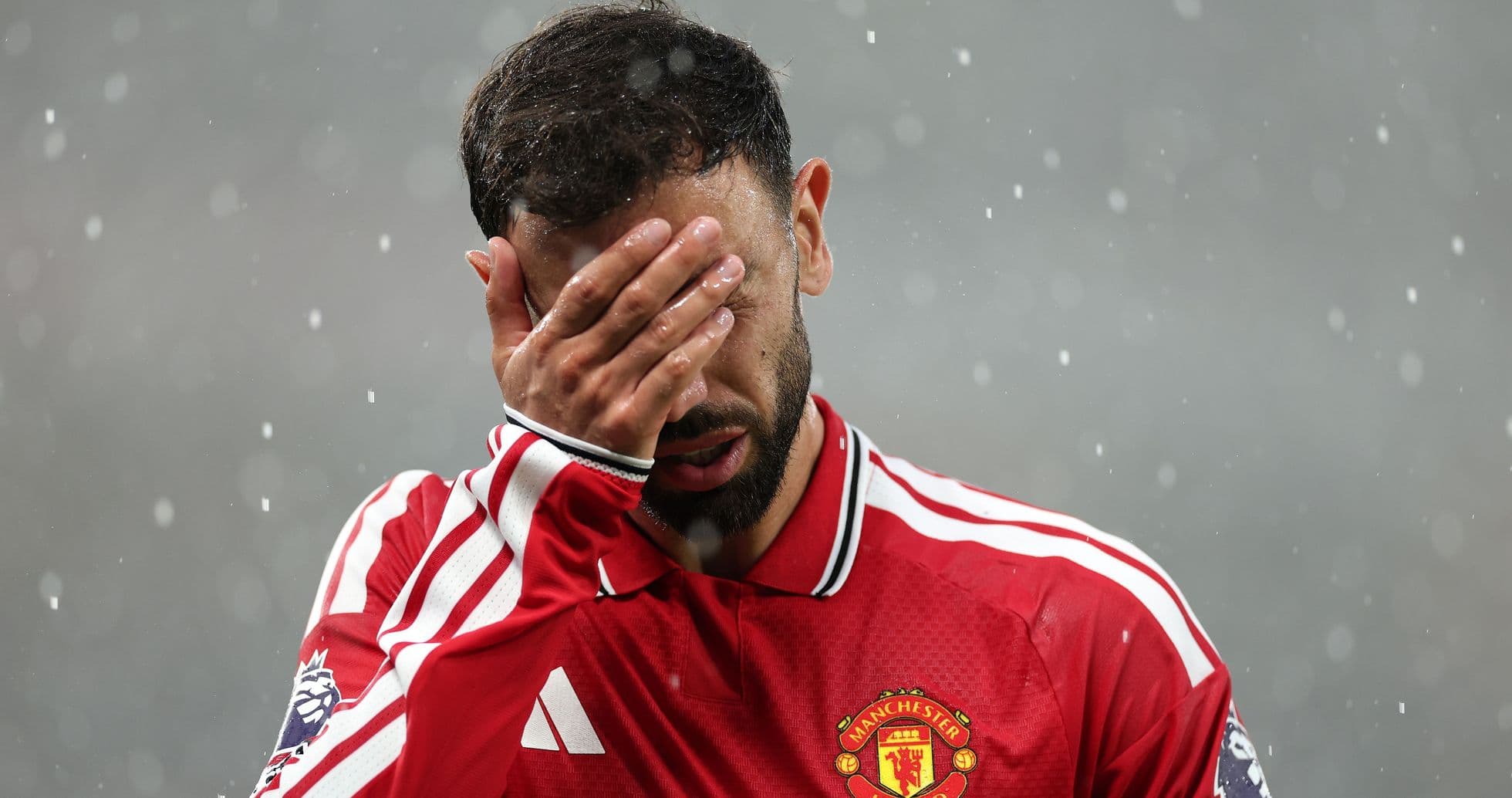
United’s season has barely started, and already it feels like it’s slipping away.
One win from five Premier League games. Defeats to Hull City and a ten-man Manchester City. Points tossed aside against Everton and Fulham. For a club that measures itself in titles, this is a slog.
The only bright spark? A wild 5-2 dismantling of newly-promoted Ipswich Town. Five goals, Bruno Fernandes running the show, everything clicking. It looked like a launchpad.
It wasn’t.
Since that afternoon, United have stumbled badly. The Carabao Cup exit to Brighton at Old Trafford cut particularly deep. Two goals up, seemingly cruising, Michael Carrick’s side folded. Brighton hit back with three, turned the stadium silent, and sent United out of a competition they could hardly afford to treat lightly. A 3-2 collapse that felt symbolic rather than freakish.
Bruno’s spark goes missing
In the middle of it all sits Fernandes, the team’s emotional barometer and usually its heartbeat. On paper, three goals and an assist in the league sounds respectable. The problem: every single one of those contributions came in that single win over Ipswich.
Outside that game, the 32-year-old has looked strangely muted.
"Bruno Fernandes looks a bit flat to me this year," former United defender Phil Bardsley told Lyllo Casino. Coming from someone who calls himself the midfielder’s "biggest advocate" and "biggest fan," the concern hits harder.
Bardsley’s admiration for Fernandes hasn’t dimmed. He praised the unseen work, the relentless pressing, the constant effort that goes beyond the goals. But the tone shifted quickly.
"He just looks a little bit flat in himself this year, and that’s a bit of a concern, as well, because we know how important he’s been for the last four or five seasons, and without him we’d probably be in a completely different position."
For a side already short on confidence, a subdued Fernandes is more than a footnote. It’s a warning sign.
Defensive edge disappears
Bardsley’s worries don’t stop with the captain. The former Old Trafford youth product was stunned by what he saw in the season-opening defeat to Hull.
The lack of energy. The fitness levels. He called it "alarming."
Last season under Carrick, United at least looked organised without the ball. This time around, that structure appears to have evaporated. The backline, Bardsley said, is at "twos and threes" – disconnected, disjointed, nowhere near the level required.
He didn’t dress it up.
"You can look at the back four and say it’s not the best back four in the world, but as a collective we’ve got to be more aggressive," he said. "We've got to be more demanding of each other, and that’s the thing that alarms me, there’s not enough demand. Goals go in and we just turn round and do the kickoff again."
That image lingers: heads down, no arguments, no confrontation, no accountability. Just a restart and the same mistakes waiting around the corner.
"There’s got to be some sort of demand put on each other and holding players accountable when they make mistakes, when they’re not at the races, or when they’re not stopping crosses or shots. There’s a lack of leadership there."
United’s problems, then, are not just tactical or technical. They are about voice, authority, and standards on the pitch. Carrick can shuffle systems and selections, but until someone grabs this team by the scruff of the neck, the question hangs in the air: who is really leading this side when the pressure bites?
Related News
Manchester United's Sesko Injury Deepens Early-Season Struggles
Arsenal and Netherlands Agree Timber Fitness Plan Amid Injury Crisis
Kylian Mbappé Misses Training Ahead of UEFA Nations League Opener
Federico Valverde's Injury Update: Racing to Return for Real Madrid
Diego Forlan's Interim Coaching Debut with La Celeste
Andros Townsend's Shocking Incident with a Pitch Roller