
Manchester United Faces Pressure Ahead of Crucial Matches
“It puts a bit of pressure on United. They've got City next week and European games starting in midweek.”
Gary Neville tossed that line out after Manchester United’s 2-2 draw with Everton. It already feels like the defining sentence of their season. It’s only September, but the heat around Michael Carrick is real, and this week is looming large.
An ‘easy’ start that’s slipping away
When the 2026/27 Premier League fixtures dropped, the numbers said United had the statistically softest opening six games in the division. Six matches to build rhythm, confidence, and a points cushion.
They’re halfway through that run and have dropped more points than they’ve collected.
Now comes the hard part. The calendar tightens, the stakes rise. United launch their Champions League campaign on Thursday night against Azerbaijani champions Sabah, then walk straight into the first Manchester derby of the season three days later.
On paper, those are two very different assignments. In reality, they’re tied together. Carrick has to rotate on Thursday. He knows it. Everyone knows it. That European opener will be the first true stress test of his squad rather than just his preferred XI.
And that’s where the questions start.
A big squad that doesn’t quite fit
The perception is clear: United’s transfer work has left them light where it matters most. Too much weight on the same shoulders. Not enough players Carrick truly trusts to handle three games in a week.
The numbers complicate the picture. According to Transfermarkt, United actually have the second biggest squad in the Premier League. This isn’t a thin group in terms of bodies. The issue is how those bodies are spread.
They’re loaded up front. No team can complain about their depth in attacking areas. But drop back a line and the picture changes. Eighth for midfield depth. Tenth in defence. Drill down further and the warning lights really start to flash: ninth at right-back, and 18th at left-back.
Left-back has become a running debate, almost a permanent subplot, because of Luke Shaw’s injury history. United knew that risk. They chose to live with it.
They have only themselves to blame. Since 2022, only Everton and Liverpool have invested less in their backline. For a club that has prided itself for decades on strong defensive spines, that’s a jarring statistic.
The drop-off that won’t go away
Imbalance is one issue. The gulf in quality between the starting XI and the rest is another.
Even with financial restrictions seemingly tightening inside the club, United still stand out. Since 2022, they have the highest net spend of any Premier League side. No one has pushed more chips into the middle of the table.
Yet that spending spree has not produced a squad bristling with genuine competition for places. It has built a team that feels top-heavy, fragile when the bench gets involved.
Look at Everton at Old Trafford. Carrick waited until the 70th minute to turn to his substitutes. From that point on, United’s whole personality on the pitch shifted.
They spent more time in the opposition half, but with less bite. The passes into the final third dropped. The chances created dipped. They stopped engaging as aggressively in duels. That invited Everton on, and the visitors happily accepted the invitation.
Yes, context matters. Everton were chasing the game, throwing more forward, taking more risks. The final 20 minutes were never going to mirror the first 70. But the pattern still stings for Carrick: when he turns to his fringe players, the performance level falls.
Benjamin Sesko is the obvious exception, the one substitute who consistently changes the tone of a match. One impact player, though, does not equal a robust squad.
The same trend flickers in the data from the win over Hull. On the surface, United’s numbers after the substitutions improved. But that’s deceptive. Four of the starters that day were dropped for the next two games. That Hull line-up was a makeshift side, thrown together as players built up fitness. The changes simply nudged United closer to what would become Carrick’s preferred XI for Ipswich and Everton.
Strip it back and the conclusion is blunt: even when Carrick alters less than half his team, the level often drops. The margins in this league do not forgive that kind of fragility.
Careers – and a season – on the line
That’s why Thursday night feels so big for the names on the fringes.
If you’re Leny Yoro, Patrick Dorgu, Andrey Santos or Joshua Zirkzee, this isn’t just another group-stage game against a lesser-known champion. It’s a chance to prove you belong in the core, not on the edges.
Of course they all want a taste of the derby. Every United player does. But the European opener has its own weight. United have to start well in the Champions League. No stumbles, no excuses. Not with City looming and the mood around Old Trafford already twitchy.
The pressure on those potential starters, if Carrick turns to them, will be as fierce as anything the established core will feel on Sunday. Deliver, and they ease the strain on their manager and themselves. Shrink, and the narrative writes itself: United don’t have the depth to go the distance.
Neville talked about Carrick needing to earn the trust of the fans. That cuts both ways. The squad players have to earn it too.
Win on Thursday, and some of the anxiety that has crept into the stands might just ease. Fail, and with City waiting at the weekend, the noise around this team could reach a level that defines their season before autumn has even settled in.
Related News
Rangers vs St Mirren: A Key Clash in Scottish Premiership
Wrexham Draw with Burnley: Phil Parkinson Reflects on Performance
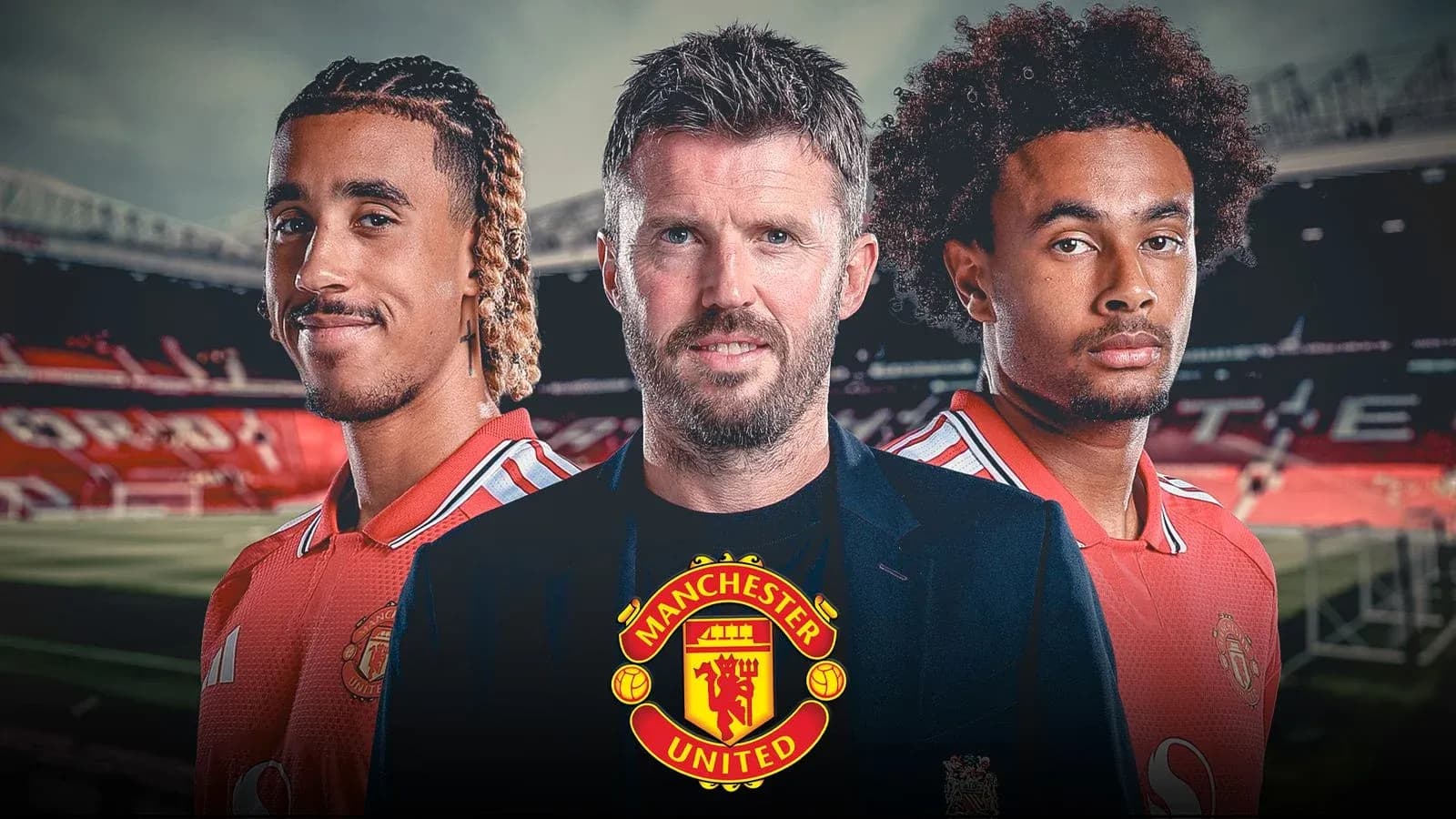
Manchester United Faces Pressure Ahead of Crucial Matches
Estevao Willian: Chelsea's £51m Talent Waiting for His Chance
Dortmund's Champions League Win Overshadowed by Karetsas Incident
José Mourinho Defends Vinicius Amid Struggles