
Manchester United's Revival: Carrick's Impact and Challenges Ahead
Sir Alex Ferguson walked away 13 years ago with 13 league titles, a European crown and the sense that he had left Manchester United with a roadmap, not a ruin. The Theatre of Dreams felt built to last.
It didn’t.
David Moyes, Louis van Gaal, Jose Mourinho, Erik ten Hag, Ruben Amorim – big names, big reputations, brief revivals. None of them managed to drag United back to the summit while City roared past next door, turning “noisy neighbours” into serial champions.
Now, at last, there’s a different noise around Old Trafford.
Carrick’s spark – and the limits of a revival
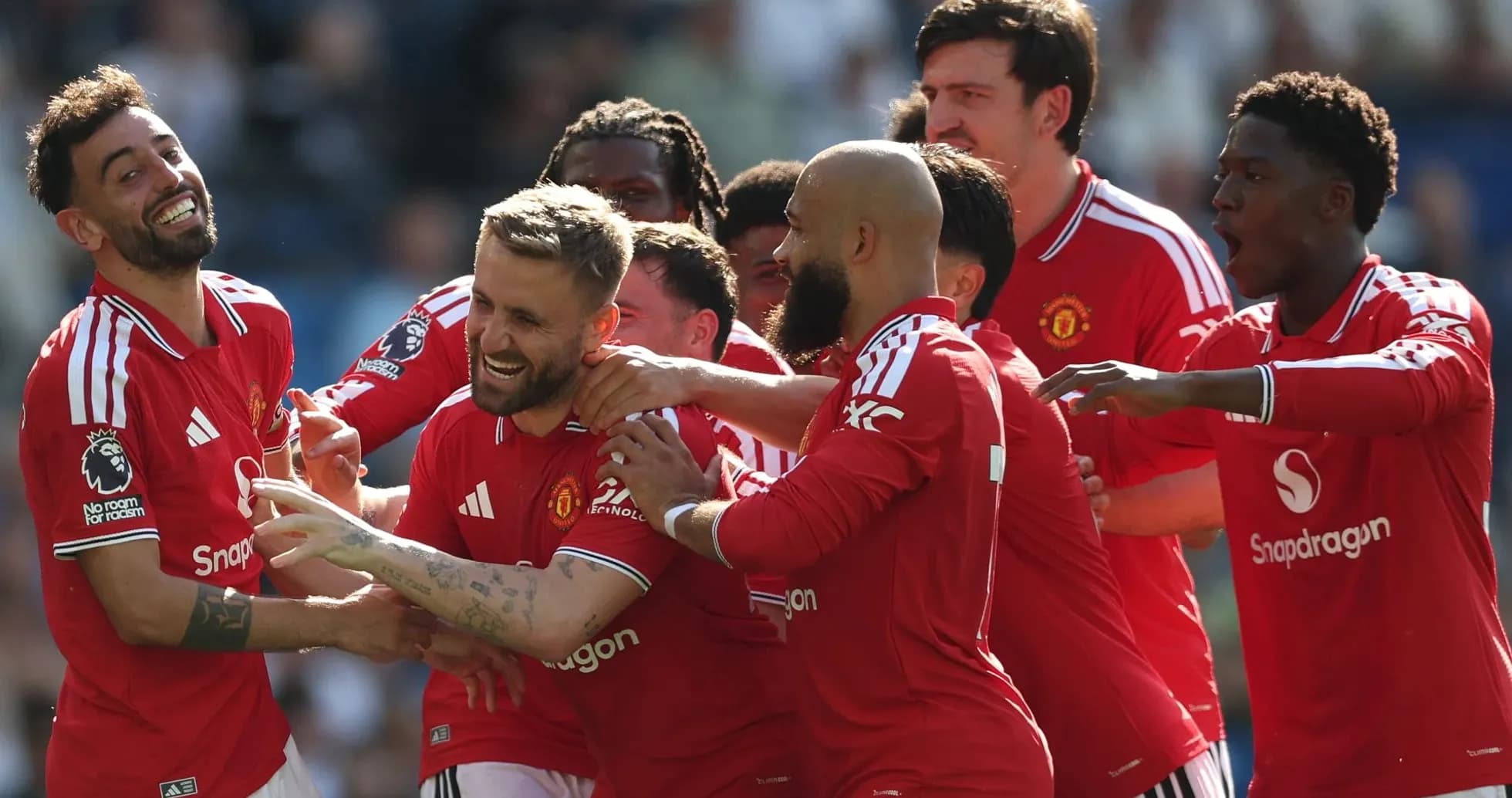
The 2025-26 season shifted the mood. Michael Carrick, once the metronome in Ferguson’s midfield and a five-time title winner in his playing days, stepped in as interim boss and flipped the narrative almost overnight. Performances sharpened, the atmosphere softened, and the club quickly moved to hand him a two-year contract.
Hope has returned, cautiously. There’s talk of structure, of a plan, of a squad that might finally resemble a title contender again if the summer recruitment hits the mark. Some supporters are already eyeing the 2026-27 Premier League season and wondering whether first place is a realistic target rather than a romantic fantasy.
Gary Pallister isn’t there yet.
Speaking to GOAL in association with Spreadex Sports, the former United defender cut through the optimism with a blunt assessment. “I think a couple of signings can make a huge difference. Do I think they're in line for a title challenge? My honest opinion at the moment would be no, I don't think so. I think we've still got a bit of building to do.”
That’s the tension at United right now: genuine progress, but a long road ahead.
Pallister has been impressed by Carrick’s impact, even if he refuses to dress it up as a miracle. “I don't think the team was brilliant,” he admitted. There were flashes – “the Man City game sticks out at home” – when United looked like a side reborn, and a couple of late-season outings where they “played really well and won comfortably.”
The real change, in his eyes, has been less tactical and more emotional. Carrick has reconnected the team with the badge.
“What I think he's brought to the team is a resilience and that kind of fight for the badge and fight for the club,” Pallister said, likening the effect to Ole Gunnar Solskjaer’s initial surge when he first took over. Carrick has, quite simply, made United feel like United again.
That alone won’t win titles. It does, however, give him the right to shape what comes next.
“Now we've got to give Michael a chance to bring his own players in. He's assessed everything. Give him the chance to bring some quality players in and see where that takes us,” Pallister argued. The feel-good factor is back, the bond with the stands is stronger, and the dressing room appears to be buying in. The question now is whether Carrick can turn that into a sustained challenge at the top.
Rashford at the crossroads
No decision this summer embodies United’s crossroads more than Marcus Rashford’s future.
The academy graduate spent last season on loan at Barcelona, his Old Trafford story paused rather than closed. A permanent move has been heavily discussed, yet nothing is signed. For now, Rashford’s name sits in both columns: possible departure, possible return.
All of this plays out while he is on World Cup duty with England, his immediate focus far from Carrington. Back in Manchester, though, the debate is fierce. Should United bring him home or cash in and move on?
Pallister has been clear in the past. “I've gone on record as saying I wouldn't bring him back,” he said. But Carrick’s presence complicates that stance.
“The difference now is that Michael Carrick's worked with him. Michael Carrick knows his personality. Michael Carrick knows whether he can get something out of him if he does come back.”
That’s the crux. This isn’t just about talent. It’s about mentality, hunger, and whether Rashford wants the responsibility that comes with being “the United lad” leading the line in a new era.
“Would Marcus want to come back? Has he been quoted in the past saying he's happy to stay away?” Pallister asked, framing the decision as much from the player’s side as the club’s. Nobody doubts the ability. “He's a quality player. He's a United lad. If you could bring back the Marcus of two or three years ago, then it would be a no-brainer.”
The problem is how it ended. The body language. The form. The sense of a relationship fraying.
“The way it ended, I'm not so sure whether there is a way back for him,” Pallister admitted.
Yet Carrick changes the equation. Managers see players differently, connect with them differently, and sometimes unlock something that others can’t.
“Managers with different players can have their own feel on it,” Pallister said. “If Michael feels as though he can turn Marcus round in terms of his personality and his body language on the pitch and get him playing as he was playing for Manchester United in his early years, then he surely would be a bonus for Manchester United.”
That wouldn’t be a quick fix. It would demand honesty, hard conversations, and a shared belief that there is still a future together.
“I think there would have to be a lot of talking between the two before that happened,” Pallister concluded.
United stand, once again, at a familiar junction: a popular manager, a rising sense of optimism, and a summer that will define whether this is the start of something serious or just another fleeting surge. Carrick has restored pride and purpose.
Now he has to prove he can build a team – and perhaps rebuild a career – that can carry it.
Related News
Anthony Joshua Names Murat Gassiev as Next Opponent if He Defeats Tyson Fury
UFC 332: Start Time and Fight Highlights for Natalia Silva vs. Wang Cong
Court McGee Opens Up About Choosing UFC 332 as His Final MMA Fight
WBC Orders Lightweight Title Unification: William Zepeda vs Jadier Herrera
BCCI Pension List: Monthly Payments to Retired Indian Cricketers in 2025

Why Fury vs Joshua Is Set for Cardiff, and Dua Lipa’s Unexpected Role