
Manchester United's Struggles Under Michael Carrick
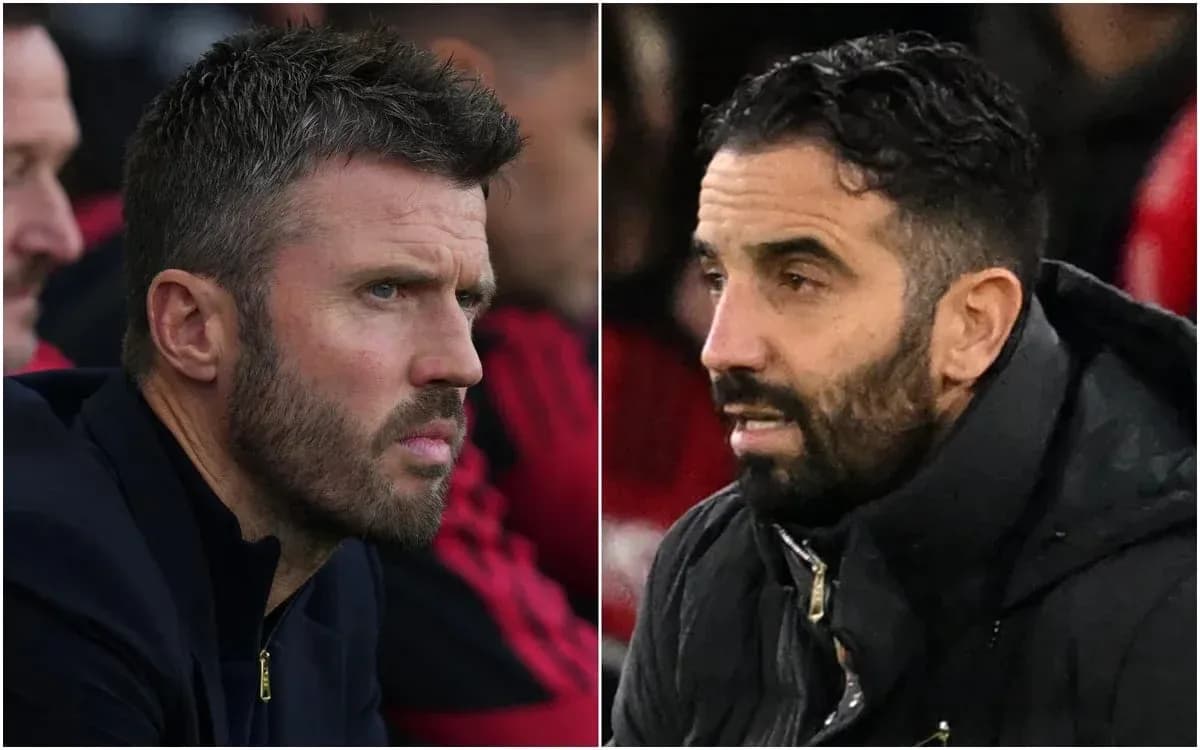
The mood around Manchester United was supposed to be different this year. Michael Carrick had arrived, steadied the chaos, and then surged. From January onwards, no one in the Premier League collected more points. United finished third. The club finally felt like it had a plan.
Seven games into his first full season, that optimism has evaporated. And the echoes of Ruben Amorim’s ill-fated start are getting harder to ignore.
Results: Same Numbers, Same Nerves
Strip it back to the basics and the picture is stark.
After seven games of this campaign, Carrick’s United have won two, drawn two and lost three. That is exactly the same number of wins and defeats Amorim managed at the same stage last season, even before you factor in his penalty shoot-out exit to Grimsby in the Carabao Cup – a night many around the club quietly filed under “another bad loss”.
United are already out of the Carabao Cup again, this time beaten by Brighton last week. Another early exit. Another trophy avenue shut before autumn has properly started.
The league table offers no comfort. Five points from five games leaves United 12th in the Premier League. That total equals their joint-worst return at this stage of a season, matching the 2014/15 start under Louis van Gaal.
Only newly promoted Ipswich have been beaten by United in the league. Everyone else has taken something off them.
Amorim’s early weeks were hardly glorious, but the parallels are uncomfortable. Six of his first seven games last season were in the league, and United sat 14th after home wins over Burnley and Chelsea briefly papered over the cracks. The sense of drift never really left.
Right now, Carrick is trying to make sure history doesn’t repeat itself.
Data: Promise on Paper, Waste on the Pitch
The numbers tell a more nuanced story, and it is one United fans will recognise.
This time last year, Amorim’s side sat fourth in the expected points table, despite being 14th in reality. The data said they should have been far higher up the league. The table said they weren’t.
Fast-forward to now and the pattern is eerily similar. Carrick’s United are sixth on expected points, yet 12th in the actual standings.
The main driver is the same: United are creating enough to win more games, but they are not finishing.
Under Amorim at this stage last season, United had scored seven league goals from an expected-goals figure of 12.04. The gap was huge. This year, it is smaller but still telling – eight goals scored from an xG of 10.59.
In plain terms, chances are being carved out, but not buried. You can view that as a reason for calm: last season, United’s finishing did trend closer to their xG by the end of the campaign, with their expected-goals tally ending up only just over three higher than their actual goals scored.
Or you can look at it more harshly and ask the obvious question: do they have enough ruthless finishers to turn good metrics into wins?
Right now, the league table is answering that with a shrug.
Context: Different Manager, Different Heat
What has changed most from 12 months ago is not the data, but the temperature.
Carrick walks into every game with credit in the bank. He took a broken side, guided them to third, and reintroduced a sense of structure. That buys time at a club where time is rarely given.
Amorim never had that luxury. After seven games of 2025-26, the pressure around him was already suffocating. He had collected just 34 points from 33 league games in charge and had never managed back-to-back Premier League wins. The narrative was set early and it was brutal.
His tactical stubbornness became the lightning rod. The wing-back system he clung to was widely criticised, with many insisting a back four would have better suited the squad. The formation debate became a weekly inquest into his suitability for the job.
Carrick has not been boxed in like that yet. No defining tactical label, no system war dominating every discussion. The criticism after Sunday’s draw with lowly Fulham was different: not shape, but attitude. A lack of effort off the ball. Running numbers and pressing data were wheeled out to support the claim that United simply did not work hard enough.
That is a very different kind of accusation, and one that can turn quickly if performances do not spike.
The Future: Lessons From Amorim’s Fall
Ruben Amorim tried to project calm as the walls closed in. “I am never concerned about my job,” he said after United’s seventh game of last season, a 3-1 defeat at Brentford.
The results never truly recovered. He clung on until January, and even then his exit only came after he openly challenged the board and raised the stakes himself. United were sixth when he went. The table said they were still in the mix; the mood said otherwise.
Amorim is now at AC Milan, unbeaten and two points off the top in Serie A. His reputation has been rebuilt elsewhere.
Carrick is a long way from that kind of brink. He was only confirmed as permanent manager on a two-year deal in May, and there is no sense yet of a club readying the trapdoor. The conversation has not reached that pitch.
But the warning signs are already being voiced from within the club’s own orbit. Gary Neville did not sugar-coat it on Sunday: “If those types of performances continue, he will find himself in a lot of trouble.”
The numbers say United should be higher. The table says they are not. Carrick’s job now is to make sure he is judged by the former before the latter costs him everything.
Related News
Real Madrid Concerned as Ibrahima Konaté Exits France Squad with Knee Injury
Ibrahima Konate Withdraws from France Squad; Man Utd's Leny Yoro Called Up by Zidane
4 Free Agent Strikers Manchester United Could Sign Following Sesko's Injury
Bosnia Coach Sergej Barbarez Criticizes Newcastle United Over Amar Dedic's Hamstring Injury
Kenya to Face Rwanda in Friendly Match During International Window

Mbappé's Flu Disrupts Zidane's First Camp with France