
Maresca Defines Manchester City's Leadership Group: Foden's Role Explained
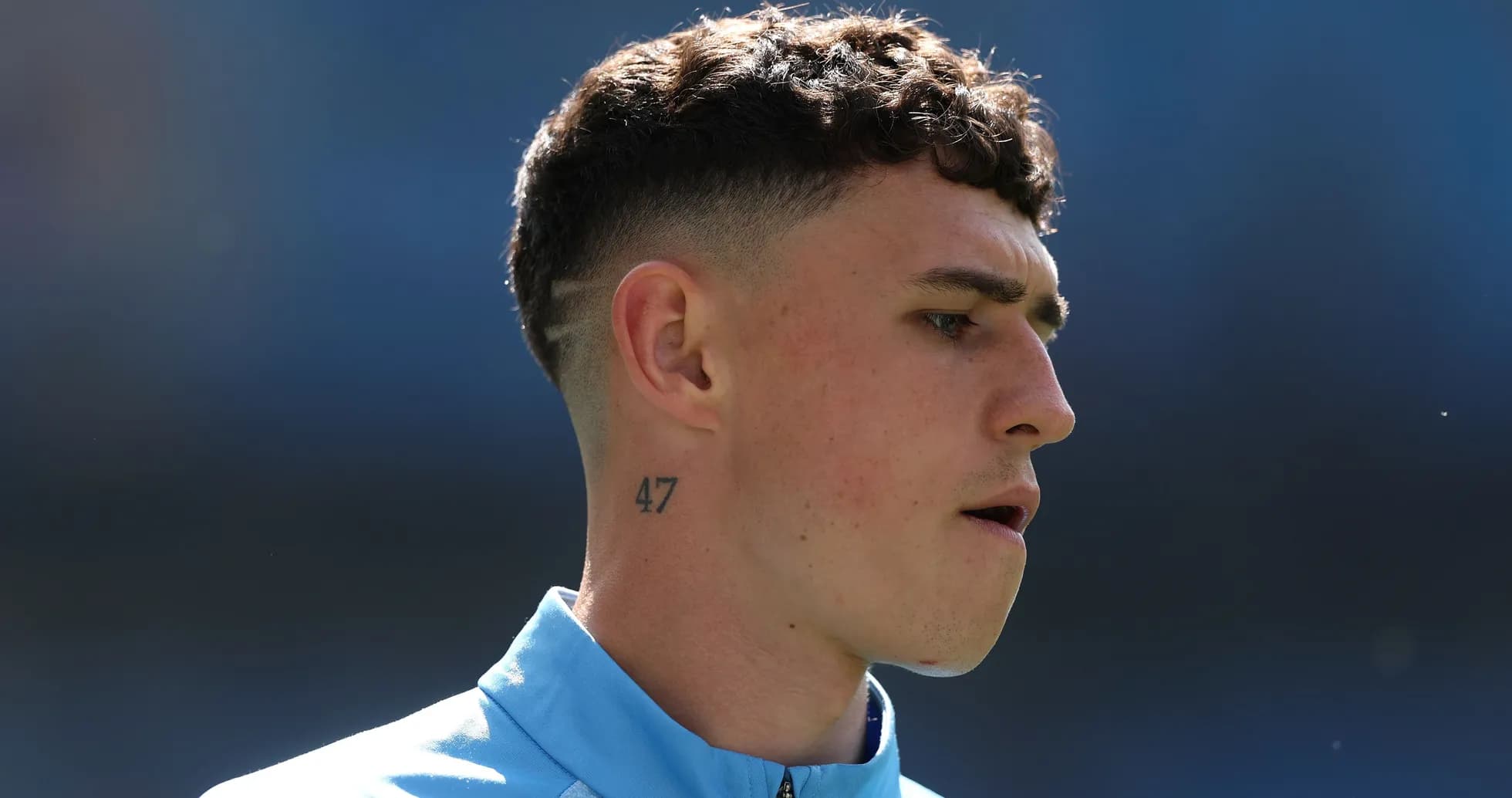
Enzo Maresca has nailed his colours to the mast over Manchester City’s new leadership group – and Phil Foden is not in it.
The 26-year-old, a symbol of City’s modern era and a fixture since bursting through the academy, was firmly in the conversation. In the end, he was left out of the official quartet.
Maresca’s new power core
Speaking at his Friday press conference, Maresca laid out the hierarchy with no room for confusion.
“The captain is Ruben [Dias], Erling [Haaland], Marc Guehi and Gianluigi Donnarumma,” he said.
Dias and Haaland are the expected pillars, the spine of City’s dressing room in recent seasons. The real statement lies in the elevation of Marc Guehi and Gianluigi Donnarumma – both relative newcomers to the club setup, both trusted immediately as standard-bearers.
For Maresca, this is not about seniority by years in sky blue. It is about proven authority.
“First of all, because Marc was already captain with Palace,” he explained. “So he has the experience. Gigio is the captain of the Italy national team, so he has the experience. The reason why I decided for them is because I can see them helping the teammates and the dressing room to behave in the right way.”
That last line is telling. Maresca wants lieutenants who can police the standards when he is not in the room.
Foden: not in the four, still in the inner circle
Leaving Foden out of the official group is a bold call. This is the 2023-24 PFA Player of the Year. A local lad. A player the fanbase sees as the living link between the club and the city.
Maresca knows exactly what Foden represents.
He called him “one of the guys from the house,” a nod to his roots and his bond with the supporters. And while Foden will not wear the armband as one of the designated four, the manager was at pains to stress his standing.
“These are the four that are going to be the captains,” Maresca said. “But I was also thinking about Phil, because Phil is one of the guys from the house. He’s not in that group, but for me he’s also one of the captains, one of the players that belong to that group.”
So Foden is captain in spirit, if not in title. Influence without the strip of fabric around his arm.
Out wide for now, the middle in mind
The debate around Foden does not stop at leadership. It runs straight into his position on the pitch.
Across the opening weeks of the Premier League season, Maresca has stationed him on the right wing. The reason is simple: Jeremy Doku’s injury left a hole, and Foden has been the one to plug it.
“I think Phil’s best position is in the middle,” Maresca insisted. “But he’s doing an effort to help the team. Because for the first two games we didn’t have options in the wide area, because Jeremy was injured.
“No doubt that Phil’s position in the middle is much better. But I’m very, very happy with Phil since day one. He’s working very good, even when he has played wide in the last two games, he was good.”
That is the trade-off. Sacrifice the ideal role for the sake of the collective. Foden, Maresca suggests, has embraced it.
A manager’s demand: adapt or stand still
Maresca’s use of Foden across the front line is no accident. It is a clear demand on his top players: be versatile, or be left behind.
His view is straightforward – elite talents must carry multiple responsibilities, especially when injuries bite. Foden’s tactical intelligence and technical level make him the perfect candidate for that burden.
The Italian has been impressed with the way his playmaker has handled the shifts, even when it means less time in his cherished No 10 pocket. Professional. Committed. Effective.
“You can see that inside the pitch he’s much better,” Maresca said. “But at the end, Phil is going to play in a different position. Because he’s a good and good players, they can play in different positions.”
The message is clear. The armband may sit elsewhere, the starting spot may move from right to middle and back again, but Foden’s responsibility is only growing. The question now is not whether he leads – it is how loudly he does it, with or without the captain’s band.
Related News
Real Madrid Concerned as Ibrahima Konaté Exits France Squad with Knee Injury
Ibrahima Konate Withdraws from France Squad; Man Utd's Leny Yoro Called Up by Zidane
4 Free Agent Strikers Manchester United Could Sign Following Sesko's Injury
Bosnia Coach Sergej Barbarez Criticizes Newcastle United Over Amar Dedic's Hamstring Injury
Kenya to Face Rwanda in Friendly Match During International Window
Mbappé's Flu Disrupts Zidane's First Camp with France