Martin Odegaard Reclaims Control in Arsenal’s Midfield
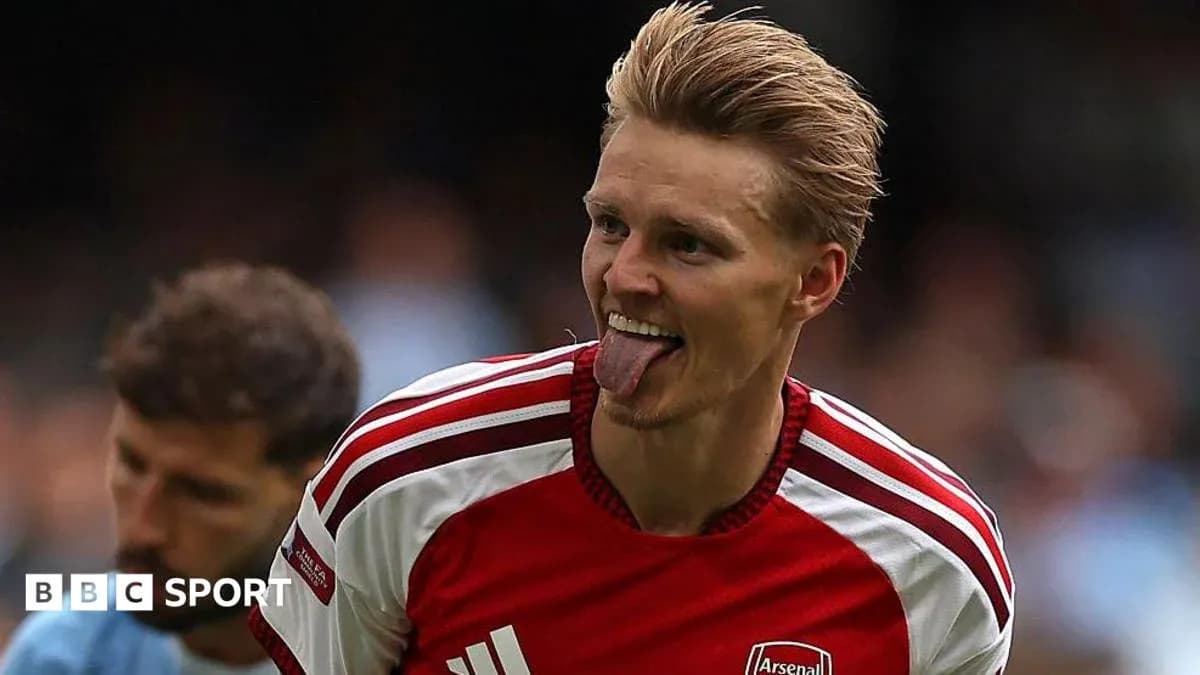
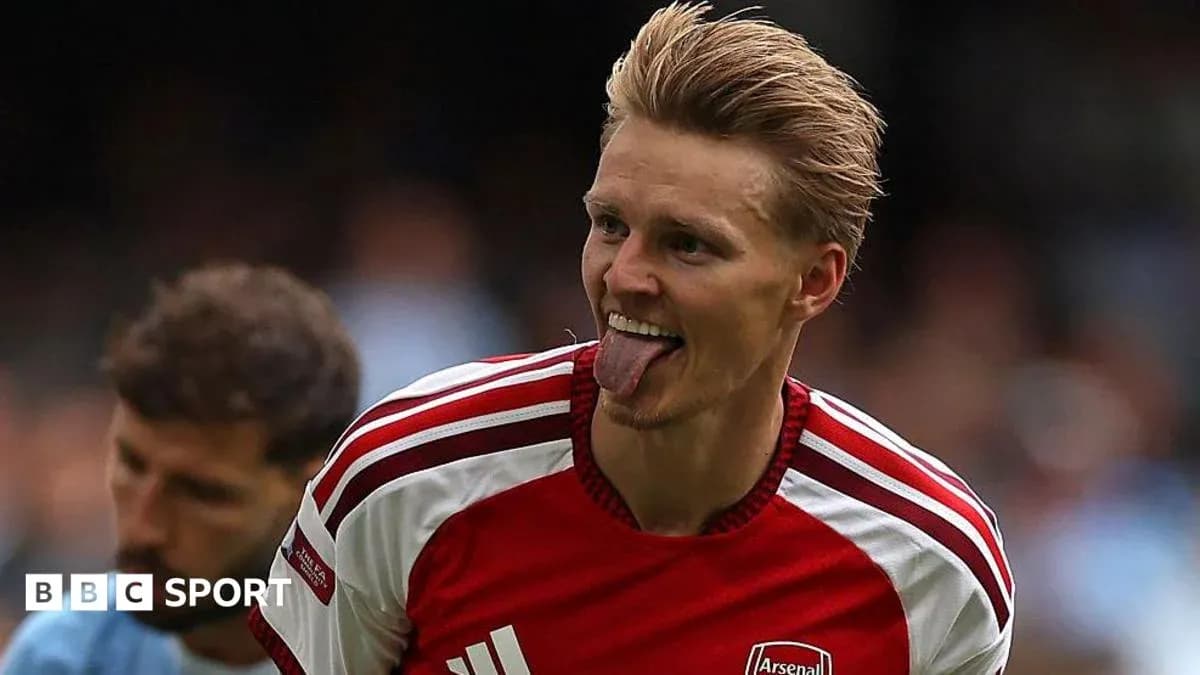
Martin Odegaard walked off in Cardiff with the Community Shield trophy in one hand and the man-of-the-match award in the other, but what really mattered was something less tangible. Arsenal’s captain looked like himself again.
After a season that left him patched up and on the margins, the Norwegian playmaker returned to centre stage in a 3-0 dismantling of Manchester City that felt like a statement – from him, and from a midfield that suddenly looks stacked with power and craft.
Odegaard back in command
A year ago, Arsenal were champions of England for the first time in 22 years, yet their chief creator spent most of the campaign fighting his own body. Knee and shoulder problems cut him down, stripped away rhythm and authority. Sixteen league starts. One goal. Seven assists. His leanest return since he made the move from Real Madrid permanent in 2021-22.
On Sunday, that all felt distant.
Odegaard stitched the game together with the familiar elegance and sharpness that had gone missing. He set Arsenal’s tempo, pressed, bit into challenges, demanded the ball in tight spaces and refused to let City breathe.
The numbers told the same story. Of all Arsenal players on the pitch, he completed the most passes – 55 of 58 – completed every dribble he attempted, three from three, and won possession more than anyone else in red and white, nine times. It was control with an edge.
Then came the moment that will live in the highlights.
Driving into the box late on, Odegaard shaped to shoot, sold Gianluigi Donnarumma with a dummy so clean the City goalkeeper ended up on the turf, and rolled in Arsenal’s third. It was a finish that mixed calm, disguise and a touch of cruelty. The kind of goal that says: I’m back.
From doubts to defiance
Last season’s struggles did more than dent his stats. They opened the door to debate. Former players questioned whether he should wear the armband. Pundits wondered if he influenced big games enough. The injuries gave those doubts oxygen.
Odegaard has been blunt about how hard that period hit him.
“Last year was really a big struggle with a lot of difficult moments. To miss so many games because of injury was really frustrating,” he admitted after the game. For a player who thrives on rhythm, being yanked out of the season by “weird injuries, and bad luck” was a test of patience and personality.
He found a foothold late in the campaign, finished the season fit and then carried that form into the World Cup with Norway. Five starts in six games, four assists, a reminder on the international stage of the playmaker Arsenal thought they had lost to the treatment room.
“It was good for me to end the season with a title, here, and then a good World Cup. Then I had my break and I feel good, ready to go again,” he said, framing the misery of last year as fuel. “What I have just worked on is to use that as motivation for this year and to come back stronger. And to use all of those experiences in a positive way.”
On Sunday, that resolve showed in every touch.
A midfield that can smother and slice
If Odegaard looks reborn, he is stepping back into an Arsenal midfield that has changed shape around him.
Mikel Arteta has not stood still since lifting the Premier League. He has gone again, dropping £75m on Bruno Guimaraes to add steel and incision in the middle of the pitch. It is a bold move, and it has transformed the feel of Arsenal’s engine room.
Mikel Merino, one of a growing cast of midfielders at the club, has already called the Gunners’ options in that area “probably the best in football”. On this evidence, that claim doesn’t sound wild.
Line them up: Odegaard, Guimaraes, Myles Lewis-Skelly, Martin Zubimendi, Declan Rice, Eberechi Eze, Merino. Different profiles, different gears, all competing for minutes. It is depth with teeth.
Guimaraes, on his first real outing, showed exactly why Arsenal pushed so hard to get him. In 45 minutes he snapped into duels, punched passes through the lines and gave Odegaard a platform to roam. The chemistry between the two was instant.
“Odegaard and Guimaraes appeared to click straight away in their first start together,” was the obvious takeaway. The captain felt it too. “Sometimes you are just in the flow. You need to find that on the pitch,” he said. “All of us were flowing pretty good out there. I will just try to keep that up and keep going.”
The pressure inside that midfield group is real. Places will not be handed out. For a player of Odegaard’s calibre, that kind of competition can sting – or it can sharpen. Right now, it looks like the latter.
Arteta’s “different Martin”
Arteta has always seen Odegaard as central to his rebuild. The Norwegian was one of the first pillars of the manager’s new Arsenal, a technical leader and tactical reference point. Losing him for five or six months across last season hurt more than the numbers alone suggest.
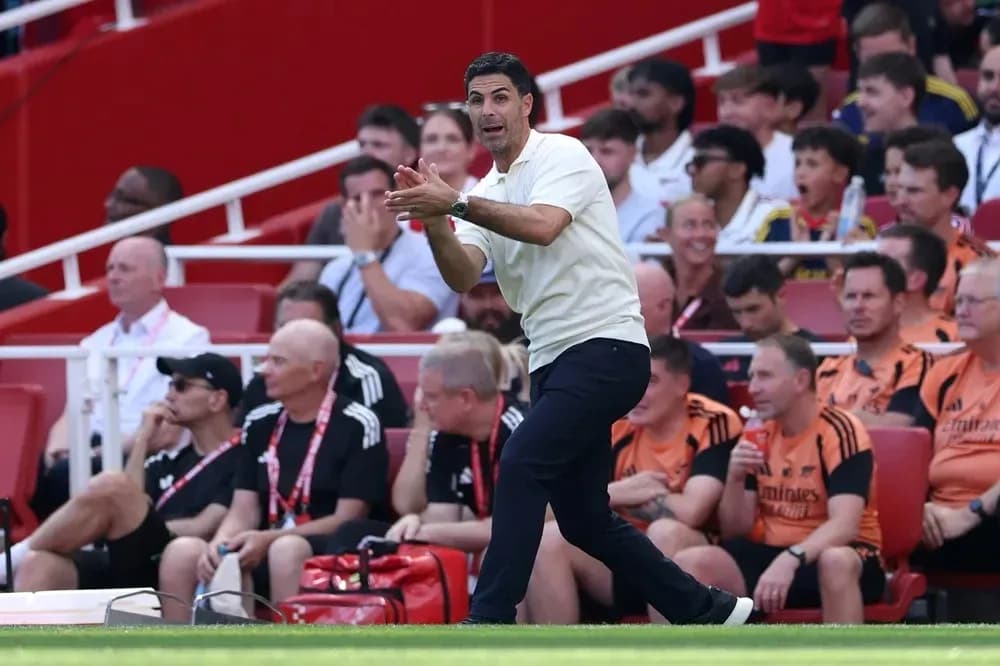
“Well, he missed five or six months for different things and it was extremely difficult for him to get any momentum,” Arteta said. You could hear the frustration of a coach who had built patterns around a player who simply wasn’t available often enough.
The tone has changed.
“So I'm sure this year if we can maintain him fit, available with the players around him, we're going to see a very different Martin,” Arteta added. Then came the line that will resonate around the Emirates. “And I sense from the first day that he joined [pre-season training] that he has something else on the belly that he wants to prove and show, because the team needs it as well.”
That hunger, that edge, is what Arsenal have been waiting for. Odegaard was once the symbol of a project just starting to believe. Now, with a title in the cabinet and a deeper, more ruthless squad around him, he has the chance to become the heartbeat of a side aiming to stay on top.
The question is no longer whether he should be captain. It’s how far this “different Martin” can drag Arsenal in a season where everyone will be hunting the champions.