
Mauricio Pochettino and Manchester United: The Missed Opportunities
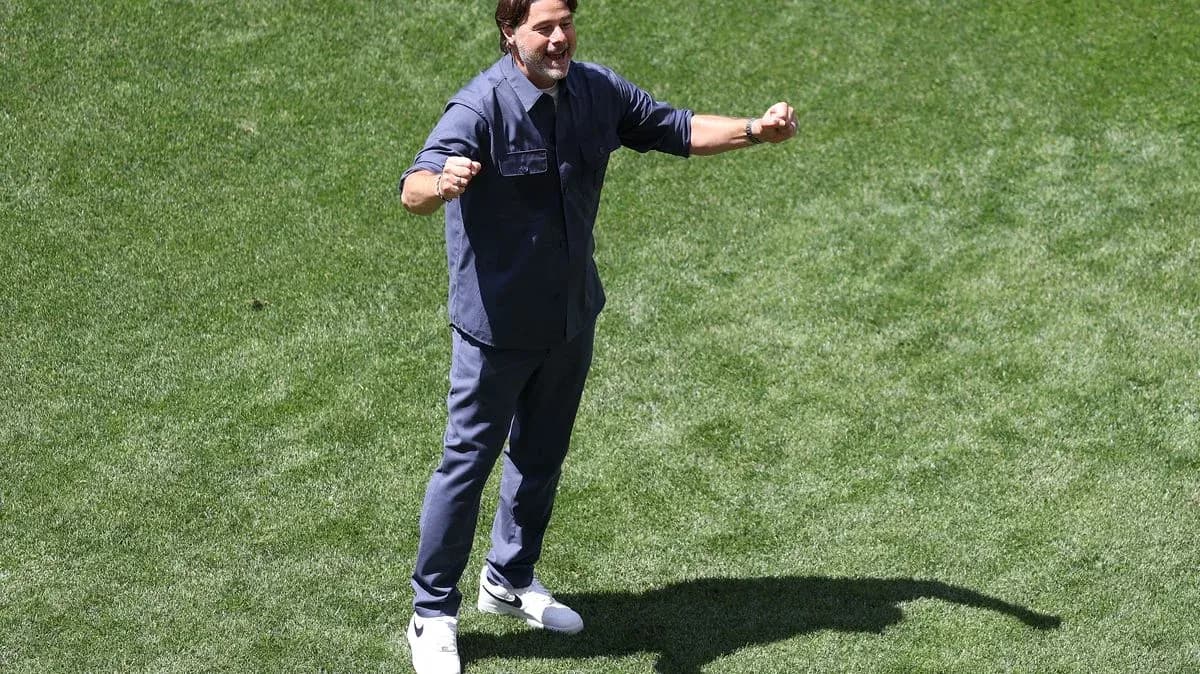
For a long time it felt like football fate: one day, somehow, Mauricio Pochettino would walk out at Old Trafford as Manchester United manager. Twice the stars seemed to align. Twice they shifted at the last moment.
Now, with the Argentine rebuilding his reputation on the World Cup stage, that once-inevitable union looks more like a sliding-doors story that will never be told.
The one that got away – twice
United’s first real chance came in 2018/19. Pochettino, then at Tottenham, was widely viewed inside the game as the coming man, the ideal long-term architect for a club in need of structure and identity. United placed Ole Gunnar Solskjaer in interim charge after Jose Mourinho’s sacking, fully expecting to conduct a serious courtship with Pochettino at season’s end.
Solskjaer tore up the script.
He strung together win after win, six in a row to start, including a pivotal victory away at Spurs in mid-January. That afternoon at Wembley, with Pochettino in the opposite dugout, the momentum shifted. The Norwegian’s feel-good surge, built on nostalgia and a liberated dressing room, carried him from stop-gap to solution.
When United then produced that improbable comeback in Paris against Paris Saint-Germain in March, the decision-makers at Old Trafford could not resist. Solskjaer was handed the job permanently. Pochettino, still driving Spurs towards what would become a Champions League final, saw his moment vanish. By the time Tottenham’s run in Europe ended and their league form crumbled, the door had already closed. He was out of North London a few months later.
The second opening came in 2022, and again the timing betrayed him. Pochettino, now at PSG, was locked in an underwhelming tenure defined by domestic duty and European disappointment. United, meanwhile, were stumbling through a turbulent season with Ralf Rangnick as interim manager, openly preparing for a reset.
The shortlist quickly narrowed to two names: Pochettino and Erik ten Hag. United’s hierarchy, led by football director John Murtough, ultimately chose the Ajax coach. Officially, it was presented as a stylistic and strategic fit. Pochettino, speaking recently to Four Four Two, painted a more nuanced picture.
He was still under contract in Paris. After PSG’s Champions League collapse against Real Madrid, his remit was clear: secure Ligue 1, steady the ship. United, he said, were desperate to announce their new man before the season ended, the atmosphere around the club having become “unsustainable”. Ten Hag, with Ajax willing to grant him the freedom to negotiate, could move. Pochettino, tied to his obligations in France, could not.
Two races, two near-misses. Both decided as much by calendar and circumstance as by footballing philosophy.
Ferguson’s favourite, left waiting
The intrigue around Pochettino and United has always been more than media speculation. Sir Alex Ferguson admired him early, impressed by the energy and organisation of his Southampton side. The legendary United manager even sought out Pochettino’s number and invited him to dinner, a rare gesture that carried clear symbolism in the corridors of power at Old Trafford.
For years that endorsement lingered in the background. Pochettino, meticulous and modern, seemed the natural heir to the kind of long-term project Ferguson once embodied. Yet as United lurched from one reset to another, the moment never quite aligned.
His stock dipped after leaving Spurs, dulled by the perception that he had not conquered the final step with that gifted Tottenham group. The PSG stint, trophy-laden but joyless, did little to change the narrative. His single season at Chelsea, scrutinised heavily at the time, already looks more respectable in hindsight, framed against the chaos that preceded and followed him.
Still, the sense grew that his window at the very top might be closing.
Reinvented on the world stage
The World Cup has rewritten that script. Tasked with leading the United States on home soil, Pochettino has shaped a side that plays with a ferocity and clarity few others in the tournament can match.
His US team presses like a European club side, not a disjointed international selection. They hunt in packs, snap into duels, and move the ball with a tempo that has unsettled more decorated opponents. The intensity and aggression have stood out in a competition often slowed by caution.
Momentum is building behind the hosts. If they sustain this level, a run to at least the quarter-finals feels within reach. That kind of statement on the biggest stage will not go unnoticed in Europe’s boardrooms. For any club seeking a coach who can blend structure with emotion, development with identity, Pochettino is suddenly back near the top of the list.
His contract with the US expires at the end of the tournament. Publicly, he has said he is “open” to extending his stay. Privately, the calculation is obvious. Nothing in CONCACAF – not even a Gold Cup triumph – can match the intensity and profile of guiding a host nation through a World Cup. If he wants one more crack at the European elite, this is the perfect moment to step back onto that carousel.
United move on – again
The irony is that Pochettino’s resurgence coincides with yet another United reset. Michael Carrick, handed a two-year contract after a strong second half of last season, looks a smart, steady appointment. A club that has often lurched towards the biggest available name has, this time, opted for continuity and a coach who already understands its fabric.
Had Carrick stumbled, had United delayed their decision, the familiar narrative would have resurfaced. Pochettino, revitalised by a deep World Cup run, would have been the obvious candidate, the nearly man finally stepping into the role that has hovered over his career for a decade.
Instead, the pattern holds. United have their man. Pochettino, once again, appears destined to take his ideas, his intensity and his unfinished business somewhere else.
The Old Trafford dugout, long painted as his natural home, now looks like the one great job he will never take. The only question left is which rival superclub will decide they cannot afford to miss on him a third time.
Related News
Anthony Joshua Names Murat Gassiev as Next Opponent if He Defeats Tyson Fury
UFC 332: Start Time and Fight Highlights for Natalia Silva vs. Wang Cong
Court McGee Opens Up About Choosing UFC 332 as His Final MMA Fight
WBC Orders Lightweight Title Unification: William Zepeda vs Jadier Herrera
BCCI Pension List: Monthly Payments to Retired Indian Cricketers in 2025
Why Fury vs Joshua Is Set for Cardiff, and Dua Lipa’s Unexpected Role