
Mauricio Pochettino's Journey with the USMNT: From Heartbreak to Hope
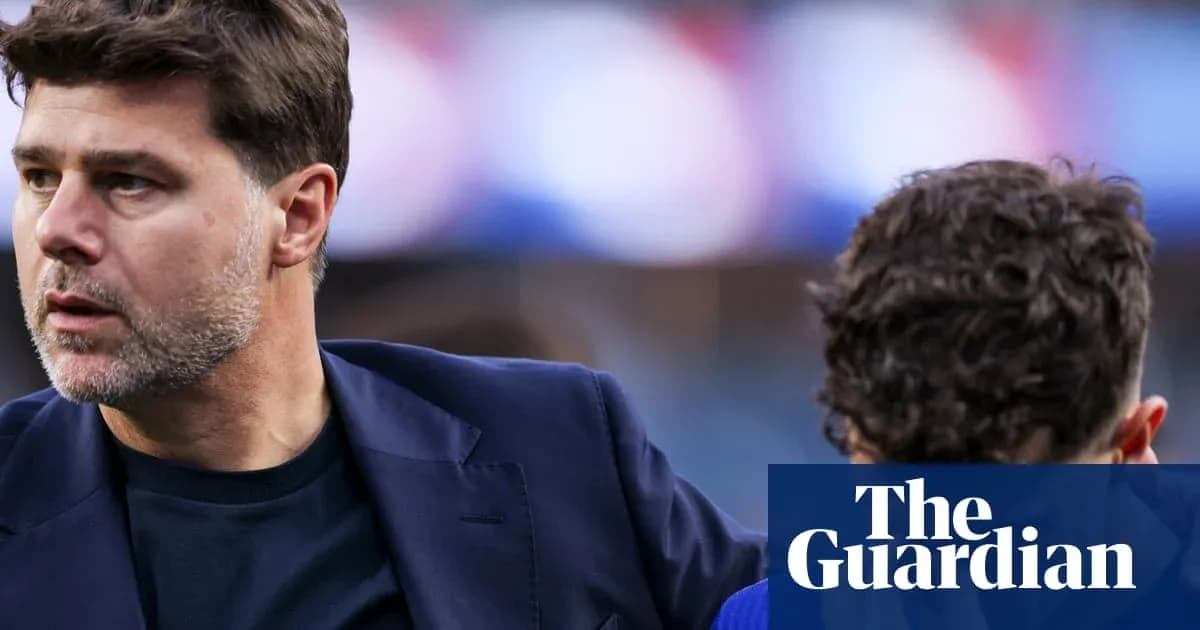
Mauricio Pochettino’s eyes filled before the final whistle even went.
His United States team had pushed and chased and fought their way through a brutal Gold Cup run, only to be cut down by Mexico in the 2025 final. A regional crown gone, against the one rival they most wanted to beat. In Houston, of all places – one of the biggest metro areas in the country they were supposed to call home.
And yet the noise crashed down on them in green.
The stands were hostile, defiantly Mexican. Every US touch was met with derision, every Mexican attack with a roar. For Pochettino, who had lived derby days at Tottenham, it was as if he’d walked into a North London showdown and found Arsenal shirts covering almost every seat in his own stadium.
The tears weren’t just about losing.
They were about the jolt of reality. A year out from a home World Cup, Pochettino was staring straight at a hard truth: his team weren’t just a work in progress on the pitch. They were outsiders in their own sporting culture.
“We were so naive,” he admitted this week. “We misjudged the situation. It was worse than we really believed. … When we arrived here, we received a big bang, punch, and we were knocked out for a while. We said: ‘What the fuck?’”
That “punch” landed months before Mexico broke their hearts in Houston. It was the first of three blows that would reshape this US side – and, in a roundabout way, set up the surge they are riding now at the 2026 World Cup.
A crash in an empty stadium
Roll back to March 2025. The task in the Concacaf Nations League seemed almost routine. Beat Panama in the semi-final, then brace for the familiar regional showdown with Mexico or Canada in the final. The US had lifted the trophy in each of the first three editions of the competition since 2019-20.
This time they didn’t even get close.
Panama arrived organized, hungry, and unimpressed by reputations. The US, flat and predictable, struggled to carve out chances. Then came the strangest part of the night: the silence.
“It was empty,” Pochettino recalled. “You remember the game, Panama? It was the Mexican people [in the stands] because they played after us.”
In a tournament the US once treated as their personal playground, they were now playing a semi-final in front of a crowd essentially waiting for someone else.
On the field, the old order had already started to crumble. For decades, the US had dominated Panama, running up a 17-4-2 record by mid-2021. But that grip had loosened. By the time Panama pounced on a US lapse to score with just their third shot, they had taken four wins from the last six meetings – including the 2023 Gold Cup semi-final and a 2024 Copa América group game.
“That was [a] good crash, no?” Pochettino said. A painful one, but instructive. “When people say, ‘Yeah, but you have bad results.’ Yeah, yeah: bad results. No worries. We know what we are going to do. When we detect all the problems, we go for the solution. And we knew that the solution would arrive.”
One of those problems, in his eyes, was comfort. The culture had softened. Standards had blurred.
So when Christian Pulisic approached him about skipping the Gold Cup but still joining for the warm-up friendlies against Turkey and Switzerland, Pochettino drew a line. No exceptions. He wanted one group, one camp, one arc from the first day of training to the last whistle of the tournament. The same principle he would later apply to his World Cup squad.
The decision triggered friction. A back-and-forth with his captain. Then came decisive defeats in those pre-Gold Cup friendlies, the kind of results that crank up the volume around any national team coach.
But the message had been delivered: you’re either all-in, or you’re watching from home.
New faces, new edge
The Gold Cup, for all its sting at the end, handed Pochettino something invaluable: a new core.
With Pulisic and other mainstays absent, Malik Tillman finally stepped into the role of chief creator. Matt Freese grabbed the goalkeeper’s shirt and refused to give it back, outlasting Keylor Navas in a penalty shootout. Alex Freeman emerged as a fearless young option who suddenly felt undroppable. Sebastian Berhalter forced his way into the midfield rotation.
Pochettino changed too. This was no three-day international window with players flying in and out. For over a month, he had a fixed group every day, more like club football than the usual stop-start rhythm of national teams. He could drill his ideas, tweak their shape, and build habits.
They lost the final to Mexico. He choked back tears in the aftermath. But in the dressing room, he told them not to abandon what had brought them there.
“Keep improving, but please don’t change,” he urged, still thinking about that hostile Houston night and the bigger picture around it.
He had seen another side of American sporting passion a few days earlier.
“We were in Columbus watching Ohio State against Texas,” he said, recalling the college football clash on 30 August 2025. “There were 70,000 fans there. And my question was, you know, why not? If the fans are very passionate, why not with us, with soccer? Because if [the support is] with us, they will be and show the same passion. It’s massive. It’s so powerful for the player.”
Out of that question came a mantra: “Why not us?”
And with it, a bolder way of playing. When Pulisic and the established names returned in September, Pochettino unveiled the shape that now defines this team. A fluid, restless structure that morphs constantly. Attackers and midfielders slide into pockets, defenders step into midfield, the ball zips from flank to flank. Off-the-ball movement drags opponents around. When gaps appear, they go for the throat.
Showtime, American-style.
Lessons from Europe’s elite
Results followed. A 2-0 win over Japan in September. A draw with Ecuador and a victory over Australia in October. Then a November window that felt like a statement of intent: a win over Paraguay and a 5-1 demolition of Uruguay to close 2025.
Just as the mood began to swell, came the third hard lesson.
Two defeats in March. Seven goals conceded over two legs. Worse than the 7-2 aggregate was the manner of it. The team looked unsure, the defensive structure creaked, and against Belgium they even reverted to an older, leakier setup. Up front, Pulisic – in the midst of the worst goal drought of his career – started at center-forward against Portugal and barely laid a glove.
Inside the camp, the message stayed positive. Defender Chris Richards insisted the March window still mattered for the right reasons.
“I feel like we’ve always bought in,” he said this week, “but I really feel like the March camp that we had was really important. … I think we really gave, you know, two really good teams in Europe a really strong game.”
Pochettino refused to flinch. He even spelled out the gap.
“Belgium and Portugal have, in the top 100 players, [a] few or some players in that top 100. I think we don’t have [any],” he said.
Outside, the old doubts roared back. This, many felt, was the USMNT they recognized: capable of the occasional big night, but just as capable of collapsing against anyone, from global heavyweights to regional spoilers. So when the federation locked in pre-World Cup friendlies against Senegal and Germany, questions flew. Why risk more damage so close to the tournament?
Pochettino’s answer was blunt.
“No. That is good for us. It’s going to measure our level.”
From “Why not?” to “Why not us?”
The response on the pitch suggested he was right. A 3-2 win over Senegal. A narrow 2-1 defeat to Germany that felt more like a test passed than a crisis deepened. The performances hinted at a team finding its timing at the right moment.
Then came the World Cup.
A 4-1 bulldozing of Paraguay to open. A 2-0 shutdown of Australia next. Two games, six goals scored, one conceded. Group D wrapped up with a match to spare. On Thursday, they faced Turkey in a dead rubber: Turkey already out, the US already confirmed as group winners.
Only four teams at this tournament clinched their groups after two matches. Argentina and Germany, giants of the men’s game. Mexico, backed by a famously fervent fanbase and hardened by years of playing at altitude in hostile stadiums.
And then Pochettino’s United States, once booed in their own region, now riding a wave of noise and belief on home soil.
The atmospheres have been wild. Players talk about it. Pochettino does too. The roar that once belonged to college football Saturdays has started to find its way to this team, this sport, this moment.
“It’s not going to be figured out overnight, it’s not going to be figured out in one camp, or sometimes in six months, or 12 months, maybe not as fast as everybody wanted to,” defender Mark McKenzie said. “I think we’re showcasing that it’s a process.”
The process has been brutal at times: empty seats, hostile crowds, cultural battles, tactical resets, painful defeats. Yet here they are, in the company of giants, with a free swing in their final group game and a knockout path ahead.
The question that once echoed in a college football stadium has become something else entirely.
Why not them, now?
Related News
Anthony Joshua Names Murat Gassiev as Next Opponent if He Defeats Tyson Fury
UFC 332: Start Time and Fight Highlights for Natalia Silva vs. Wang Cong
Court McGee Opens Up About Choosing UFC 332 as His Final MMA Fight
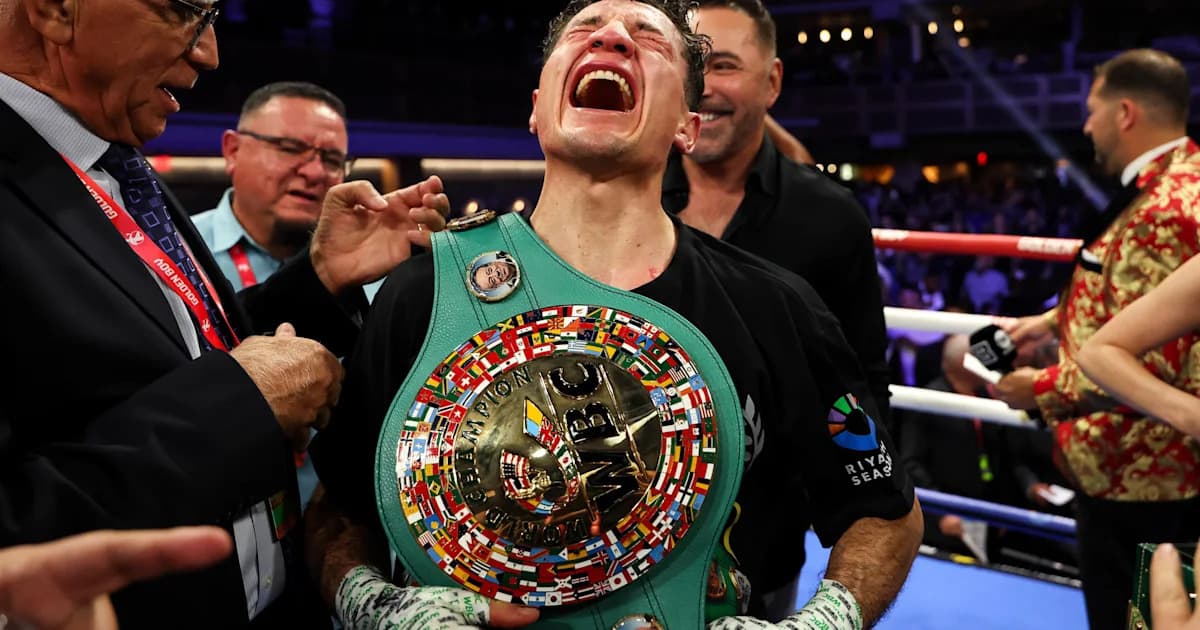
WBC Orders Lightweight Title Unification: William Zepeda vs Jadier Herrera

BCCI Pension List: Monthly Payments to Retired Indian Cricketers in 2025

Why Fury vs Joshua Is Set for Cardiff, and Dua Lipa’s Unexpected Role