
Morocco's World Cup Challenge: Pressure Builds Against Scotland
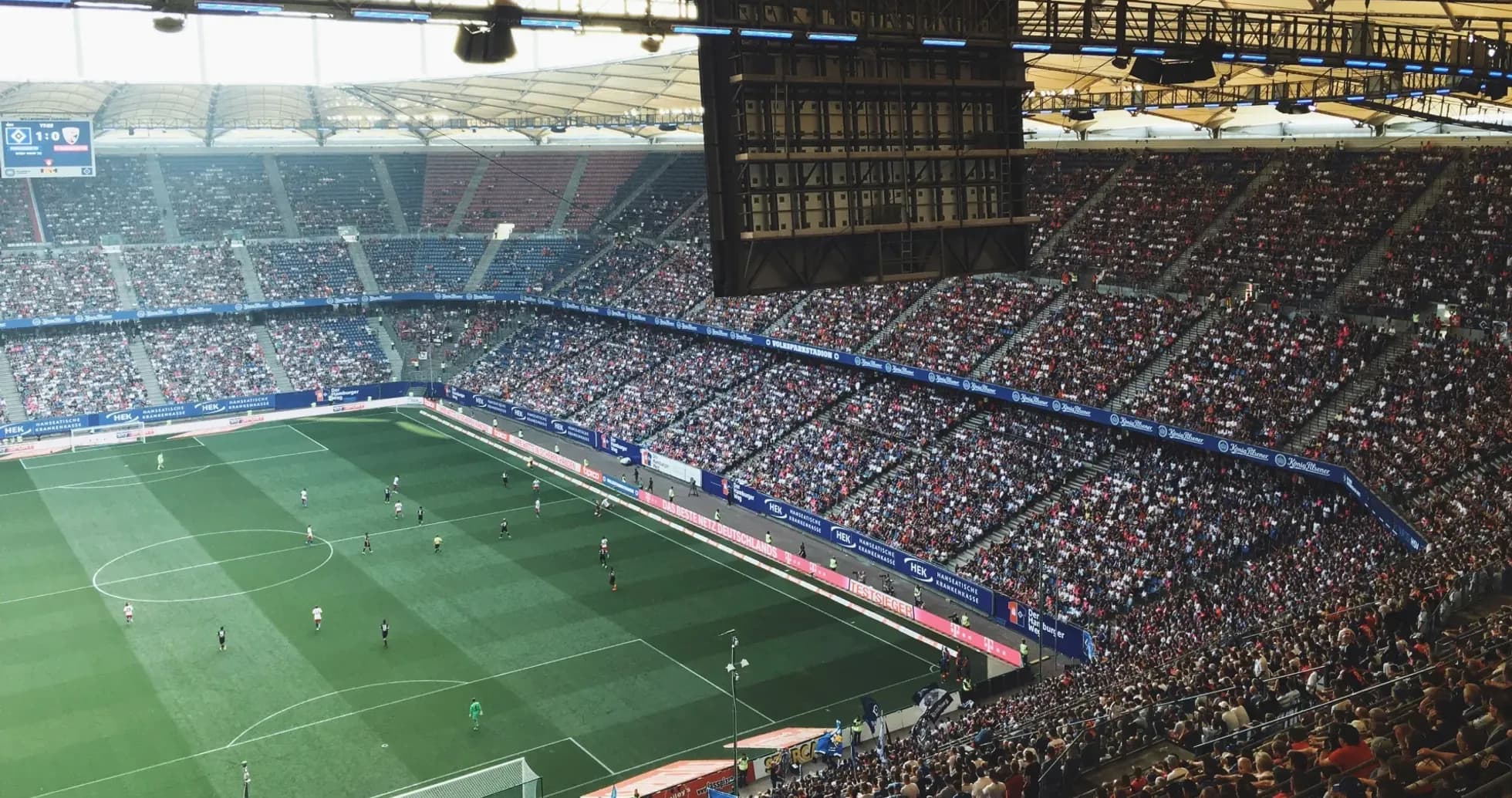
Morocco’s World Cup campaign has started with a familiar tension: promise on the pitch, frustration on the scoreboard.
Four years after that unforgettable run to fourth place in Qatar, the Atlas Lions are still waiting for their first win of the 2026 tournament. They had Brazil on the ropes in their opener, Ismael Saibari striking first to jolt the contest into life, only for Vini Jr. to drag the five-time champions level in the 32nd minute. One point, not three. A statement performance, but not a statement result.
Now comes a very different kind of test.
A new kind of pressure
Next in line is Scotland at Gillette Stadium in Foxborough on June 19, a match that suddenly carries sharp edges for both sides.
Scotland arrive leading Group C after beating Haiti in their opener, a result that has stirred a fan base long used to World Cup heartache. They have never escaped the group stage in eight previous attempts. Never. Yet a positive result against Morocco would push them right to the brink of history.
Morocco, by contrast, know this terrain. They have walked deep into a World Cup before and understand the fine margins of tournament football. But history offers no points. They need a win, and they will likely need to earn it in front of a heavy Tartan Army presence in Massachusetts, with the noise tilted firmly against them.
This is where Mohamed Ouahbi’s side must show its edge.
How Morocco are expected to line up
Ouahbi is not expected to rip up his blueprint after matching Brazil. The projected XI against Scotland leans on continuity, structure and the technical quality that underpinned Morocco’s rise in 2022.
Goalkeeper
Bono remains the undisputed No. 1. The Al-Hilal keeper brings calm in possession and authority in the box, crucial against a Scotland side that will not hesitate to test him from range and from set pieces.
Defence
Across the back line, the blend of pace and physical presence stands out:
- Achraf Hakimi
- Issa Diop
- Chadi Riad
- Noussair Mazraoui
Hakimi and Mazraoui give Morocco two full-backs comfortable stepping into midfield and driving the game forward, an important weapon against a Scottish team that can be compact and stubborn. Between them, Diop and Riad supply the size and aerial strength to handle crosses and long balls, the kind of direct pressure Scotland will not shy away from.
Double pivot with bite and balance
In front of them, the expected double pivot:
- Ayyoub Bouaddi
- Neil El Aynaoui
Bouaddi and El Aynaoui offer legs, aggression and simple, reliable passing. Their job is clear: protect the back four, break up transitions, and feed the creators early. Win the second balls, win the territory battle, and Morocco’s quality further up the pitch can start to tell.
Creative core behind the striker
Further forward, Morocco are loaded with invention:
- Brahim Diaz
- Azzedine Ounahi
- Bilal El Khannouss
Diaz, fresh from a season at Real Madrid, can drift between the lines, draw fouls and unsettle Scotland’s shape. Ounahi brings that familiar glide through midfield, able to carry the ball past pressure and change the tempo in an instant. El Khannouss adds subtlety and vision, the kind of final pass that turns half-chances into real ones.
When these three click, Morocco look like a side capable of cutting open almost anyone.
Up front: the man in form
Leading the line, Ismael Saibari. The PSV man has already stamped his name on this World Cup with that opener against Brazil. He offers more than just finishing: he can drop off, link play and drag defenders into uncomfortable zones. Against Scotland, his movement between their centre-backs and midfield screen could decide how much space Diaz and Ounahi find to operate.
The road ahead
The stakes are clear. After Scotland in Foxborough on June 19, Morocco face Haiti on June 24 at Mercedes-Benz Stadium in Atlanta to close out their Group C schedule. On paper, that final match looks like an opportunity. In reality, it only becomes an advantage if Morocco do their work against the Scots.
The squad at Ouahbi’s disposal is deep and seasoned. Bono anchors a goalkeeping group that includes Munir El Kajoui and Ahmed Reda Tagnaouti. At the back, alongside Hakimi, Mazraoui, Diop and Riad, options such as Anass Salah-Eddine, Youssef Belammari, Redouane Halhal, Zakaria El Ouahdi and Marwane Saâdane give flexibility and cover, with Nayef Aguerd having been replaced by Saâdane.
In midfield, the competition for places is fierce. Samir El Mourabet, Bouaddi, El Aynaoui, Sofyan Amrabat, Ounahi, El Khannouss and Saibari form a group capable of controlling games or opening them up, depending on what the moment demands.
Up front, Ouahbi can call on Abde Ezzalzouli’s replacement Amine Sbaï, Chemsdine Talbi, Soufiane Rahimi, Ayoub El Kaabi, Brahim Diaz, Gessime Yassine and Ayoube Amaimouni. There is pace, there is power, there are goals.
All of that, though, is theory. Tactics boards and squad lists don’t win World Cup matches.
What matters now is how this Morocco side responds to the noise, the pressure and a Scotland team chasing its own piece of history. The Atlas Lions have already shown they can stand toe-to-toe with giants. The question in Foxborough is simpler, and sharper:
Can they turn that resilience back into the ruthless edge that once carried them to the brink of the final?
Related News

Anthony Joshua Names Murat Gassiev as Next Opponent if He Defeats Tyson Fury

UFC 332: Start Time and Fight Highlights for Natalia Silva vs. Wang Cong

Court McGee Opens Up About Choosing UFC 332 as His Final MMA Fight
WBC Orders Lightweight Title Unification: William Zepeda vs Jadier Herrera
BCCI Pension List: Monthly Payments to Retired Indian Cricketers in 2025

Why Fury vs Joshua Is Set for Cardiff, and Dua Lipa’s Unexpected Role