
Netherlands vs Japan: World Cup 2026 Opener Analysis
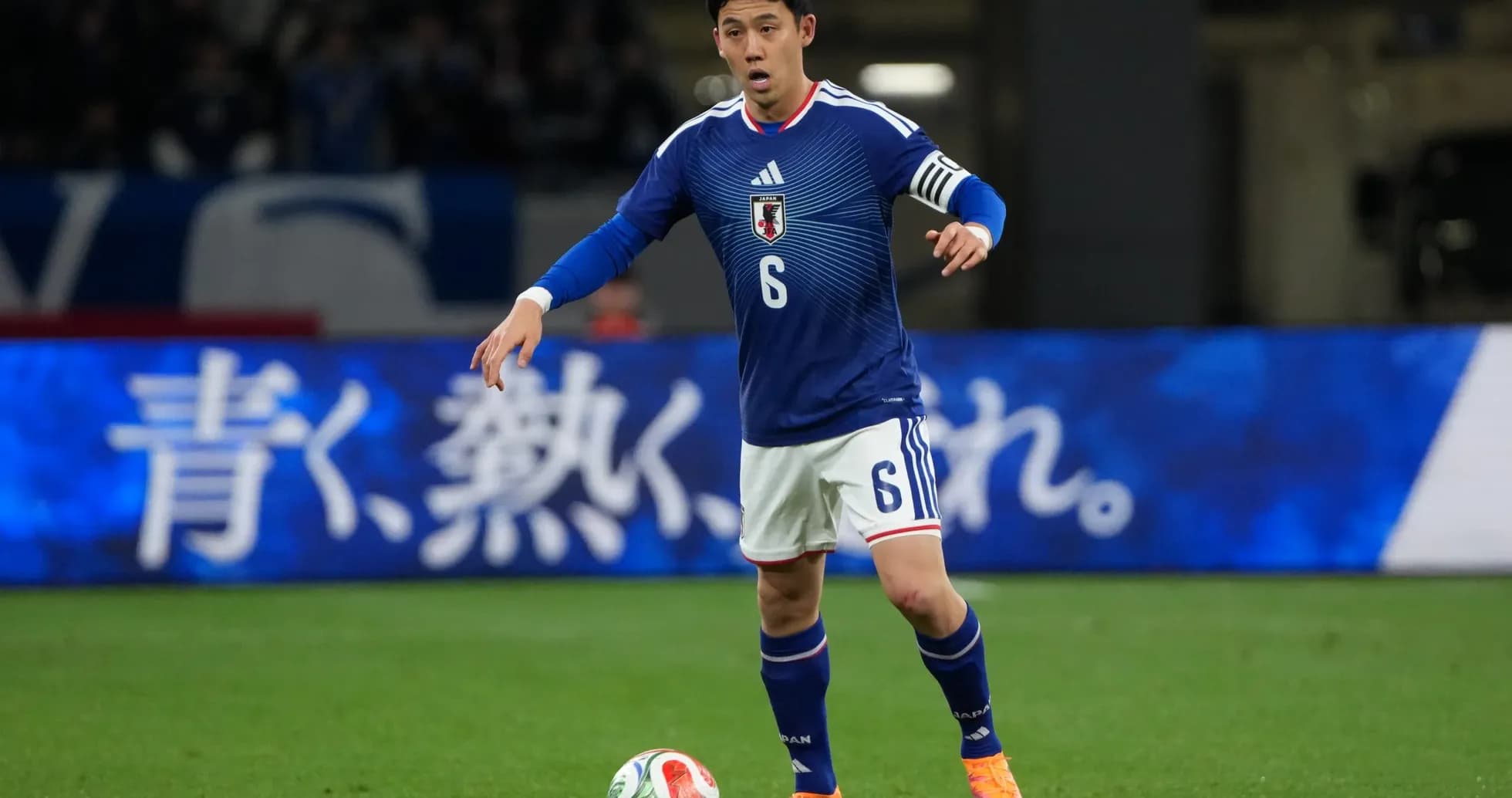
Under the vast roof of AT&T Stadium in Dallas, the World Cup returns to the United States with a heavyweight clash on 14 June 2026 as Netherlands face Japan in Group F, a meeting that already feels like a pivot point in the race for the playoffs. For Netherlands, this opener is about asserting control over the group from day one; for Japan, it is a chance to disrupt the hierarchy and turn a balanced table into an uphill climb for one of world football’s traditional powers.
Season Context
For Netherlands, the standings are a blank canvas: they arrive in Group F with 0 games played, 0 goals scored, 0 conceded and 0 points, but already sit ranked 1 in the group with a “Playoffs” description attached. That status underlines the expectation that Netherlands should be one of the two teams to progress, yet the lack of competitive minutes in this World Cup year (0 played, 0 goals for, 0 against) also means every early slip could quickly turn that presumed authority into pressure.
Japan enter the tournament in a similar numerical position but a slightly different psychological one: ranked 2 in Group F with 0 games played, 0 goals scored, 0 conceded and 0 points, they are also tagged with the “Playoffs” description. The table tells us nothing yet about their performance (0 played, 0 goals for, 0 against), but their placement just behind Netherlands hints at a group narrative where Japan are seen as the primary challenger to the European favourites for top spot.
Form & Momentum
Both teams step into Dallas without any recorded form string in the standings (form is null for Netherlands and Japan), which makes this opener feel like a genuine reset rather than a continuation of an existing trend. With no goals scored or conceded in the current World Cup standings sample (0 goals for, 0 against, 0 played for each), there is no statistical evidence of either a free-scoring attack or a fragile defence, only the knowledge that momentum must be built from the first whistle rather than carried over from prior group matches.
Head-to-Head Patterns
The most recent competitive World Cup meeting between these sides tilts the historical narrative slightly towards Netherlands. On 19 June 2010, Netherlands beat Japan 1-0 in the World Cup (season 2010, June 2010) at Moses Mabhida Stadium in Durban, a tight contest that still ended with the European side finding the decisive moment. That single confirmed result, a 1-0 scoreline in favour of Netherlands (World Cup, season 2010, June 2010), frames this new encounter as a chance for Netherlands to reaffirm their edge and for Japan to rewrite the story on neutral soil in Dallas.
Tactical Preview
With no competitive World Cup fixtures yet in the statistical record for 2026 (0 games played, 0 goals for, 0 against for both sides), tactical expectations must be drawn from squad profiles rather than tournament numbers. Netherlands bring a squad built around defensive authority and ball-playing quality at the back, with V. van Dijk, N. Aké, D. Dumfries, J. Timber, J. Hato, J. van Hecke and M. van de Ven offering a deep pool of defenders. That depth suggests a structure that can comfortably switch between a back three and a back four, with D. Dumfries well suited to operating as an advanced right-sided defender and N. Aké or M. van de Ven capable of covering wide or central zones.
In midfield, Netherlands have a blend of control and vertical running through F. de Jong, T. Koopmeiners, T. Reijnders, R. Gravenberch, M. de Roon, G. Til and Q. Timber. F. de Jong’s presence points towards a possession-based approach, using his ability to dictate tempo, while T. Koopmeiners and T. Reijnders can provide forward thrust from deeper positions. The lack of goals in the standings sample (0 goals for, 0 against, 0 played) does not yet confirm attacking efficiency, but the presence of creators in midfield suggests Netherlands will look to dominate territory and ball circulation.
Up front, Netherlands can vary their attacking reference point. M. Depay, C. Gakpo, N. Lang, D. Malen, B. Brobbey, C. Summerville, J. Kluivert and W. Weghorst give them options for both a mobile front line and a more direct, target-focused approach. W. Weghorst offers a classic penalty-box presence, while C. Gakpo and N. Lang bring dribbling and movement between the lines. With no goals recorded yet in this World Cup sample (0 goals for), the tactical onus will be on this attacking unit to translate structural superiority into tangible output.
Japan’s squad hints at a different style: compact organisation at the back, energetic midfield work, and quick transitions in attack. Defensively, T. Tomiyasu, K. Itakura, H. Ito, Y. Sugawara, S. Taniguchi, T. Watanabe, A. Seko, Y. Nagatomo and J. Suzuki provide a mix of experience and mobility. The depth of defensive options suggests Japan can field a back four with strong coverage across the line, aiming to keep the goals conceded column at zero as long as possible (0 goals against, 0 played in the standings so far).
In midfield, W. Endo, R. Doan, D. Kamada, A. Tanaka, K. Sano, Keito Nakamura and Y. Suzuki offer technical quality and pressing energy. W. Endo profiles as a stabilising presence in front of the defence, while R. Doan and D. Kamada can operate between the lines to connect play. With the current World Cup standings showing no goals scored yet (0 goals for, 0 played), Japan’s ability to turn midfield possession into clear chances will be a key unknown in Dallas.
The attack is built for speed and direct threat: J. Ito, T. Kubo, D. Maeda, K. Goto, Koki Ogawa and A. Ueda give Japan multiple options for stretching the pitch and attacking space behind the defence. J. Ito and T. Kubo, listed as attackers, bring creativity from wide or half-space positions, while D. Maeda and A. Ueda can lead the line. The tactical battle is likely to hinge on whether this Japanese front line can exploit transitions against a Netherlands side that may commit numbers forward in search of control.
Statistical Snapshot
- Competition: World Cup, season 2026 — 14 June 2026.
- Venue: AT&T Stadium, Dallas.
- Prediction: Win or draw — Double chance : Netherlands or draw.
- Win Probabilities: Home 50% / Draw 50% / Away 0%.
- Model: Netherlands 0% — Japan 0%.
Betting Verdict
The prediction model leans towards Netherlands avoiding defeat, with advice set on “Double chance : Netherlands or draw” and win probabilities giving Japan no explicit edge (Away 0%). With both teams starting from a clean statistical slate in the standings (0 games played, 0 goals for, 0 against each) and the only confirmed World Cup head-to-head showing a 1-0 Netherlands win (World Cup, season 2010, June 2010), the European side’s historical edge supports that cautious backing. Match-winner odds cluster around 2.00 for the Netherlands home designation, roughly 3.40–3.60 for the draw and roughly 3.55–3.90 for Japan, suggesting the market also expects Netherlands to be stronger but not overwhelmingly so. In this context, the double-chance angle on Netherlands or draw looks a pragmatic play, acknowledging their perceived superiority while respecting Japan’s capacity to keep the game tight.
Related News

Brazil's First Post-World Cup Friendly: What Should the Lineup Be?
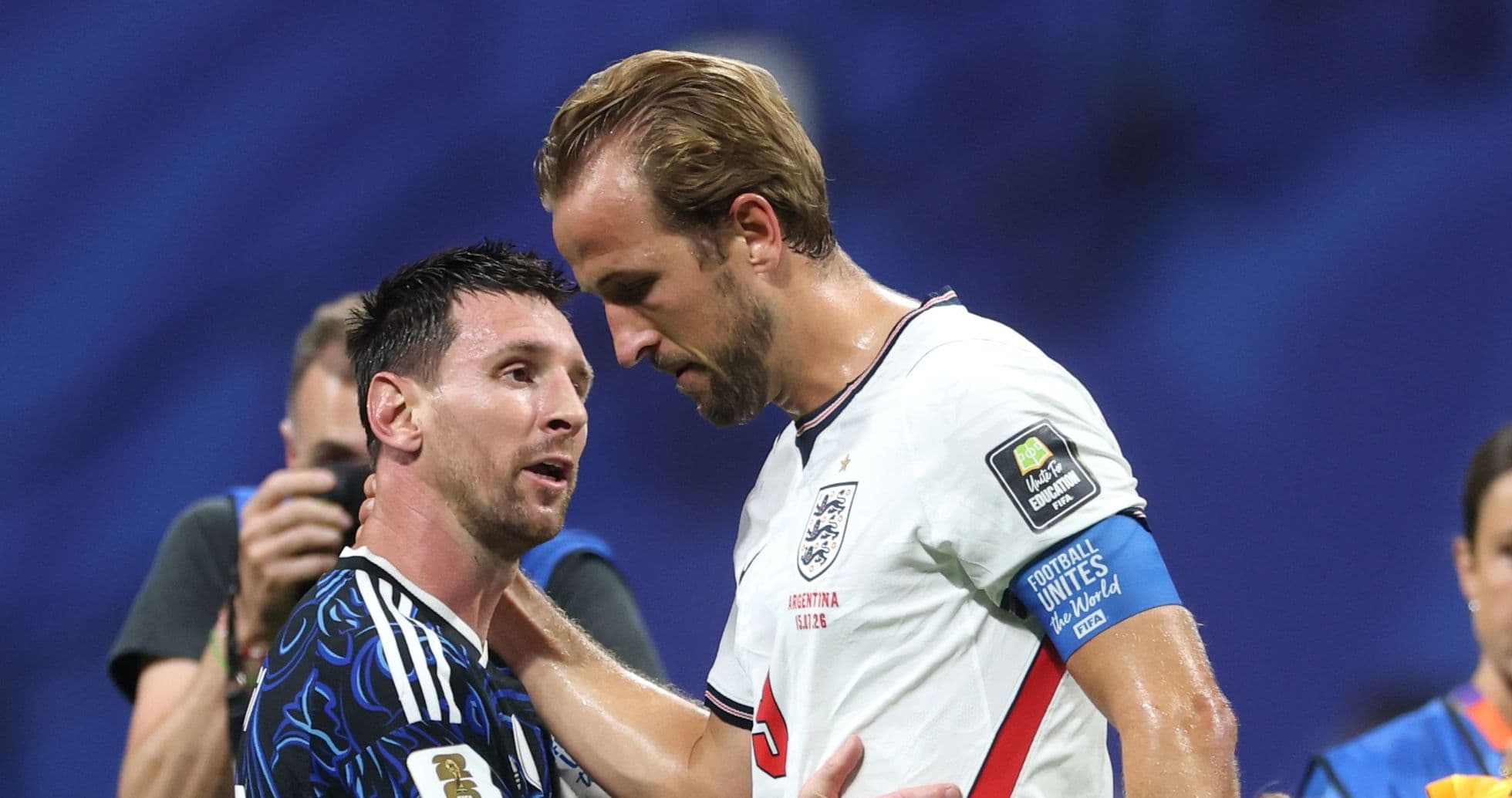
Harry Kane Calls England’s World Cup Exit to Argentina His Deepest International Pain
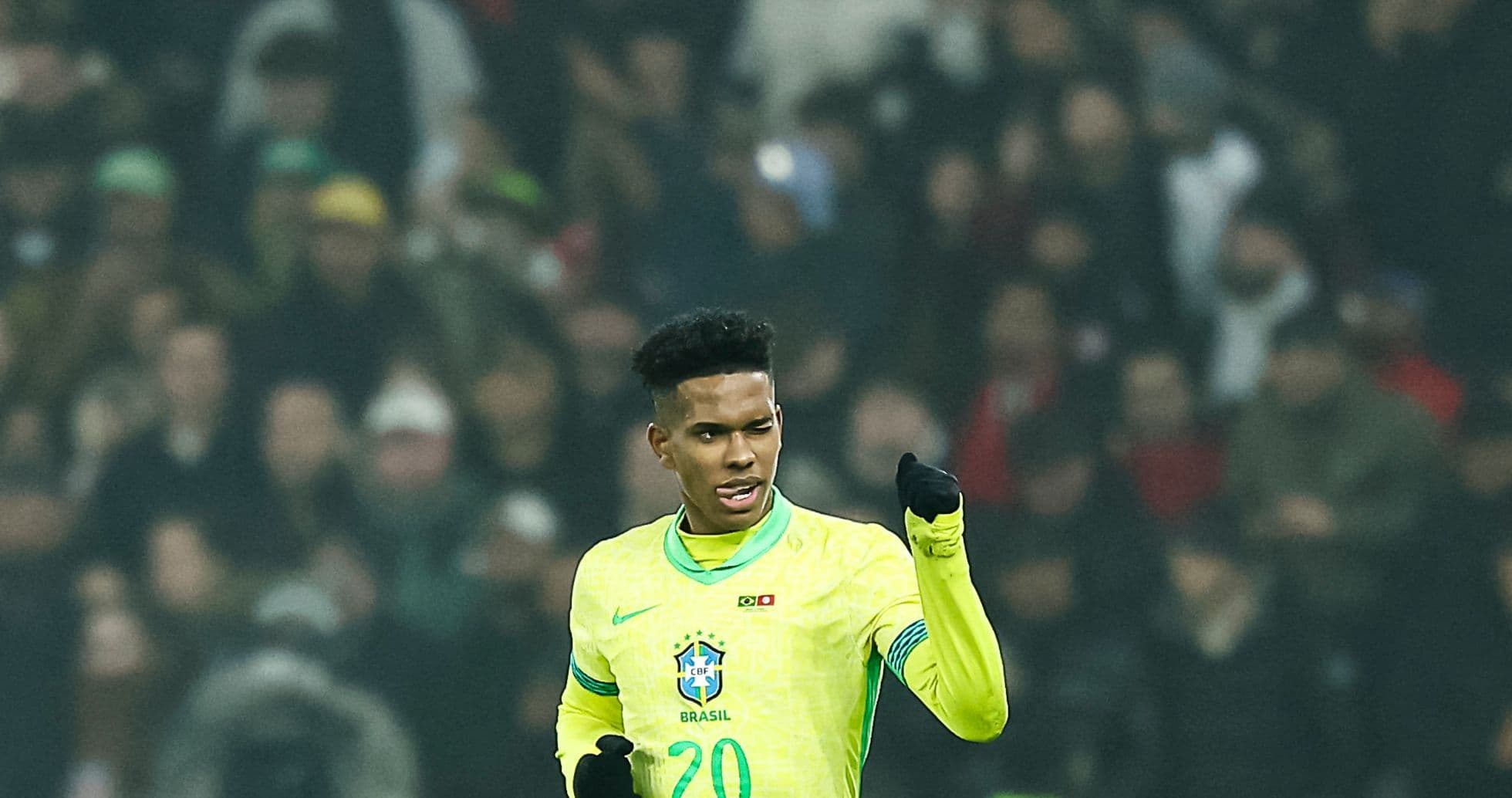
Estevao Opens Up on World Cup Heartbreak and His Unexpected Return to Brazil Under Ancelotti

Thomas Tuchel Shares Unusual Regret After England's 10-Man World Cup Victory Over Mexico

South Korea Names Robert Moreno as Interim Coach After World Cup Exit

Jude Bellingham Returns to Form at Real Madrid Following World Cup Success