
Netherlands vs Japan World Cup 2026 Preview

Netherlands and Japan open their World Cup 2026 campaigns at AT&T Stadium in Dallas in a Group F clash that the market and model both shade towards the European side. Standings are blank so far (0 points, 0 goals for and against each), so this is a pure curtain-raiser where qualification momentum and early control of the group are at stake rather than any existing table context.
With no competitive fixtures played in 2026 for either side in this dataset, the form comparison is neutral: both teams show 0 matches played, 0 wins, 0 draws, 0 losses, and no goals scored or conceded. The model’s internal comparison confirms parity on recent output: 0% for form, attack, and defence for both Netherlands and Japan. That means the prediction engine is not leaning on current tournament numbers but on structural strength, squad quality proxies, and historical World Cup performance patterns.
Despite the absence of recent statistical separation, the prediction model clearly leans to Netherlands in terms of result safety rather than outright dominance. The official prediction flags Netherlands as the “winner” with the explicit comment “Win or draw” and sets winOrDraw to true. The associated probabilities are highly instructive: 50% home, 50% draw, and 0% away. In other words, the model is effectively ruling out a Japan win in regulation time and sees the game as split evenly between a Dutch victory and a stalemate. There is no over/under goals recommendation and no projected goal counts for either side, reinforcing that the strongest signal is about match outcome, not total goals.
Head-to-Head Data
Head-to-head data adds one more piece to the puzzle, and here it is very specific and limited. The only recorded competitive meeting in the dataset is:
- 2010-06-19 | World Cup, Group Stage - 2 | Moses Mabhida Stadium, Durban | Netherlands 1–0 Japan | Winner: Netherlands.
This was a World Cup group match, finished in regular time, with Netherlands as the designated home team and Japan as away, mirroring the current fixture roles. The prediction engine’s h2h comparison assigns 100% to Netherlands and 0% to Japan, and the goals comparison also sits at 100% vs 0%, both fully consistent with that single 1–0 result. There are no other competitive h2h matches in the JSON, and no club friendlies to filter out, so this one game is the entire historical reference point.
Betting Markets
Turning to the betting markets, odds across major bookmakers are tightly clustered but show a clear pattern. Home (Netherlands) is generally priced between 1.95 and 2.08, with Pinnacle at 2.04, SBO at 2.05, and Unibet stretching to 2.08. Draw ranges roughly from 3.30 (Unibet) to 3.66 (1xBet), while Japan (Away) is consistently the outsider, mostly between 3.55 and 3.91, with Marathonbet at 3.85 and 1xBet highest at 3.91. Converting roughly, the market is implying something like low-40s percent for a Netherlands win, high-20s for the draw, and mid-20s for a Japan win, which is notably more generous to Japan than the model’s 0% away probability.
The key betting takeaway is that the official advice aligns strongly with a conservative, probability-weighted position: “Double chance : Netherlands or draw”. This directly matches the model’s 50% home / 50% draw / 0% away split and is further supported by the historical h2h result in World Cup play, where Netherlands won 1–0. Given that bookmakers still price some chance of a Japan victory, the model sees value in simply opposing the away win rather than forcing a call on whether Netherlands will turn their edge into three points.
From a staking and risk perspective, the most data-aligned angle is to follow the model’s recommended market and structure your bet around avoiding a Japan success. The suggested outcome, strictly based on the official prediction and current odds landscape, is:
Betting verdict: back Netherlands or Draw (Double Chance), expecting Netherlands to be the more likely side to take something from this group opener while acknowledging a significant probability of a cagey draw.
Related News

Brazil's First Post-World Cup Friendly: What Should the Lineup Be?
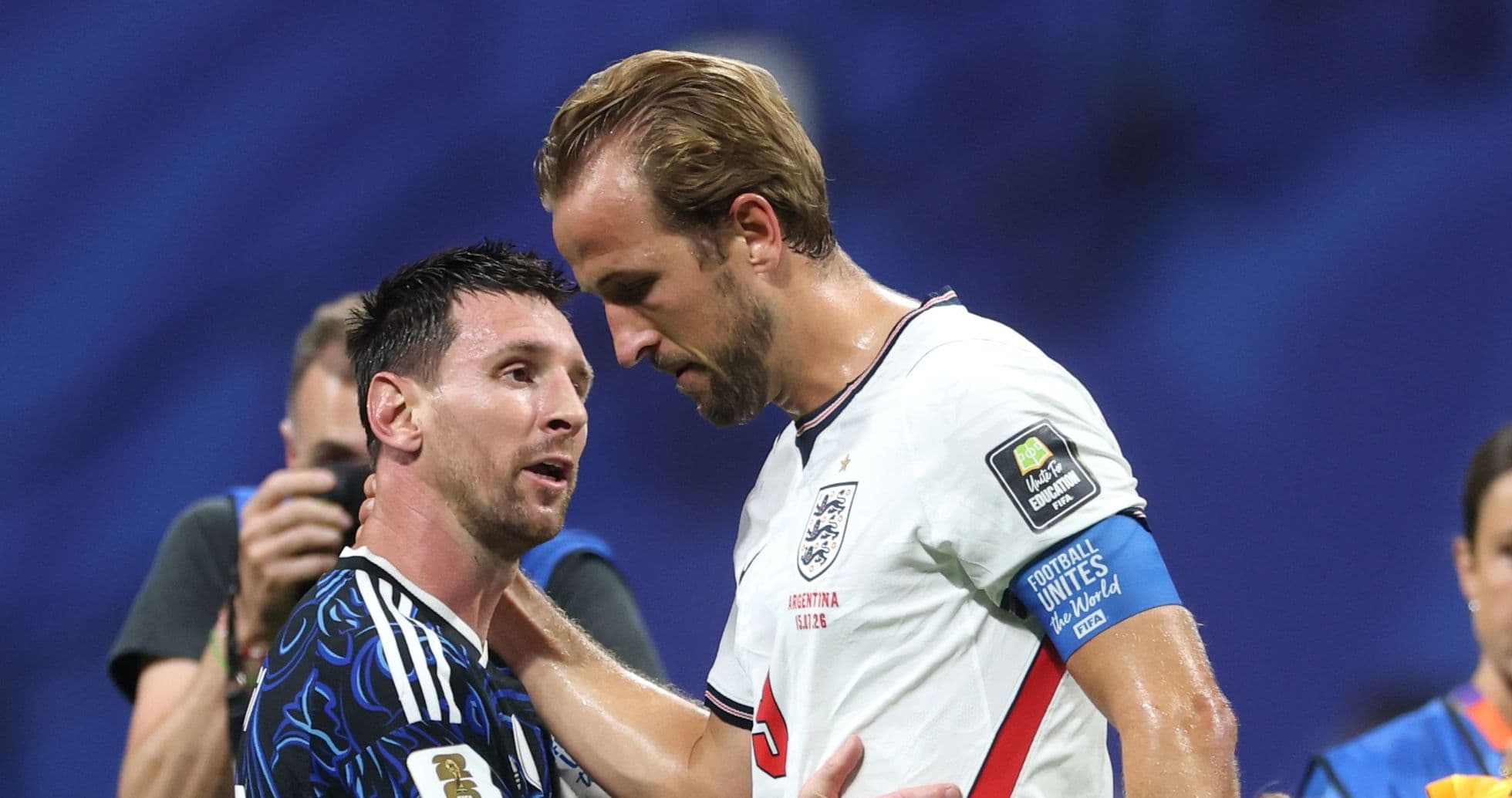
Harry Kane Calls England’s World Cup Exit to Argentina His Deepest International Pain
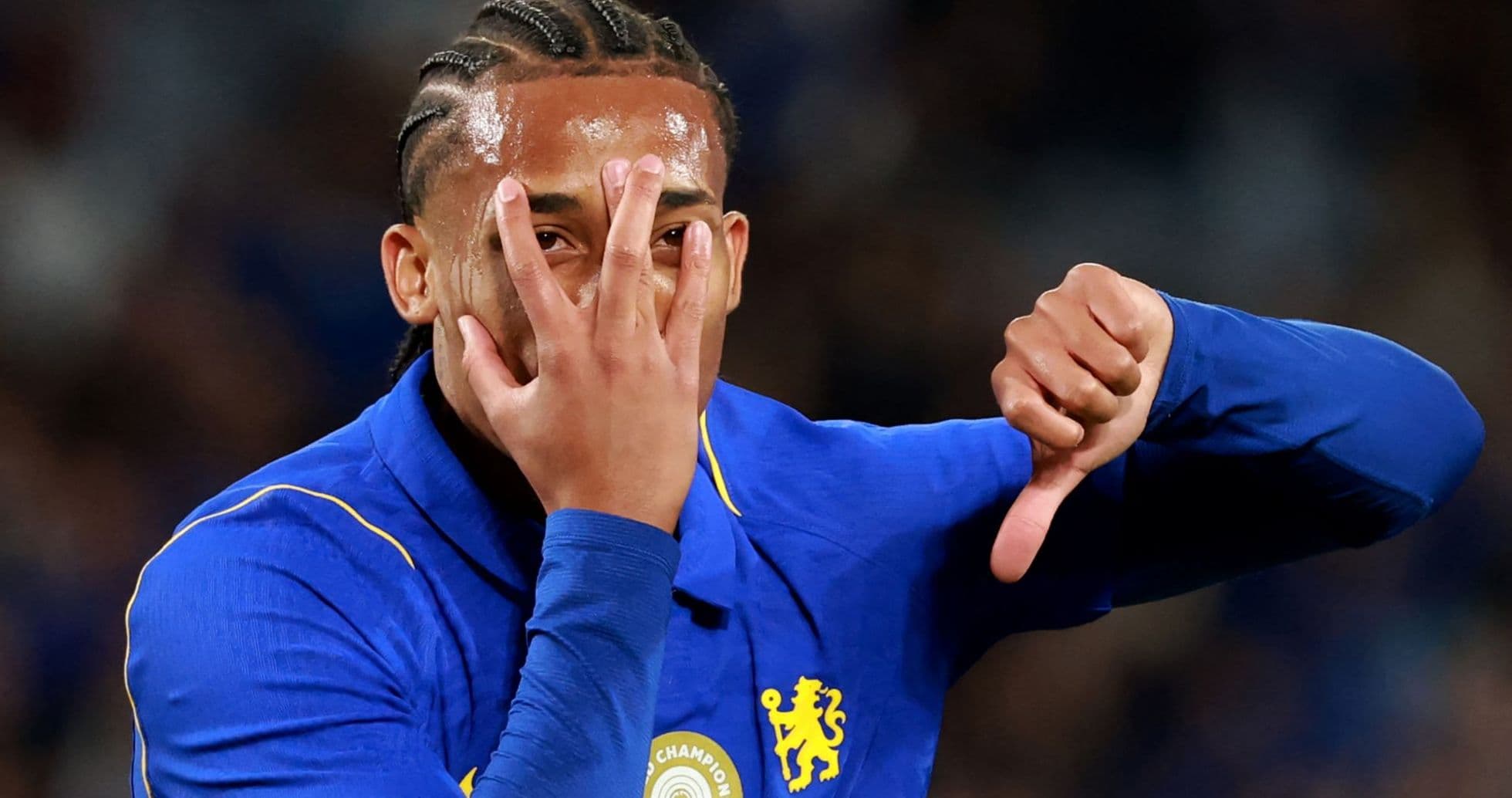
Carlton Cole Predicts Joao Pedro’s Goal Tally as Chelsea’s Leading Striker
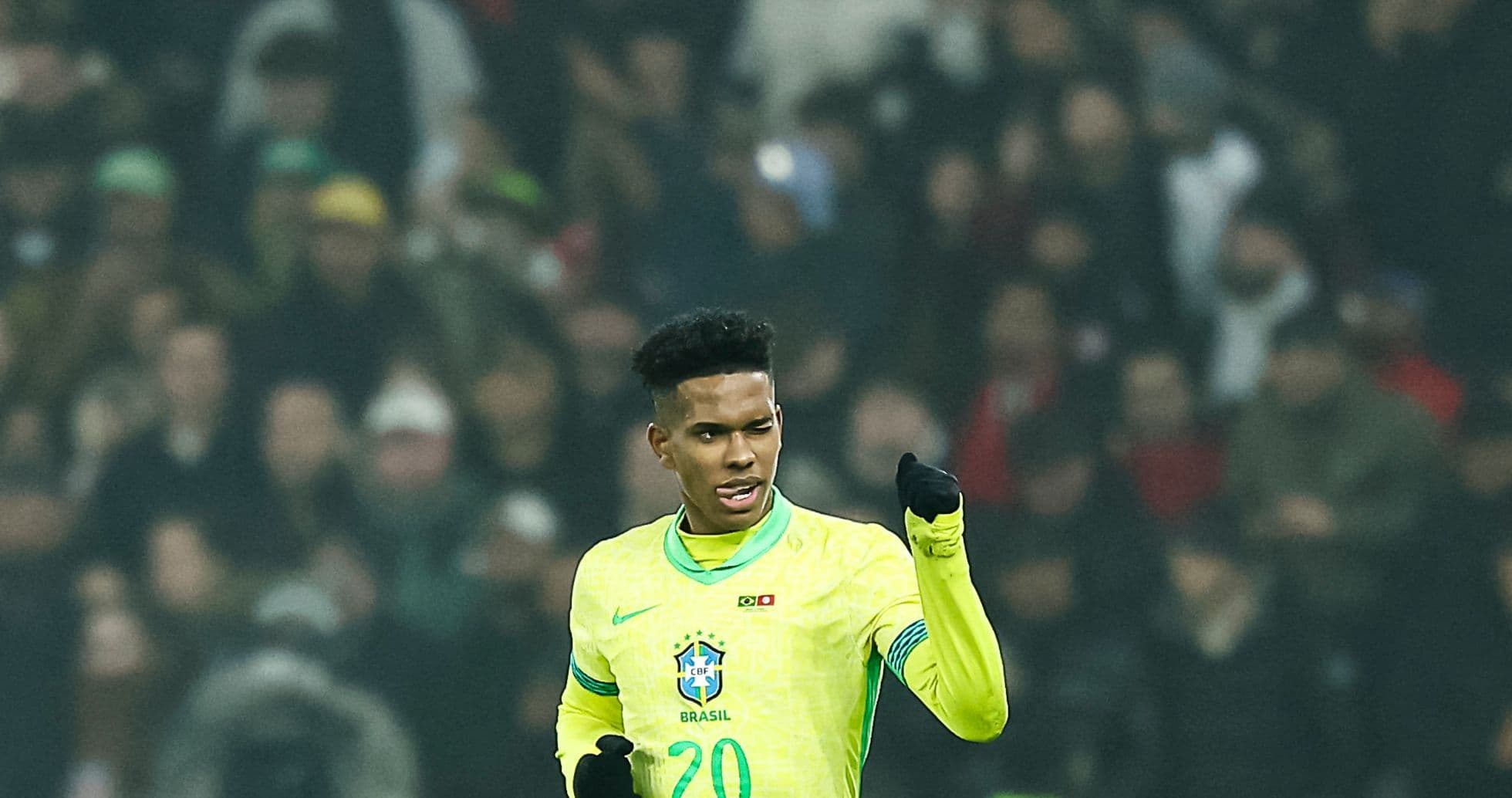
Estevao Opens Up on World Cup Heartbreak and His Unexpected Return to Brazil Under Ancelotti

Real Betis vs Getafe Preview, Prediction & Betting Tips – September 17, 2026

Juventus vs NEC Nijmegen Preview, Prediction & Betting Tips – 17/09/2026