
Ousmane Dembélé Shines with Hat-Trick in France's 4-1 Victory
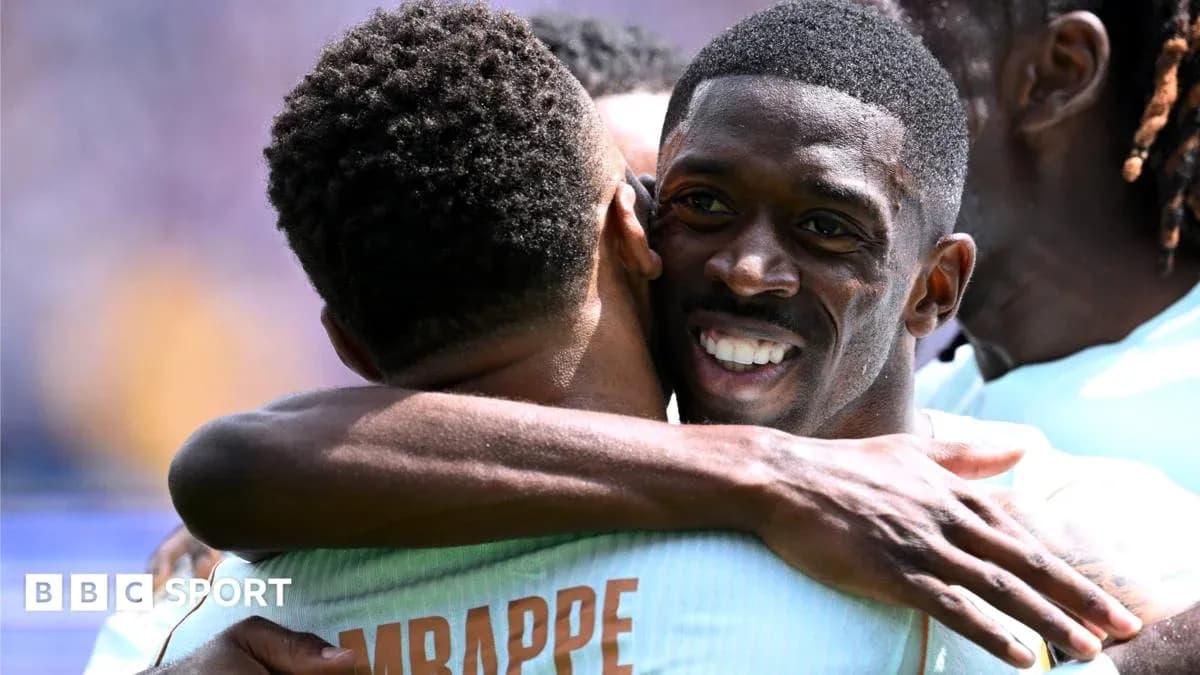
Ousmane Dembélé walked into a night built for Kylian Mbappé and Erling Haaland – and stole it in half an hour.
France’s 4-1 win over a heavily rotated Norway in Boston secured top spot in Group I at the 2026 World Cup, but the scoreline barely scratches the surface. This was Dembélé’s World Cup coming-out party, eight years late and 32 minutes long.
A star steps into the void
All the pre-match noise circled around two names. Mbappé. Haaland. The headline duel never materialised. Ståle Solbakken ripped up that script with his teamsheet, making 10 changes from Norway’s previous game and resting his Manchester City phenomenon.
Into that vacuum stepped Dembélé.
The France winger produced the second-fastest hat-trick from the start of a men’s World Cup match, his treble arriving inside 32 minutes and dripping with quality. Not since Oleg Salenko in 1994 had anyone scored three times in the first half of a World Cup game. You had to go back even further, to Erich Probst’s 24-minute blast for Austria in 1954, to find a quicker treble from kick-off.
For a player long defined by injuries, inconsistency and frustration, this was something else entirely.
France, led on the night by assistant coach Guy Stéphan with Didier Deschamps back home after the death of his mother, came out snarling. They pressed high, hunted in packs, and Norway’s second string never settled.
The breakthrough took seven minutes. France won the ball in Norway’s half, Mbappé drifted infield and slipped a pass wide right. Dembélé isolated his defender, squared him up, then thrashed a right-footed drive past Egil Selvik at the near post. No hesitation, no second touch. Just conviction.
A hat-trick of pure quality
Once he had the taste, he did not let go.
On 20 minutes, France sprang from deep with a blistering counter. Dembélé again picked it up on the right, cut inside onto that vicious left foot and bent a gorgeous, curling shot into the far corner. Selvik dived. He never got near it.
Norway’s response was instant, and damning for France’s back line. Straight from the restart, the French defence switched off, allowing a simple move to slice through them. Thelo Aasgaard, sharp and unmarked, swept the ball past a wrong-footed Mike Maignan. From nowhere, it was 2-1 and the stadium flickered with the idea of a contest.
Dembélé extinguished it.
His third arrived with Norway’s defenders frozen, as if they knew what was coming and still couldn’t stop it. Again he moved infield onto his left, four white shirts circling but never engaging, and again he curled the ball beyond Selvik. Same corner, same ruthlessness, same result.
The goal carried a layer of artistry beyond the finish. There were 17 passes in the build-up, every one of France’s 11 players touching the ball. It was the longest passing sequence ever recorded for a France goal at a World Cup. At the end of it, Dembélé stood alone, arms outstretched, a player who has spent years in Mbappé’s shadow suddenly at the centre of everything.
It was the first time he had ever scored more than once for his country. He chose a World Cup, and a night like this, to do it.
Playing through the criticism
Stéphan did not hide the context afterwards. Dembélé has been under fire back home.
“Ousmane is a human being, just like anyone he can hear the criticism,” the assistant coach said. “He has unfortunately had injury issues but every time he comes back harder and harder. Three goals in a World Cup game is exceptional.”
The performance suggested those words were not empty praise. This was not a winger living off chaos and raw pace. This was a complete, decisive display: timing of runs, precision of finishing, intelligence in transition.
And crucially, it came on a night when Mbappé did not dominate.
The Ballon d’Or winner almost ripped up the script inside 21 seconds, smashing a shot off the underside of the crossbar with his first involvement. After that, he drifted to the margins. By half-time, he had recorded the fewest touches of any French outfield player.
It echoed the 2022 quarter-final against England, when Gareth Southgate’s side largely contained Mbappé but Antoine Griezmann took control of the game. In Boston, Dembélé was the ringmaster, running the show until he left the stage on 65 minutes to a roar.
France cruise, Norway gamble
Once Dembélé departed, the tempo sagged. The damage was done. France moved the ball, managed the game, and kept enough control to avoid serious alarm.
Norway’s selection had already told its own story. They needed a win to leapfrog France and take top spot, but Solbakken’s 10 changes signalled a different priority: energy saved for the knockouts, second place accepted.
Even then, they had a chance to turn the evening on its head early in the second half. Jørgen Strand Larsen, Haaland’s stand-in, stepped up to the penalty spot with the opportunity to drag Norway back into it. Maignan read him, saved low, and entered French World Cup history.
He became the first France goalkeeper to save a World Cup penalty in normal time since Joël Bats in 1986, excluding shootouts. Another small marker for a side many see as favourites to claim a third world title.
Norway will expect Haaland back, fully charged, when the last-16 begins. He sits on four goals, level with Mbappé, and his absence here only heightens the sense of what might come next. The gamble is simple: sacrifice a shot at top spot now, unleash a rested superstar later.
Les Bleus move through the gears
France, meanwhile, quietly ticked off a milestone. Three wins from three in the group stage for the first time since 1998, the year they hosted – and lifted – the World Cup.
Dembélé, who played a supporting role to Mbappé in the opening two matches, dragged them there this time. Four goals in the tournament now, and suddenly part of the Golden Boot conversation.
Yet Stéphan resisted any temptation to declare a new era.
“This team is totally different to 2022,” he said. “More than half the squad had never played a World Cup. We can only see as the World Cup goes on, then up our level as we play strong teams. There is the offensive and defensive side, we need to have that balance, and for that we need to wait.”
He is right to be cautious. France’s defending for Aasgaard’s goal was slack. There were lulls in concentration. But the spine looks strong, the depth obvious, the ceiling high.
Deep into stoppage time, another Paris Saint-Germain talent added a flourish. Desire Doué rose to meet a cross and sent a looping header over Selvik for 4-1. A soft, elegant finish on a hard, ruthless night.
By then, Dembélé was already wrapped in a tracksuit on the bench, his work long since done. A hat-trick in 32 minutes, a record-breaking team goal, and a reminder that in a World Cup obsessed with its superstars, there is always room for one more name on the marquee.
France march on as group winners. The question now is simple: was this just Dembélé’s night, or the start of his tournament?
Related News
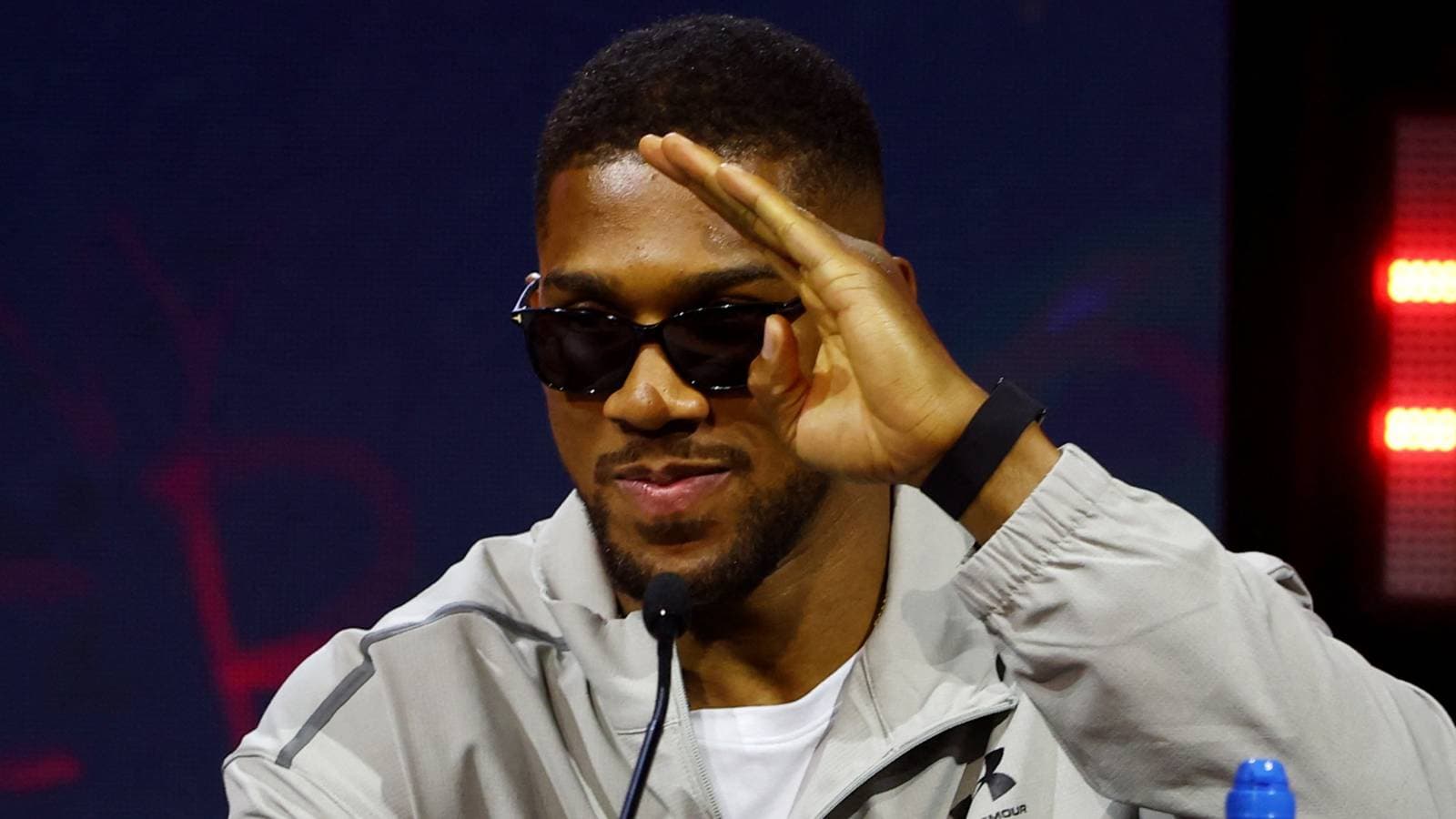
Anthony Joshua Names Murat Gassiev as Next Opponent if He Defeats Tyson Fury

UFC 332: Start Time and Fight Highlights for Natalia Silva vs. Wang Cong
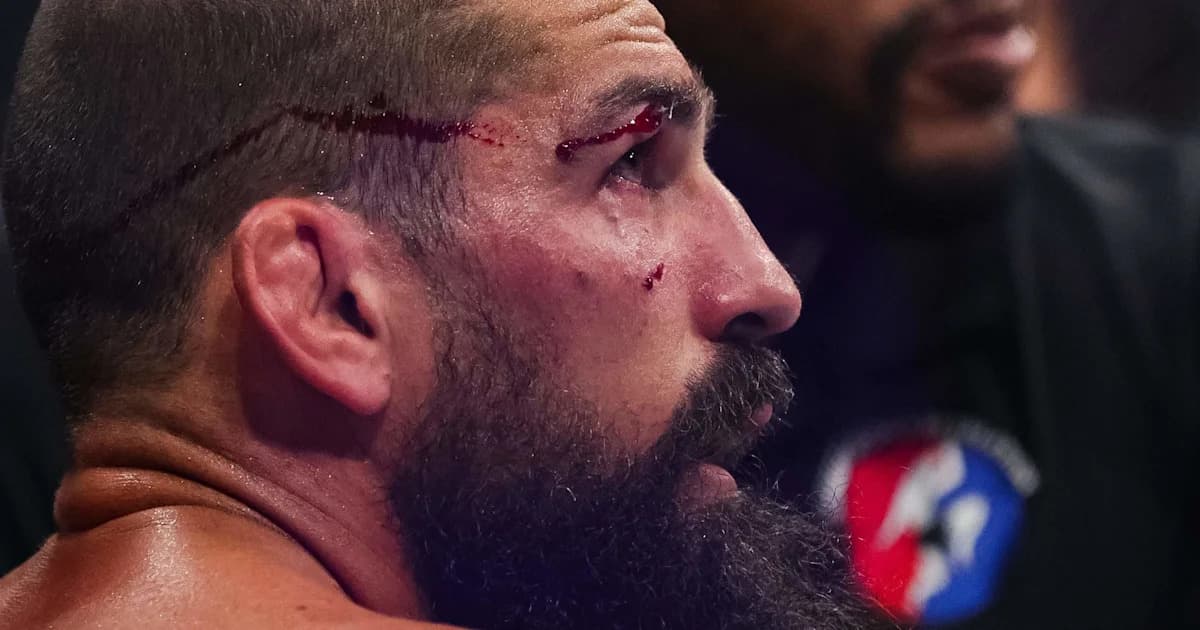
Court McGee Opens Up About Choosing UFC 332 as His Final MMA Fight
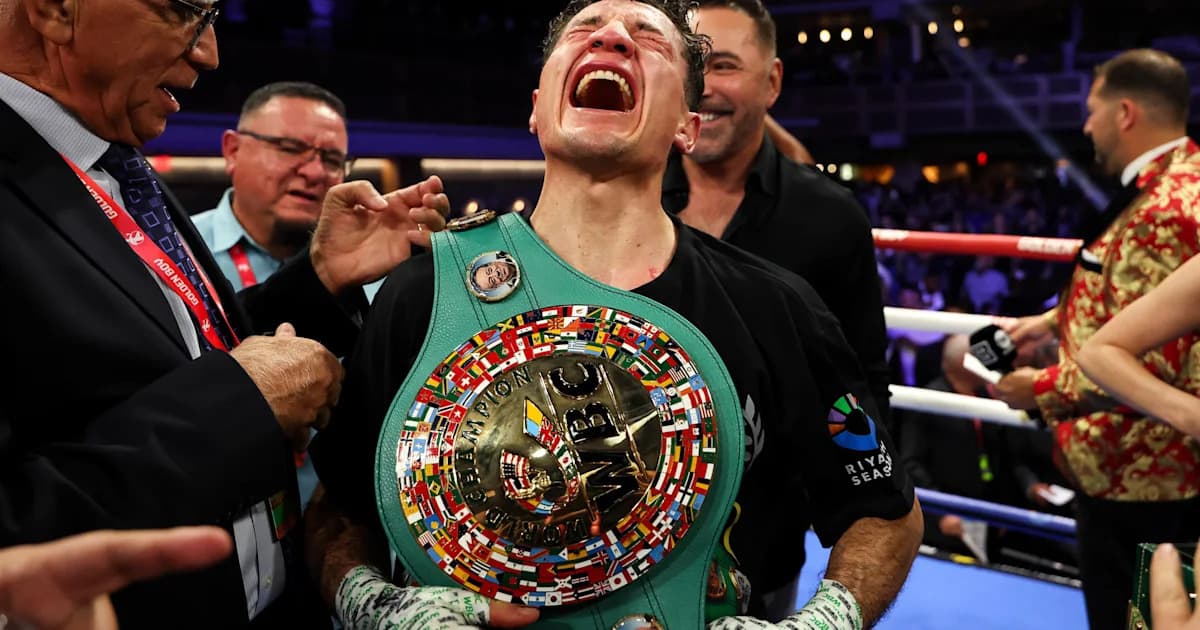
WBC Orders Lightweight Title Unification: William Zepeda vs Jadier Herrera
BCCI Pension List: Monthly Payments to Retired Indian Cricketers in 2025
Why Fury vs Joshua Is Set for Cardiff, and Dua Lipa’s Unexpected Role