
Pochettino's Edge: U.S. Soccer's Identity Ahead of Australia Clash
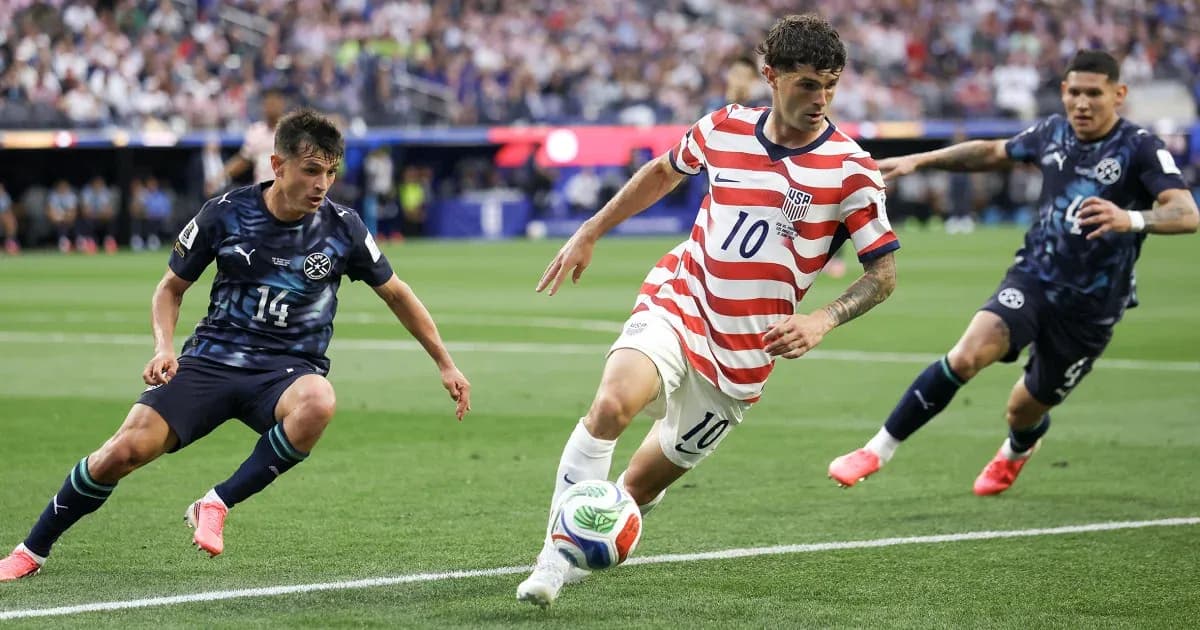
The best World Cup performance in nearly a century. A 4-1 opening win that rattled the record books. And yet, as the United States heads into its second group-stage test against Australia on Friday, the soundtrack inside the camp is not self-congratulation.
It’s Mauricio Pochettino, back in that locker room seven months ago, raising his voice at halftime of a bruising friendly against the same opponent.
Pochettino’s Edge, America’s Identity
That night last fall didn’t count in any standings, but it counted for something else. Australia came flying into tackles, pressing high, testing the U.S. physically from the first whistle. At the break, with the score 1-1, Pochettino stormed in.
“They come and they fight,” he told his players in a video later released by the team. “When are we going to fix that?”
Sebastian Berhalter still hears it.
“I think one is that we’re American, we don’t take s---,” the midfielder said this week, framing the message that has become part of the squad’s DNA. Pochettino, the Argentinian in charge of the U.S. project, has hammered that mentality home.
“Look, this is what we do, and this is who we are, and this is what America is about,” is how Berhalter summarized the coach’s mantra. That edge, he added, is something Pochettino “really drills into us.”
The response back in the fall was immediate: the U.S. dug in, matched the challenge, and found a 2-1 winner. Now the stakes are real, the stage is global, and the opponent is the same.
From Paraguay Statement to Australian Street Fight
Seven months later, the context could hardly be more different. The United States is coming off a ruthless 4-1 dismantling of Paraguay, a result that tied the largest World Cup margin of victory in the nation’s history.
Folarin Balogun delivered the kind of performance U.S. fans have waited generations to see from a center forward, scoring twice and becoming the first American to hit multiple goals in a World Cup match since 1930. The attack flowed, the press bit, and the scoreboard reflected a team playing with conviction.
Pochettino’s postgame message, according to striker Haji Wright, was simple: he was “proud.”
But pride doesn’t advance you on its own. Not in a group where both the U.S. and Australia opened with wins — the Socceroos beating Turkey 2-0 — and where Friday’s victor will lock up a place in the knockout round.
Inside the U.S. camp, no one is pretending this is a continuation of the Paraguay match. It’s a different kind of fight.
“There’s been moments throughout the process where things weren’t going amazing,” Tyler Adams said. “Now all of a sudden, some people consider [our play] amazing, whatever it is, but we’ve stayed completely humble in our approach to every single game and trusted the process of what we’re going through.”
That humility will be tested by an Australian side that rarely does subtle.
Respect for the Roos
The tape from Australia’s win over Turkey told a familiar story: a compact, disciplined team that thrives on denying space, then punishing mistakes when opponents overextend.
“They’re tough to break down, they’re dangerous on counterattacks, they have good players at the top of the pitch, and they were able to be effective and damage Turkey,” Wright said.
Then came the warning.
“I think Turkey kind of came into the game a bit overconfident, and I think we won’t make that same mistake.”
This is where Pochettino’s halftime rant from last year lingers. Australia will challenge every loose ball. They will lean into contact. They will test how much of that “we don’t take s---” identity the U.S. truly owns when the game gets ragged and the rhythm breaks.
The U.S. may have the more expansive football. Australia will happily drag the contest into a scrap if it means leveling the field.
Pulisic Question Hangs Over the Match
The only real blemish on the U.S. opener came not on the scoreboard, but on the touchline.
Christian Pulisic, who had carved Paraguay apart with his movement and passing in the first half and helped create the first two American goals, never truly loosened up again at halftime. He was substituted, with Pochettino later explaining that the forward had picked up a minor knock days earlier and then took another kick to his left leg during the match.
Since then, Pulisic has trained away from the main group, Tim Weah said. On the eve of the Australia clash, his status remained uncertain. Pochettino offered only a clipped “we’ll see” when asked if his star would be ready.
Weah didn’t bother hiding his concern.
“I’m just praying to God that he feels 100% fit,” he said.
Adams, the captain, chose a different tone.
“Christian will be ready, everyone, let’s relax,” he said. “He’ll be fine.”
Whether that’s optimism, leadership, or inside knowledge will become clear soon enough. With a place in the last 16 on the line, the presence — or absence — of the team’s most dangerous individual attacker changes the entire picture.
A Different Kind of Proving Ground
The Paraguay win showed what this U.S. side can look like when the game opens up: Balogun ruthless in the box, Pulisic and Weah stretching defenses, Adams and the midfield dictating tempo. It was a glimpse of a ceiling supporters have long imagined.
Australia will ask a different set of questions. Can this team win when the match turns into a series of duels? Can it maintain composure when space disappears and tackles fly? Can it back up its best World Cup performance in nearly a century with something even more meaningful — consistency?
Pochettino’s words from that friendly still hang in the air.
“They come and they fight. When are we going to fix that?”
Friday in the group stage, with a knockout place on the line, the answer will say a lot about what this American team really is — and how far it can actually go.
Related News
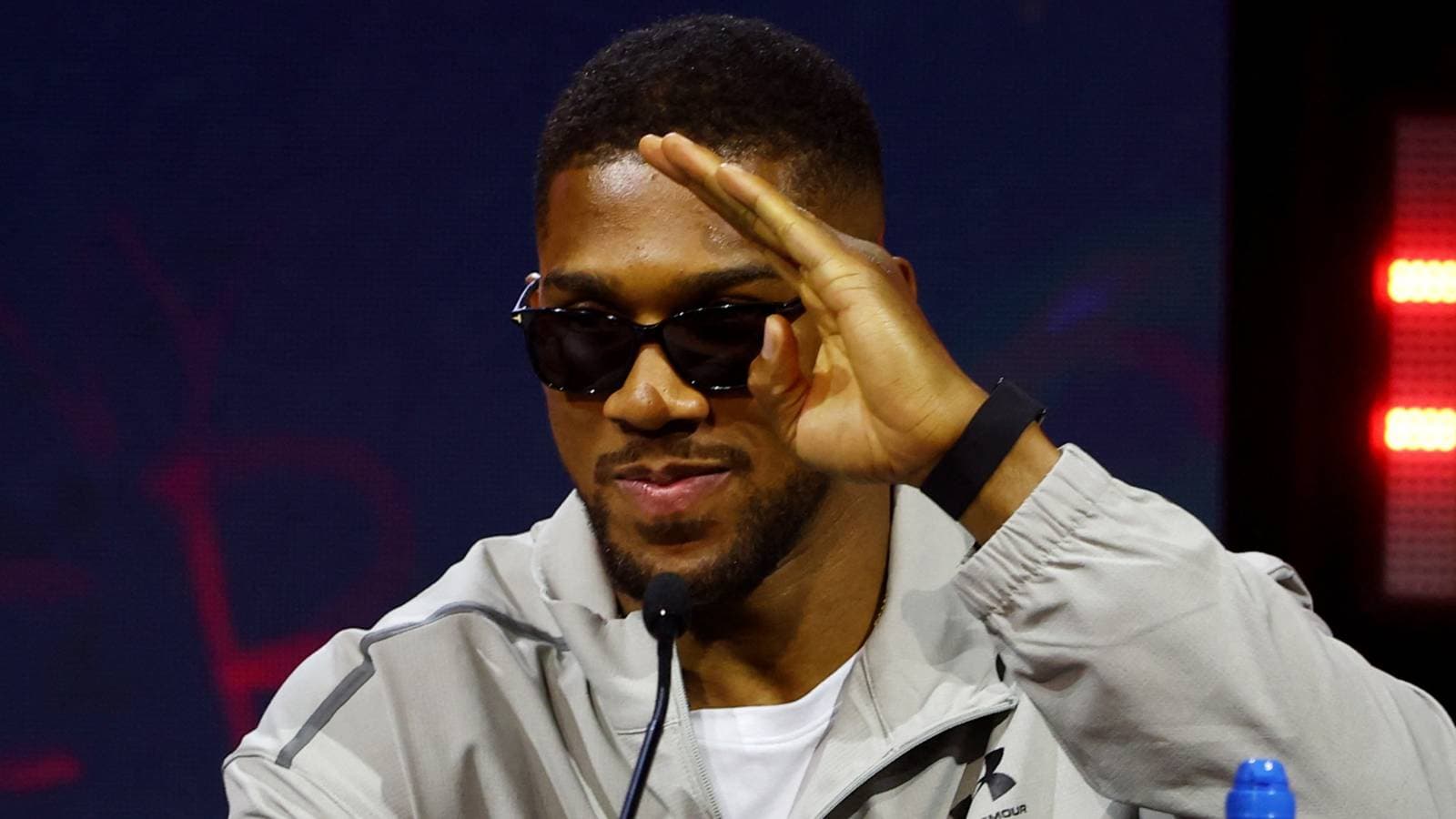
Anthony Joshua Names Murat Gassiev as Next Opponent if He Defeats Tyson Fury
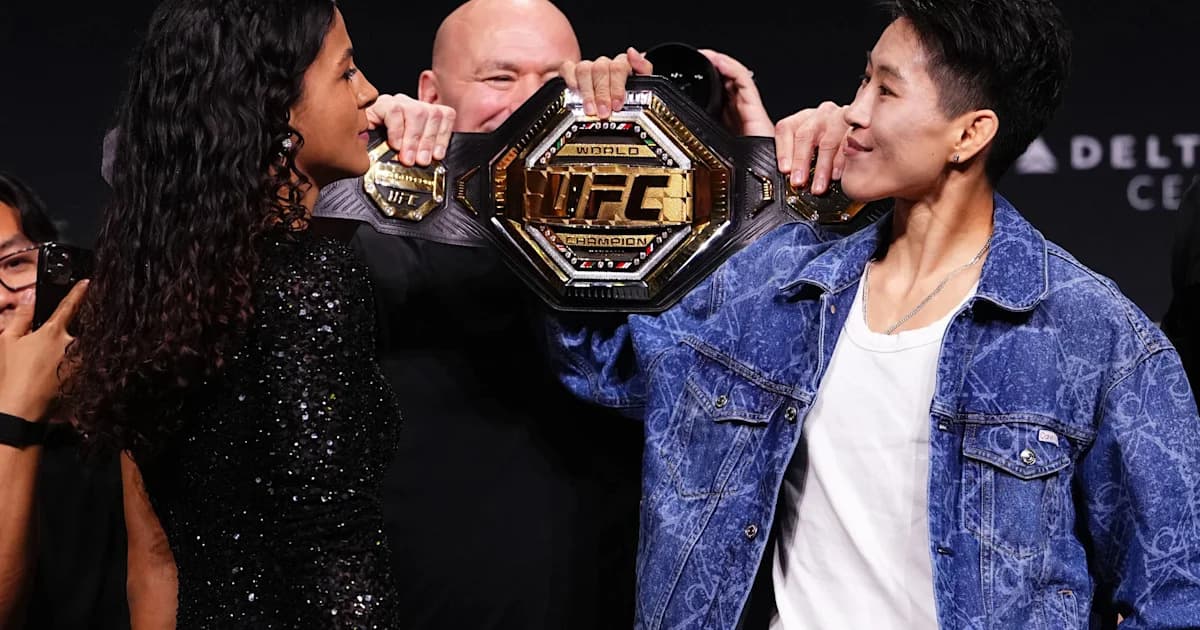
UFC 332: Start Time and Fight Highlights for Natalia Silva vs. Wang Cong
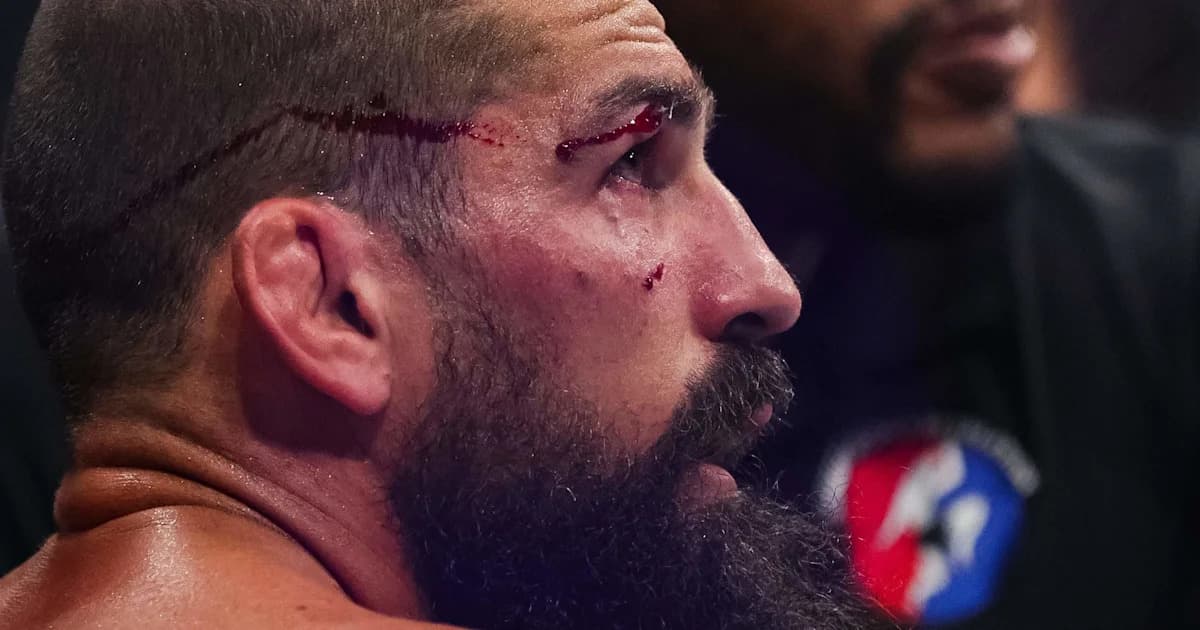
Court McGee Opens Up About Choosing UFC 332 as His Final MMA Fight
WBC Orders Lightweight Title Unification: William Zepeda vs Jadier Herrera
BCCI Pension List: Monthly Payments to Retired Indian Cricketers in 2025
Why Fury vs Joshua Is Set for Cardiff, and Dua Lipa’s Unexpected Role