
Portland Thorns vs Washington Spirit: Tactical Analysis of NWSL Clash
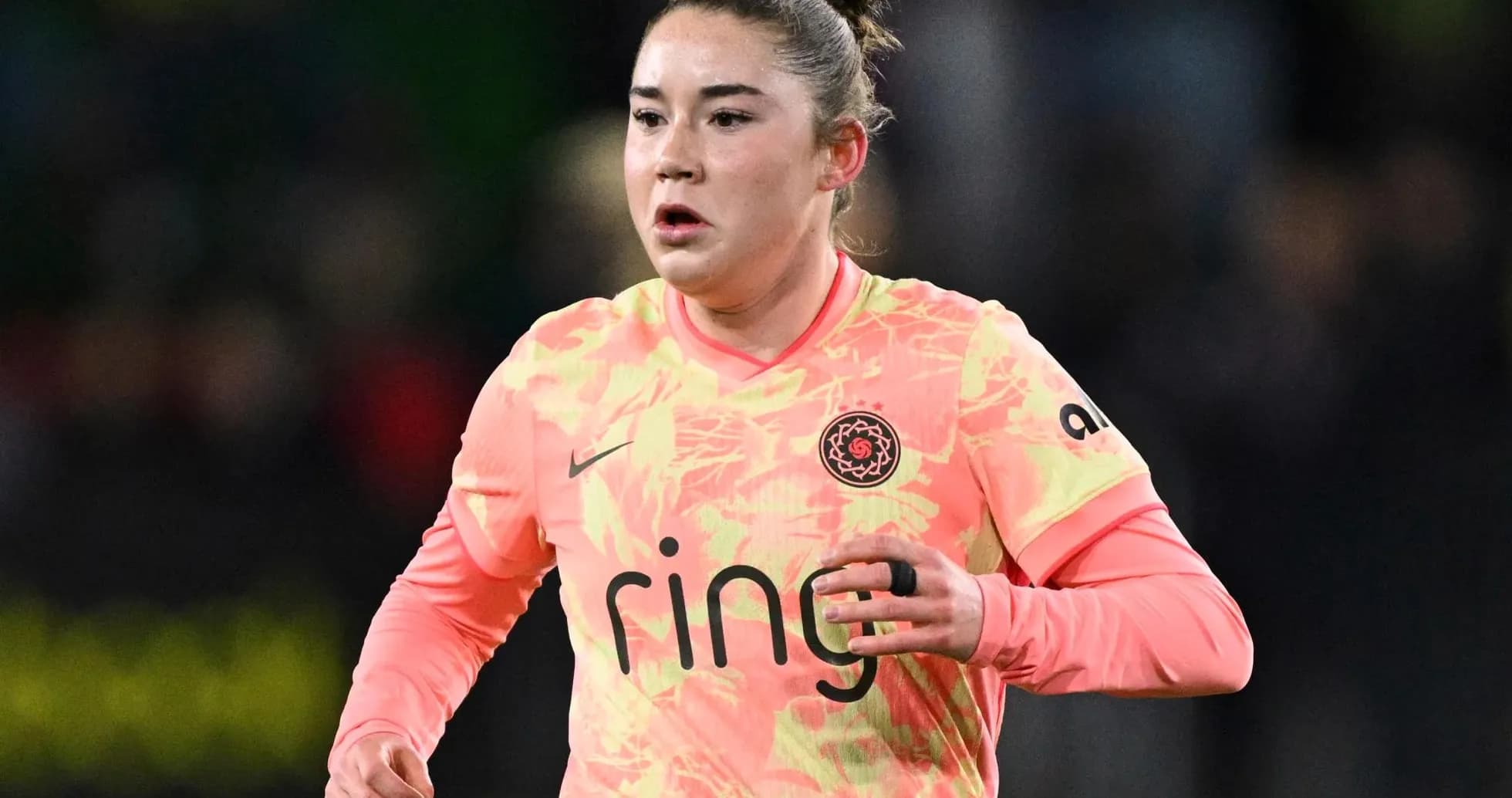
On a cool evening at Providence Park, Portland Thorns W walked out in their familiar 4-2-3-1, facing a Washington Spirit W side that arrived second in the NWSL Women table and left with a 2–1 comeback win. The scoreline flipped the script on a venue where Portland have been formidable this season, but it also underlined why Washington’s campaign has been built on control, defensive structure and timely quality in the final third.
I. The Big Picture – contrasting seasonal DNA
Heading into this game, Portland sat 6th with 38 points and a goal difference of 5, built on an overall record of 11 wins, 5 draws and 7 losses from 23 matches. Their identity has been clear: at home they are a force. Across 11 home games they had 7 wins, 3 draws and just 1 defeat, scoring 20 and conceding only 7. That translates to 1.8 goals scored at home on average and just 0.6 conceded – a classic high-press, high-reward side that leans into the Providence Park energy.
Washington, by contrast, arrived as one of the league’s most balanced outfits. Second in the table with 43 points and a goal difference of 13 (33 scored, 20 conceded overall), they have been even more ruthless on their travels. Away from home they had 7 wins, 3 draws and only 2 losses in 12 matches, scoring 18 and conceding 10. An away average of 1.5 goals scored and 0.8 conceded tells the story of a team comfortable suffering without the ball and punishing mistakes in transition.
The league-wide numbers framed this as a clash between Portland’s expansive, risk‑embracing attack and Washington’s compact 4-3-3 that quietly smothers games. Both sides came in with 9 clean sheets overall, but Washington’s lower overall goals against (20 versus Portland’s 32) pointed to a more consistently solid defensive platform.
II. Tactical Voids and Discipline – edges and vulnerabilities
There were no listed absentees, so both coaches could lean on their core structures. Robert Vilahamn doubled down on the Thorns’ most-used shape: the 4-2-3-1 that has started 17 times this season. M. Arnold anchored the back line behind a defensive quartet of M. Vignola, J. Perry, S. Hiatt and C. Calzada, with J. Fleming and N. Nijstad as the double pivot. Ahead of them, a creative line of M. Weaver, P. Tordin and R. Turner supported S. Wilson as the lone forward.
Adrian Gonzalez opted for a 4-3-3, one of Washington’s secondary but increasingly influential shapes. Sandy MacIver started in goal, with G. Carle, E. Morgan, T. Rudd and P. Metayer across the back. The midfield trio of H. Hershfelt, M. Ngock and M. Bethi provided legs and balance behind a front three of R. Kouassi, S. Cantore and T. Rodman.
Discipline was always going to be a sub‑plot. Portland’s season card profile shows a late-game spike: 21.43% of their yellows come between 61–75 minutes and another 21.43% between 76–90. Their red cards are spread across early and mid-second-half phases (0–15, 46–60, 61–75 each at 33.33%), a sign of a team that tackles aggressively and sometimes pays for it as matches open up.
Individually, J. Perry is a walking disciplinary edge: 5 yellows and 1 red in 18 appearances, yet also a defender who has blocked 5 shots and reads the game well enough to intercept 11 passes. On the bench, R. Reyes brings similar edge – 1 red and 6 blocks – while C. Bogere’s 24 fouls committed and 2 yellows underline the bite Vilahamn can inject from midfield.
Washington are not innocent either, but their red‑card risk is more concentrated in the deeper engine room. A. Sullivan, on the bench here, has 2 yellows and 1 yellow‑red in 18 appearances, a classic holding midfielder willing to take tactical fouls. Washington’s yellow distribution also surges late: 20.83% of their yellows arrive in the 76–90 window. In a match where Portland tend to chase, that overlap of Portland’s emotional late push and Washington’s willingness to foul to break rhythm was always going to matter.
III. Key Matchups – Hunter vs Shield, Engine Room battles
The headline duel came on the flanks and in the half-spaces: Portland’s creative hub versus Washington’s disciplined block.
For Portland, the attacking spine is defined by league standouts. S. Smith, even though not in this particular starting XI, shapes the Thorns’ identity: 10 goals and 1 assist in total this season, from 60 shots and 37 on target, with a rating of 7.2. Around her, P. Tordin has emerged as one of the league’s premier dual threats: 6 goals and 7 assists overall, 36 key passes and 50 attempted dribbles. She arrived in this fixture as the league’s second‑ranked assist provider, and her role in the No.10 band was to find pockets between Washington’s lines and feed the wide runners.
On the other side, T. Rodman is Washington’s spearhead and conduit all at once. With 8 goals and 4 assists overall, 55 shots, 21 key passes and 63 dribble attempts, she embodies the “hunter” in wide channels. Her duel numbers – 199 total duels, 95 won – show a player who relishes contact and can turn 50‑50s into platform for counters. Up against Vignola and Perry, Rodman’s task was to drag Portland’s back line into uncomfortable, isolated situations.
Behind them, the “Engine Room” battle was more subtle but just as decisive. J. Fleming’s role as one of the double pivots is to set tempo and connect phases, while Nijstad screens and recycles. They faced a Washington trio built for disruption and progression: M. Ngock and H. Hershfelt working as shuttlers, M. Bethi adding vertical thrust. The question was whether Portland’s midfield could play through Washington’s first line of pressure often enough to pin back the Spirit’s full-backs.
Washington’s defensive “shield” is not just positional; it is statistical. On their travels they concede only 0.8 goals per match on average, with 5 away clean sheets overall. Portland, by contrast, concede 2.1 goals on their travels but just 0.6 at home, making this a rare night where their home defensive aura was punctured.
IV. Statistical Prognosis and Tactical Verdict
From a data lens, this matchup always leaned toward a fine margin. Overall, Portland score 1.6 goals per match and concede 1.4, while Washington score 1.4 and concede 0.9. The Thorns’ home attacking average of 1.8 versus Washington’s away defensive average of 0.8 framed a classic “irresistible force vs immovable object” narrative.
Portland’s season-long penalty record – 5 taken, all 5 scored, 100.00% conversion – hints at a side that typically punishes mistakes ruthlessly. Washington, by contrast, have been less clinical from the spot, scoring 1 and missing 1 of their 2 penalties, a 50.00% success rate that underscores some volatility in high‑leverage moments.
In pure tactical terms, the decisive intersection was always likely to come late. Portland’s tendency to collect cards and overcommit in the final 30 minutes overlaps directly with Washington’s comfort in tight, low‑scoring games and their willingness to foul to manage transitions. As Portland chased, gaps would appear between their aggressive full-backs and centre-backs; that is precisely the terrain where Rodman, Kouassi and Cantore thrive.
Following this result, the numbers and the narrative align: Washington’s structural solidity, away resilience and star quality in transition allowed them to overturn a 1–0 half-time deficit into a 2–1 full-time win. Portland’s 4-2-3-1 produced moments of fluidity, with Tordin again central between the lines, but the Spirit’s 4-3-3 proved better calibrated to the rhythm of a high‑stakes group-stage night – compact without the ball, ruthless when the game stretched.
The squad profiles suggest that if these sides meet again in the NWSL Women play‑offs, the tactical story will be similar: Portland leaning into their home attacking numbers and creative stars, Washington trusting their defensive metrics, game management and the two‑way brilliance of T. Rodman to tilt the balance in the tightest of margins.
Related News

Portland Thorns vs Washington Spirit: Tactical Analysis of NWSL Clash
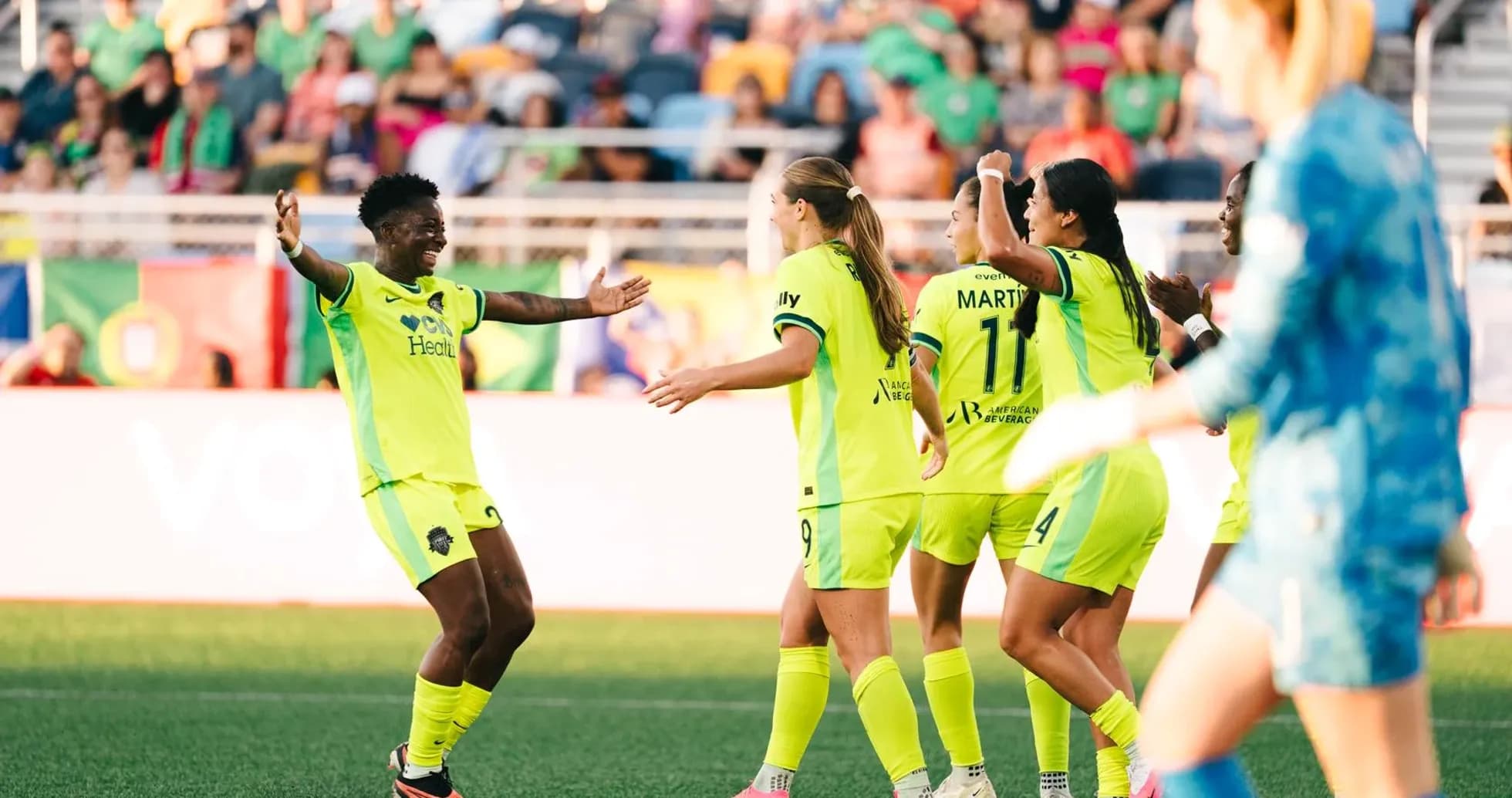
Washington Spirit W vs Boston Legacy W Stats: Head-to-Head Record
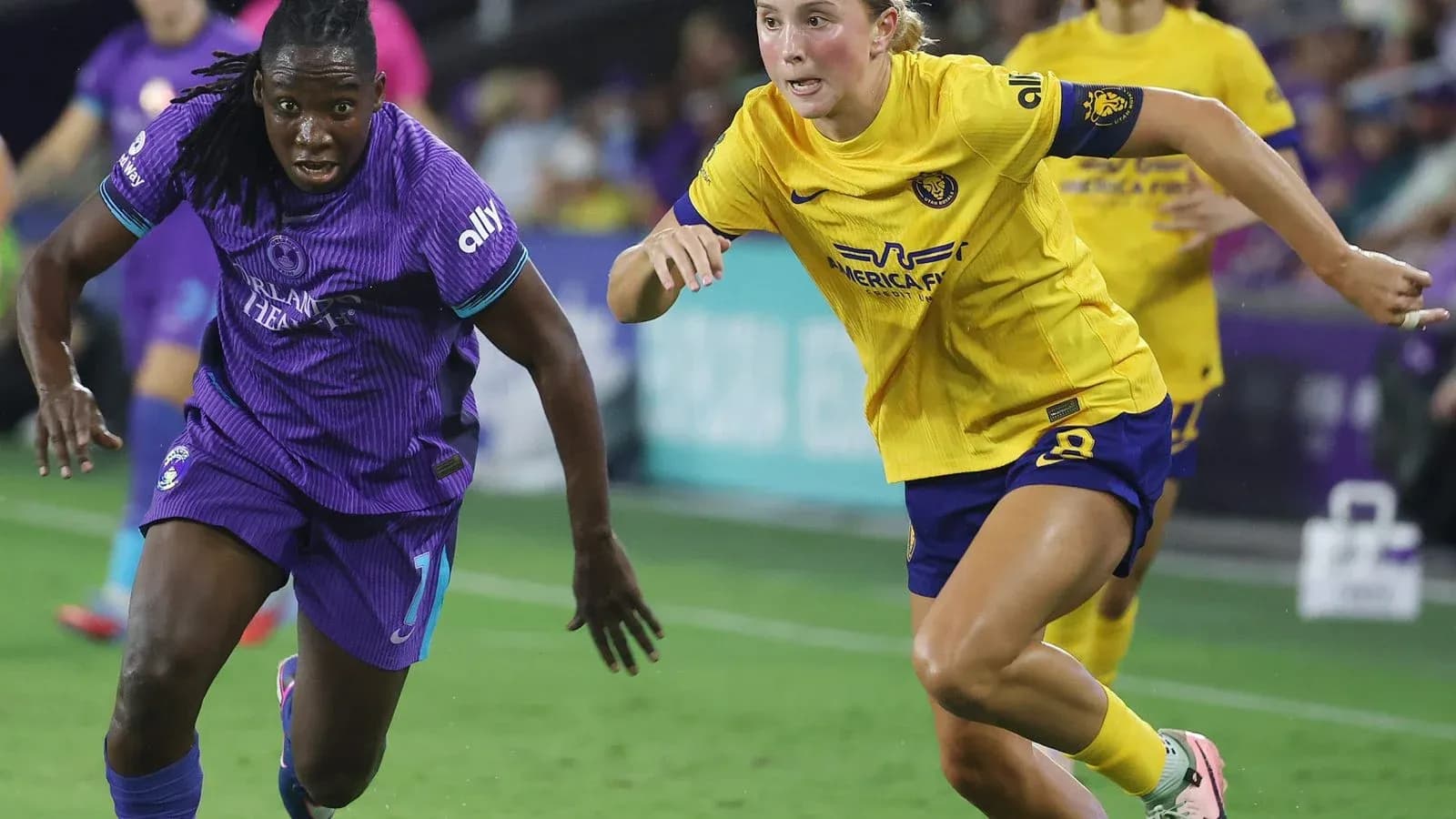
Orlando Pride W Secures 3-1 Victory Over Houston Dash W
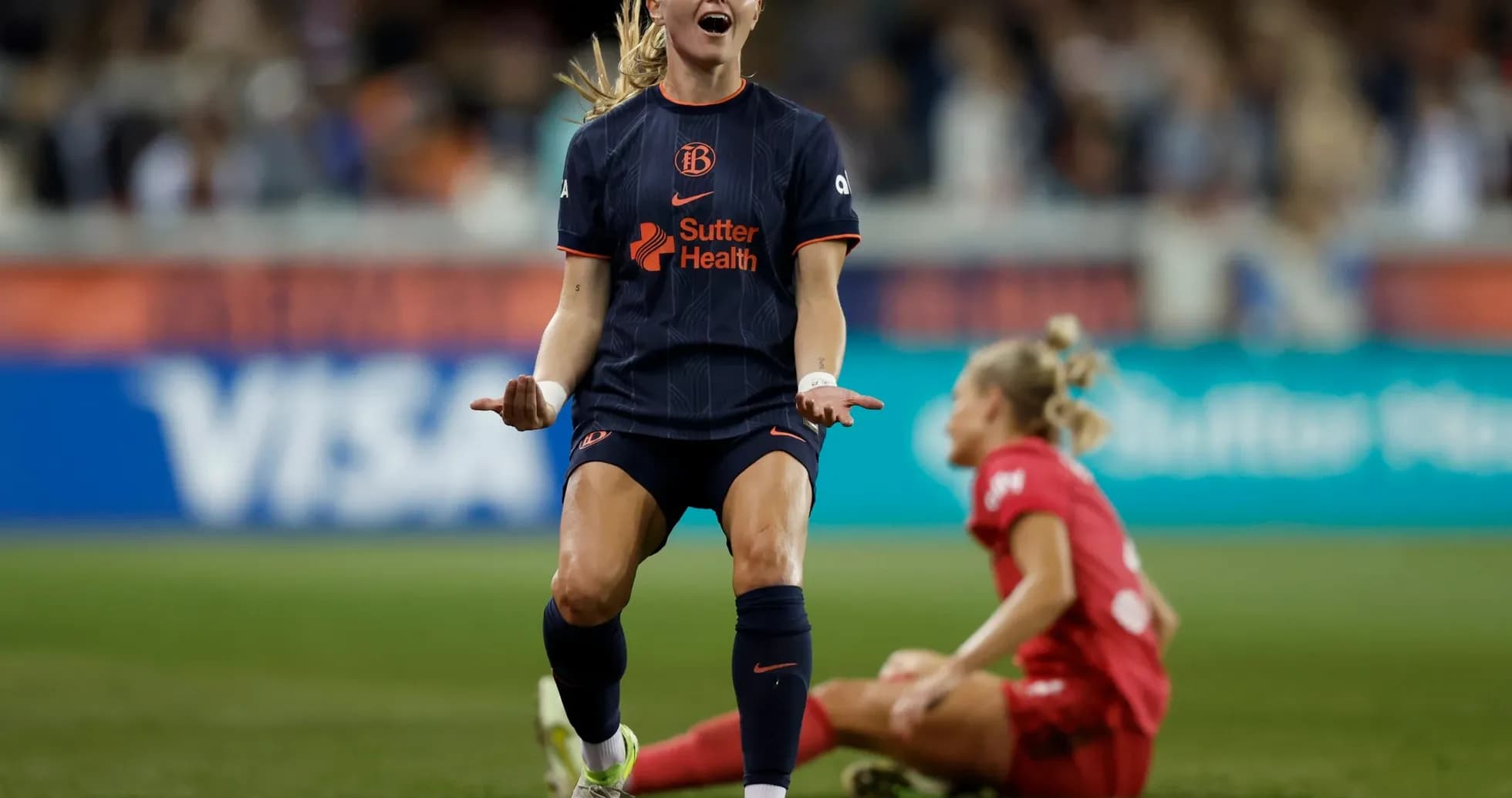
Kansas City W Edges Bay FC W in NWSL Group Stage Clash
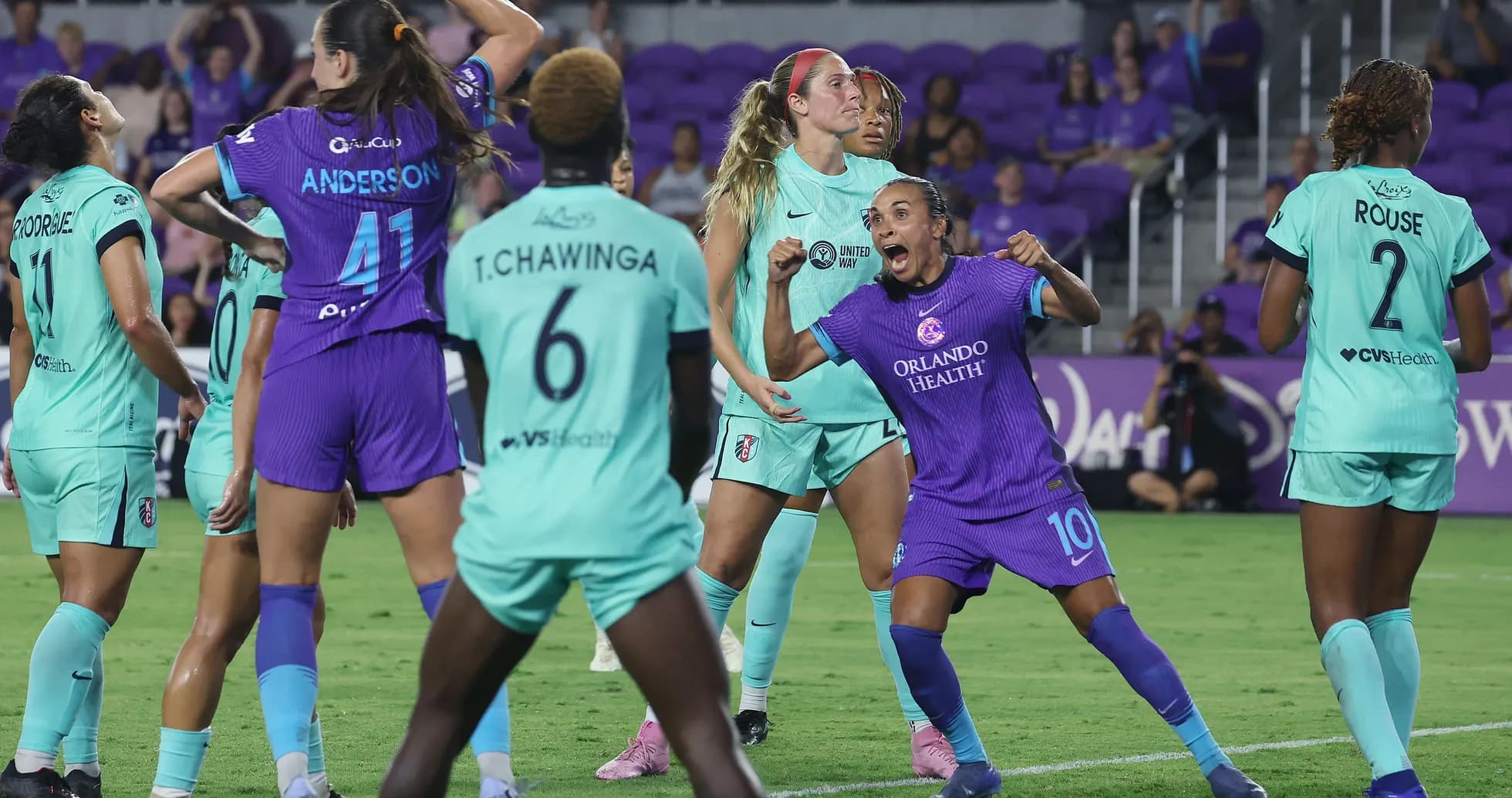
Kansas City W vs Orlando Pride W Stats: Head-to-head Record
Portland Thorns W Fall to Washington Spirit W in 1-2 Defeat