
Reece James Out of England’s Next Two World Cup Matches Due to Hamstring Injury
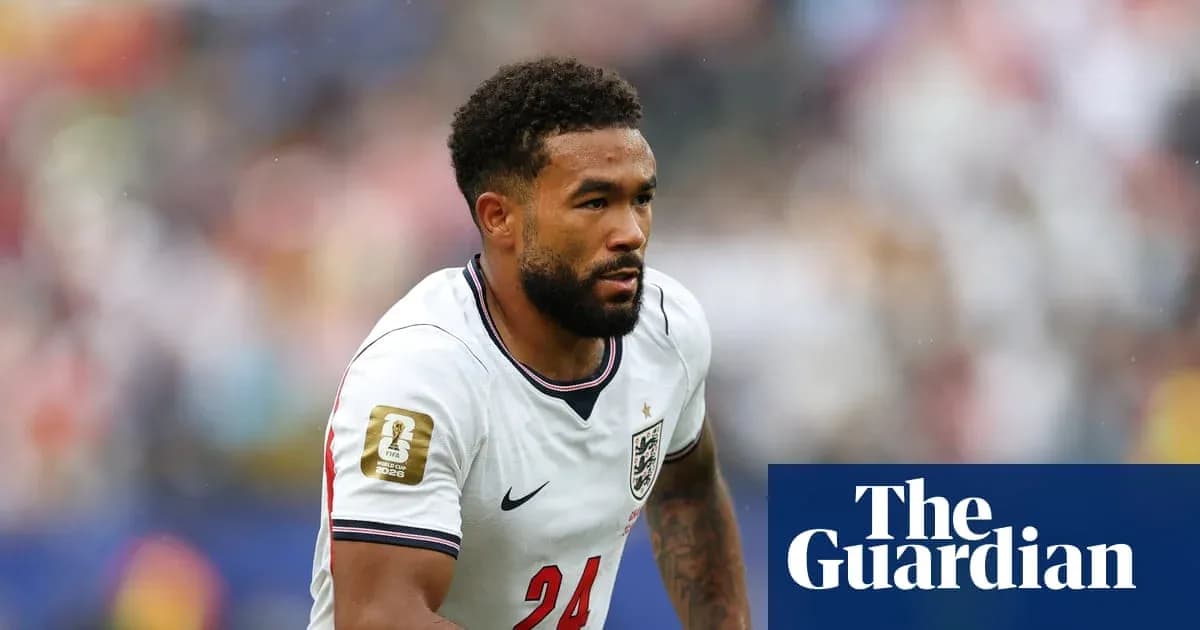
Reece James’s World Cup has been plunged into uncertainty again, with the England right-back ruled out of at least the next two matches after suffering fresh hamstring trouble.
The Chelsea captain reported tightness following England’s laboured 0-0 draw with Ghana in Boston on Tuesday, a warning sign that rang loudly given his long history with the same muscle. By Friday, as the squad trained in Kansas City ahead of their flight to New York, James was nowhere to be seen on the grass.
He will miss Saturday’s final group game against Panama. He has also been ruled out of the last‑32 tie that should follow, even if England progress as expected.
For Thomas Tuchel, it is the scenario he had feared but tried to manage. James had already lost nearly two months of his club season after hurting his hamstring against Newcastle on 14 March. Tuchel still built his World Cup plans around him, trusted him, and leaned on him. The 24-year-old played every minute against Croatia and again against Ghana.
That faith always carried a cost. James’s workload has to be monitored carefully, yet this tournament offers almost no room to breathe. England are aiming to cram eight matches into 33 days across North America, a schedule that pushes even the most robust bodies to their limit. For a player with James’s record, the margin for error shrinks to almost nothing.
The risk has now caught up with them.
Tuchel’s right‑back plan unravels
The injury leaves Tuchel’s blueprint at right-back in tatters. Tino Livramento had been identified as James’s understudy, a like-for-like alternative with the energy to patrol the flank and the aggression to defend one-on-one. Then, on the eve of the tournament, Livramento pulled up with a calf injury in training and was forced out before a ball had been kicked.
Tuchel had to improvise. He turned to Trevoh Chalobah, calling up the Chelsea centre-half, and floated the idea that Jarell Quansah – a central defender by trade – could also plug the gap on the right. The safety net suddenly looked thin.
Now it will be tested. Ezri Konsa, another centre-back, is among the options to shift wide. Djed Spence is also in the frame. None of them is a natural, first-choice right-back in this system. All of them may be asked to become one overnight.
Every selection now carries a tactical trade-off: lose some of James’s thrust going forward, or risk exposing a makeshift defender in transition. In tournament football, where one moment can tilt an entire campaign, that calculation becomes brutal.
Alexander-Arnold left watching from afar
All of this unfolds with one name hovering over the debate. Trent Alexander-Arnold stayed at home.
The Real Madrid right-back was left out of Tuchel’s squad, a decision that underlined the manager’s lack of trust in him at international level. Tuchel has called up Alexander-Arnold for only one England camp, back in June last year, and chose not to revisit that decision even when Livramento dropped out.
Now, as England reshuffle their back line in the middle of a World Cup, that omission will be picked over again. Tuchel has backed his own judgement. The coming days will show just how much that judgement costs.
For James, the battle shifts from the touchline to the treatment room once more. For England, the road they hoped to travel with their first-choice right-back has suddenly become a lot more precarious.
Related News

Anthony Joshua Names Murat Gassiev as Next Opponent if He Defeats Tyson Fury

UFC 332: Start Time and Fight Highlights for Natalia Silva vs. Wang Cong
Court McGee Opens Up About Choosing UFC 332 as His Final MMA Fight
WBC Orders Lightweight Title Unification: William Zepeda vs Jadier Herrera
BCCI Pension List: Monthly Payments to Retired Indian Cricketers in 2025

Why Fury vs Joshua Is Set for Cardiff, and Dua Lipa’s Unexpected Role