
Saudi Arabia vs Uruguay: Tactical Duel Ends in Draw
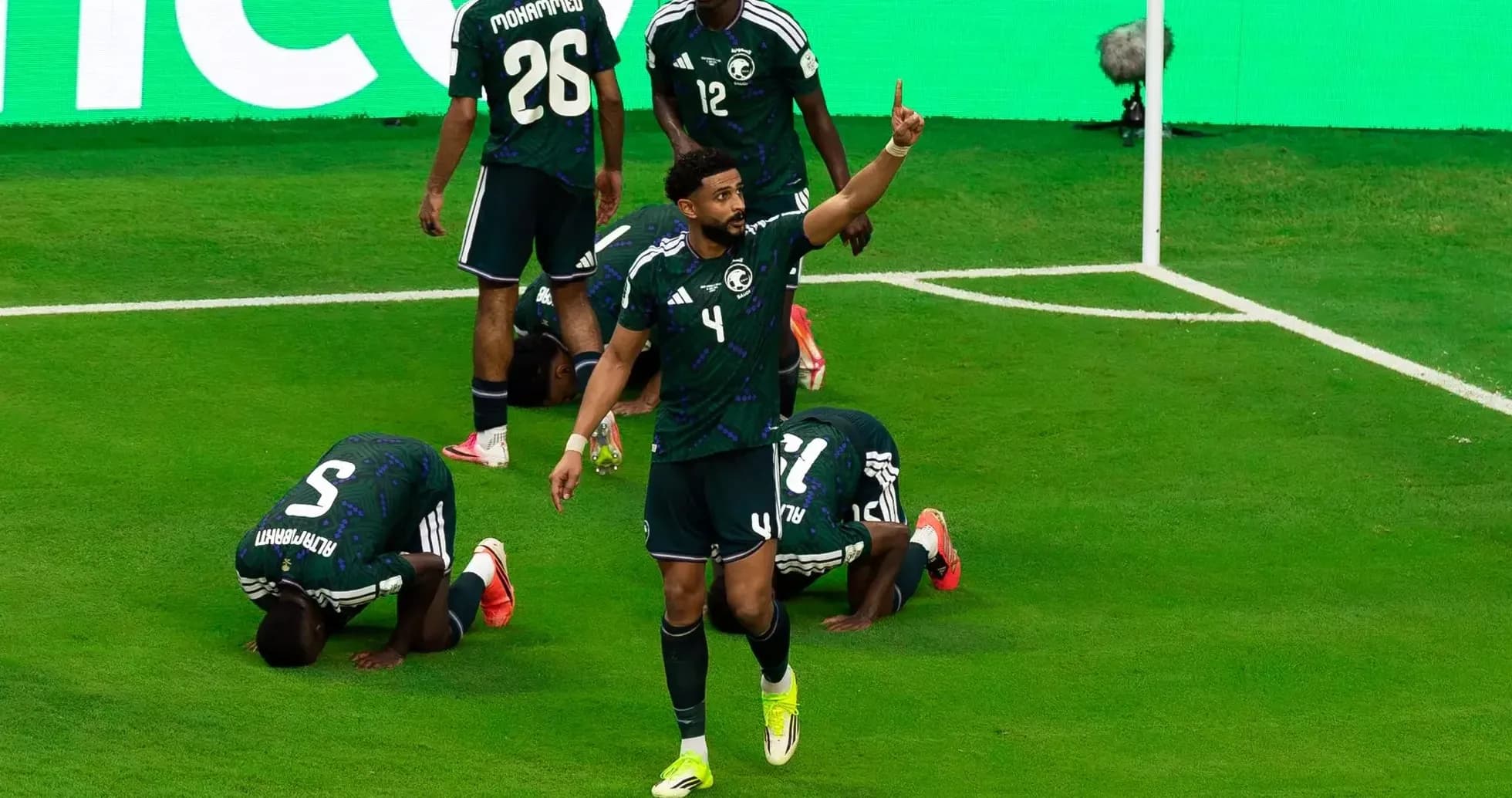
Under the Miami lights at Hard Rock Stadium, Saudi Arabia and Uruguay opened their World Cup 2026 campaigns with a 1–1 draw that felt less like a settled verdict and more like the opening chapter of a tactical duel that will echo through Group H.
I. The Big Picture – Two blueprints, one shared tension
This was Group Stage - 1, but it carried the edge of a knockout tie. Both sides leave with 1 point, both with a goal difference of 0, and yet their paths to that symmetry could not be more different.
Saudi Arabia, nominally the home team, leaned into a classic 4-4-2 under Georgios Donis, a shape that has already become their World Cup identity: their only lineup so far has used this formation, and at home they have scored 1 goal and conceded 1, averaging 1.0 goal for and 1.0 against. Uruguay, away on the night, arrived as Marcelo Bielsa’s Uruguay in name and in spirit: a 4-2-3-1 that promises verticality, aggression, and relentless movement. On their travels, they have scored 1 goal and conceded 1, also averaging 1.0 for and 1.0 against.
Heading into this game, both sides were statistical mirrors: 1 match played overall, 0 wins, 1 draw, 0 losses, 1 goal scored, 1 conceded. Following this result, Saudi Arabia sit 2nd in Group H, Uruguay 1st, separated only by tiebreak nuance rather than performance.
II. Tactical Voids – Discipline, control, and what’s missing
The absences list offers no help; there is no data on injuries or suspensions, so the voids here are structural rather than personnel-based.
For Saudi Arabia, the key void is risk at the margins of their discipline. Their season card profile shows a sharp spike: 100.00% of their yellow cards have come in the 31–45 minute window. That is not a coincidence; it suggests a side that starts solid, then tightens and fouls as the half wears on and pressure mounts. In a match like this, that window is where their defensive poise most often cracks.
Uruguay, by contrast, have yet to register a yellow or red card in their statistical snapshot. It is a small sample, but it hints at a controlled aggression: intensity without rashness. For a Bielsa side, that is gold dust. It allows them to press high without the constant risk of disciplinary self-sabotage.
Saudi Arabia’s clean sheet count at home is 0; they have conceded in every home fixture so far. Uruguay’s away clean sheets are also 0, so both defensive units are still searching for their first perfect night. The tactical void, then, is not about missing players but about missing certainty: neither back line has proven it can shut a game down.
III. Key Matchups – Hunter vs Shield, Engine Room battles
Hunter vs Shield
For Saudi Arabia, the “hunters” are paired: F. Al Buraikan and M. Al Juwayr as the front two in the 4-4-2. Their task was to stretch a Uruguayan back four anchored by S. Caceres and M. Olivera, with G. Varela and M. Vina as full-backs. With Saudi Arabia averaging 1.0 goal at home and Uruguay conceding 1.0 away, this matchup delivered exactly what the numbers promised: a single Saudi breakthrough, but not enough to tilt the game fully.
Uruguay’s spearhead was D. Nunez, the lone striker in the 4-2-3-1, supported by a fluid line of three: M. Araujo, F. Vinas, and F. Valverde. Saudi Arabia’s shield was a compact back four: S. Abdulhamid and M. Al Harbi on the flanks, A. Al Amri and H. Tambakti centrally, in front of M. Al Owais in goal. With Saudi Arabia conceding 1.0 goal at home and Uruguay averaging 1.0 on their travels, Nunez’s equaliser felt like statistical gravity asserting itself.
Engine Room – Control vs Chaos
The real theatre, though, was the middle third. For Saudi Arabia, the double axis of M. Kanno and A. Al Khaibari, flanked by S. Al Dawsari and M. Abu Al Shamat, formed a band of four tasked with compressing Uruguay’s build-up lanes. Kanno, wearing 23, often dropped closer to the centre-backs, effectively turning the 4-4-2 into a 4-1-3-2 in the defensive phase.
Opposite them, Uruguay’s double pivot of M. Ugarte and R. Bentancur was the game’s metronome. Ugarte screened, Bentancur connected, and that platform allowed Valverde to push higher into the right half-space, with M. Araujo and F. Vinas rotating between lines. This is where Bielsa’s 4-2-3-1 becomes suffocating: the constant interchange between the three behind Nunez pulls markers out of shape, testing the communication between Saudi Arabia’s midfield and back line.
Saudi Arabia’s vulnerability to late-half bookings in the 31–45 window intersected dangerously with Uruguay’s natural tendency to ramp up pressure as the half progresses. The mental and physical strain of tracking Valverde’s surges and Nunez’s channel runs inevitably leads to mistimed challenges, especially just before the interval.
IV. Statistical Prognosis – A draw that feels like a warning
From a pure numbers standpoint, both teams are exactly where their early-tournament profiles say they should be:
- Overall for Saudi Arabia: 1 match, 1 draw, 1 goal for, 1 against, goal difference 0 (1 - 1).
- Overall for Uruguay: 1 match, 1 draw, 1 goal for, 1 against, goal difference 0 (1 - 1).
Clean sheets: 0 for both. Failed to score: 0 for both. Neither attack has been blunted; neither defence has yet proven watertight.
Without explicit xG values, we lean on structural indicators. Uruguay’s 4-2-3-1, with Valverde and Nunez as its primary chaos agents, is built to generate a high volume of shots and good-quality chances, especially in transition. Saudi Arabia’s 4-4-2 is more balanced, designed to compress space and strike selectively rather than in waves.
The card timing data suggests that as matches stretch towards half-time, Saudi Arabia’s defensive intensity risks turning into indiscipline. Against a side like Uruguay, whose best attacking rhythm often comes in those very periods of fatigue and concentration drop, that is a red flag.
Following this result, the prognosis is of a group finely poised but tactically clear: Uruguay’s ceiling looks higher, their structure more likely to produce superior xG over a larger sample. Saudi Arabia, however, have shown they can live with that intensity for long stretches, and with their 4-4-2 already bedded in as their go-to formation, they have the stability to grind out results.
The 1–1 in Miami feels less like parity and more like a warning: for Uruguay, that they cannot rely solely on late surges; for Saudi Arabia, that their margin for error in those critical 31–45 minutes is razor-thin.
Related News
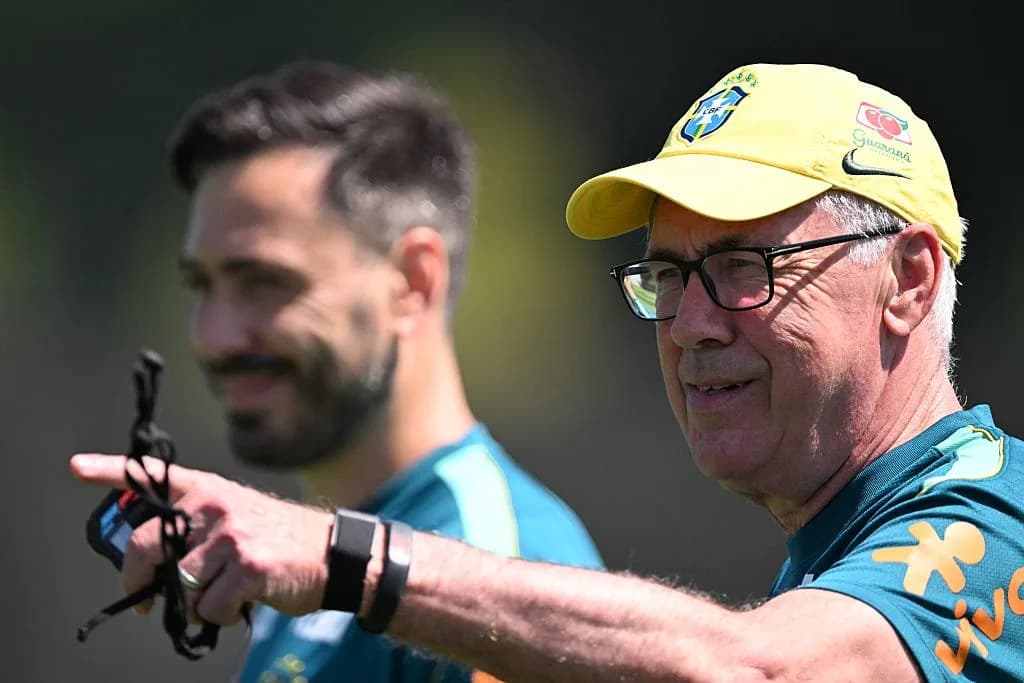
Brazil's First Post-World Cup Friendly: What Should the Lineup Be?
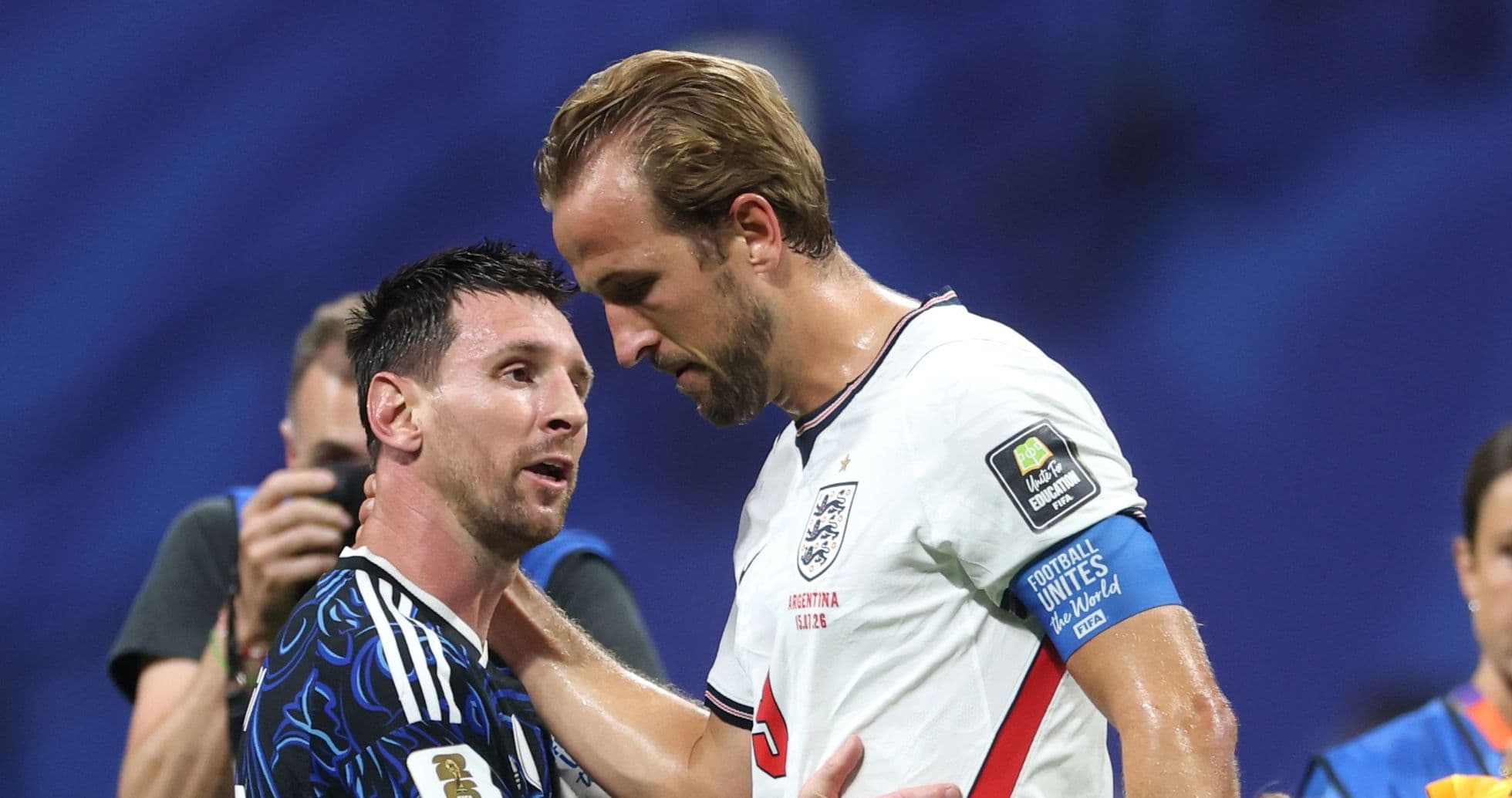
Harry Kane Calls England’s World Cup Exit to Argentina His Deepest International Pain
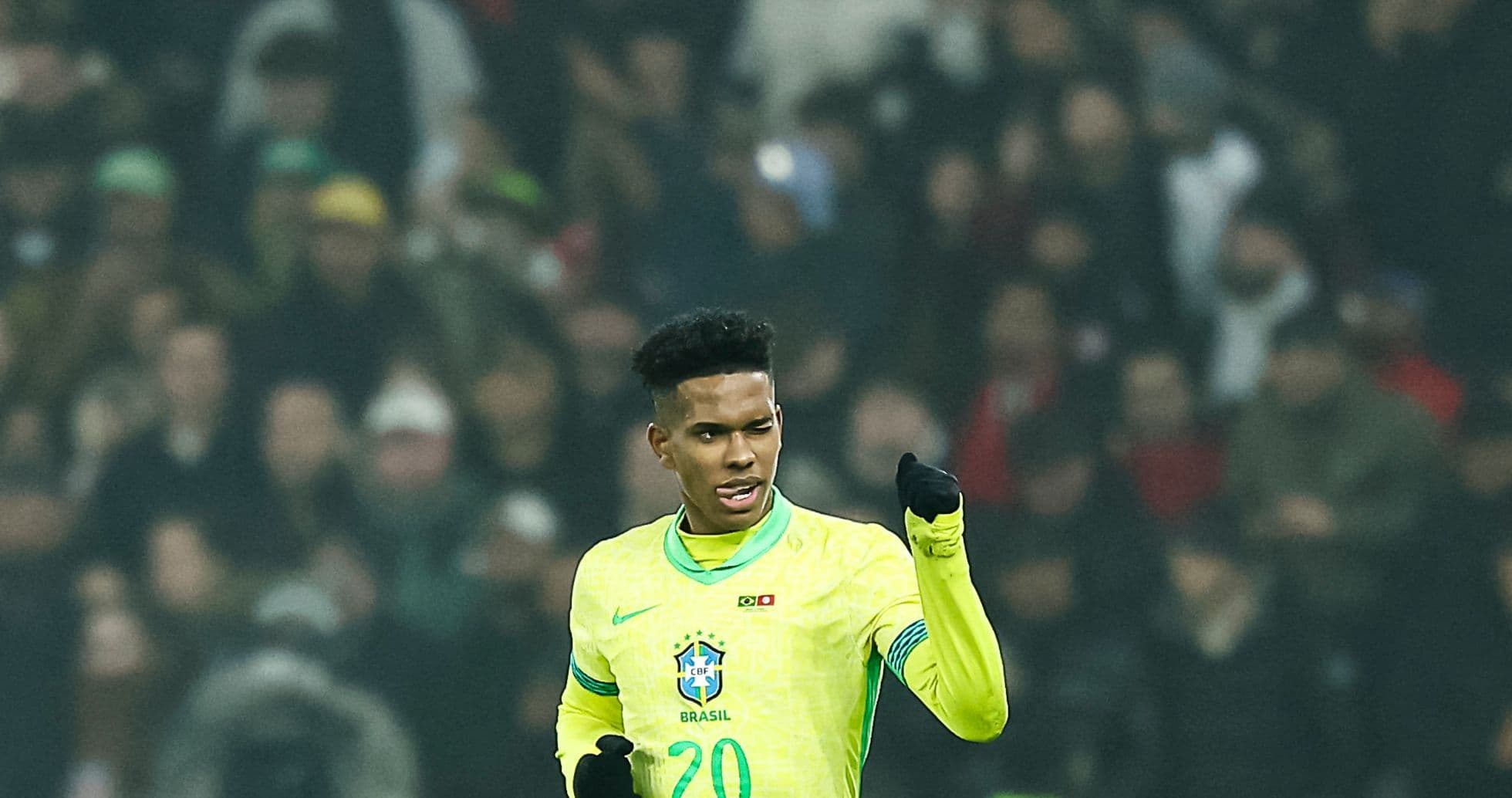
Estevao Opens Up on World Cup Heartbreak and His Unexpected Return to Brazil Under Ancelotti

Thomas Tuchel Shares Unusual Regret After England's 10-Man World Cup Victory Over Mexico

South Korea Names Robert Moreno as Interim Coach After World Cup Exit

Jude Bellingham Returns to Form at Real Madrid Following World Cup Success