
Steven Gerrard's Emotional Journey: Istanbul 2005 and the Decision to Stay
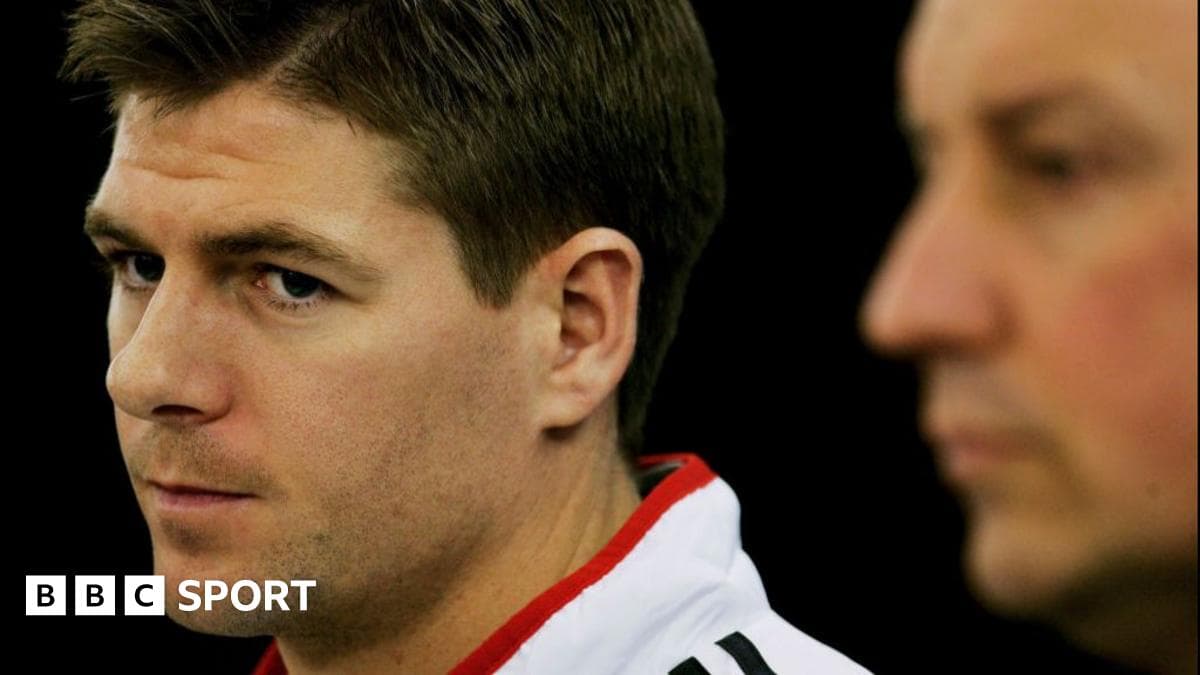
Steven Gerrard still calls Istanbul 2005 the best night of his life. The comeback, the cup, the armband, the image of him lifting the trophy under the red flares. It is Liverpool mythology in one frame.
Yet within weeks of that miracle, their captain had told the club he was leaving.
In a new Netflix documentary on Liverpool’s Champions League triumph, Gerrard opens up on the chaos that followed the greatest high of his career. The medals were barely boxed away when the doubts began. His phone rang. His head spun. His relationship with his boyhood club suddenly felt fragile.
“I was in a bad place,” he admits, describing his mind as “a box of frogs”. The euphoria of Istanbul collided with a brutal reality: European glory did not disguise Liverpool’s distance from the very best in the league, and it did not quiet the clubs circling their captain.
Chelsea, under Jose Mourinho, were throwing money and trophies around with equal abandon. Real Madrid hovered in the background. The offers were real, the temptation even more so.
“Mourinho was on the phone – the best manager in the world at the time, offering silly contracts, which would naturally turn your head,” Gerrard says. “Chelsea were spending fortunes, he was guaranteed success there.”
This was not a fantasy flirtation. Six weeks after lifting the European Cup, Gerrard told Liverpool he was going. Then, overnight, he reversed the decision and stayed. The documentary pulls back the curtain on why he came so close to walking away.
Cold calculations in an emotional club
Gerrard’s game, as he tells it, ran on raw fuel: emotion, passion, desire, commitment. For the badge, for the Liver bird, for his family on the Kop. He played like a man plugged directly into Anfield’s electricity.
Benitez, by contrast, arrived determined to pull the plug.
“I felt like he didn’t rate me, he didn’t trust me, he didn’t want me,” Gerrard says now, at 45. That sense of distance cut deep. “I’ve always been clear that I want to be a Liverpool player and a Liverpool player only, but with that doubt and with that coldness and being part of a team where you don’t believe that you can compete at the top, that’s when your head gets turned.”
Jamie Carragher, who lived through it all alongside him, believes Gerrard needed warmth and reassurance, not ice.
“He probably needed an arm round his shoulder,” Carragher says. “Rafa Benitez was never going to do that. He’s very unemotional.”
Former team-mates describe a manager obsessed with detail, criticism and control. Sessions were precise, tactical, demanding. For some, it sharpened them. For others, it grated.
Gerrard felt the friction more than most. “My game… was about emotion, passion, desire, commitment,” he says. “It was in me and I felt like he wanted to really remodel me. Nothing would ever satisfy him.”
Benitez, now 66, defends his approach with the same clarity that defined his coaching.
“When I joined Liverpool, there was a culture based on emotion,” he says. “Football requires more than that. If you’re really emotional, you don’t find the way to success.”
He wanted a colder edge to a club that prided itself on heart. The clash between those two forces almost cost Liverpool their captain.
Time, though, has softened the edges. Gerrard can now separate the man from the methods.
“I look back at Rafa and think he’s the best coach I have worked with,” he says. The tension, the tactical demands, the relentless criticism – they forged some of his finest football. But in the moment, they also pushed him to the brink.
Owen, Benitez and a meeting that changed everything
Gerrard was not the only homegrown star wrestling with his future as Benitez took charge. A year before the captain’s transfer saga, Michael Owen had already reached breaking point.
Owen, like Gerrard, had come through the Liverpool academy. Like Gerrard, he had grown disillusioned. Gerard Houllier’s tenure had ended after Liverpool finished 30 points behind Arsenal in 2004. The gap at the top felt enormous.
Benitez flew to Portugal to meet Owen, Gerrard and Carragher as they prepared with England for Euro 2004. It sounded like the start of a charm offensive. It did not feel like one.
“He was on me tactically,” Gerrard recalls. “‘I don’t want this, I don’t want that. You can’t play in this team unless we trust you.’ It was intense. And I was thinking to myself, ‘I guarantee you, you’ll need me before I need you.’”
If Gerrard bristled, Owen was stunned. Here was a Ballon d’Or winner, told by the new manager he needed to sharpen one of his supposed weaknesses.
Carragher remembers Benitez telling Owen he had to “turn on the ball quicker”.
“That’s absolutely what I was probably the best in the world at, at the time,” Owen says, now 46. “He certainly didn’t go any way to convincing me to stay, put it that way.”
By August 2004, Owen had gone. Real Madrid paid £8m and Liverpool lost one of the most lethal finishers they had ever produced.
Benitez, though, remembers that Portugal summit differently.
“You can see when you talk with someone if he’s happy with the conversation,” he says. “I think they were quite happy.”
Two players, one meeting, sharply contrasting memories. One left. One nearly did. Both felt the strain of a manager who stripped away sentiment in a club built on it.
Between heart and head
The documentary captures a club standing at a crossroads: the old Liverpool of emotion and loyalty colliding with a new, more clinical era. Gerrard sat right on that fault line.
On one side, Mourinho’s voice on the phone, the promise of titles, money, and the sense of inevitability at Chelsea. On the other, a cold-eyed coach at Anfield who questioned, prodded, demanded – and a club that still lived in his bones.
“I can’t park my relationship with Liverpool,” Gerrard says. That bond, even in his “box of frogs” state, ultimately held. He stayed. He wrote more chapters. He became the symbol of a club still wrestling with the balance between heart and head.
Benitez’s Liverpool would go on to challenge Europe’s elite, built on his tactical discipline. Gerrard would thrive under that structure while still playing with the fire that defined him.
The story the film tells, though, is of how close it came to a very different ending – and how, in the space between a manager’s cold logic and a captain’s burning loyalty, the modern Liverpool was forged.
Related News
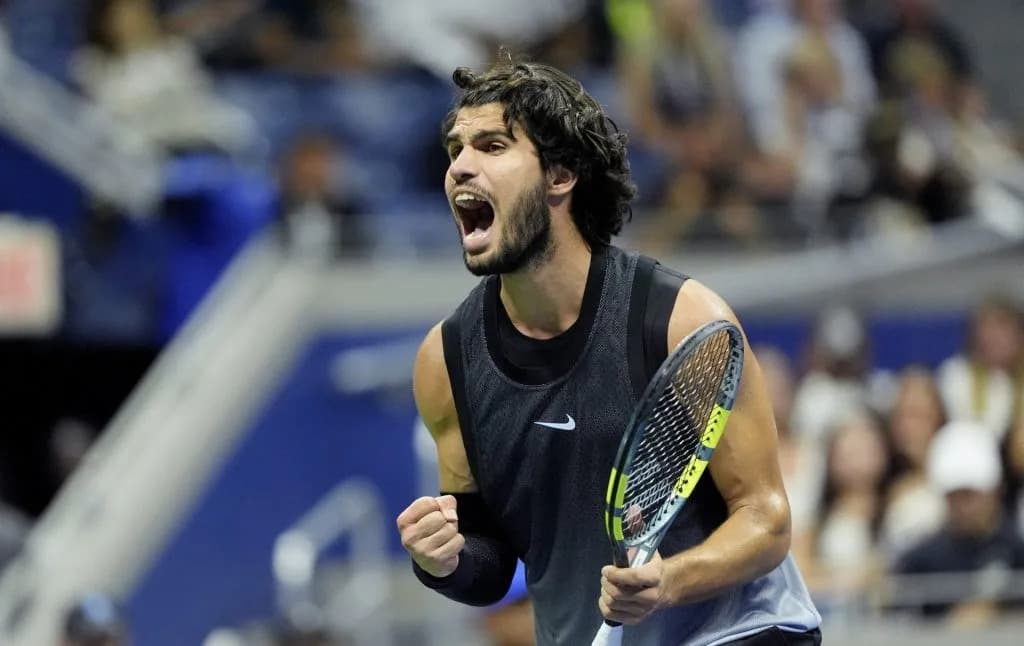
Carlos Alcaraz Urges an End to Matches Ending in the Early Hours
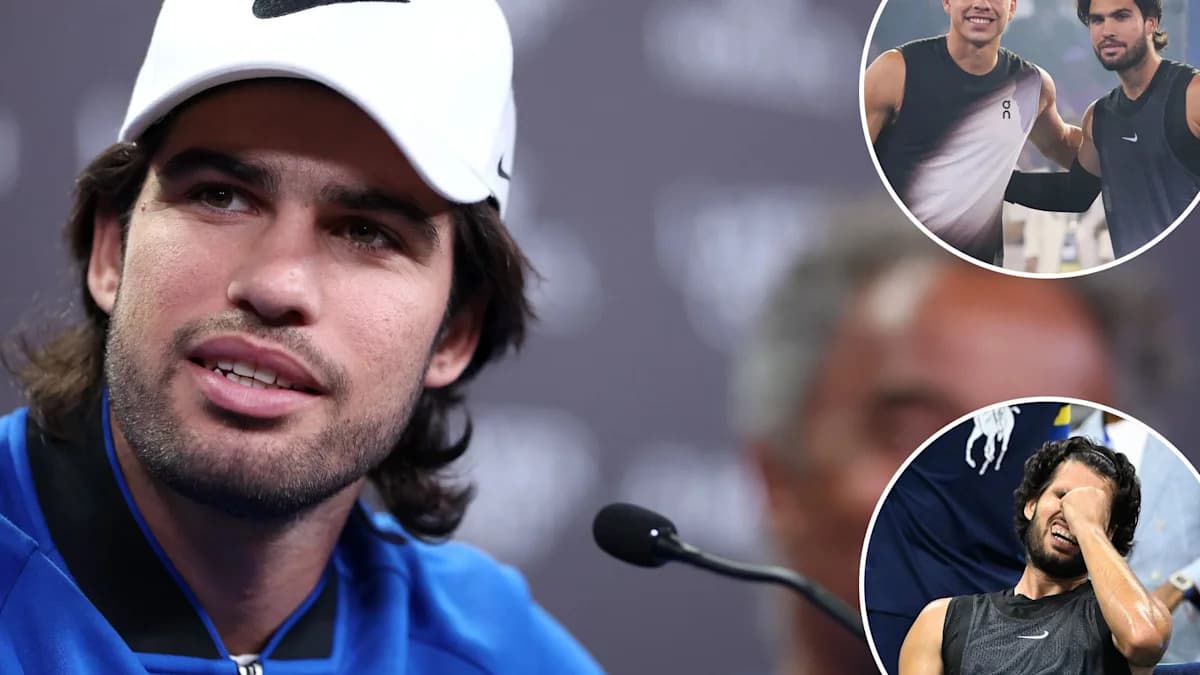
Carlos Alcaraz Criticizes Late US Open Finish After 3:30 a.m. Match
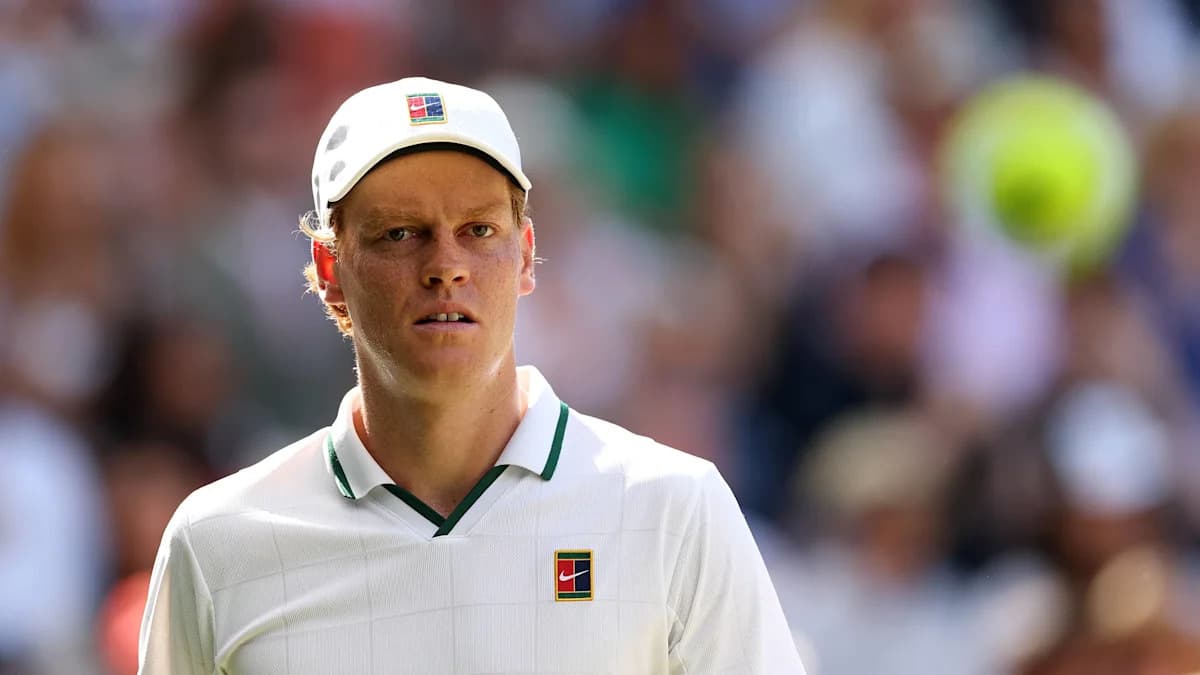
Jannik Sinner Set for ATP 500 Return in Beijing with Novak Djokovic Also Competing

Meet Iva Jovic: The American Tennis Prospect Making Waves
Flavio Cobolli Shares Insights on Practice Session with Jannik Sinner Ahead of Comeback

Till vs Romero: Fight Details, Undercard, and Viewing Info for This Weekend