
Sunderland's Tactical Masterclass in 3-1 Victory Over Everton
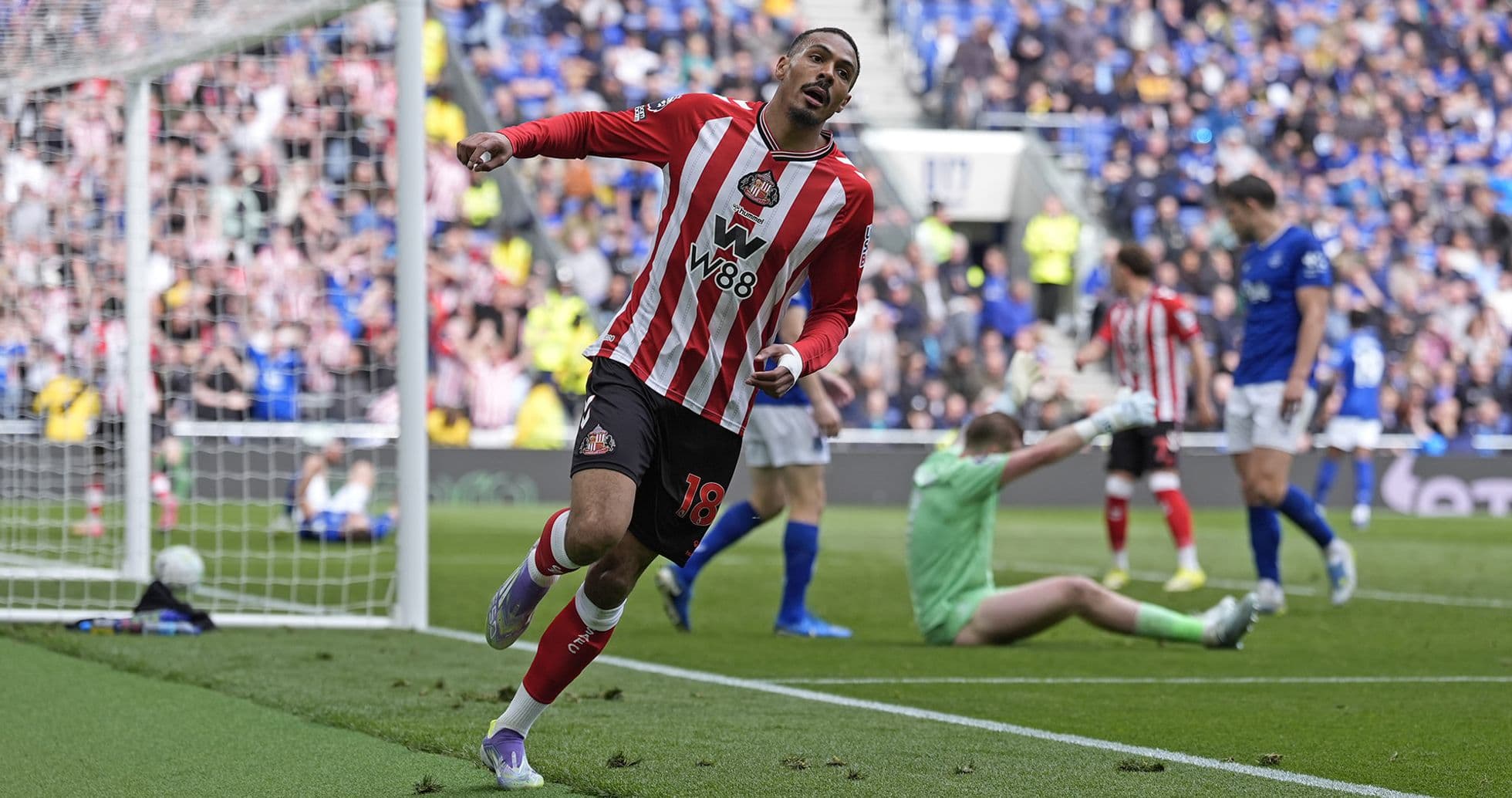
Everton’s 1-3 home defeat to Sunderland at Hill Dickinson Stadium was defined less by volume of chances and more by how each side manipulated structure and key zones over 90 minutes. Both teams lined up in a 4-2-3-1, but the interpretation of that shape, and the in-game adjustments, tilted the match away from Leighton Baines’s side despite Everton leading 1-0 at half-time.
Everton’s 4-2-3-1 was built around a stable back four and a double pivot designed to give license to the three attacking midfielders behind Beto. Jordan Pickford had no recorded saves, underlining how Sunderland converted almost every on-target effort they created. In front of him, the line of J. O’Brien, J. Tarkowski, M. Keane and V. Mykolenko initially held a reasonably high line, with Keane stepping aggressively into midfield to compress space on Sunderland’s No. 10 zone.
The double pivot of James Garner and Tim Iroegbunam was tasked with screening Granit Xhaka and N. Sadiki, but also with initiating Everton’s build. Everton completed 346 of 406 passes (85%), a solid technical base, yet the structure of their possession was often too flat. Iroegbunam’s early Yellow Card at 25' for Foul subtly constrained his ability to press and tackle front-foot, which became more evident after the interval when Sunderland increased central rotations.
The first half pattern saw Everton use K. Dewsbury-Hall and I. Ndiaye as half-space occupiers, with M. Rohl drifting inside from the right and Beto pinning centre-backs. Their 49% possession was used more vertically than Sunderland’s, reflected in 10 total shots (4 on target) and 6 efforts inside the box. The opening goal at 43' encapsulated Everton’s plan: M. Rohl (Everton) scored, assisted by M. Keane, after the centre-back again stepped into advanced territory. This back-to-front connection highlighted Sunderland’s early difficulty tracking late runners from deep.
Defensively, though, Everton’s structure frayed as Sunderland adjusted. Sunderland’s own 4-2-3-1 under Regis Le Bris was more methodical. With 51% possession and 430 total passes (365 accurate, 85%), they built patiently, using Xhaka as the primary distributor in the first phase and E. Le Fee as the main link between midfield and attack. The double pivot’s positioning was slightly staggered, with Sadiki often dropping alongside the centre-backs to facilitate circulation, allowing full-backs L. Geertruida and R. Mandava to push higher.
Sunderland’s lack of Yellow Cards contrasted with Everton’s three, and their 9 fouls to Everton’s 14 spoke to better control of defensive duels and less desperation in transitions. Sunderland produced only 7 shots (3 on target), but 5 were inside the box, a clear indicator of their focus on high-quality zones rather than volume.
The turning point came after the break. Jake O’Brien’s Yellow Card at 47' for Foul further limited Everton’s aggression on the right side of their defence. Sunderland began overloading that channel, using N. Angulo’s movements and Le Fee’s drifting to drag O’Brien and Garner wide, opening central lanes. The equaliser at 59' — B. Brobbey (Sunderland) scoring, assisted by E. Le Fee — came from precisely this dynamic: Sunderland found space between Everton’s lines, Le Fee receiving in the pocket and sliding a penetrative ball that exposed the centre-backs’ spacing.
From there, Le Bris’s substitutions were tactically sharp. At 60', T. Hume (OUT) made way for C. Talbi (IN), adding fresh legs and direct running in the attacking midfield band. The triple substitution at 77' was decisive: N. Angulo (OUT) with C. Rigg (IN), N. Sadiki (OUT) with H. Diarra (IN), and B. Brobbey (OUT) with W. Isidor (IN). Rigg’s introduction provided a more vertical, risk-taking profile in the No. 10 zone, while Diarra gave additional ball-carrying and pressing intensity in midfield. Isidor’s pace stretched Everton’s already tired back line.
Everton’s own changes at 73' — T. Iroegbunam (OUT) for T. George (IN) and Beto (OUT) for T. Barry (IN) — were an attempt to inject attacking thrust, but they disrupted the balance in the double pivot. Without Iroegbunam’s positional discipline, Garner was increasingly isolated, and Everton’s rest defence behind their attacks weakened. Later, at 88', J. O’Brien (OUT) for S. Coleman (IN) and M. Rohl (OUT) for D. McNeil (IN) felt reactive rather than proactive, coming after Sunderland had already seized control.
Sunderland’s second goal at 81' underlined their superior structure. E. Le Fee (Sunderland) scored, assisted by C. Rigg, with Rigg finding the Frenchman in a central pocket after Everton’s midfield line had been pulled apart. The move showcased Sunderland’s late-game pattern: rotate in the half-spaces, then attack the seam between centre-back and full-back. Everton’s compactness between lines had eroded, and with no saves recorded for Pickford, the shots Sunderland did generate were simply too clear.
In stoppage time, Everton’s frustration manifested in James Garner’s Yellow Card at 90+6' for Foul, summing up a second half in which their defensive timing and control slipped. Sunderland capped the performance with a third goal at 90', W. Isidor (Sunderland) scoring, assisted by H. Diarra. Again, a substitute combination exploited tired legs and poor spacing, with Diarra driving through midfield and Isidor attacking depth behind a disjointed back four.
From a statistical verdict, the match was closer than the 1-3 scoreline suggests in raw chance quality. Everton posted 1.07 xG to Sunderland’s 0.73, and both sides shared identical pass accuracy (85%). Each goalkeeper had 0.02 goals prevented, and Sunderland’s R. Roefs made 3 saves to Pickford’s none. The difference lay in Sunderland’s ability to translate modest xG into three ruthlessly taken chances, while Everton’s shot profile, though slightly higher in volume, lacked the same clarity and arrived mostly before Sunderland’s structural tweaks.
Everton’s Overall Form concerns will focus on game management: leading 1-0 with the better xG and more shots, yet conceding three times after half-time. Their Defensive Index for this match is undermined by how easily Sunderland accessed central zones once the double pivot was broken up and the right side of defence was cautioned and then substituted. Sunderland, by contrast, showcased a controlled away performance: fewer fouls, no bookings, compact defensive work that limited Everton to 4 shots on target, and a bench that decisively improved their attacking structure in the final half-hour.
Related News
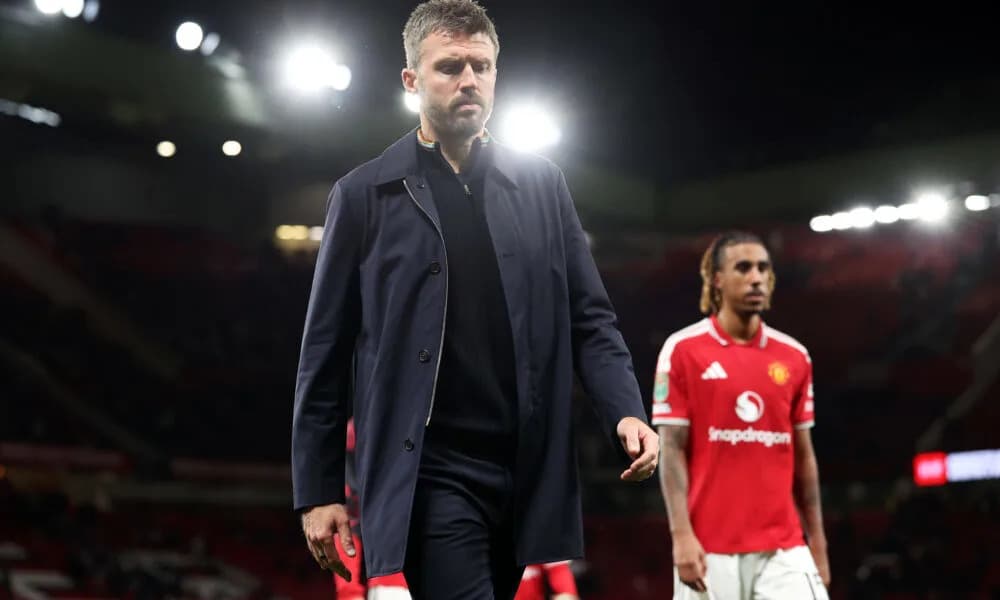
Premier League Managers Facing Potential Sackings During International Break
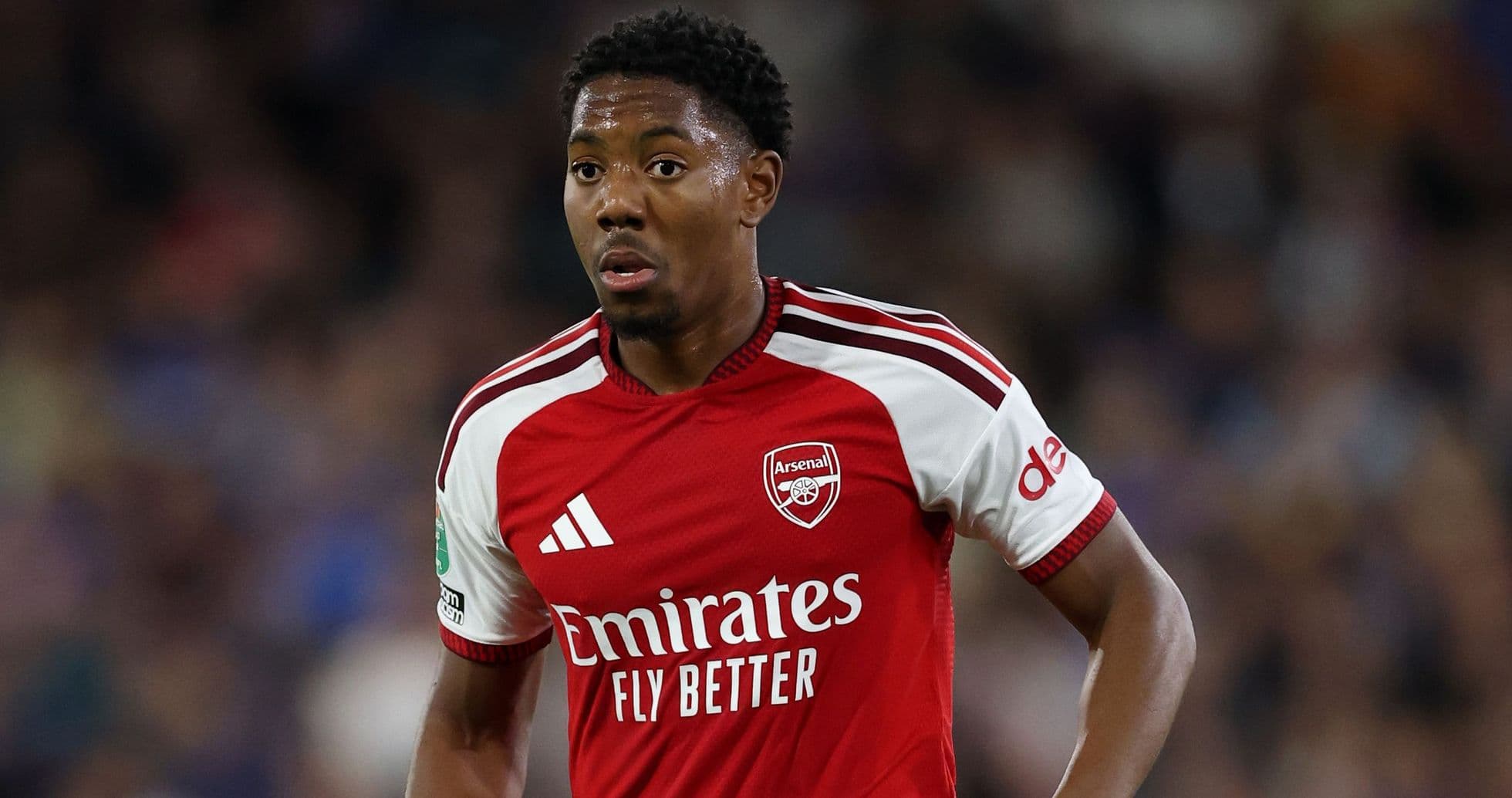
Arsenal's Myles Lewis-Skelly Names Unexpected Tottenham Rival as Toughest Premier League Opponent

Three Premier League Players Shining Early This Season
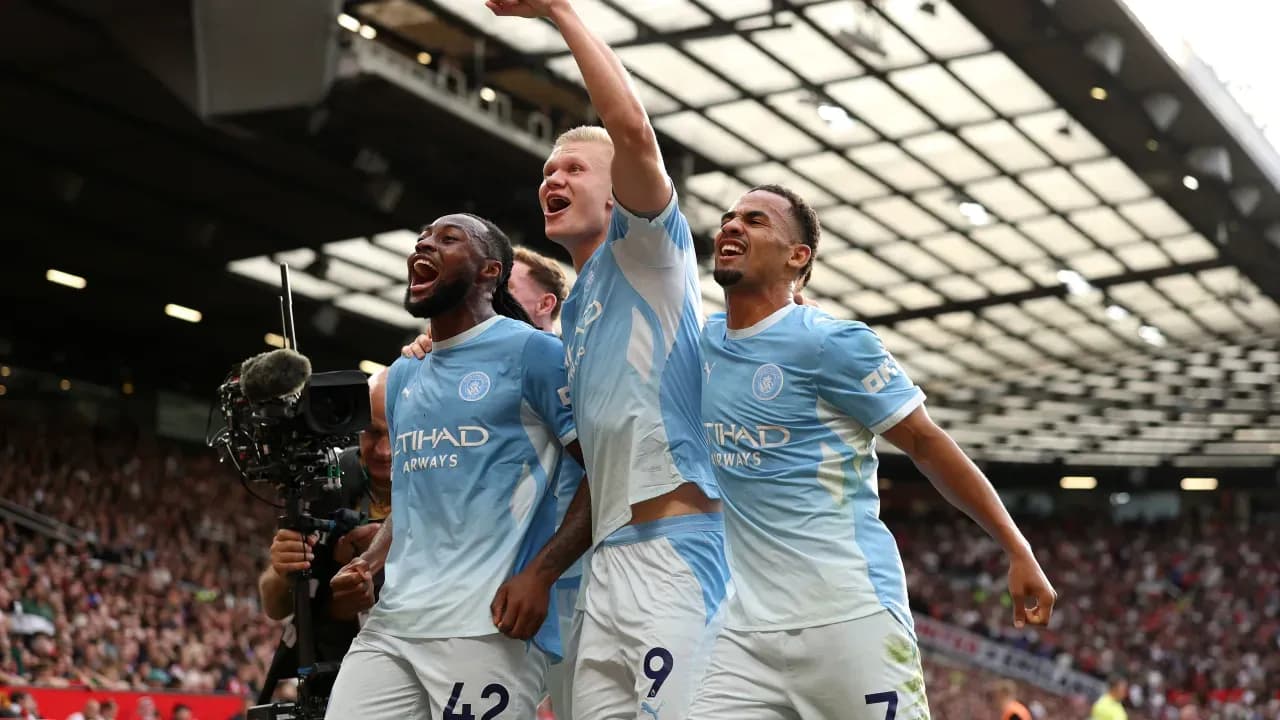
Premier League Early Season Reactions: Man City’s Strength, Arsenal’s Flaws, United’s Struggles

Premier League Returns October 10 After Extended September-October International Break

Fulham and Manchester United Share Points in 1-1 Draw