
Thomas Tuchel Reflects on England's World Cup Semi-Final Collapse Against Argentina
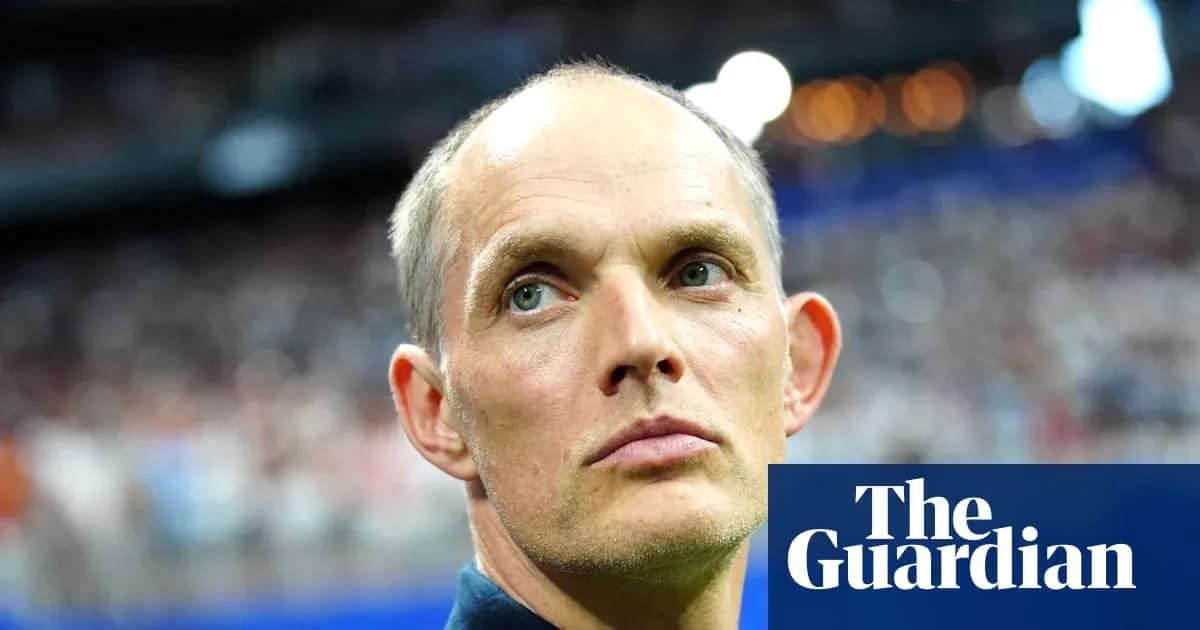
Thomas Tuchel still defends the logic behind his much‑criticised defensive reshuffle in England’s World Cup semi-final collapse against Argentina – but concedes he pulled the trigger too soon.
The England head coach, speaking in a new documentary on the England app, describes the final half-hour in Atlanta as “waiting for death”, as his side struggled to live with Argentina’s relentless, attacking frenzy after Anthony Gordon’s opener on the hour mark.
England had survived with a back five in the knockout wins over Mexico and Norway. That history, and the visible fatigue in his players, pushed Tuchel towards the same solution once more: protect the lead, close the space, ride it out.
Instead, it blew up in his face. Late goals from Enzo Fernández and Lautaro Martínez turned the tie on its head and shredded England’s hopes of reaching a first World Cup final since 1966.
“You can try to kill me here. But it’s my scar, it’s not your scar,” Tuchel says, the wound still raw. “No one is more hurt than me, no one wanted it more. They can endlessly torture you and think: ‘If I had done different substitutions, then we would have won the match.’ You just don’t know it.”
He knows the accusation. Too negative. Too early. Too scared. Tuchel doesn’t hide from the alternative path.
“Of course you could [have made attacking changes]. No one knows what would have happened. We could have done it and maybe lost 2‑1 and could have gone: ‘Is he crazy? He finished the game against Norway with a back five, why didn’t he finish the game with five?’”
For Tuchel, the game state and Argentina’s chaos dictated everything. Lionel Scaloni’s side threw on attackers, wave after wave, and England’s structure frayed.
“I think from what I saw and the experience, the information and the level of craziness Argentina put in – change after change after change, it was just one offensive change after the other. That was my solution to the problem.
“That’s what the intervention of a coach is. I try to help, you don’t implement anything for your ego or whatever. You just try to help.”
The turning point came in a blur. England had just gone ahead, yet immediately retreated. Djed Spence was forced into a desperate last-ditch tackle. Jordan Pickford produced a big save. The pressure mounted, and then came the hydration break.
That pause, meant to cool heads and bodies in the Atlanta heat, instead became the moment Tuchel made the call that would define the night: the goalscorer Gordon off, defender Ezri Konsa on.
From the outside, it looked like fear. From Tuchel’s vantage point, Argentina’s “all or nothing” surge left him with no choice.
“Argentina then play very, very quickly. Sorry for the language, [they played] fuck-it football: ‘We have nothing to lose. Let’s fuck it,’” he says. “A key moment if I look back at it and what happened to my decision-making, we conceded a big, big chance right before the water break. And I thought: ‘We will not survive. This is waiting for death. We don’t have ball possession, we’re not defending good, we’re not defending properly in our 4-4-2. We need help.”
So he ripped up the 4-4-2. England dropped into a 5-3-2 to shore up the flanks, then sank even deeper into a 5-4-1 as the minutes ticked away. The intent was to handle the width, pack the box, and choke off the crosses Argentina were slinging in.
“I changed to a 5-3-2, we changed the structure. Because I believe we can handle the width better and we still have three central defenders in the middle if crosses still fly in. We changed then to a 5-4-1. Even my mindset is maybe like: ‘Let’s just overcome it.’ And it’s too early. Too early for that mindset.”
That is the line he cannot escape. Not the idea of defending the lead, but the timing. The shift from competing to surviving. From trying to win the game to simply trying to see it out against a side that refused to stop coming.
The fallout was brutal. Calls for his sacking followed the semi-final defeat, the tactical switch held up as Exhibit A for those who believe England shrank on the biggest stage.
Tuchel, though, has chosen to live with the scar rather than run from it. The question now is whether England, under the same man and with the same memories, will trust him again when the next knockout storm hits.
Related News
Barcelona's Goalkeeping Situation After Joan Garcia's Scare

Enzo Le Fée Shines in Thrilling Victory Over AZ
Charly Alcaraz's Late Winner Sends Everton Past Wolves in Carabao Cup

Chelsea Faces Injury Blow with Joao Pedro's Withdrawal
Celtic's Defining Week: Martin O’Neill's Call to Rise Above
Atletico Madrid's Dominant 4-0 Victory Over Osasuna