
Tottenham Hotspur's Season of Relief and Reset
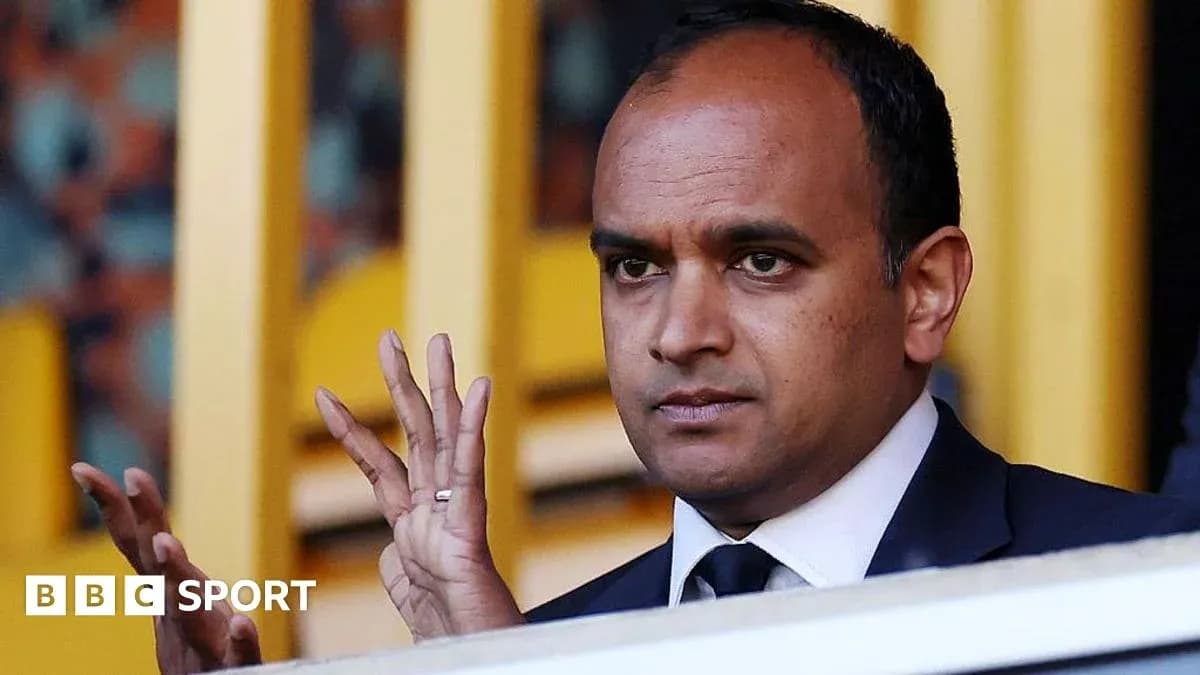
Vinai Venkatesham walked into Tottenham Hotspur last June talking about Europe. He ended his first season clinging to the Premier League.
The mood has flipped that sharply.
On the final day, as Spurs edged past Everton to stay up, the chief executive felt what everyone inside the club felt.
Relief. Nothing more glamorous than that.
“It was just a huge outpouring of relief,” he admitted afterwards, while stressing that no-one would have lost their job had relegation come. Then came the line that hangs over his first year: feeling relief in May is “nowhere near the standard of the football club”.
For a man who arrived with a Champions League-club CV and a reputation for calm control, this has been a brutal introduction.
From European ambitions to a full-scale reset
On 1 June last year, Venkatesham set what he believed was a sensible target.
“Competing for European places” felt realistic for a men’s first team that, under Ange Postecoglou, had just finished 17th but also lifted the Europa League and ended a 16-year trophy drought. The squad was heavy with internationals. The stadium and training ground were the envy of the league.
Then he got inside the building.
“If you'd have asked me a few months after I joined, when I was no longer an outsider, I would have told you the club was in a significantly worse state in some places than I thought,” he said. This was not a gentle course correction. “It was really a complete reset.”
Off the pitch, Tottenham still look like a superclub. Stadium operations, commercial power, infrastructure – all strong, in his view. On the football side, though, he saw a club that had been overtaken.
Across five years, Premier League rivals had accelerated. Spurs had improved, yes, but not at the same speed. The gap had grown “significant. In some areas really quite worryingly so.”
The most cutting verdict? “I don't think that there was what I would call a relentless obsession with football success.”
He pointed at the training centre as the perfect symbol. “Amazing,” he called it, “one of the best, if not the best in the world.” But it felt more like a luxury resort than a high-performance bunker. That, he promised, will change this summer. The environment will be stripped back, sharpened, hardened.
“I think there are many areas where the club hasn't got the right level of expertise,” he added. For a club that has spent years talking about “the project”, that is a damning internal review.
Thomas Frank: from steady start to slow-motion exit
On the pitch, the story of the season is written through three head coaches.
Thomas Frank arrived last June and, for a brief spell, looked like he might steady the ship. One defeat in the opening 10 games across all competitions suggested a team that had remembered how to function.
The illusion did not last.
By the time Tottenham finally dismissed Frank in February, the only surprise among supporters was that it had taken so long. Venkatesham and sporting director Johan Lange were hammered for perceived indecision, accused of watching the season disintegrate.
He rejects that.
“There's been plenty of coverage that the club was passive during this period. And that's absolutely not true,” he insisted. Behind the scenes, the club weighed results, the statistical chance of a turnaround, the disruption a change might cause to the January window, the fixture schedule, and the quality of candidates available as interim options.
They were not, he says, sitting on their hands. They were calculating, and they were waiting.
The missed De Zerbi move and the Tudor gamble
The calculation was clear: Roberto de Zerbi.
When Frank went, Tottenham tried to tempt the Italian, who was leaving Marseille, into taking the job permanently in February. De Zerbi did not want to jump in mid-season. That refusal pushed Spurs into a corner.
They turned to Igor Tudor.
It was a left-field move, and it blew up quickly. Seven games later, Tudor was gone by mutual consent, leaving behind little more than confusion and another dent in the club’s judgment.
Venkatesham laid out the logic. Tottenham wanted someone used to “very high-profile and high-pressure environments” who would not “wilt under that pressure”. Tudor, they believed, brought that. He had a track record of making an immediate impact, had worked at big clubs, and offered a very different personality to Frank.
They knew the risk. No Premier League experience. A volatile dressing room. A fanbase on edge.
“Was it a risk in appointing him? Absolutely,” Venkatesham said. Asked if it was a mistake, he did not dance around it. “It didn't work out. I think it's very clear it didn't work out. And I don't think that is in question.”
In a season where every wrong move felt amplified, Tudor’s brief spell became another symbol of a club groping for direction.
Life after Levy – and a new lightning rod
For 25 years, Daniel Levy absorbed most of the anger. The former executive chairman was the constant, the man at whom banners were aimed and chants were directed.
His departure in September left a vacuum. Into it stepped Venkatesham.
As results sank and the league table turned ugly, sections of the support turned on the new chief executive with increasing fury. Two consecutive 17th-place finishes have shredded patience.
“I understand the frustration around supporters,” he said. “It's clearly not good enough.” That, he accepts, is “rational, normal, sensible”.
He insists the problems he found on the football side are deep-rooted and long-term. “They built up over many years,” he said. There is no “magic wand”, no overnight fix. The club is, he says, identifying the issues and “fixing them”, but it will take time.
In the meantime, he has to stand in the storm.
“It's not easy. You have to develop a thick skin,” he said of the abuse, both professional and personal. Fifteen years in football, including a long spell at Arsenal, have at least prepared him for the noise.
Criticism, he says, is “part of the job” for executives, coaches, referees, players. The problem comes when it “frequently goes way past the line”. He did not labour the point, but the message was clear: the debate is fair; the vitriol is not.
Still, he will not retreat. “I have complete confidence in what we're doing, how we're doing it,” he said. The fans, he accepts, are “rightly impatient”.
De Zerbi’s impact and the recruitment reboot
If there is one clear success of this chaotic season, it is the man who eventually did arrive.
De Zerbi finally walked through the door late in the campaign and promptly dragged Spurs over the line. Eleven points from seven games were enough to keep the club in the Premier League, but the numbers tell only a fraction of the story.
Inside the dressing room, his influence has been “extraordinary”, according to Venkatesham. He talks about the “scale of the challenge” the Italian inherited and the way he has “instilled belief” in a squad that had been drifting.
“It is hard to underestimate the scale of the challenge he walked into,” he said. “And it's hard to describe what a significant impact he has had in the dressing room with all the players.”
The style of football matters too. Venkatesham calls him “an excellent coach” who plays the kind of game “our supporters and the broader football public want to see”. After a season of fear and grim arithmetic, that matters.
Now comes the real test: building a squad that fits his ideas.
De Zerbi is expected to be fully involved in recruitment this summer. Tottenham have already spoken to Sebastian Kehl, recently departed from Borussia Dortmund, as they reshape the sporting structure. Venkatesham also confirmed that Spurs have raised their wage ceiling to attract a higher calibre of player.
The diagnosis of the squad is blunt. “The squad needs work and the squad hasn't got the right balance,” he said. Experience is short. Leadership is lacking. Physical robustness for “the most demanding league that exists” must be added.
Tottenham know this cannot be a one-window fix. Several transfer periods will be needed to reshape the group. But this one, Venkatesham admits, is “going to be critical”.
Spurs have survived. They have their coach. They have, at last, a clear-eyed assessment of how far they have fallen.
Now comes the only part that counts: can they turn a season of relief into the start of something ruthless?
Related News

Wilfred Ndidi’s Marriage Reportedly Ends as He Enters New Relationship
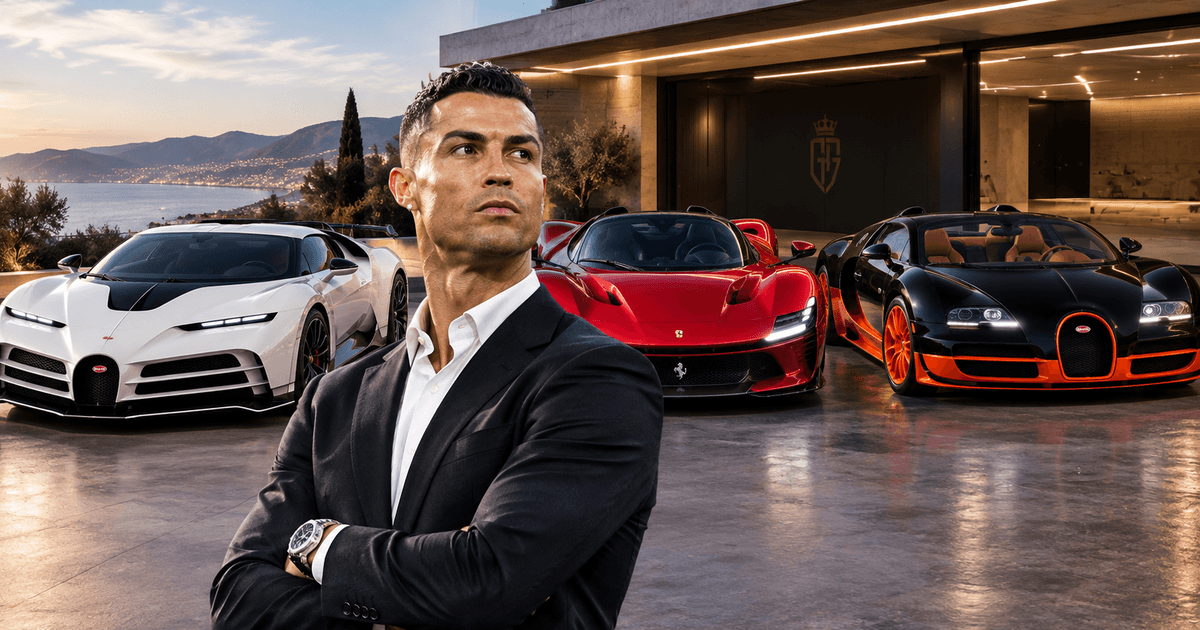
Cristiano Ronaldo's Top 5 Most Valuable Cars in His Extraordinary Collection
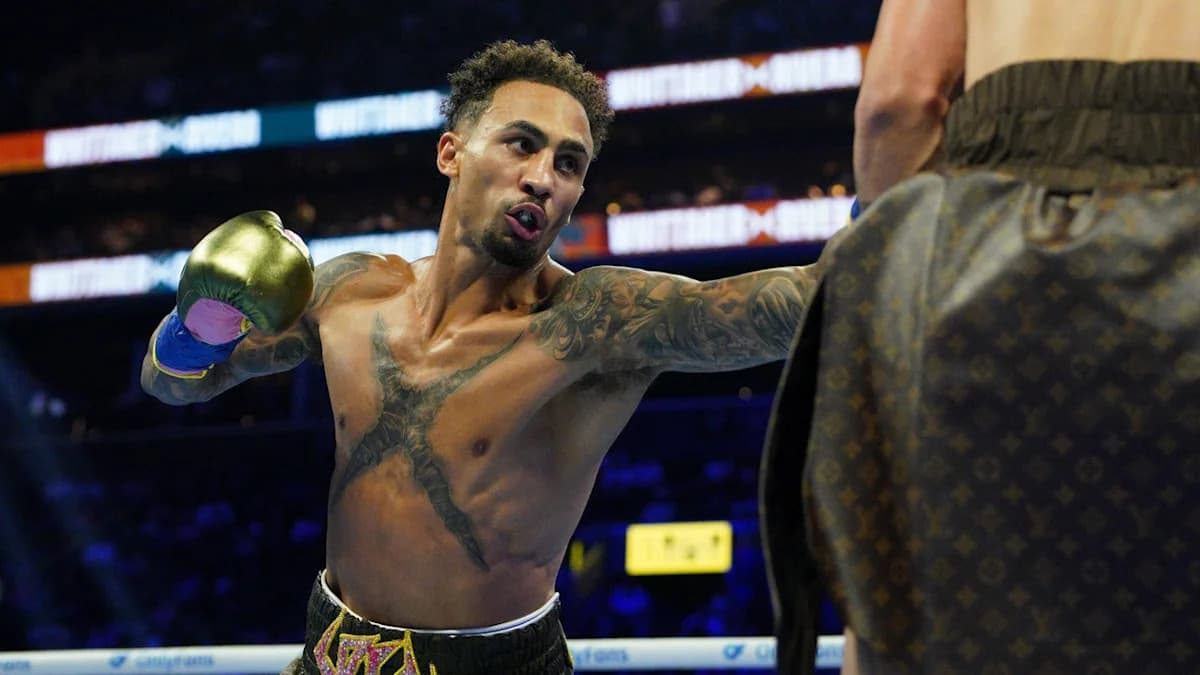
Ben Whittaker’s Challenge to Prove Eddie Hearn’s Bold British Boxing Bet
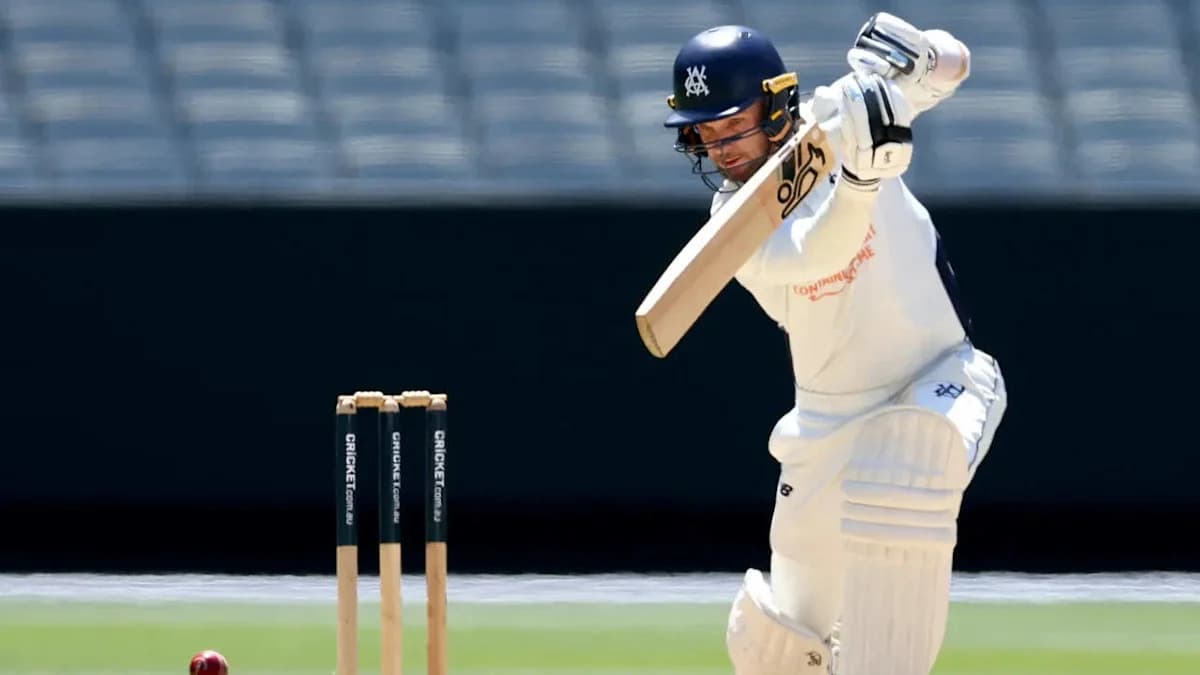
Peter Handscomb on the Challenge of Facing Indian Bowlers
How to Watch UFC 332: Silva vs. Wang Live on CBS and Paramount+ This Saturday
Raul Rosas Jr. Shares His Thoughts on the Shocking UFC Vegas 121 Finish Against Raoni Barcelos