
USWNT Players Shine in WSL Opening Weekend
Chelsea’s control, same old sting
Chelsea walked off opening weekend with the ball, the territory, and very little to show for it. Again.
A 1-1 draw with Aston Villa felt less like a point gained and more like a warning flare. The champions controlled the tempo, pinned Villa back for long stretches and carved out the kind of chances that usually bury opponents. They didn’t take them. Villa stayed alive, then landed the punch that mattered late on.
Alyssa Thompson lived on the shoulder of the back line, found pockets in the box and saw the game tilt toward her side of the pitch. What she didn’t find was the finish. For a player stepping into year two at Chelsea, that detail now looms large.
She arrives in this season with both opportunity and expectation. Millie Bright, Guro Reiten and Sam Kerr are gone, leaving a hole in leadership and end product. Someone has to step into that space. Thompson is near the front of the line.
Her rookie WSL campaign offered plenty of promise: a team‑leading seven league goals, smart movement, a willingness to run at defenders. That’s the base. The test now is whether she can turn those promising positions into ruthless returns while the team’s spine reshapes around her.
Her international picture looks brighter. On the right wing for the USWNT, Thompson has already struck four times and given Emma Hayes another genuine wide threat heading into qualifiers. The national-team door is open. To bolt it shut behind her, she needs exactly what Chelsea lacked against Villa: cold, decisive finishing when the game is there to be taken.
Coffey’s quiet but crucial step back
For Sam Coffey, opening weekend wasn’t about headlines. It was about minutes.
The midfielder finally returned from the knee injury that cut short her last WSL season and kept her out of the USWNT’s June friendlies, stepping onto the pitch in Manchester City’s 3-1 win over Birmingham City.
She replaced Laura Blindkilde Brown in the 73rd minute, a short cameo that mattered more than the stopwatch suggested. Coffey’s move from Portland Thorns midway through last season had started to click as City chased the WSL title; she had grown into her holding role, added bite and control in front of the back line, and looked increasingly settled in England before the setback.
Now she is healthy again, with a platform to pick up where she left off.
Her return also eases a problem for Hayes at international level. Without Coffey, the USWNT lacked a trusted specialist in holding midfield against Brazil, a gap that forced tactical compromises. Coffey doesn’t fix that with one substitute appearance in Manchester, but she does restore an option Hayes knows and rates.
The first box is ticked: she’s back on the field. The next is rhythm. If Coffey strings together performances and minutes for City, she doesn’t just rejoin the conversation for the USWNT’s No. 6 role — she can shape it.
Fox keeps Arsenal steady
Emily Fox rarely dips below a seven out of ten. Sunday was another reminder.
Lined up at her familiar outside back spot, Fox helped Arsenal grind out a 1-0 win over Brighton & Hove Albion to open their campaign. It wasn’t a spectacle. It didn’t need to be.
Arsenal pushed their line high, squeezed the pitch and hunted for turnovers that could turn quickly into overloads going the other way. That kind of approach demands trust in your fullbacks. Fox delivered it.
Since arriving in north London in 2024, she has become a metronome on the flank: strong in one‑v‑one duels, disciplined in her positioning, and selective but sharp when she steps forward. She links play without fuss, covers for centre-backs when the line is stretched, and offers enough going forward to keep opponents honest.
No highlight‑reel moments, no wild tackles, no dramatic last‑ditch blocks. Just control. For Arsenal and for the USWNT, that reliability is part of her value. Fox doesn’t need to dominate the conversation to shape the result.
Tullis-Joyce’s rough start and bigger battle
Phallon Tullis-Joyce’s season with Manchester United turned complicated almost immediately.
She opened with a couple of early saves, looked set for a routine bedding‑in period, and then came the eighth minute. A corner swung in, United’s marking faltered, and Alanna Kennedy rose to head home for London City Lionesses. Tullis-Joyce was caught out of position, punished in an instant.
United never fully settled at the back. The same defensive looseness reappeared late. In the 82nd minute, poor organization in the box handed Daniëlle van de Donk the space to improvise a clever finish behind her back. 2-1 to London City Lionesses, and United left staring at an opening‑day defeat loaded with defensive questions.
For Tullis-Joyce, the stakes stretch beyond club frustration. She is in the mix for the USWNT’s No. 1 shirt, a battle that will be decided as much by composure and distribution as by shot-stopping. Everyone knows she can make saves. The scrutiny now falls on her footwork, her decisions with the ball, and how calmly she can start attacks under pressure.
A strong, assured season at United could tilt that race in her favor. If she proves she can be as reliable with the ball at her feet as she is with her gloves, she doesn’t just stay in the conversation — she could change the pecking order entirely.
Related News

Bayern's Next Phase: Musiala's Return, Freund's Future, and Kane's Champions League Ambitions

USWNT Stars Under the WSL Spotlight: Thompson, Coffey, Fox, and Tullis-Joyce

USWNT Players Shine in WSL Opening Weekend

Chelsea's New Reality: Pressure and Performance in WSL

Runjaic's Injury Woes as Lazio Defeat Udinese 2-1
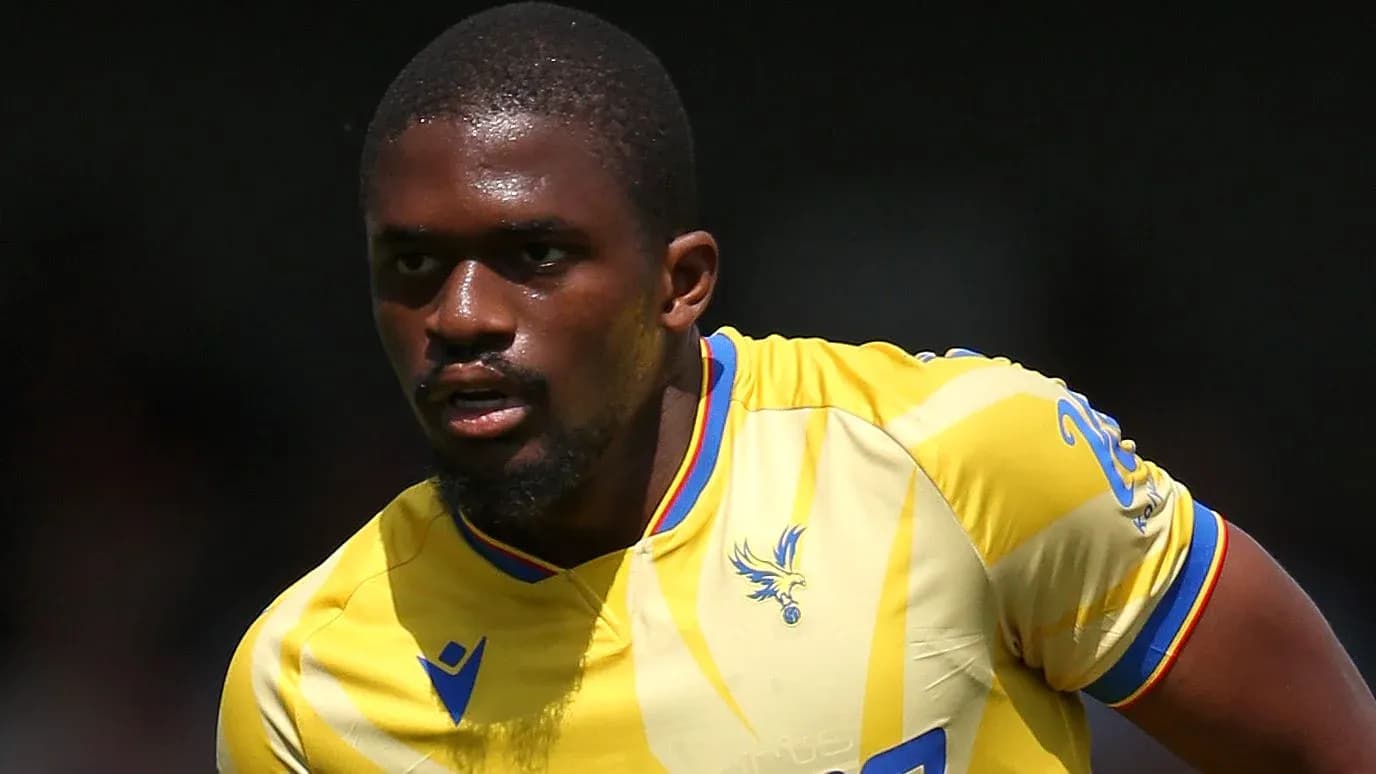
Cheick Doucouré Set to Return for Crystal Palace