
Washington Spirit Shocked by Boston Legacy in 3-0 Defeat
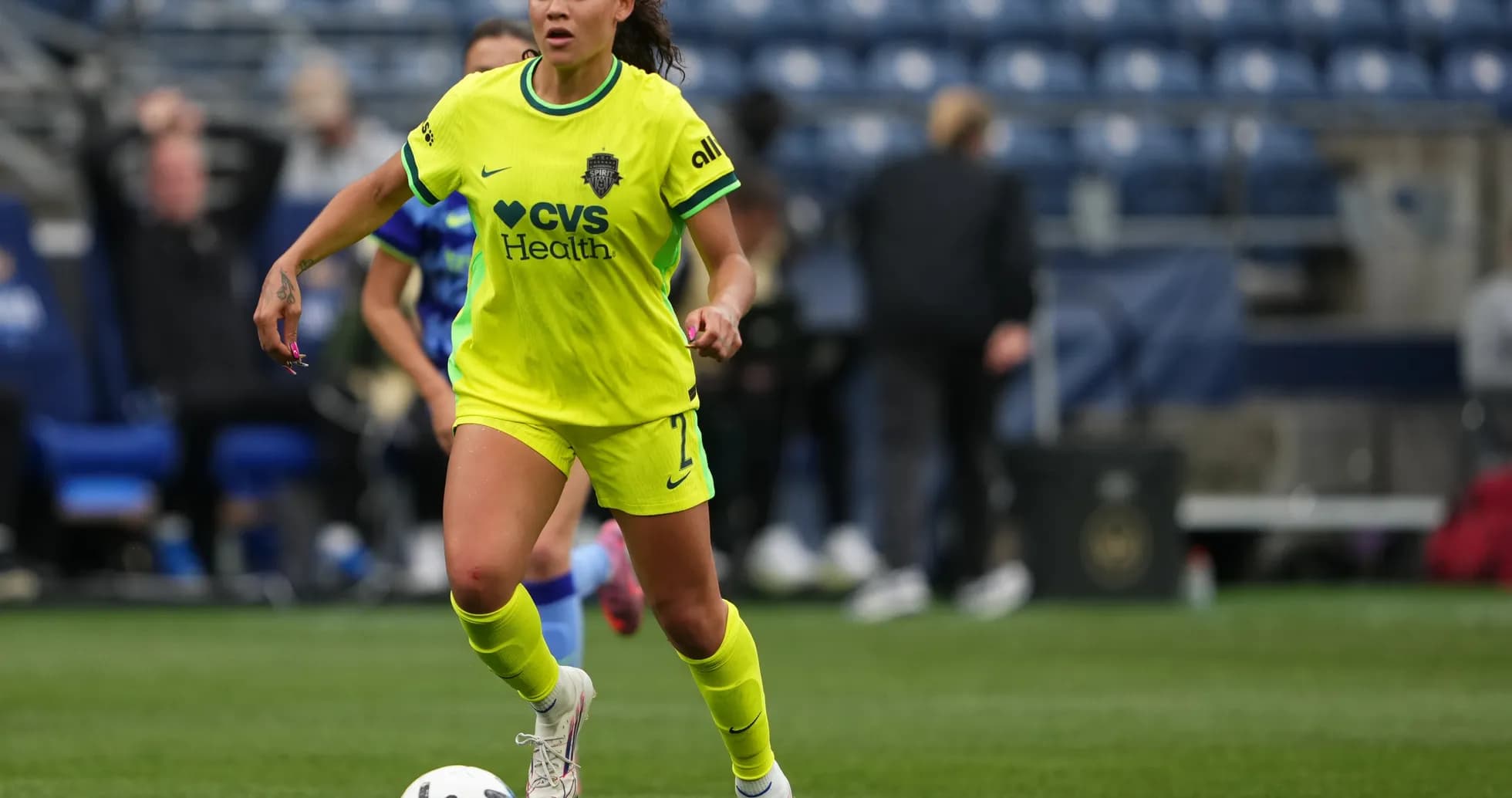
Audi Field emptied under the dusk light with a sense of shock. Washington Spirit W, a side sitting 2nd in the NWSL Women table and chasing play-off positioning, had just been dismantled 3–0 at home by a Boston Legacy W team that arrived in Washington ranked 13th and carrying a negative goal difference. Following this result, the league narrative around both squads shifts: Washington’s aura of control is punctured, while Boston’s survival fight suddenly has teeth.
I. The Big Picture – DNA vs Desperation
Across the season, Washington’s profile has been clear. Overall they have taken 43 points from 24 matches, with 13 wins, 4 draws and 7 defeats. Their overall goal difference is +10, built from 33 goals scored and 23 conceded. At home, they have been solid if not dominant: 6 wins, 1 draw and 5 losses from 12 matches, with 15 goals scored and 13 conceded. Their attacking output at Audi Field averages 1.3 goals per game, while they allow 1.1.
Boston arrived with a very different story. Overall they have 26 points from 24 games, with 7 wins, 5 draws and 12 defeats. Their overall goal difference is -9, from 31 scored and 40 conceded. On their travels they have been fragile but occasionally dangerous: 3 away wins, 3 draws and 5 losses from 11 games, scoring 11 and conceding 16, an away scoring rate of 1.0 and conceding rate of 1.5.
On paper, this was supposed to be a controlled home performance from Washington against a side that leaks 1.7 goals per game overall. Instead, Boston’s 4‑4‑2 at Audi Field ripped through a Washington 4‑3‑3 that never found its pressing triggers or defensive balance.
II. Tactical Voids – Structures Under Stress
Adrían set Washington up in a 4‑3‑3, a shape they have used less frequently this season than their preferred 4‑2‑3‑1 but one that maximizes their wide threat. S. MacIver started in goal behind a back four of G. Carle, E. Morgan, T. McKeown and P. Metayer. In midfield, M. Bethi, Hal Hershfelt and M. Ngock formed a three that was supposed to connect quickly with the front line of R. Kouassi, S. Cantore and the headline act, T. Rodman.
Boston’s response was a classic 4‑4‑2: C. Murphy in goal; a back line of N. Hernández, D. Davis, J. Carabalí and B. St‑Georges; a midfield band of B. Olivieri, A. Karich, Alba Caño and S. Schupansky; and a front two of S. Smith and A. Traoré. On the chalkboard, it looked like Washington would be able to overload central zones, but Boston’s two banks of four compressed space ruthlessly.
Disciplinary trends framed the undercurrent. Washington’s season card profile shows yellow cards clustering in the 31‑45 and 76‑90 minute windows, each segment accounting for 22.22% of their bookings, with a notable red card spike between 91‑105 minutes. Boston, by contrast, are serial card collectors across the middle and late phases of matches, with 20.51% of their yellows arriving in the final 15 minutes and red cards spread across 31‑45, 76‑90 and 91‑105 minutes. This is a side that plays on the edge, and at Audi Field that edge became an asset, not a liability.
For Washington, there was also a psychological void around penalties. Overall this season they have earned two spot kicks, scoring one and missing one. That 50.00% conversion rate hangs over late-game decisions in the box; they cannot rely on the penalty as a safety net when the open play mechanisms stall.
III. Key Matchups – Hunter vs Shield, Engine Room Battles
The marquee duel was always going to be T. Rodman against a Boston defence that concedes 1.5 goals per game on their travels. Rodman’s season numbers are elite: 8 goals and 4 assists in 24 appearances, 56 shots with 24 on target, and 23 key passes. She is both Washington’s finisher and creator, ranking among the league’s top scorers and assist providers. Her duel volume – 217 contests overall, 102 won – underlines her role as the side’s primary ball-progressor under pressure.
Yet Boston had answers. J. Carabalí, one of the league’s more combative defenders, brings 883 completed passes at 81% accuracy, 28 tackles and 6 successful blocks. Alongside her, B. St‑Georges adds 36 tackles and 5 blocks, while also posing a threat going forward. Crucially, St‑Georges carries a heavy disciplinary load: 3 yellows, one yellow-red and one straight red this season. She walks a fine line, but on this day Boston got the aggression without the collapse.
In front of them, the engine room battle tilted the match. For Boston, A. Karich is a metronome and enforcer rolled into one: 1,159 passes at 82% accuracy, 46 tackles, 4 blocks and 19 interceptions, plus 6 yellow cards. Alba Caño adds 48 tackles, 6 blocks, 20 interceptions and 30 key passes. Together they formed a double pivot that screened passing lanes into Rodman’s feet and forced Washington’s midfield three to play sideways.
On the other side, Hal Hershfelt and M. Ngock were asked to both protect the back four and feed the front three. Without a natural deep‑lying controller like A. Sullivan in the starting XI, Washington’s midfield lacked a stabilizing presence. Sullivan’s season numbers – 260 passes at 86% accuracy, 10 tackles, 10 interceptions – suggest the kind of calm, first‑phase passer who might have helped Washington play through Boston’s first line. Instead, Boston’s press repeatedly forced Washington into rushed long balls that their centre-backs could handle.
Up front, Boston’s “Hunter” was A. Traoré. With 8 goals and 1 assist in 23 appearances, plus 44 shots (21 on target), she is Boston’s primary threat. Her 190 duels contested, 95 won, and 42 fouls drawn show a forward who relishes contact and can pin centre-backs. Against Washington’s pairing of McKeown and Morgan, Traoré’s ability to receive under pressure and roll defenders opened space for late-arriving runners like B. Olivieri and S. Smith.
IV. Statistical Prognosis – What This Result Tells Us
Following this result, the season-long numbers take on a different shade. Washington’s overall scoring rate of 1.4 goals per game and concession rate of 1.0 still speak of a top-tier side, but the pattern is stark: at home they have already failed to score 4 times and kept only 4 clean sheets in 12 matches. Their biggest home defeat before this was 0‑3; Boston have now matched that margin at Audi Field, reinforcing a vulnerability when Washington chase games and open their structure.
Boston, meanwhile, have been outscored 40–31 overall, but they now have a statement away performance to pair with their best away win of 3‑0. They still concede 1.5 goals per away game and have only 2 away clean sheets overall, yet the template on display in Washington is repeatable: a compact 4‑4‑2, a disciplined if aggressive back line, and a front pairing that punishes transitions.
From an xG-style lens, the underlying profiles suggest Washington will usually create more than they concede, especially against a side that allows 1.7 goals per game overall. But when their pressing shape misfires and Rodman is isolated, their attack becomes too dependent on individual brilliance. Boston’s structure, anchored by Karich and Alba Caño and spearheaded by Traoré, is built to exploit exactly that kind of disjointed favourite.
The 3‑0 scoreline at Audi Field is more than a shock result; it is a tactical warning. For Washington, the path forward is about re‑centering their midfield control and reducing exposure in those late-game windows where their card profile spikes. For Boston, this is the blueprint: keep the block tight, trust the engine room, and let Traoré and her supporting cast turn desperation into a weapon.
Related News
San Diego Wave W Edges North Carolina Courage W in NWSL Showdown
Orlando Pride W vs Portland Thorns W Stats: Head-to-Head Record
San Diego Wave W vs Kansas City W Stats: Head-to-head Record
Kansas City and Orlando Pride Share Points in Thrilling 2–2 Draw
San Diego Wave W Clinches 2-1 Victory Against North Carolina Courage W
Portland Thorns W vs Chicago Red Stars W: Predicted Lineups and Match Preview