
World Cup Tension Rises as England Stalls and Ronaldo Roars
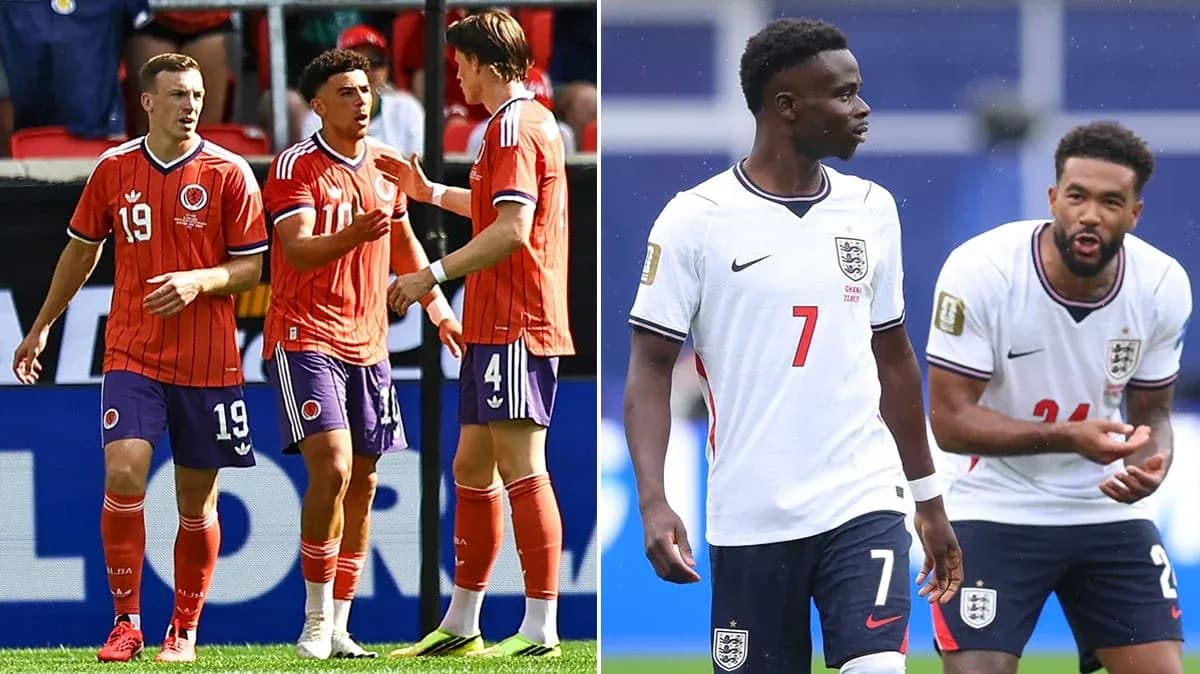
Jude Bellingham walked through the mixed zone with the look of a man who knew the inquest was coming. England had just played out a flat, goalless draw with Ghana in Boston, their path to the last 32 delayed, their performance dissected in real time.
His verdict cut through the noise. “Second game fever.” Roll with it. Learn from it. Move on.
It was a neat phrase for an awkward truth. This was England’s fourth straight draw in the second match of a major tournament, stretching back to Euro 2020. The pattern is becoming a habit. The kind that drains momentum.
England stuck in neutral
The 0-0 against Ghana kept England top of Group L, but it did little for the mood. They could have sealed qualification; instead, they drift into Saturday’s meeting with Panama needing a reset as much as a result.
Bellingham, named man of the match, refused to panic. The message from inside the camp is clear: don’t get too high, don’t get too low. Eberechi Eze echoed it, insisting the draw “changes nothing” about England’s approach and that the group dynamic remains under control. Win against Panama, or at least better Ghana’s result against Croatia, and top spot is theirs.
The frustration, though, is hard to ignore. Harry Kane, who scored twice against Croatia, barely had a sight of goal until the dying moments in Boston. Then came the chance. Seven yards out. The net begging. He lashed it over.
Kane, 32 now and hardened by a career of scrutiny, shrugged off the miss. “It’s part of a striker’s life,” he said, pointing out that “nine times out of 10” he scores that chance. He won’t dwell on it. He never has. He also rejected the idea that England lean too heavily on him, arguing that any No 9 at a major nation carries that expectation.
Eze backed his captain. It only looks like over-reliance, he argued, because Kane scores so often. Behind him, he insists, sits “so much talent, so much creativity, and options to score.”
Yet the numbers don’t change the picture from Boston: England created flashes, hit the underside of the bar through Nico O’Reilly, but never truly shook Ghana out of their shape. It felt like a game that needed a moment of chaos or genius. It never came.
Fitness fears and disciplinary danger
The concern is not just about rhythm. It’s about bodies and bookings.
Declan Rice, one of England’s more assured performers on the night, limped away from Boston Stadium with his leg strapped. The early word is that there’s no long-term issue, but he and Reece James will both be assessed before the Panama game. With qualification almost secure, Thomas Tuchel may be tempted to protect them.
Rice also carries England’s first disciplinary shadow of the tournament. His yellow card for a foul on Jerome Opoku means one more booking against Panama would rule him out of the second-round tie. Under FIFA rules, two yellows before the end of the group stage trigger a one-game ban, with cautions wiped afterwards. It leaves Tuchel with a decision: risk his midfield anchor now, or rotate and trust the squad.
Even the laws themselves became part of the England story. Bellingham found himself at the centre of a World Cup storm when a photo emerged of him covering his mouth while speaking to Jordan Ayew. Under a new FIFA directive, players can be sent off for hiding their mouths during confrontations. Paraguay’s Miguel Almiron has already become the first man dismissed under the rule after a heated exchange against Turkiye.
Bellingham, though, escaped sanction because his chat with Ayew was deemed friendly, not confrontational. No card, no VAR intervention, no drama on the pitch. Off it, plenty. Reports in Spain claim Paraguay have lodged an official complaint with FIFA, arguing the rule is being applied inconsistently after Almiron’s red and Bellingham’s let-off.
The World Cup row is gathering pace; the stakes for England are high enough without legal fine print hanging over their brightest star.
Calm in the stands, questions on the pitch
If the football felt flat, the behaviour in the stands drew praise. Around 30,000 England fans packed into Boston Stadium and, according to UK Football Policing, did so without a single arrest of a British national.
Chief Constable Mark Roberts hailed their conduct as “exemplary”, echoing similar scenes in Dallas earlier in the tournament. Local bar owners and US authorities have spoken warmly not just about England’s support, but also the Scotland fans who have followed their side from city to city.
For now, England sit top of Group L and on a collision course with Scotland in the last 16 in Mexico City on July 6. That projection will shift with one result, one off-night, one moment. The margins are that fine.
Ronaldo’s response
While England stalled, Cristiano Ronaldo roared. Under pressure, questioned, nudged towards the exit door by critics after a poor opening display against DR Congo, he did what he has done for nearly two decades: he scored.
Twice.
His brace in Portugal’s 5-0 demolition of Uzbekistan in Group K felt like a personal statement as much as a team performance. After the match he told the world he was “back”, a defiant message that drew inevitable comparisons with Wayne Rooney’s infamous “big man is back in town” line from 2006.
Back then, the swagger did not match the output. England crashed out to Portugal, and Rooney limped home with more regrets than goals. Ronaldo, though, has never been shy of embracing the stage.
Bruno Fernandes, who set up Ronaldo’s second, admitted the squad felt a sense of relief. Their captain, he said, is the “go-to player in attack”, and seeing him score at a World Cup still matters. Portugal, already looking ominous, now head into a group decider against Colombia in Miami with their talisman warmed up and the Golden Boot conversation nudging his way again.
Scotland’s date with Brazil
If England’s draw was a stumble, Scotland’s night in Miami is a tightrope walk.
Steve Clarke’s side face Brazil with their World Cup hopes balanced on the finest of edges. The 1-0 defeat to Morocco, sealed by Ismael Saibari’s goal inside 70 seconds, dragged all the old Scottish anxieties back to the surface after a laboured 1-0 win over Haiti.
Now comes the hardest assignment of all: five-time champions Brazil, coached by Carlo Ancelotti, with Neymar fit and itching to play his first minutes of the tournament after a calf problem. The Barcelona forward Raphinha, ruled out with a hamstring injury, is their only major absentee.
Ancelotti, though, has no intention of treating Scotland lightly. He called them “fighters”, praised the quality and experience of Scott McTominay and John McGinn, and dismissed the notion of any easy World Cup game. Brazil, he warned, are ready for a “difficult game”.
Scotland’s permutations are simple enough to state, brutal enough to live through. Beat Brazil and they are through, with a chance of even topping Group C if Morocco slip against Haiti. A draw would almost certainly do the job, taking them to four points – the magic number that usually secures a spot among the eight best third-placed teams.
Lose, and the calculators come out. A narrow defeat, matching the 1-0 scoreline against Morocco, would leave Scotland on three points with a goal difference of -1. That might, just might, be enough to squeeze through as one of the leading third-placed sides, depending on how chaos unfolds elsewhere.
No wonder the Tartan Army has poured into Miami in such numbers. Kilts on the sand, bagpipes on the boardwalk, beer in hand and songs traded with Brazilian fans on the beach. Police have praised the Scotland support for creating an “unforgettable atmosphere” as they’ve taken over Miami Beach. The party is in full swing. The tension is, too.
And for those wondering why Scotland and Morocco kick off at the same time? The scars of 1982 still run deep. After the “Disgrace of Gijón”, when West Germany and Austria were accused of playing out a mutually beneficial 1-0 to dump Algeria out, FIFA locked in simultaneous final group games to prevent manipulation.
This year, that principle faces a new threat from the skies. France’s match with Iraq has already been stretched by severe storms, and FIFA has admitted there is no special weather clause guaranteeing all final group fixtures can start together. Article 12.4 insists on simultaneous kick-offs “unless stipulated otherwise… in cases of force majeure”. Heavy rain and lightning could yet test that wording – and the integrity of the format.
Neymar back, Messi relentless, Germany ruthless
Brazil are not the only giants refusing to ease off. Germany, already qualified, will treat their clash with Ecuador “like a final”, according to midfielder Nadiem Amiri. He spoke of momentum, responsibility to the tournament, and a desire not to coast through a dead rubber. The message: no experiments, no drop in intensity, no free passes.
Argentina are taking a similar line, but with a familiar twist. Lionel Scaloni has already won Group J with a game to spare, yet he has no intention of wrapping Lionel Messi in cotton wool against Jordan in Dallas. Messi, five goals in two games and leading the Golden Boot race, wants to play at least 45 minutes. Scaloni will rotate elsewhere, with the likes of Guillano Simeone, Valentin Barco and Jose Manuel Lopez expected to start, but his captain remains central to the show.
Scaloni will likely be without Cristian Romero until the last 16 due to a muscle problem, another reminder that even the strongest squads are one injury away from a different tournament. Argentina will return to a furnace in Dallas on Friday, with temperatures forecast at 100F. Hydration breaks, once a novelty, are rapidly becoming a necessity – and Gianni Infantino has already floated the idea of keeping them beyond this World Cup.
Subplots and superstition
World Cups always attract the surreal, and this one is no exception. In Ghana, self-styled “witch doctor” Nana Kwaku Bonsam claimed credit for Kane’s blank against the Black Stars, boasting he had worked a spell to stop the England captain scoring. Now, with Panama up next, he says he has “released” Kane so he can find the net again. Superstition or sideshow, it adds another layer to a narrative that scarcely needs more.
Back in the real world, Christian Pulisic has delivered the USA a one-word boost – “yes” – when asked if he’ll be fit to face Turkiye after missing the win over Australia. Argentina’s group is settled, but the hosts in California are still fighting for their place, hours after a 5.6 magnitude earthquake shook Mendocino County and sent tremors as far as Sacramento.
Off the pitch, money and access remain a running sore. Gordon Brown has called for an inquiry into World Cup ticket prices, accusing FIFA of “fleecing” ordinary fans and warning that families are being priced out of the game. He claimed final tickets are 30 to 40 times the cost of the Euro final in Germany, branding the current levels “extortionate” and demanding change.
The road ahead
So the World Cup rolls into its third round of group fixtures with England needing a spark, Scotland needing nerve, and Ronaldo, Messi and Neymar all insisting they are far from done with this stage.
England’s draw with Ghana did not derail their campaign, but it stripped away the comfort of an early qualification and re-opened familiar debates about creativity, reliance on Kane and tournament rhythm. Panama now looks less like a formality and more like a test of character.
For Scotland, Brazil in Miami is something else entirely: a night that can rewrite history or reinforce it. Their World Cup story has rarely extended beyond the group stage. Their supporters have rarely cared. This time, though, the path is open. Narrow, treacherous, but open.
The question is no longer whether the big names will turn up. They already have. It’s which of these nations, balanced on the edge of possibility, will handle the strain of the next 90 minutes – and which will be left wondering how quickly everything slipped away.
Related News
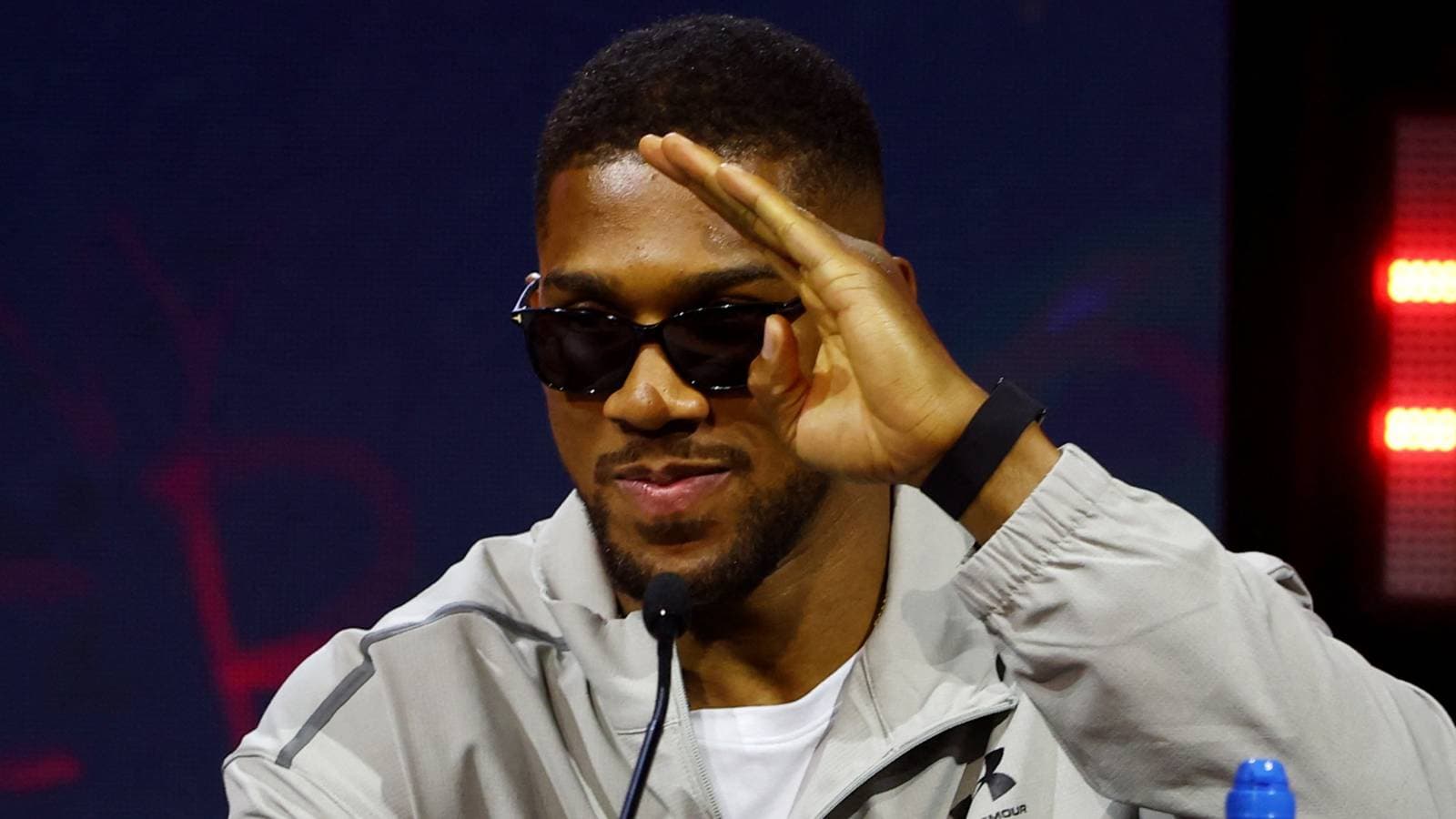
Anthony Joshua Names Murat Gassiev as Next Opponent if He Defeats Tyson Fury

UFC 332: Start Time and Fight Highlights for Natalia Silva vs. Wang Cong
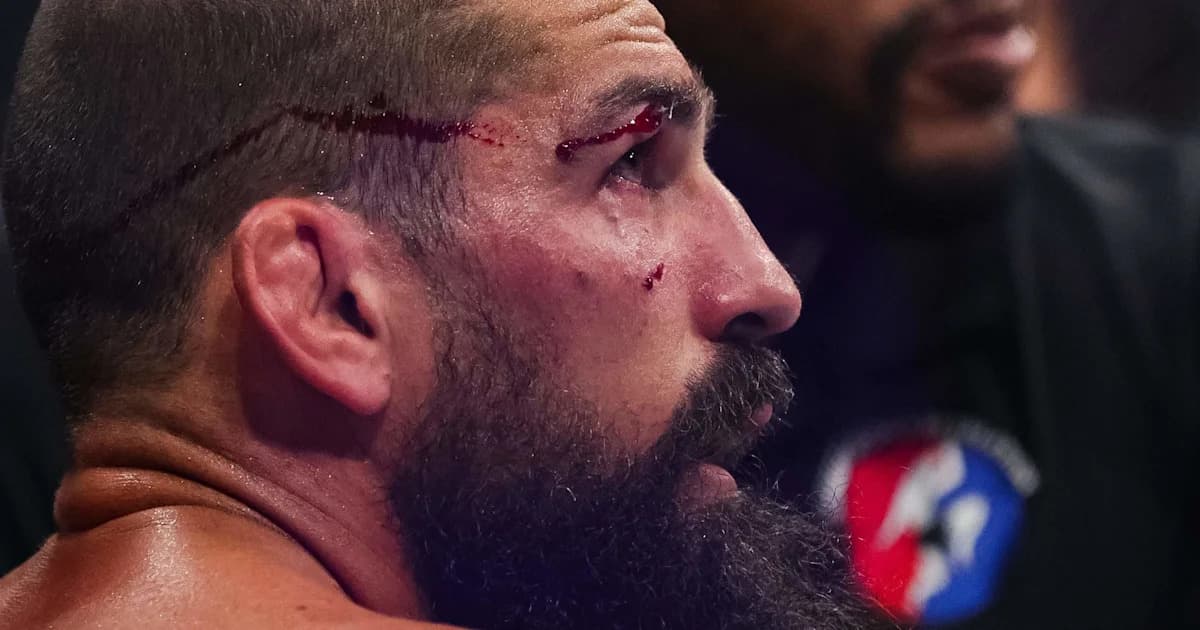
Court McGee Opens Up About Choosing UFC 332 as His Final MMA Fight
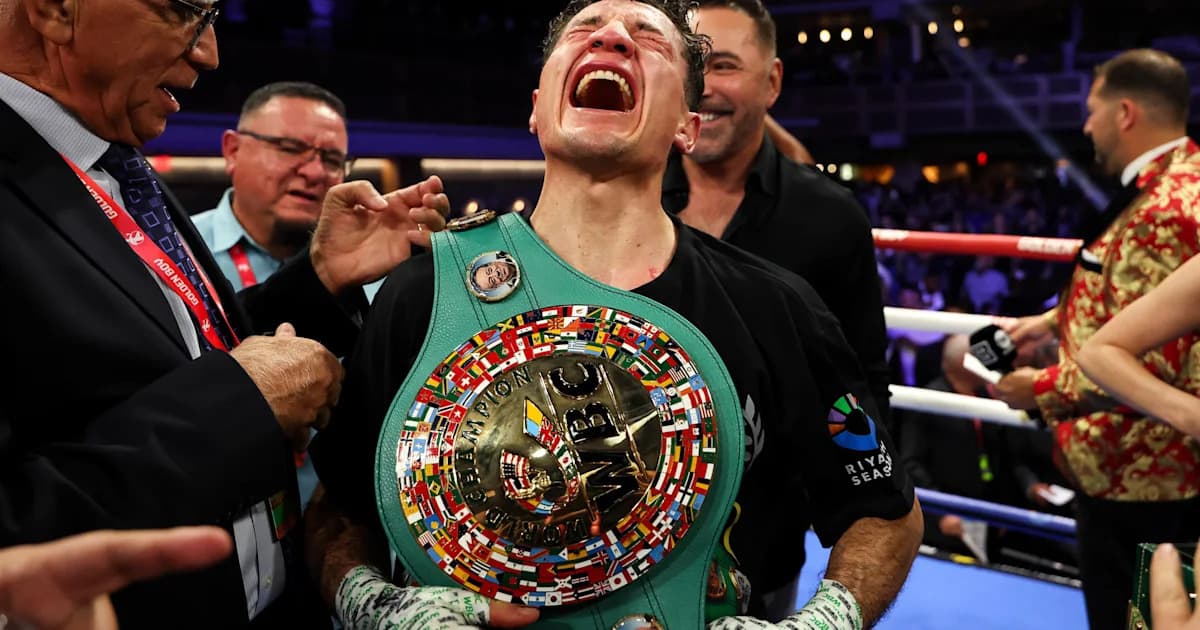
WBC Orders Lightweight Title Unification: William Zepeda vs Jadier Herrera
BCCI Pension List: Monthly Payments to Retired Indian Cricketers in 2025
Why Fury vs Joshua Is Set for Cardiff, and Dua Lipa’s Unexpected Role