
Brentford vs Crystal Palace: Premier League Clash with Season Stakes
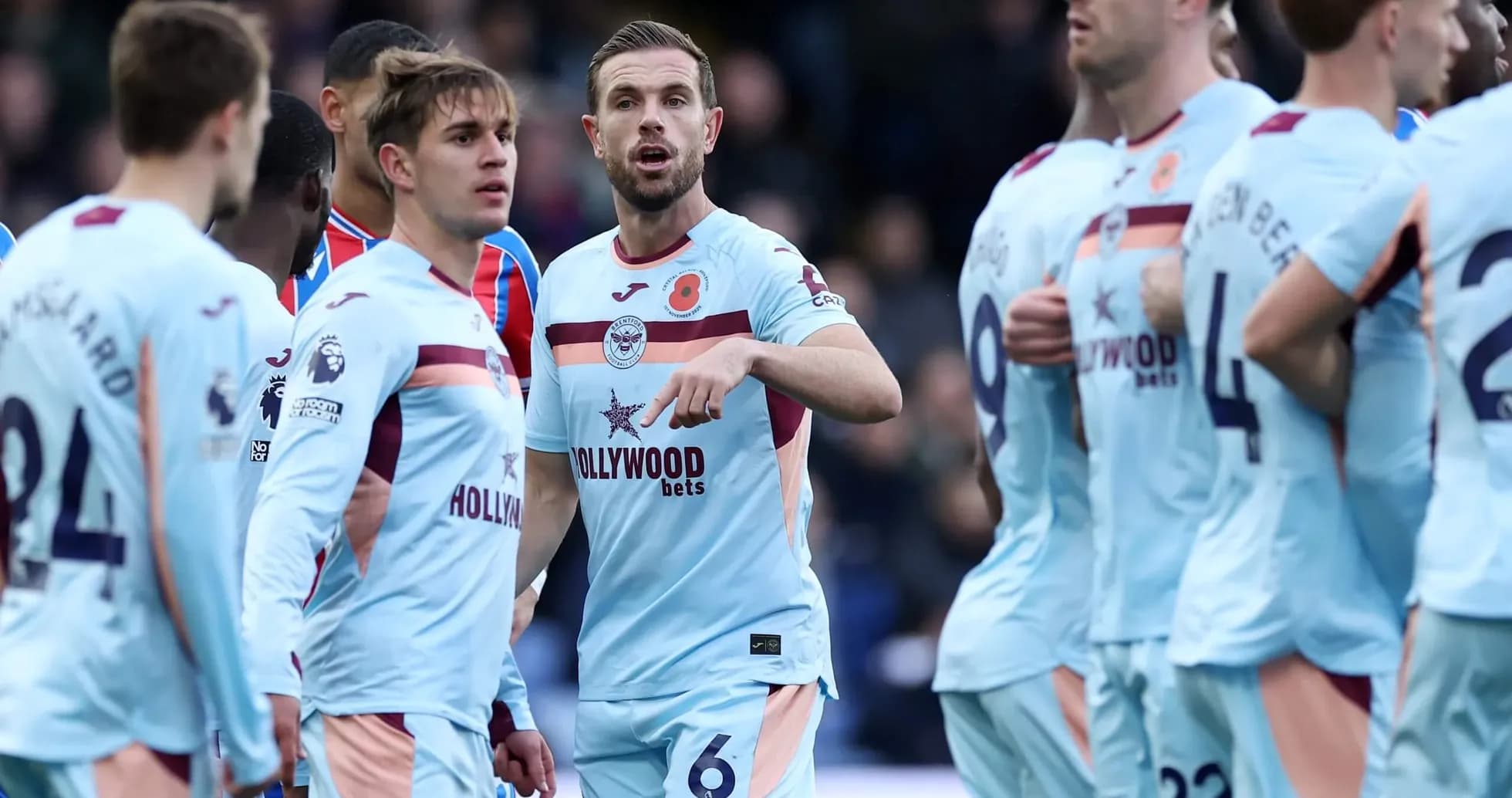
With two rounds left in the 2025 Premier League, Brentford host Crystal Palace at the Brentford Community Stadium in a mid‑table clash that still carries real seasonal weight: Brentford sit 8th on 51 points and can push for a top‑eight, potentially European‑relevant finish, while 15th‑placed Crystal Palace on 44 points are not mathematically safe and need a result to avoid being dragged toward the relegation battle in the final week.
Head-to-Head Tactical Summary
Recent meetings have been finely balanced but venue‑dependent. On 1 November 2025 at Selhurst Park, Crystal Palace beat Brentford 2-0 (HT 1-0), controlling the scoreline from in front. Earlier in the same year, on 26 January 2025 at Selhurst Park, Brentford responded with a 2-1 away win (HT 0-0), overturning a level first half. The 2024 opener on 18 August at the Gtech Community Stadium saw Brentford edge a 2-1 home victory over Palace (HT 1-0). In 2023, Palace were stronger at Selhurst Park, winning 3-1 on 30 December (HT 2-1), while the 1-1 draw on 26 August 2023 at the Gtech Community Stadium (HT 1-0 to Brentford) underlined how tight this fixture can be when Brentford are at home.
Global Season Picture
- League Phase Performance:
Brentford: In the league phase they are 8th with 51 points from 36 matches, scoring 52 and conceding 49 (goal difference +3). Home form has been a relative strength: 31 goals for and 19 against in 18 home games.
Crystal Palace: In the league phase they are 15th with 44 points from 36 matches, with 38 goals scored and 47 conceded (goal difference -9). Away from home they have 20 goals for and 26 against in 18 matches, indicating a slightly more productive attack on the road but still a negative goal balance. - Season Metrics:
Scope detection shows team statistics games played (36) match the standings, so these numbers apply in the league phase. Brentford’s profile is that of a balanced but occasionally open side, with 52 goals for and 49 against and a tendency to see games open up in the final half hour, reflected in higher yellow‑card counts between minutes 61-90 (38.46% of their yellows). They have used a 4-2-3-1 in 27 league matches, indicating a consistent focus on a single striker supported by a creative three, and have converted all 8 penalties (100.00%), highlighting composure from the spot. Crystal Palace, also in the league phase, show a more conservative attacking output (38 goals) but a slightly tighter defensive record (47 conceded). Their reliance on a back‑three system is clear, with 3-4-2-1 used in 31 matches, leaning on structure and compactness. Both sides are disciplined in high‑leverage moments: Palace have scored all 7 of their penalties (100.00%), and both teams’ red cards are rare and concentrated in specific time windows rather than systemic ill‑discipline. - Form Trajectory:
Brentford: The standings form string “LWLDD” shows inconsistency: three results without a win in the last three, but with only two defeats in the last five. They are grinding out draws rather than collapsing, which keeps them stable in the upper mid‑table but limits upward momentum.
Crystal Palace: The “LDLLD” sequence points to a clear downward trend: no wins in five, three losses, and only two points collected. Palace are sliding toward the lower pack and, while not yet in the bottom three, this pattern increases the risk that a poor result here leaves them vulnerable on the final day.
Tactical Efficiency
Without explicit numeric attack/defense indices from the comparison block, the efficiency picture must be inferred from league‑phase outputs and usage patterns. Brentford’s attack is relatively efficient for a mid‑table side, at 52 goals in 36 games (1.4 per match in the league phase), supported by a consistent 4-2-3-1 and a perfect penalty record (8/8). However, conceding 49 (1.4 per match) suggests that their attacking intent is offset by exposure in defensive transition, especially away; at home, 31 for and 19 against underline a more controlled defensive platform. Crystal Palace’s attack is less productive at 38 goals in 36 matches (1.1 per game in the league phase), but their defense at 47 conceded (1.3 per game) is marginally tighter than Brentford’s. Their dominant 3-4-2-1 structure points to a priority on stability and compactness, with the trade‑off of limited attacking volume. In efficiency terms, Brentford convert their more open, chance‑driven style into a higher goal output, while Palace’s more conservative approach keeps games closer but leaves them with less margin for error when they fall behind, as seen in several recent defeats.
The Verdict: Seasonal Impact
This fixture’s impact is asymmetrical but significant for both sides. For Brentford, a home win would likely consolidate a top‑eight finish in the league phase and keep them in any late push for higher mid‑table or outside European consideration, strengthening the narrative of steady progression and validating their attacking approach. Dropped points, especially a defeat, would probably confine them to mid‑table anonymity and invite questions about whether their defensive numbers (49 conceded) are capping their ceiling. For Crystal Palace, the stakes are more immediate: with 44 points and poor recent form, a loss would leave them exposed to being overtaken by teams below and could drag them into final‑day jeopardy if results elsewhere turn against them. A draw would steady the slide and move them closer to safety, but a win would be transformative, effectively securing their Premier League status for 2026 and giving tangible proof that their structural, defense‑first approach can still deliver high‑pressure results away from Selhurst Park. In strategic terms, this is a classic late‑season hinge game: Brentford are playing for upward positioning and project strength, while Palace are playing to close the door on relegation risk before the final weekend.
Related News

Premier League Managers Facing Potential Sackings During International Break

Arsenal's Myles Lewis-Skelly Names Unexpected Tottenham Rival as Toughest Premier League Opponent

Three Premier League Players Shining Early This Season

Premier League Early Season Reactions: Man City’s Strength, Arsenal’s Flaws, United’s Struggles

Premier League Returns October 10 After Extended September-October International Break

Fulham and Manchester United Share Points in 1-1 Draw