
Chelsea Fined £10m as Abramovich Era Shadows Club's Rebuild
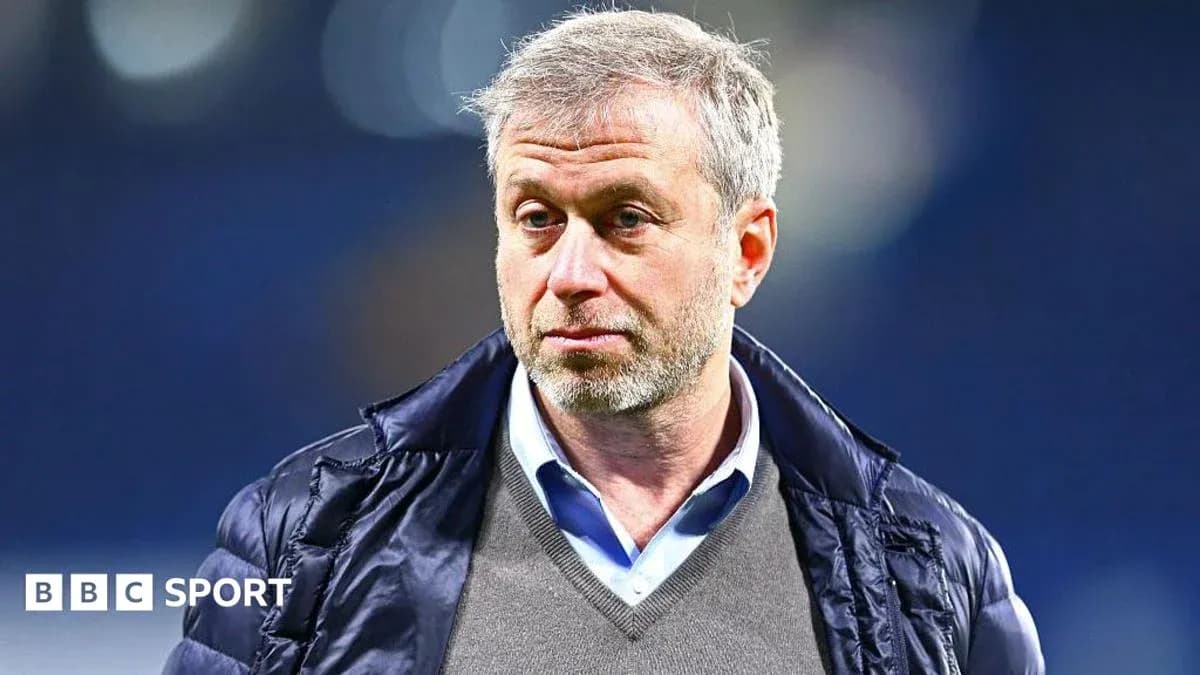
Chelsea’s modern rebuild has been jolted by another reminder of its past. The club have been fined £10m and handed a suspended transfer registration ban for two windows after admitting to years of secret payments to agents and third parties.
The punishment stems from 74 breaches of Football Association regulations, all rooted in the Roman Abramovich era. Between 2011 and 2018, Chelsea made £47m in undeclared payments to unregistered agents and intermediaries, concealed from the game’s authorities and only exposed when new owners Todd Boehly and Clearlake Capital took control in 2022 and opened the books.
Their decision to self-report shaped the outcome.
Fine cut down, but message clear
The FA initially set the financial penalty at £26m. That figure did not survive the disciplinary process.
Self-reporting and full co-operation earned Chelsea a one‑third reduction to £17.25m. An early guilty plea shaved off another third, bringing the number down to £11.4m. With Uefa and the Premier League having already sanctioned the club over related matters, the FA panel trimmed the total again, settling on £10m.
The governing body insisted the punishment still carries weight. It called the sanction “an appropriate penalty” designed not just to hit Chelsea but to send a warning across the game: this is meant to hurt, and it is meant to deter.
The money will not disappear into a general pot. The FA has said the £10m will be invested into grassroots football, a pointed redistribution of funds that were once channelled into murky corners of the transfer market.
Suspended transfer ban and points threat eased
Alongside the fine, Chelsea have been given a suspended ban on registering new players for two transfer windows. The ban hangs over the club but will only be activated if they commit fresh breaches of the relevant regulations before 30 June 2027.
A separate threat has been lifted. A six-point deduction, previously suspended until that same 2027 deadline, has been “set aside” on appeal. For a club still trying to stabilise on the pitch after a turbulent period of spending and underperformance, removing that immediate risk to their Premier League status is no small relief.
Yet the disciplinary cloud has not fully cleared. The FA made it clear its work is not done, stating it is “continuing to investigate individual misconduct arising out of this case”. The focus now moves from institutional wrongdoing to potential personal accountability for those involved in arranging or authorising the payments.
Abramovich legacy under the microscope
Every breach cited by the FA dates back to Abramovich’s ownership. The Russian billionaire transformed Chelsea on the field, turning them into serial trophy winners, but the financial architecture underpinning that success is being unpicked long after his departure.
Abramovich was sanctioned by the UK government in March 2022 over alleged links to Russian president Vladimir Putin, allegations he has denied. His forced exit triggered the Boehly‑Clearlake takeover and, with it, the forensic review that exposed the hidden payments.
For the new regime, the latest ruling cuts both ways. On one hand, the club’s co‑operation and self-reporting have clearly softened the blow. On the other, Chelsea must now operate under the watchful eye of domestic and European regulators, knowing any misstep could activate the suspended transfer ban and invite fresh scrutiny.
The trophies of the Abramovich era still glitter in the cabinet at Stamford Bridge. The bill for how that era was funded, though, is still arriving — and the game is only just starting to reckon with its true cost.
Related News
Carlos Alcaraz Calls for Change After Laver Cup Court Conditions
Alexander Zverev Secures Laver Cup Victory for Team Europe with Straight-Set Win Over Learner Tien
Novak Djokovic Shares Fitness Update Before China Open Return After US Open Upset

Shubman Gill's Captaincy Record Across All Formats: Tests, ODIs, T20Is, and IPL
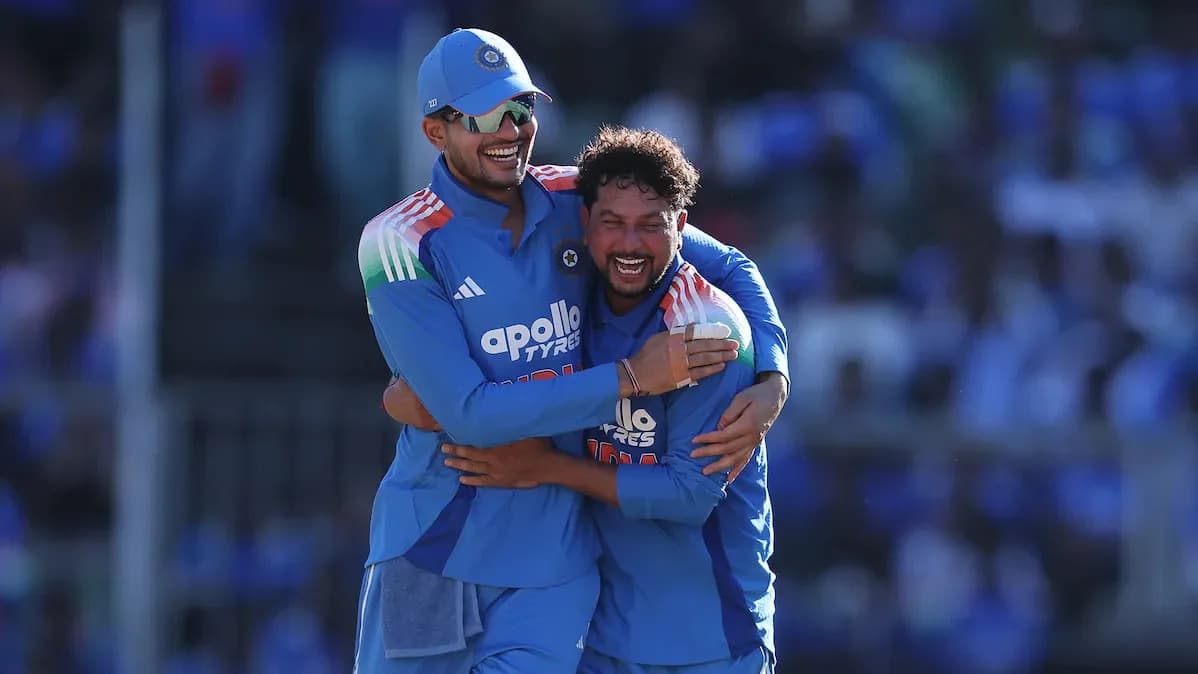
Kuldeep Yadav Named Player of the Match Over Virat Kohli Despite Century in IND vs WI 1st ODI
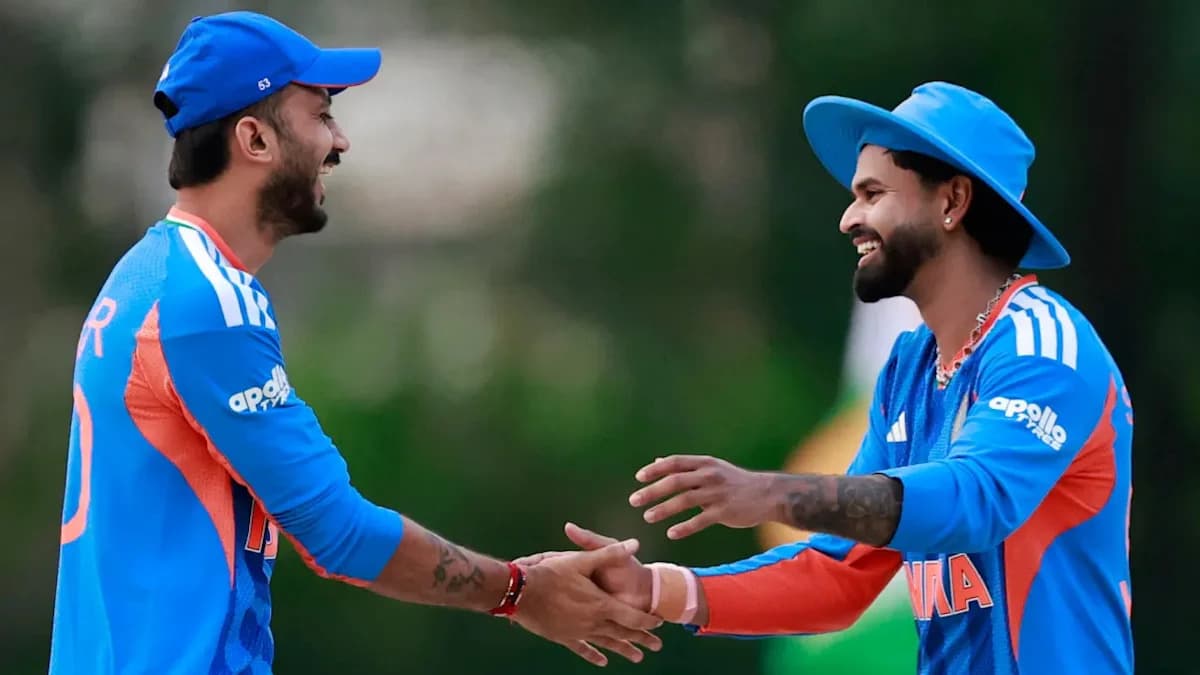
India Advances to Asian Games 2026 Cricket Semi-Finals After Rain Washout Against Afghanistan