
Eddie Howe Departs Newcastle After Transformative Era
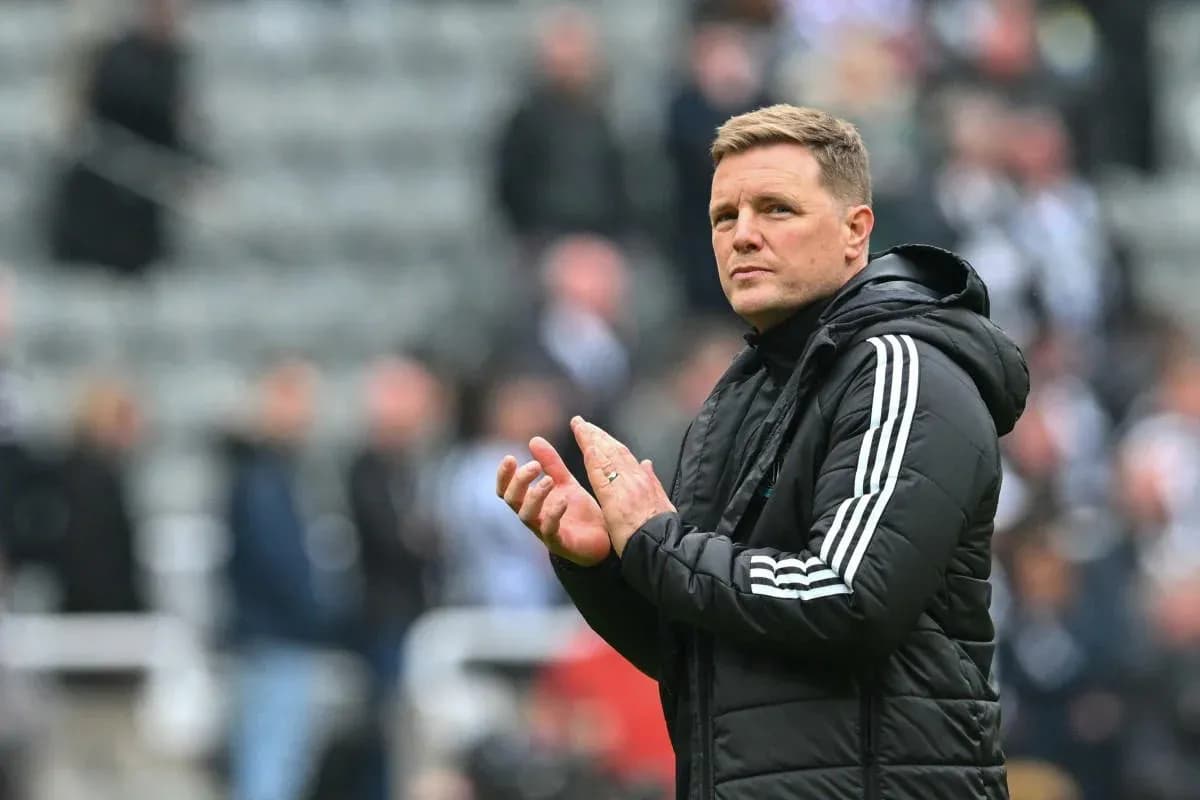
Eddie Howe is leaving Newcastle United after five years in charge, drawing a sudden line under one of the club’s most transformative modern reigns.
The 48-year-old’s departure, reported on Thursday by the BBC and Sky, closes a chapter that began in November 2021 when he replaced Steve Bruce and walked into a club flirting with relegation and craving relevance. He leaves having delivered both silverware and Champions League nights — and yet under the cloud of a deeply underwhelming domestic campaign and a squad being stripped of key talent.
From survival fight to silverware
When Howe arrived at St James’ Park, Newcastle were entrenched in the bottom three. Within two years, they were back among Europe’s elite. He drove the club into the Champions League in 2023 and repeated the feat in 2025, a turnaround that reshaped expectations on Tyneside almost overnight.
The defining moment came in March 2025. Newcastle lifted the League Cup, their first major trophy since 1969. For a fanbase that had grown used to false dawns and near-misses, Howe delivered something tangible, something that could be held, paraded, remembered.
That triumph cemented his status as the figurehead of the club’s new era under ambitious ownership. St James’ Park rediscovered its noise, its edge, its sense of purpose.
A brutal comedown
Then came last season.
Newcastle slid to 12th in the Premier League, losing 17 of their 38 matches. The intensity that had defined Howe’s best sides dulled. Injuries, fatigue, tactical questions — all of it fed into a campaign that never truly caught fire.
The numbers were unforgiving. A team that had been built to push the top four suddenly looked ordinary, vulnerable, beatable. Pressure grew. The questions that had once been about how far Howe could take this group turned into doubts about whether he was still the man to lead the next phase.
Those doubts only deepened as the summer unfolded.
Squad stripped of stars
Newcastle’s project has taken some heavy blows in recent weeks. Sandro Tonali has gone to Tottenham. Anthony Gordon, one of England’s brightest forwards and a symbol of the club’s renewed ambition, has left for Barcelona.
Both departures cut into the core of Howe’s team. They also signalled a shift in the mood around the club: from aggressive accumulation of talent to uneasy acceptance that key pieces might be sold.
Speculation now swirls around captain Bruno Guimaraes. His future remains uncertain, and the idea of Newcastle losing the heartbeat of their midfield in the same window only adds to the sense of instability.
For a manager already under scrutiny after a poor league finish, that changing landscape was hardly a platform for a calm reset.
A grim final act
If Howe’s tenure is remembered for the roar of a packed St James’ Park on European nights and the euphoria of ending a 56-year wait for a major trophy, the final scene was far less romantic.
His last match in charge came on Wednesday: a 4-1 defeat to Championship side Bristol City in a pre-season friendly. On paper, it meant nothing. In reality, it felt symbolic — a team short on cohesion, short on confidence, and suddenly short on stars.
The contrast with the heights of the previous seasons could hardly be starker.
Howe departs as the manager who dragged Newcastle back into the conversation at the top of English football and put a cup in the trophy cabinet for the first time in more than half a century. The club he leaves behind is richer in stature than the one he joined, but facing awkward questions.
With key players gone, uncertainty around their captain, and a fanbase now conditioned to expect Champions League nights rather than mid-table drift, Newcastle’s next move will define whether Howe’s work becomes a foundation — or a missed opportunity.
Related News
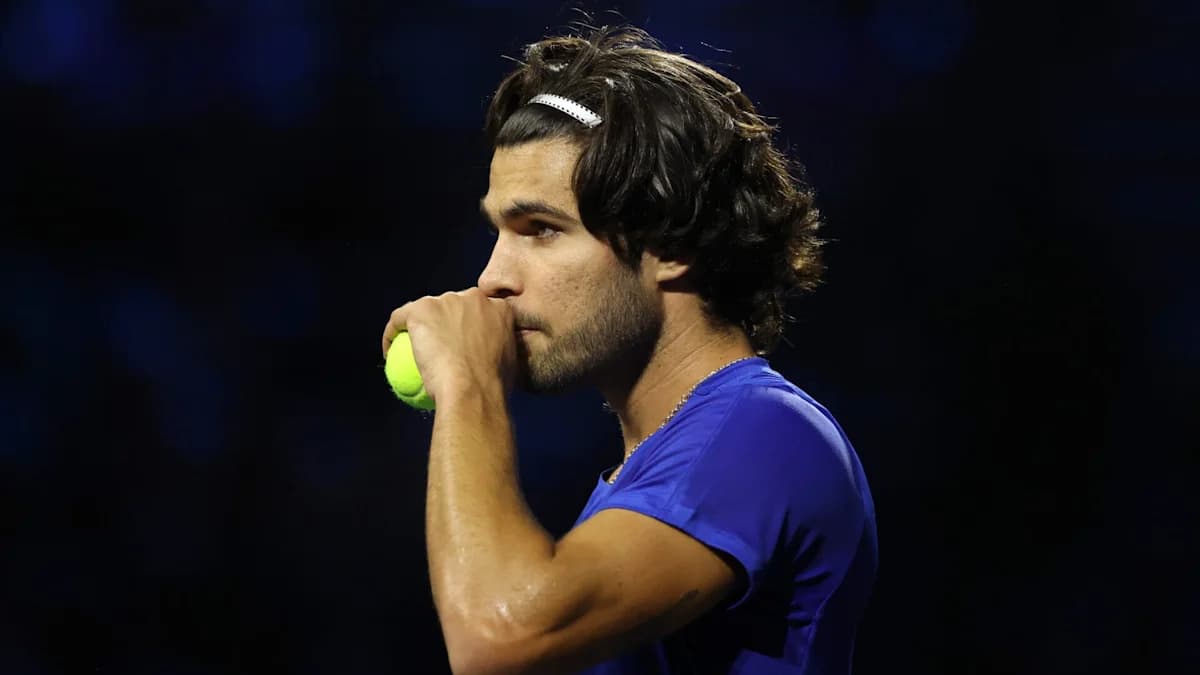
Carlos Alcaraz Calls for Change After Laver Cup Court Conditions
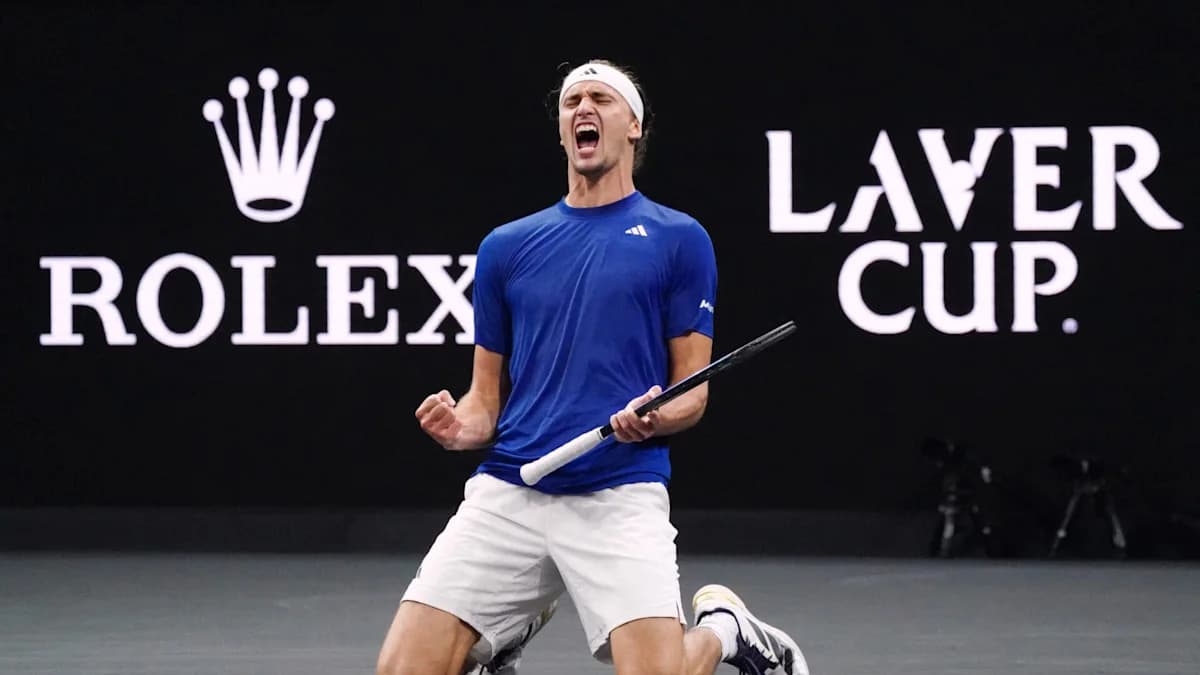
Alexander Zverev Secures Laver Cup Victory for Team Europe with Straight-Set Win Over Learner Tien
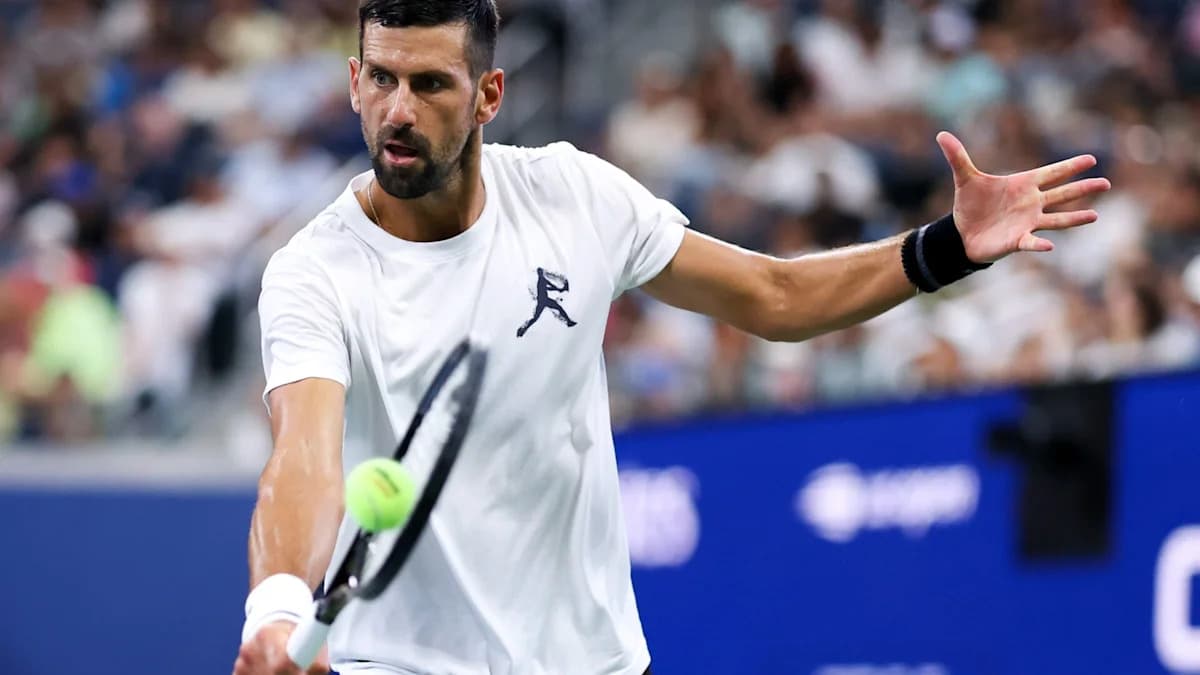
Novak Djokovic Shares Fitness Update Before China Open Return After US Open Upset
Shubman Gill's Captaincy Record Across All Formats: Tests, ODIs, T20Is, and IPL
Kuldeep Yadav Named Player of the Match Over Virat Kohli Despite Century in IND vs WI 1st ODI
India Advances to Asian Games 2026 Cricket Semi-Finals After Rain Washout Against Afghanistan