
Everton vs Sunderland: Tense Mid-Table Clash Preview
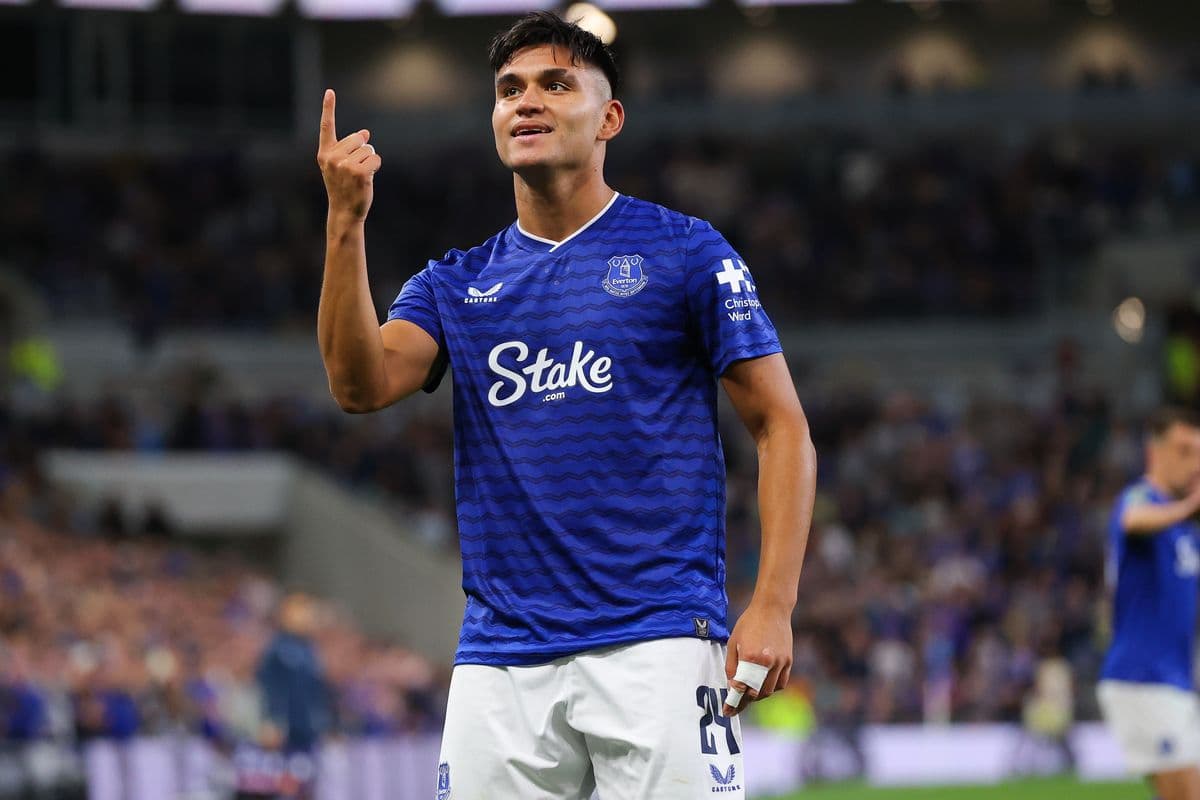
Hill Dickinson Stadium stages a tense mid-table shootout on 17 May 2026 as Everton host Sunderland in the Premier League. With one game left after this (round 37), just a single point separates the sides: Everton sit 10th on 49 points, Sunderland are 12th on 48. European qualification is out of realistic reach, but a top-half finish, prize money and momentum going into next season are all on the line.
Context and stakes
In the league, Everton’s campaign has been defined by balance: 13 wins, 10 draws, 13 defeats, 46 goals scored and 46 conceded. Sunderland mirror that symmetry in a different way: 12 wins, 12 draws, 12 losses, with 37 scored and 46 against. Both are firmly mid-table but with very different profiles: Everton are more proactive and higher scoring; Sunderland are more conservative and lower scoring, particularly away from home.
Everton’s recent league form reads “DDLLD” – one point from the last five matches – suggesting a side that has stalled just as the finish line approaches. Sunderland’s “DDLLW” is only marginally better but at least includes a win last time out, a psychological edge in a tight race.
Tactical outlook: Everton
Across all phases this season, Everton have leaned heavily on a 4-2-3-1, used 21 times, with a lone 4-3-3 outing. That shape underpins a fairly clear identity: one striker supported by three advanced midfielders, double pivot protection, and full-backs asked to contribute without losing defensive structure.
At home in the league, Everton have been inconsistent: 6 wins, 5 draws, 7 defeats from 18, with 25 goals for and 24 against. An average of 1.4 goals scored and 1.3 conceded at Hill Dickinson Stadium points to open, often finely balanced games. They have managed 6 home clean sheets but also failed to score in 4 home fixtures, underlining their streaky nature.
Their “biggest” home win of the season is 3-0, and their heaviest home loss is 1-4. That spread captures the volatility: when the attacking structure clicks, they can overwhelm visitors; when it breaks down, they are vulnerable in transition and at set plays.
In possession, the 4-2-3-1 should see Everton try to pin Sunderland back with width and numbers between the lines. The double pivot is key to recycling and protecting against counters, especially given Sunderland’s comfort playing without the ball away from home. The absence of Idrissa Gueye (listed as “Injury”) removes a major ball-winner and screen in front of the back four, which could force Everton either to drop a more technical midfielder deeper or to be more cautious with full-back positioning.
In the back line, the loss of Jarrad Branthwaite (hamstring injury) is significant. Without him, Everton may lack some aerial dominance and composure in the first phase of build-up. Jack Grealish (foot injury) being out strips them of a high-level ball-carrier and chance creator between the lines; without him, Everton’s 10/winger roles may be more direct and less dribble-heavy, perhaps leaning on quicker combinations and crosses rather than extended carries.
Discipline-wise, Everton show a tendency to pick up cards as games wear on, particularly between minutes 46-90. That suggests an aggressive press or increased desperation late on; with a home crowd demanding a strong finish, managing that emotional edge will be important.
One clear strength is from the spot: in the league this season they have scored 2 penalties from 2, with no misses recorded. If the match becomes tight and decided by fine margins, that reliability is a useful weapon.
Tactical outlook: Sunderland
Sunderland come into this with a more pragmatic profile, especially away from home. Their league away record reads 4 wins, 6 draws, 8 losses from 18, with just 14 goals scored and 27 conceded. They average only 0.8 goals per away game and concede 1.5, pointing to frequent low-scoring outings where they struggle to impose themselves in attack.
Tactically, they are flexible. Across all phases they have used:
- 4-2-3-1 in 19 matches
- 4-3-3 in 5
- 5-4-1 in 5
- 4-4-2 in 3
- 4-1-4-1 in 3
- 3-4-3 in 1
That variety hints at a coach willing to tailor the game plan to opponent and game state. Away to a possession-oriented Everton, Sunderland could mirror the 4-2-3-1 to congest midfield, or drop into a 5-4-1 to protect their box and look for counters.
Defensively, Sunderland have 11 clean sheets across all phases (7 at home, 4 away) and have failed to score 13 times (8 away). When they get their block right, they can be very difficult to break down, but their away attack is often blunt. Their “biggest” away defeat is 3-0, while their best away win is 1-2, again reinforcing the notion of a team that rarely runs away with matches on the road.
The suspension of Daniel Ballard (red card) weakens their defensive core. Removing a starting-calibre centre-back on an away day against a side that can hit 3 at home is a real blow. Sunderland may respond by reinforcing the back line with an extra centre-back (5-4-1) or by using a more conservative full-back pairing. R. Mundle is also out with a hamstring injury, trimming their options in the wide attacking roles and perhaps nudging them further towards a cautious plan.
From the spot, Sunderland have scored 4 penalties from 4 this season, with no misses listed. Like Everton, they are efficient from 12 yards, which matters in a fixture that could be decided by a single moment.
Head-to-head: recent competitive meetings
Looking strictly at the last five competitive meetings (excluding friendlies), the record is:
- 10 January 2026, FA Cup Round of 64, Hill Dickinson Stadium: Everton 1-1 Sunderland (Sunderland won 0-3 on penalties).
- 3 November 2025, Premier League, Stadium of Light: Sunderland 1-1 Everton, draw.
- 20 September 2017, League Cup 3rd Round, Goodison Park: Everton 3-0 Sunderland, Everton win.
- 25 February 2017, Premier League, Goodison Park: Everton 2-0 Sunderland, Everton win.
- 12 September 2016, Premier League, Stadium of Light: Sunderland 0-3 Everton, Everton win.
Over these five, Everton have 3 wins, Sunderland have 0 wins in regulation time, and there have been 2 draws (one of which Sunderland converted into a penalty shootout victory in January 2026).
Key battles and game flow
Given Everton’s higher home scoring rate and Sunderland’s limited away output, the territorial pattern should see Everton controlling more of the ball, with Sunderland compact and reactive. The main tactical questions:
- Can Everton’s reshaped midfield without Gueye control transitions, or will Sunderland find joy on the counter?
- How well can Sunderland’s defence, weakened by Ballard’s absence, cope with Everton’s ability to generate multi-goal home performances?
- Without Grealish, who provides Everton’s creativity between the lines, and can they still find the passes to unlock a likely low block?
Both teams are capable of clean sheets – 11 each this season across all phases – so an early goal could dramatically shift the dynamic, forcing the other side to open up.
The verdict
On the numbers, Everton have a slight edge. They are marginally higher in the table, score more overall (46 vs 37), and are more productive at home than Sunderland are away. Sunderland, meanwhile, are harder to beat than their away record alone suggests, with 6 away draws and tactical flexibility to frustrate.
Injuries and suspensions tilt the scales: Everton lose structural pieces in Branthwaite and Gueye and creativity in Grealish, but Sunderland’s loss of Ballard and an attacking option in Mundle is equally significant, especially for an already goal-shy away side.
Expect a tight, tactical contest, with Everton’s home edge and slightly greater attacking output making them narrow favourites, but Sunderland’s capacity to grind out draws and their recent penalty shootout success at this venue mean a stalemate cannot be ruled out. A low-scoring Everton win or a draw looks the most logical outcome based on the data.
Related News

Premier League Managers Facing Potential Sackings During International Break
Arsenal's Myles Lewis-Skelly Names Unexpected Tottenham Rival as Toughest Premier League Opponent

Three Premier League Players Shining Early This Season
Premier League Early Season Reactions: Man City’s Strength, Arsenal’s Flaws, United’s Struggles

Premier League Returns October 10 After Extended September-October International Break

Fulham and Manchester United Share Points in 1-1 Draw