
Everton vs Sunderland: Premier League Showdown for Top-Half Finish
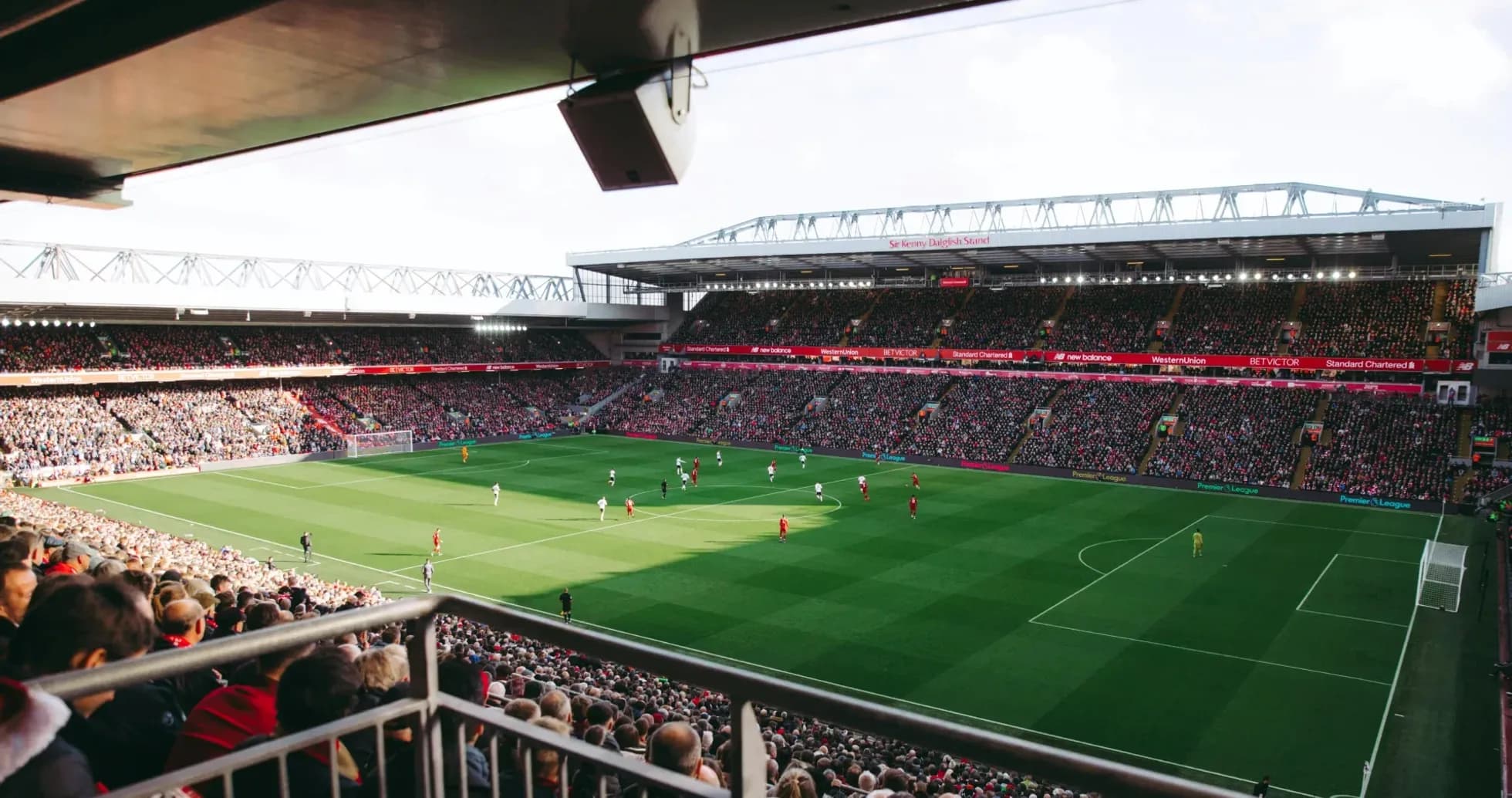
Everton host Sunderland at Hill Dickinson Stadium in a late-season Premier League meeting in 2026 that is more about final positioning than survival or the title. In the league phase, Everton sit 10th with 49 points and a 46:46 goal record from 36 games, while Sunderland are 12th with 48 points and a 37:46 goal record from 36 games. With only one point between them going into Round 37, this is effectively a direct duel for a top-half finish and prize-money leverage rather than a high-stakes title or relegation decider.
Head-to-Head Tactical Summary
The recent head-to-head pattern is mixed and venue-dependent. On 10 January 2026 in the FA Cup Round of 64 at Hill Dickinson Stadium, Everton and Sunderland drew 1-1 (HT 0-1) before Sunderland won 3-0 on penalties, underlining Sunderland’s resilience under pressure in knockout football. In the current Premier League cycle, they shared a 1-1 draw at the Stadium of Light on 3 November 2025 (HT 0-1), with Everton again failing to convert an interval lead into three points away from home. Historically at Goodison Park, Everton have been more dominant: on 20 September 2017 in the League Cup 3rd Round they beat Sunderland 3-0 (HT 1-0), and on 25 February 2017 in the Premier League they won 2-0 (HT 1-0). Sunderland’s last league home meeting in this sample, on 12 September 2016 at the Stadium of Light, ended in a 3-0 Everton win (HT 0-0), showing Everton’s capacity to punish Sunderland when the game opens up after the interval.
Global Season Picture
- League Phase Performance: In the league phase, Everton’s profile is almost perfectly balanced: 13 wins, 10 draws, 13 defeats, with 46 goals scored and 46 conceded, translating into 49 points and 10th place. Sunderland have been more conservative in attack but similar in defensive output: 12 wins, 12 draws, 12 defeats, 37 goals scored and 46 conceded, giving them 48 points and 12th place. Everton’s home record (25:24 goals) and Sunderland’s away record (14:27 goals) underline a marginal home edge.
- Season Metrics: In the league phase, Everton’s statistical profile points to a mid-table balance: 46 goals for and 46 against across 36 games, with 11 clean sheets and 9 matches without scoring, suggesting a side that can both control and stall games. Their typical use of a 4-2-3-1 (21 league lineups) indicates a structured double-pivot approach. Sunderland, also heavily using 4-2-3-1 (19 lineups), show more tactical flexibility with occasional 4-3-3, 5-4-1, 4-4-2, 4-1-4-1 and 3-4-3, but their 37:46 goal tally, 11 clean sheets and 13 games without scoring reflect a cautious, lower-scoring model, particularly away where they average only 0.8 goals per game. (No explicit possession or xG data is provided, so efficiency must be inferred from goals and clean sheets.) Disciplinary trends show both sides accumulating most yellow cards between 46-75 minutes, hinting at rising intensity and possible late-game disruption.
- Form Trajectory: Everton’s league-phase form string “DDLLD” indicates a five-game run without a win, with three draws and two defeats, consistent with a stalling attack and fine margins in both boxes. Sunderland’s “DDLLW” shows a similar wobble but with a vital win at the end, suggesting slightly upward momentum. Both teams arrive in 2026 with mid-table stability but without sustained winning streaks; Sunderland’s late win gives them a marginal psychological edge, while Everton’s inability to convert performances into victories has kept them anchored in mid-table.
Tactical Efficiency
Using the available league-phase statistics, Everton’s attack and defense appear almost exactly balanced: 1.3 goals scored and 1.3 conceded per game, with their biggest home win at 3-0 and heaviest home loss at 1-4. Sunderland are more conservative in attack (1.0 goals per game overall, dropping to 0.8 away) with the same defensive concession rate of 1.3 per game, and their away profile (14 scored, 27 conceded) is significantly weaker than at home. Without explicit Attack/Defense Index values from the comparison block, the inferred picture is that Everton’s “Attack Index” is slightly higher, especially at home, while Sunderland’s “Defense Index” deteriorates markedly on the road. Everton’s 11 clean sheets from 36 games, matched by Sunderland’s 11, show similar defensive ceiling, but Sunderland’s 13 games without scoring versus Everton’s 9 underline a less efficient forward line. In a Poisson-style expectation, this points towards Everton generating the higher scoring probability at home, with Sunderland relying on defensive structure and set-piece or transitional moments rather than sustained attacking volume.
The Verdict: Seasonal Impact
This fixture is unlikely to reshape the title race or relegation battle in 2026, but it is pivotal in defining the upper-mid-table hierarchy. A home win would move Everton to at least 52 points and create a clear gap over Sunderland, strengthening their claim to a top-half finish and potentially positioning them to challenge the fringes of European contention in the final round if results elsewhere align. A draw would largely freeze the current mid-table order, leaving both sides locked into the 9th–12th band with limited upside. An away win would flip the narrative: Sunderland would leapfrog Everton, reinforcing their season as an overperformance relative to their goal difference, and provide a strong platform to sell progress and attract summer reinforcements. In strategic terms, this is a high-leverage ranking game: not decisive for survival or the title, but critical for perception, prize money, and the ability to frame 2026 as a step forward rather than another year of mid-table stagnation.
Related News

Premier League Managers Facing Potential Sackings During International Break
Arsenal's Myles Lewis-Skelly Names Unexpected Tottenham Rival as Toughest Premier League Opponent

Three Premier League Players Shining Early This Season
Premier League Early Season Reactions: Man City’s Strength, Arsenal’s Flaws, United’s Struggles
Premier League Returns October 10 After Extended September-October International Break

Fulham and Manchester United Share Points in 1-1 Draw