
FIFPRO Europe Warns FIFA: Football Is Not an Asset Class
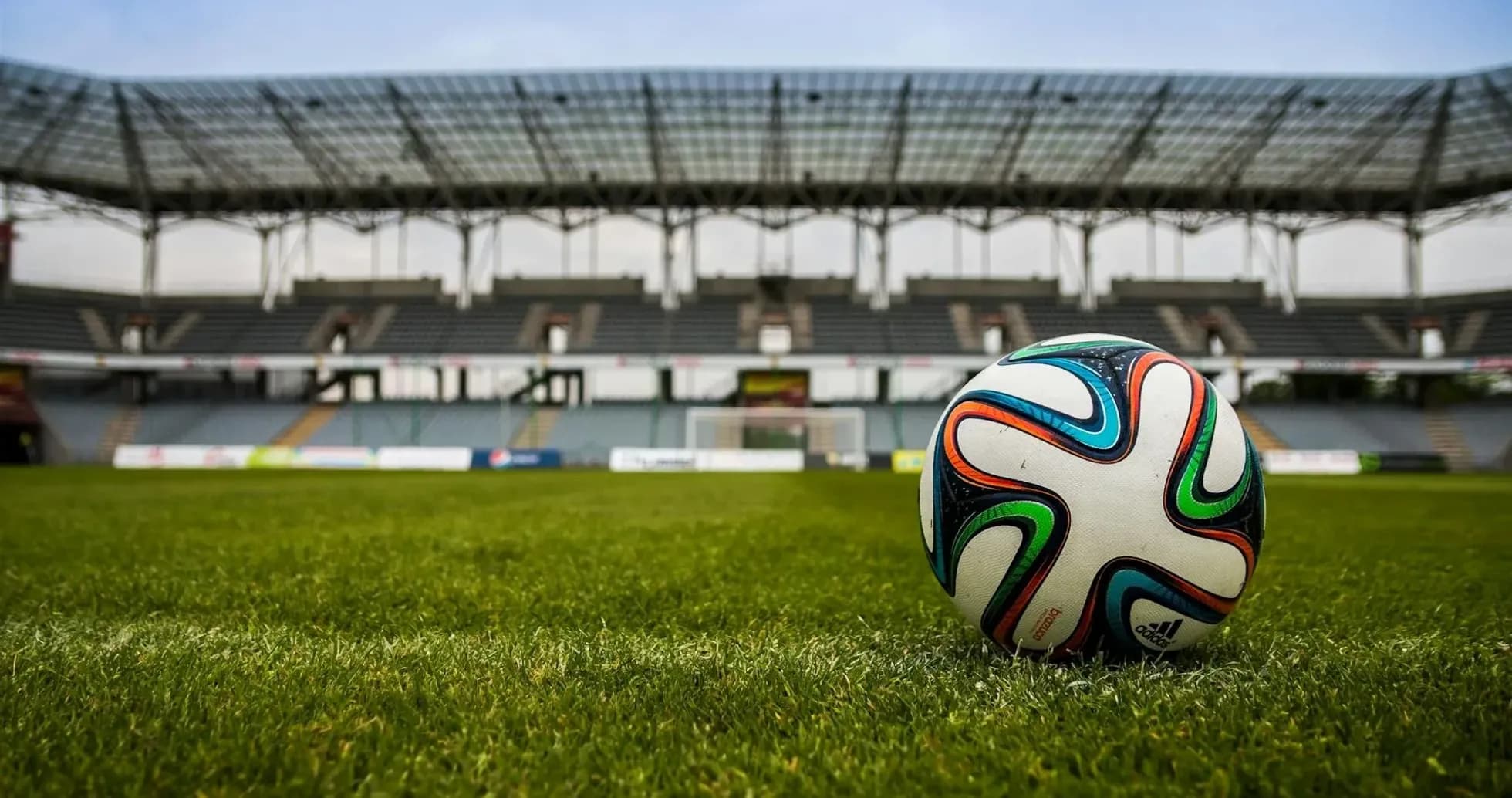
FIFPRO Europe has drawn a sharp line in the sand over a proposal that could redefine the very core of world football. The players’ union has condemned plans to turn the FIFA World Cup and other FIFA competitions into investable products for private capital, warning that such a move would “fundamentally and irreversibly” alter the incentives that drive the sport.
At stake is far more than another commercial partnership. This is a question of who football is for.
A Project Built in the Shadows
What alarms FIFPRO Europe is not only the substance of the proposal, but the way it has taken shape. A project with huge implications for player welfare, the international match calendar and the governance of the game has, according to the union, been developed largely out of public view.
No open debate. Little transparency. Almost no meaningful engagement with the people whose careers and health depend on these competitions.
FIFPRO Europe points to recently established dialogue mechanisms between FIFA and the union – structures designed to give players a voice in decisions that shape their working lives. Those channels, it says, have been bypassed. For an initiative of this scale to be brought close to agreement without that dialogue only deepens mistrust.
Who Really Governs the Game?
The heart of the statement cuts to a bigger, long-simmering issue: who actually runs football, and in whose interests.
FIFPRO Europe argues that the proposal threatens to tilt the balance of power even further towards commercial actors. Stakeholder participation in FIFA’s decision-making, it notes, has always been limited. The fear now is that this limited voice will be replaced almost entirely by financial influence, with investors gaining outsized sway over how competitions are structured, scheduled and sold.
That, in the union’s view, endangers the integrity of the game. When tournaments become financial instruments, the risk is clear: decisions start to follow return on investment rather than sporting merit, player welfare or the interests of supporters.
The union is blunt on one crucial point. Within FIFA, neither FIFPRO nor the players themselves have a vote. Yet they will live with the consequences of these decisions long after the current leadership has left the stage.
A Call for Responsibility Beyond the Balance Sheet
FIFPRO Europe has placed the responsibility squarely at FIFA’s door, urging the governing body to reconsider the proposal “without further delay.” But the warning does not stop there.
Every national association, the statement stresses, must look beyond short-term financial gain or optimistic commercial forecasts. Signing off on a model that hands more control to private capital is not just a budget decision; it is a choice about what football will be in 10, 20, 30 years’ time.
The union widens the lens further. Governments, public authorities, confederations, leagues, clubs and supporters are all named as actors with a stake – and a duty. Football, it insists, must remain a public trust, not reduced to a line on an investor’s portfolio.
A Line in the Sand
FIFPRO Europe is unequivocal: it “cannot – and will never – support such a model.” That is not a negotiating position; it is a red line.
At the same time, the union is not walking away from the table. It declares itself ready to work with any institution or stakeholder willing to protect both player interests and the long-term integrity of the sport. The message is clear: there is room for reform, for innovation, for new revenue streams – but not at the cost of ceding the game’s soul to private capital.
Football’s future, the statement concludes, deserves that level of protection. So do the players who will carry the World Cup and every other competition into the next generation.
The question now is whether the game’s rulers are prepared to listen before the sport they control starts to look less like a shared global passion and more like just another financial product.
Related News
Carlos Alcaraz Calls for Change After Laver Cup Court Conditions
Alexander Zverev Secures Laver Cup Victory for Team Europe with Straight-Set Win Over Learner Tien
Novak Djokovic Shares Fitness Update Before China Open Return After US Open Upset
Shubman Gill's Captaincy Record Across All Formats: Tests, ODIs, T20Is, and IPL
Kuldeep Yadav Named Player of the Match Over Virat Kohli Despite Century in IND vs WI 1st ODI
India Advances to Asian Games 2026 Cricket Semi-Finals After Rain Washout Against Afghanistan