
France Dominates Sweden 3–0 in Knockout Match
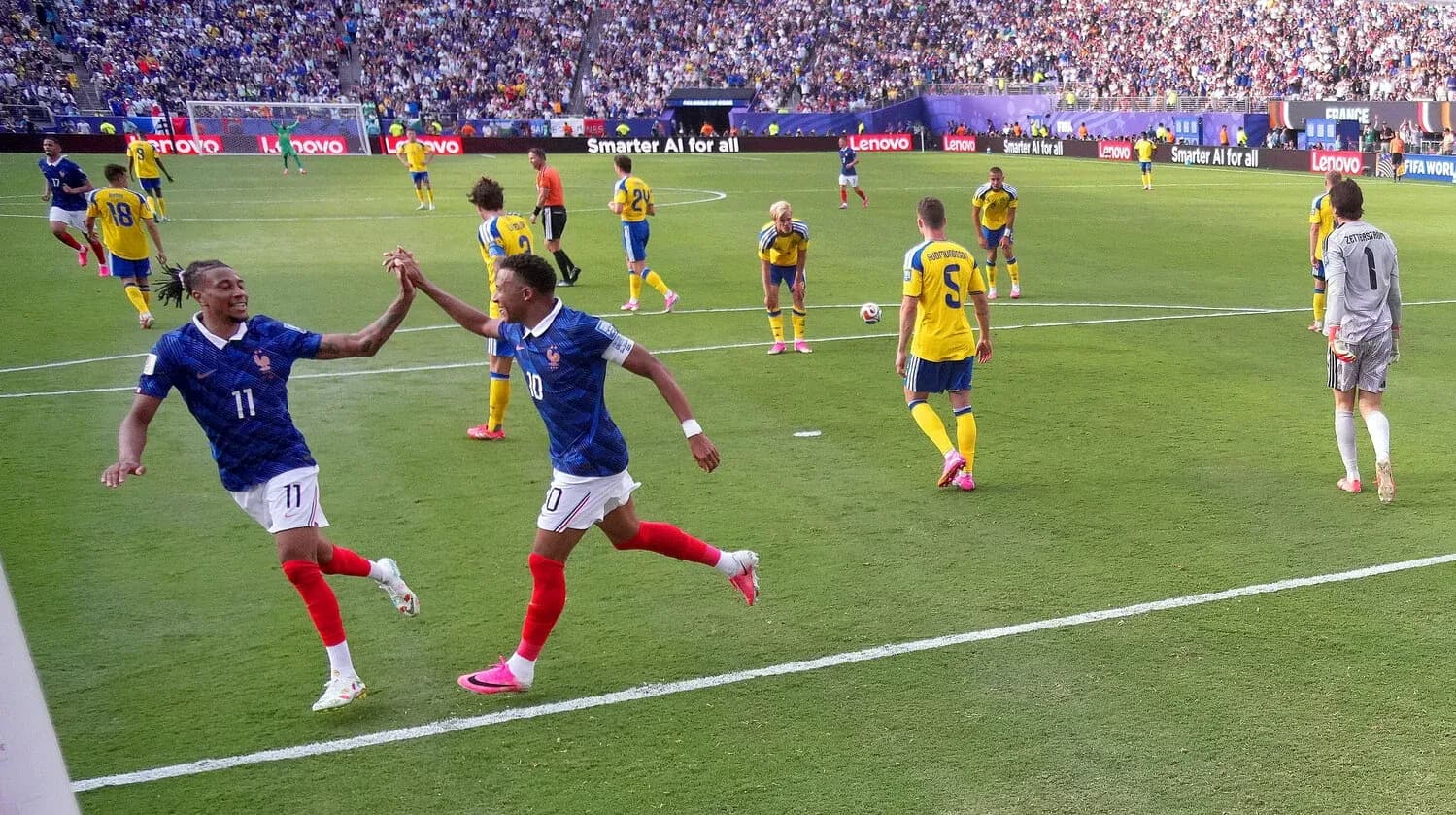
MetLife Stadium in New York hosted a Round of 32 tie that felt less like a cautious knockout opener and more like a statement of intent. France, perfect in Group I and arriving with four straight wins, dismantled Sweden 3–0, extending a campaign in which they have now won all 4 matches overall, scoring 13 and conceding just 2. Sweden, who edged through their group with 4 points and a goal difference of 0 from 3 group matches, ran into a side whose seasonal profile and individual form aligned almost perfectly with the demands of knockout football.
I. The Big Picture – Structures and Seasonal DNA
Didier Deschamps stayed loyal to the blueprint that has underpinned France’s run: a 4-2-3-1 that maximises their firepower. Heading into this game, France had used this shape in all 4 fixtures, and it showed in the fluidity of their lines. With 3 home matches and 1 on their travels already behind them, they had won every time, with a striking attacking split: 9 goals at home and 4 on their travels, averaging 3.0 at home, 4.0 away, and 3.3 overall. Defensively, they were just as controlled, conceding only 1 at home and 1 on their travels, 0.3 and 1.0 per game respectively, 0.5 overall.
France’s starting XI was a distillation of that balance. Mike Maignan anchored the side behind a back four of Jules Kounde, Dayot Upamecano, William Saliba and Lucas Digne. Aurélien Tchouameni and Adrien Rabiot formed the double pivot, with a devastating line of three – Ousmane Dembélé, Michael Olise and Bradley Barcola – supporting Kylian Mbappé as the lone forward. It was a structure built to attack without losing control of central spaces.
Graham Potter’s Sweden, by contrast, pivoted into a 4-4-2 after a group stage spent experimenting with three-at-the-back variants. Heading into this match, Sweden’s season had been defined by extremes: in total they had played 4 fixtures, with 1 home and 3 on their travels. At home they were explosive, scoring 5 and conceding 1 (5.0 for, 1.0 against per game), but on their travels they had managed only 2 goals while shipping 9 (0.7 for, 3.0 against, 10 conceded overall). That away fragility was always likely to be exposed by a France side averaging more than 3 goals overall.
The Swedish XI featured J. Widell Zetterstrom in goal, a back four of Daniel Svensson, Gustaf Lagerbielke, Victor Lindelöf and Gabriel Gudmundsson, with Anthony Elanga and E. Stroud wide, Lucas Bergvall and Yasin Ayari central, and a front two of Viktor Gyökeres and Alexander Isak. On paper, it offered vertical threat and physical presence; in practice, it spent long stretches pinned back.
II. Tactical Voids – Discipline and Depth
Injuries and suspensions did not distort either squad; the absences list offers no data, suggesting both coaches had near-full complements. That made Deschamps’s bench all the more imposing: Brice Samba and R. Risser as goalkeeping cover; Ibrahima Konaté, Maxence Lacroix, Malo Gusto, Lucas Hernandez and Theo Hernandez reinforcing every defensive channel; N’Golo Kanté, Manu Koné, Warren Zaïre-Emery, Rayan Cherki and Maghnes Akliouche as midfield variations; Marcus Thuram, Jean-Philippe Mateta and Désiré Doué as attacking options. It was a substitutes list that allowed France to alter tempo, shape and pressing height without sacrificing quality.
Sweden’s bench was more functional than transformational: Kristoffer Nordfeldt and V. Johansson in goal; Carl Starfelt, E. Smith and Hjalmar Ekdal for defensive stability; Mattias Svanberg, H. Johansson, Taha Ali, Ken Sema, J. Karlström and B. Zeneli across midfield; G. Nilsson, B. Nygren and A. Bernhardsson up front. It was enough to adjust the game state, but not necessarily to flip it against an elite opponent.
Disciplinary trends hinted at another imbalance. France’s season had been almost spotless: only 1 yellow card overall, and that arriving in the 61–75 minute band, with no red cards. Sweden, by contrast, had spread 5 yellows across their 4 fixtures, with a notable late-game spike: 40.00% of their yellows arriving between 76–90 minutes. Lucas Bergvall, already on the tournament’s yellow-card radar with 1 booking and 7 fouls committed, started in central midfield. Against a France side that often accelerates in the final quarter, Sweden’s tendency to lose discipline late was a structural risk.
III. Key Matchups – Hunter vs Shield, Engine Room
The marquee duel was always going to be Kylian Mbappé versus Sweden’s back line. Heading into this tie, Mbappé had 6 goals and 2 assists in 4 appearances, with 19 shots (13 on target), 10 key passes and an 88% passing accuracy. His blend of vertical threat and creative playmaking made him both finisher and instigator. Sweden’s defensive record on their travels – 9 conceded in 3 matches – was a clear weak point for the hunter to exploit.
Around him, Dembélé and Olise shaped the second wave of pressure. Dembélé arrived with 4 goals and 2 assists, 7 shots (5 on target) and 9 key passes, his direct dribbling and inside movements stretching any flat back four. Olise, the tournament’s leading creator with 5 assists, had 211 completed passes at 87% accuracy, 9 key passes and 8 successful dribbles from 11 attempts. He was the conductor between lines, constantly finding pockets between Sweden’s midfield and defence.
For Sweden, the counter-threat was built around Alexander Isak and Viktor Gyökeres. Isak, with 1 goal and 3 assists, 7 shots (6 on target) and 7 key passes, functioned as a hybrid nine-and-a-half, dropping off to link play. Gyökeres, also on 1 goal and 2 assists, had attempted 40 duels and won 16, drawing 7 fouls – a profile of a centre-forward who can pin centre-backs and buy territory. Against the French pairing of Upamecano and Saliba, this was a classic physical and positional battle: could Sweden’s front two hold the ball long enough to release runners like Elanga?
In midfield, the engine-room clash pitted Tchouameni and Rabiot against Bergvall and Ayari. Tchouameni’s role as a screening six was critical in preventing Isak from turning between the lines, while Rabiot’s ability to shuttle into wide spaces helped double up on Elanga and limit Sweden’s transitions. Bergvall, who had already recorded 3 tackles and 2 interceptions in the tournament, was tasked with breaking French rhythm, but his disciplinary profile meant he was always walking a fine line against the movement of Olise and Dembélé.
IV. Statistical Prognosis – Why 3–0 Felt Inevitable
Even before a ball was kicked, the numbers tilted heavily towards France. Overall they were averaging 3.3 goals for and 0.5 against per match, with 2 clean sheets already. They had never failed to score, either at home or on their travels. Sweden, by contrast, had not kept a single clean sheet overall, and had failed to score once on their travels. Their total defensive average of 2.5 goals conceded per match, and particularly the 3.0 conceded per away game, mapped almost perfectly onto France’s attacking strength.
Neither side had taken or missed a penalty in the tournament, so the margin was always likely to be decided in open play and structured attacks. In that arena, France’s layered threat – Mbappé’s finishing, Dembélé’s directness, Olise’s creativity, Barcola’s vertical running – simply overwhelmed a Swedish side whose best performances had come in the comfort of “home” settings rather than on their travels.
The 3–0 full-time scoreline, after a 1–0 half-time lead, reflected not just a one-off performance, but the collision of two seasonal identities: France, ruthless and balanced, extending their perfect run to 4 wins from 4; Sweden, brave and intermittently dangerous, but ultimately undone by the very defensive fragilities that had shadowed them all tournament.
Related News
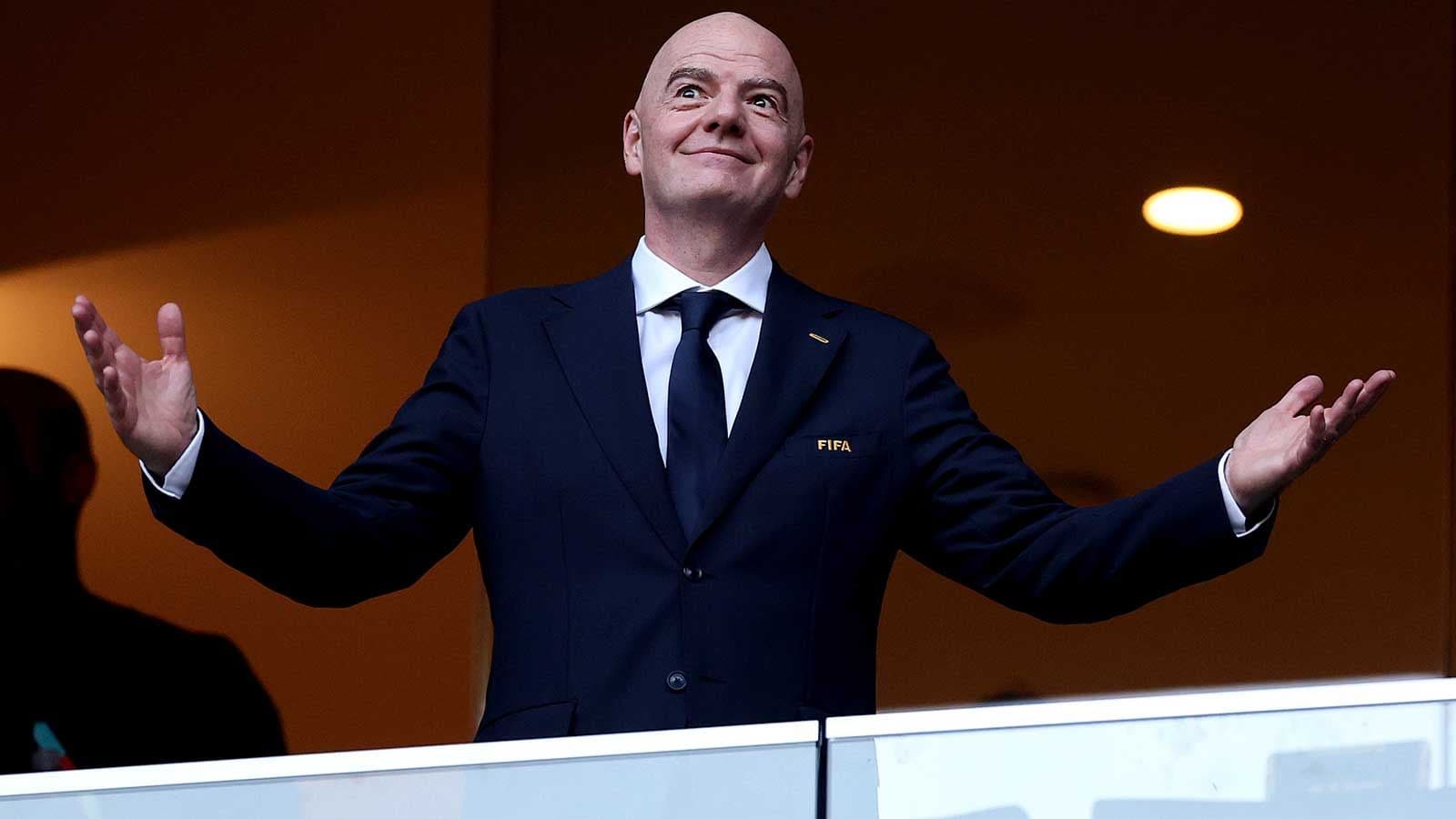
FIFA Dismisses COO Kevin Lamour After Criticizing Infantino’s World Cup Investment Plan
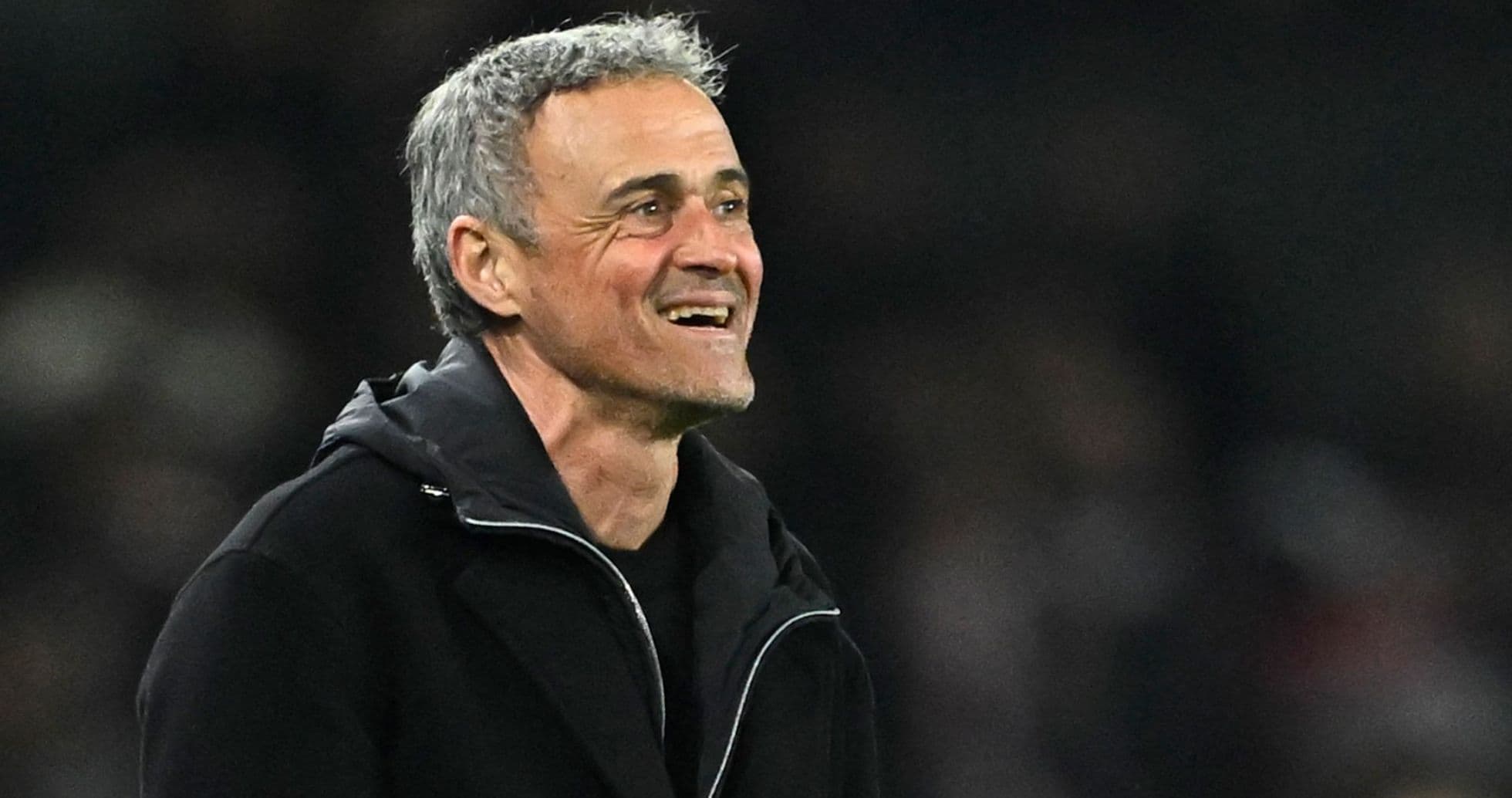
PSG Near €55m Deal to Sign World Cup Star Ferran Torres from Barcelona
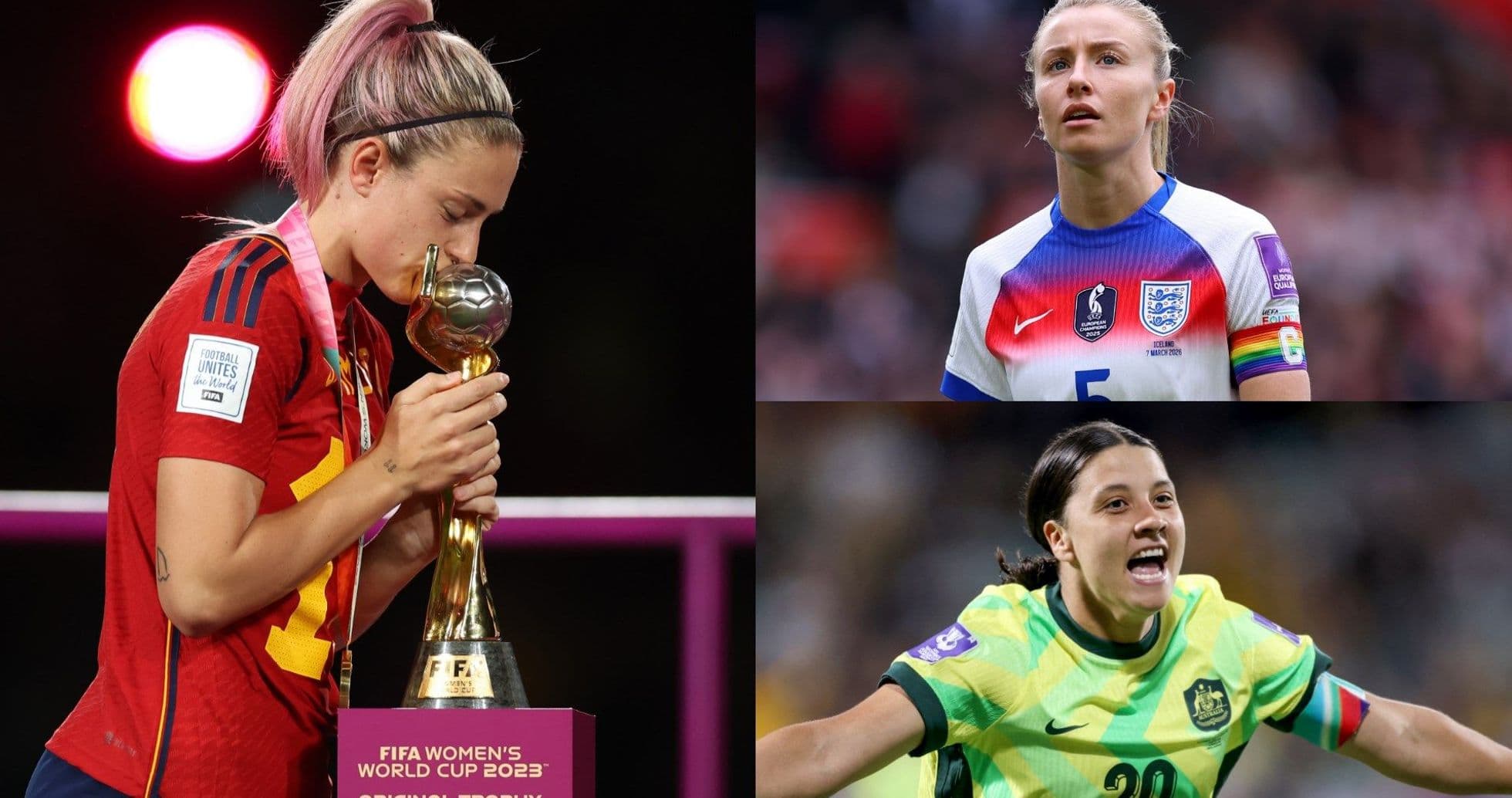
Qualified Teams for the 2027 Women’s World Cup in Brazil: Complete List
Premier League 2026-27 Season Preview: Arsenal's Title Defense, Fresh Faces, and What Lies Ahead
Carlo Ancelotti Supports Neymar’s World Cup Selection as Brazil Legend Retires
Leandro Paredes Returns to Action Just Days After World Cup Final Controversy