
Gianni Infantino's Fifa Presidency: Expansion and Controversy
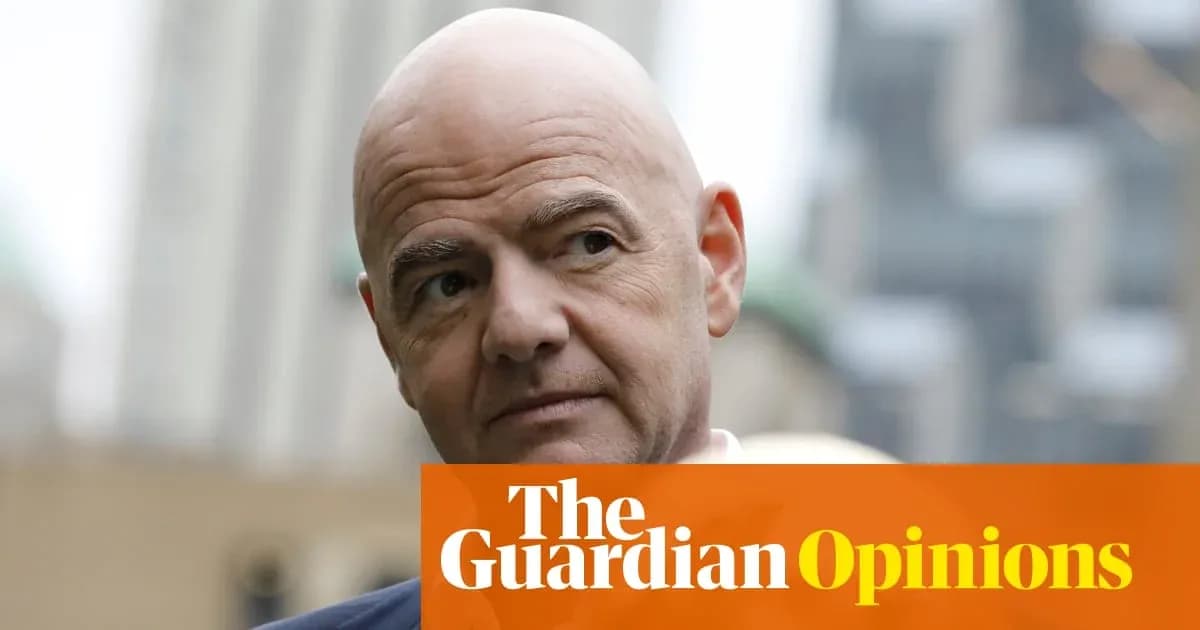
When Gianni Infantino swept into the Fifa presidency in 2016, it felt like a sharp break with the past. Sepp Blatter had gone, the corruption scandals were still smouldering, and here came the clean-cut lawyer promising to “restore the image of Fifa” and open the curtains on a darker era. He talked about accountability, transparency, a fresh start.
He also talked about money. Lots of it.
Infantino’s core pitch to the 211 member associations was simple: back me and you will get a “very significant increase” in funding. The applause he predicted “from everyone in the world” would, in theory, be matched by grateful cheers in every federation office from Oceania to Africa. Even then, there were quiet grumbles about his fondness for private jets. The warning signs were there. They just blended into the optimism of the moment.
Eight years on, nobody is calling him a “typical Swiss bureaucrat” any more. Inside the game, a different description has taken hold: “He thinks he’s running a nation state.”
That line has rarely felt more apt than this week, as Fifa unveiled – without consultation – a plan to sell a slice of the World Cup’s commercial rights to outside investors. Not a tweak. A structural shift in the sport’s biggest asset, dropped on the game with the casual authority of a head of state signing off a new sovereign wealth fund.
This is the Infantino era in microcosm: expansion, monetisation, centralisation of power. Always more.
An empire built on expansion
The pattern started early. In 2016, barely settled into the president’s office, Infantino floated a bigger World Cup and a souped‑up Club World Cup. Two years later came the idea of a global Nations League, delivered by a new corporate vehicle and financed by external cash. The project collapsed under pressure, but the direction of travel was obvious.
By 2017, the World Cup’s expansion to 48 teams for 2026 was confirmed. The biggest show in football was about to get bigger – not because fans were demanding it, but because more games meant more inventory to sell, more money to distribute, more loyalty to bank.
The same year, the 12 clubs behind the doomed Super League would later assume Fifa would quietly back their breakaway. They misread the room. Infantino did not endorse them, and the project crumbled. Yet by the end of 2021 he had unveiled his own radical idea: a biennial World Cup. The sport had barely processed one existential threat before the next one landed.
Once football staggered out of the Covid-19 pandemic, the tempo only increased. With clubs and federations nursing heavy losses, Fifa moved to plug gaps through its Forward Programme while simultaneously accelerating its own grand designs.
A 32‑team Club World Cup was launched, with talk of further expansion almost before the ink had dried. The 2034 World Cup went to Saudi Arabia in a process so swift and uncontested it barely qualified as a race. The 2030 edition was stretched across three continents and six host nations, a sprawling political compromise that left football as the secondary concern. There is already talk of that tournament swelling to 64 teams.
Even the smallest details bear his fingerprints. Mandatory hydration breaks, introduced at the end of last year, are framed as player welfare. They also create more stoppages, more defined windows, more commercial opportunities.
Each step is dressed up as progress. Each step increases Fifa’s reach.
What drives the president?
Inside the corridors of power, one question keeps resurfacing: what is eating Gianni Infantino? What fuels this relentless urge to expand, repackage and sell every corner of the calendar?
The first explanation is the oldest in football politics: patronage. A bigger World Cup, more tournaments, more commercial vehicles – all of it creates revenue that can be redistributed to member associations. Those cheques, in turn, secure votes when presidential elections roll around. Infantino has already changed the rules on presidential term limits, and under the new framework his third full term is effectively guaranteed.
But here’s the thing. He has already, in effect, tripled Fifa’s revenues since 2016. On pure financial performance, his grip on the electorate should be secure. With his third term all but assured and the rules stating it will be his last, why the need to keep pushing so hard?
That’s where the second theory enters: succession, of a sort. Reports in the Times have suggested that Infantino could move on to become CEO of the new commercial venture once he steps down as president, with a salary closer to that of a corporate titan than the head of an NGO. Fifa has publicly denied any such conversations, yet the structure being built – a powerful, revenue‑driven vehicle partly owned by outside investors – looks tailor‑made for a lucrative post‑presidential landing spot.
Even that, though, feels too narrow to explain the scale of the upheaval. The calendar has been reshaped, competitions reimagined, World Cups handed out in ways that would have been unthinkable a decade ago. All of it for a future job?
So attention returns to a third, more blunt reading: Infantino’s addiction to status and power.
From bullied outsider to global operator
The personal story is well known. The Italian kid from a working‑class background in wealthy Switzerland, mocked for his ginger hair, now presides over the world’s most powerful sporting body. The journey from outsider to kingmaker is part of his myth, and he leans into it.
As an adult he has shown a clear taste for the high life. The private jets. The entourages. The carefully curated circle of celebrity. During his 2016 campaign he rolled out a dozen ex‑players, now badged as “Fifa Legends”, to front his bid and bathe it in reflected glory.
Once in office, the supporting cast changed. The new companions were not retired full‑backs or former No 10s, but presidents, princes and strongmen. Infantino has been a regular presence alongside Vladimir Putin, the emir of Qatar, the crown prince of Saudi Arabia and, at key moments, the US president, Donald Trump. The pictures tell their own story: the Fifa president not merely attending, but belonging at the top table.
Over time, he has started to act like a political leader rather than a sports administrator. Grand announcements. Big‑ticket projects. Limited consultation. Opposition brushed aside. Inside Fifa, meaningful resistance has been rare. Beyond Fifa, fragmented stakeholders have struggled to mount a united front.
Power, or at least the appearance of it, has become his currency.
The cost of these alliances
Yet the kind of alliances Infantino has cultivated rarely come free. They are transactional, often fragile, and they tend to demand a return.
That is why the latest commercial plan – carving up World Cup rights for external investors – has unnerved even seasoned insiders. One senior figure in the game, speaking about the project, described it not as Infantino’s ambition at all but as the price of his political friendships.
“Gianni has got in way over his head with Trump,” they said. “He [Trump] is now extracting his share of the World Cup rewards.”
The allegation is stark. The implications, if borne out, are even starker. The World Cup, football’s shared crown jewel, risks becoming a bargaining chip in deals far removed from the sport itself.
Infantino once promised to restore Fifa’s image and win the world’s applause. The question now is whether, in chasing power and prestige, he is mortgaging the very tournament that made that power possible.
Related News
Carlos Alcaraz Calls for Change After Laver Cup Court Conditions
Alexander Zverev Secures Laver Cup Victory for Team Europe with Straight-Set Win Over Learner Tien
Novak Djokovic Shares Fitness Update Before China Open Return After US Open Upset
Shubman Gill's Captaincy Record Across All Formats: Tests, ODIs, T20Is, and IPL
Kuldeep Yadav Named Player of the Match Over Virat Kohli Despite Century in IND vs WI 1st ODI
India Advances to Asian Games 2026 Cricket Semi-Finals After Rain Washout Against Afghanistan