
Japan's Strategy Against Sweden: Embracing Change and Ambition
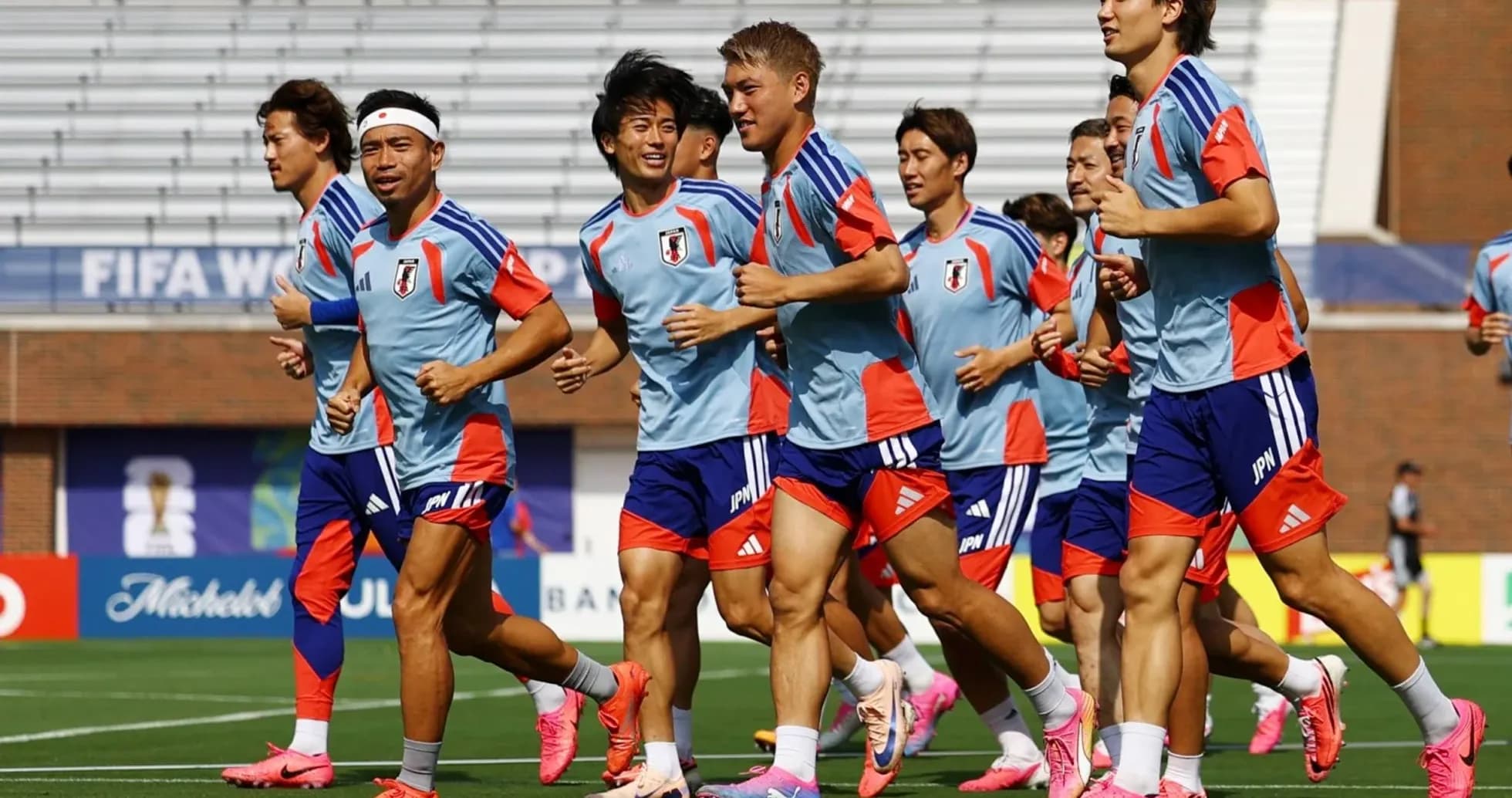
Hajime Moriyasu will walk into Japan’s final Group F fixture with Sweden knowing the numbers are on his side. Four points on the board. A 4-0 statement win over Tunisia. A breathless 2-2 fightback against the Netherlands. One foot, almost, in the knockout rounds.
But that is not the story he wants his players to live in.
For the Japan coach, this campaign has become a test of adaptability and togetherness in the face of loss. The injury list reads like the spine of a team: Takefusa Kubo, expected to miss the Sweden game after a knee problem against the Dutch; former captain Wataru Endo, absent before a ball was kicked; winger Kaoru Mitoma and creator Takumi Minamino, both ruled out of the tournament.
Japan have had to rip up Plan A and still find a way to look like themselves.
“Anyone can play with anyone else, that’s the readiness we wanted to ensure,” Moriyasu said, underlining the core idea that has held this group together. It sounds simple. It almost never is.
When injuries hit, most teams shuffle reluctantly. Japan have reshaped with purpose. New combinations, new partnerships, yet the same clarity. The coach knows the difficulty of that shift.
“When there’s a change over in the team, it’s not that simple or easy to play with different players and achieve good results or be successful,” he admitted. The performances say they have managed it. Four goals against Tunisia, the resilience to come from behind twice against a powerful Dutch side, and a tactical structure that has held under pressure.
Moriyasu made a point of spreading the credit.
“I’m very grateful that the other coaches and the players have been developing themselves towards such a great achievement,” he said. Across two games, Japan have looked drilled and disciplined, yet flexible enough to adjust on the fly. “In the last two matches the team has functioned tactically and with the teamwork they are developing and increasing their readiness.”
That readiness now faces its next examination.
Top spot, not just survival
With four points, Japan are in a strong position. Even defeat to Sweden may not deny them a place in the last 32. Many coaches would lean on that safety net. Moriyasu is not interested.
“We are basically thinking of winning, that’s what’s in our mind,” he said. The objective is clear: finish top, and do it on their own terms. “If possible we would like to advance on top of the group by scoring as many goals, but distorting the balance of the team is more of a risk. We will see.”
That line reveals the tightrope. Ambition on one side, control on the other. Japan have shown they can open up and overwhelm, as they did against Tunisia. They have also shown they can stay in a game that threatens to run away from them, as they did against the Netherlands. Moriyasu will not chase goals at the expense of that equilibrium.
What comes next in the tournament remains a mystery. Opponents, styles, match-ups – all unknown. The coach refuses to be drawn into speculation.
“We don’t know what kind of team we will come up against in the next round but what’s important is that we are solid and that we play against a team that we are able to deal with no matter what appears,” he said. The message to his squad is simple: get your own house in order first.
“First we want to think about ourselves and how we play tomorrow. In terms of our target we would like to win and qualify for the knockout stage on top of the table.”
A turbulent Sweden and a world-class test
Sweden arrive as one of the tournament’s wildcards. A 5-1 demolition of Tunisia to open, followed by a 5-1 dismantling at the hands of the Dutch. The same scoreline, two completely different faces.
That volatility makes them dangerous. It also makes them a fascinating test for a Japan side built on structure and collective responsibility.
At the heart of the Swedish threat stand Alexander Isak and Viktor Gyokeres, a front pair with the power and craft to trouble any back line. Many coaches would talk about nullifying them. Moriyasu took a different tack.
“They’re world class, wonderful strikers so I would like us to enjoy facing these players,” he said. Enjoy. Not endure. “It’s going to be a good opportunity for our players to develop themselves further.”
That choice of words fits the broader theme of Japan’s campaign. Injuries have not just forced change; they have created opportunity. New leaders have emerged, new partnerships have formed, and the squad has been pushed to prove that the system, not the absentees, defines this team.
Now comes Sweden, with their chaos and their cutting edge. Japan stand on the brink of the knockout rounds, chasing top spot, trusting in a group that has already been bent by setbacks but not broken. The next 90 minutes will show whether that adaptability is a temporary response to crisis, or the true identity of a side intent on going deeper into this World Cup.
Related News

Anthony Joshua Names Murat Gassiev as Next Opponent if He Defeats Tyson Fury

UFC 332: Start Time and Fight Highlights for Natalia Silva vs. Wang Cong

Court McGee Opens Up About Choosing UFC 332 as His Final MMA Fight
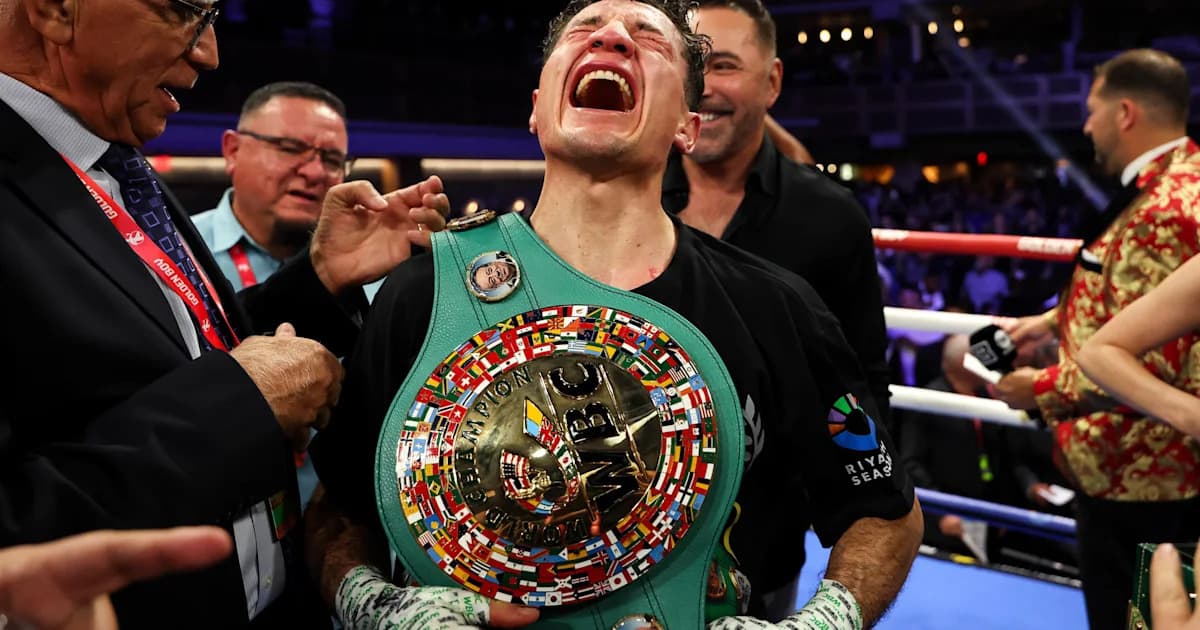
WBC Orders Lightweight Title Unification: William Zepeda vs Jadier Herrera

BCCI Pension List: Monthly Payments to Retired Indian Cricketers in 2025

Why Fury vs Joshua Is Set for Cardiff, and Dua Lipa’s Unexpected Role