
Leeds vs Brighton: High-Stakes Premier League Clash
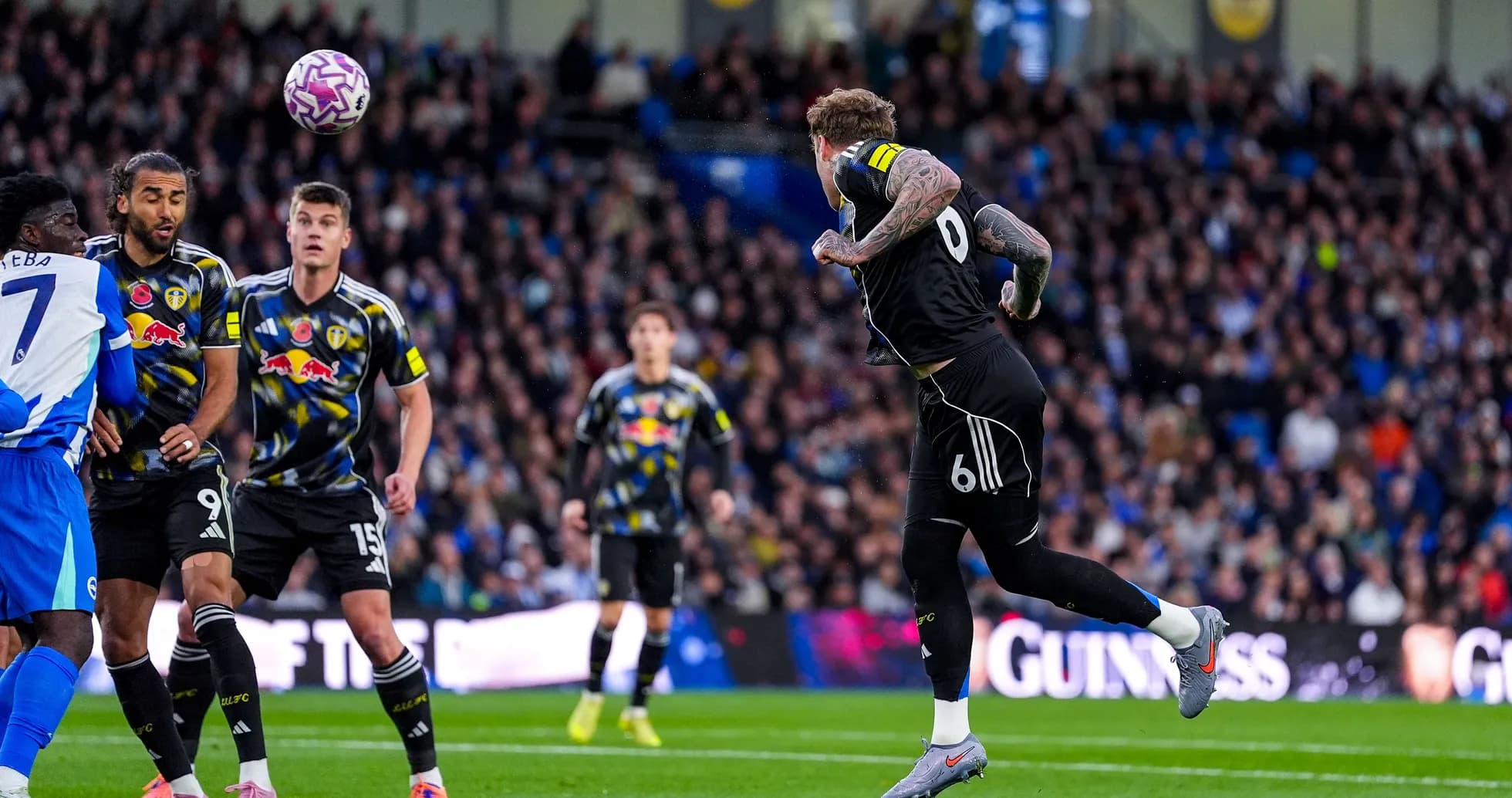
In the Premier League regular season, Round 37 at Elland Road, this is a high-stakes late‑season fixture: Leeds, currently 14th with 44 points and a -5 goal difference in the league phase (48 scored, 53 conceded), are close to mathematical safety but still not fully clear of danger, while Brighton arrive 7th on 53 points with a +10 goal difference in the league phase (52 scored, 42 conceded), pushing for a European place via the Conference League play-off spot. The result will largely decide whether Leeds can lock in another year in the top flight and whether Brighton keep control of their European chase heading into the final day.
Head-to-Head Tactical Summary
Across the recent Premier League meetings between these sides, Brighton have generally controlled the home fixtures while Elland Road has produced tighter contests. On 1 November 2025 at the Amex Stadium, Brighton beat Leeds 3-0 (1-0 at half-time), underlining their ability to turn territorial control into goals on their own pitch. On 11 March 2023 at Elland Road, Leeds and Brighton drew 2-2 (1-1 at half-time), a more open match where Leeds managed to trade chances and keep pace on the scoreboard. Earlier that season, on 27 August 2022 at The American Express Community Stadium in Falmer, Brighton edged a 1-0 home win over Leeds (0-0 at half-time), reflecting a cagey game decided by a single moment. Going back to 15 May 2022 at Elland Road, the teams drew 1-1 (0-1 at half-time), with Leeds finding a response after the break to salvage a point. On 27 November 2021 at The American Express Community Stadium, Brighton and Leeds played out a 0-0 draw (0-0 at half-time), a low‑margin contest where neither attack broke through. Overall, Brighton have been slightly more productive at home, while Elland Road encounters have been more balanced, with Leeds generally able to stay in games and take something from them.
Global Season Picture
- League Phase Performance:
Leeds: In the league phase, Leeds sit 14th with 44 points from 36 matches (10 wins, 14 draws, 12 losses). They have scored 48 goals and conceded 53, for a goal difference of -5. At Elland Road they have been notably stronger: 8 wins, 5 draws, 5 losses, with 28 goals for and 21 against.
Brighton: In the league phase, Brighton are 7th with 53 points from 36 games (14 wins, 11 draws, 11 losses). They have scored 52 and conceded 42, a +10 goal difference. Away from home they have 5 wins, 5 draws, 8 losses, scoring 22 and conceding 25, showing a slight drop‑off compared to their strong home numbers. - Season Metrics:
The datasets for team statistics and standings both cover 36 games, so this is a league‑only view; all metrics below are in the league phase.
Leeds: Their scoring output of 48 goals in 36 matches (1.3 goals per game in the statistics dataset) aligns with a mid‑table attack, but the 53 goals conceded (1.5 per game) point to a defense that can be exposed, especially away from home. Clean sheets are limited (7 total), and Leeds have failed to score in 11 matches, underlining their volatility in both boxes. Disciplinary data shows a steady yellow‑card load spread across the match, with a noticeable spike between minutes 61–75 (14 yellows, 23.33%), suggesting increased risk of cards as they tire or chase games.
Brighton: Brighton’s 52 goals in 36 games (1.4 per match) combined with only 42 conceded (1.2 per match) depict a more balanced, efficient side. They have 10 clean sheets and have failed to score only 7 times, reflecting a more reliable attacking baseline. Their yellow cards cluster heavily between minutes 46–60 (24 yellows, 27.91%), indicating aggressive post‑interval pressing or tactical fouling phases, but with no red cards recorded, their aggression has been controlled. - Form Trajectory:
In the league phase, Leeds’ recent form string is “DWDWW”, meaning they come into this game unbeaten in five, with three wins and two draws. That upturn suggests a side trending upwards at exactly the right time, both for survival and for building confidence at Elland Road.
Brighton’s form string is “WLWDW”, which equates to three wins, one draw, and one loss in their last five. They are also trending positively, but with a slightly higher variance: capable of strong performances yet still prone to an occasional setback, particularly away from home.
Tactical Efficiency
Without explicit numeric attack/defense indices from the comparison block, the efficiency picture has to be inferred from the league‑phase statistics profile.
For Leeds, the combination of 1.3 goals scored per game and 1.5 conceded per game in the league phase suggests an attack that is reasonably productive but not consistently decisive, paired with a defense that gives up chances and goals too frequently. Seven clean sheets against 11 games without scoring point to a high‑variance team: when their structure holds, they can grind out results, but when the game becomes stretched, their defensive unit is more likely to crack than their attack is to overwhelm opponents. The variety of formations used (4‑3‑3, 3‑5‑2, 3‑4‑2‑1, and others) indicates tactical flexibility but also hints at ongoing searching for optimal balance between solidity and attacking threat.
Brighton, by contrast, show a more stable tactical identity. With 1.4 goals scored and 1.2 conceded per match in the league phase, plus 10 clean sheets and only 7 scoreless outings, their “efficiency curve” is flatter and more predictable. The heavy use of a 4‑2‑3‑1 shape (31 matches) underlines a clear system geared towards controlled possession, structured pressing, and layered chance creation. Their away numbers (22 scored, 25 conceded) are slightly less impressive than at home but still point to an away side that usually competes well and rarely collapses.
In this matchup, Leeds’ main tactical lever will be intensity and the Elland Road environment, trying to push their 1.3‑goal average upwards while keeping the game compact enough to mask their 1.5‑goals‑against trend. Brighton’s efficiency edge lies in their more consistent defensive record and clearer structure; if they can impose their 4‑2‑3‑1 and keep Leeds from turning the game into a transition battle, their season‑long balance between attack and defense should give them a slight analytical advantage.
The Verdict: Seasonal Impact
From a seasonal standpoint, this fixture is pivotal for both clubs, albeit at different ends of their objectives.
For Leeds, sitting 14th on 44 points in the league phase, a win would likely push them beyond any realistic relegation conversation before the final round, especially given their recent positive form (“DWDWW”). It would validate the late‑season tactical adjustments that have improved results and provide a platform to plan 2026 as a consolidation year rather than another survival scramble. A draw would keep them on course but might leave some residual jeopardy if results below them tighten the table. Defeat would not automatically drag them into the bottom three, but it would increase psychological pressure going into Round 38 and could force a more conservative, safety‑first approach in the final match.
For Brighton, 7th with 53 points and a +10 goal difference in the league phase, this game is central to their European push. A victory at Elland Road would likely solidify or enhance their position in the Conference League play-off race and keep them within striking distance of any late slip from teams above. It would also reinforce the narrative of a side capable of exporting its structured, efficient game model away from home. A draw would keep them competitive but would hand more control to rivals in the battle for 7th and potentially 6th, especially if goal difference becomes a tie‑breaker. A loss would not erase a strong campaign, but it would significantly weaken their chances of securing European football in 2026, turning the final round into a must‑win scenario and potentially leaving them reliant on other results.
Overall, this Round 37 meeting functions as a hinge point: for Leeds, between mid‑table safety and a nervy finish; for Brighton, between a solid domestic campaign and one that is rewarded with Europe. The tactical and psychological stakes are more akin to a mini‑final than a routine late‑season league match, and the outcome will heavily shape how both clubs judge their 2025 Premier League year.
Related News

Premier League Managers Facing Potential Sackings During International Break

Arsenal's Myles Lewis-Skelly Names Unexpected Tottenham Rival as Toughest Premier League Opponent

Three Premier League Players Shining Early This Season

Premier League Early Season Reactions: Man City’s Strength, Arsenal’s Flaws, United’s Struggles

Premier League Returns October 10 After Extended September-October International Break

Fulham and Manchester United Share Points in 1-1 Draw