
Lexington Dominates San Antonio in USL Championship Match

Under the lights at Toyota Stadium, Lexington’s 2–0 win over San Antonio felt like more than a group-stage result in the USL Championship. Heading into this game, the numbers painted a clear hierarchy: San Antonio sat top of the “USL 1” group on 21 points, Lexington eighth with 15. Both shared the same overall goal difference of 2 (Lexington’s 17 goals for and 15 against; San Antonio’s 18 for and 16 against), but the paths to that balance were very different.
Lexington had quietly become a dangerous home side. At home they had taken 10 points from 6 matches (3 wins, 1 draw, 2 defeats), scoring 10 and conceding 6. That home average of 1.7 goals scored and 1.0 conceded hinted at a team more expansive and confident in front of their own crowd. San Antonio, by contrast, were an away paradox: league leaders overall, yet vulnerable on their travels. Away they had played 7, winning just 1, drawing 4 and losing 2, with 8 goals scored and 11 conceded – an away average of 1.1 goals for and 1.6 against.
Following this result, the story of the night was simple: Lexington leaned into that home identity, imposed the tempo, and exposed San Antonio’s away fragility with a controlled, two-goal performance that never truly allowed the group leaders to settle.
Tactical Voids and Discipline
There were no listed absences in the data, so both coaches, Masaki Hemmi and Carlos Llamosa, appeared to have near-full squads to draw from. That made the selection choices more revealing.
Hemmi’s Lexington XI, anchored by goalkeeper O. Semmle, was built on a spine of experience and balance. The defensive unit of X. Zengue, K. Burks, J. Brown and J. Greene offered a mix of athleticism and aerial strength, while the midfield triangle of B. Ferri, A. Molloy and A. Midence provided control and vertical running. Ahead of them, the trio of Nick Firmino, M. Epps and B. P. Rodrigues gave Lexington a blend of guile between the lines and direct threat in transition.
San Antonio’s shape under Llamosa looked more conservative from the outset. With J. Batrouni in goal, a back line featuring A. Ward, A. Souahy, M. Taintor and D. Barbir was screened by N. Blanco, while the creative duties fell to J. Hernandez and E. Cuello, supported by the industrious L. Berron and M. Maldonado. C. Sorto led the line, often isolated as San Antonio struggled to connect midfield to attack.
Disciplinary trends this season foreshadowed the tone. Lexington’s yellow card distribution showed a pronounced late-game spike: 31.82% of their yellows had come between 76–90 minutes, with another 22.73% between 61–75. This is a team that tends to defend leads with aggressive, sometimes desperate, energy in the final quarter. San Antonio’s yellows, meanwhile, were more evenly spread but still peaked between 61–75 minutes (21.62%), suggesting that when games open up after the hour mark, their defensive structure can fray.
No penalties were on the cards for either side this season – both teams had taken 0 overall, with 0 scored and 0 missed – so any breakthrough here was always likely to come from open play or set pieces rather than spot-kick drama.
Key Matchups – Hunter vs Shield, Engine Room
Without official top-scorer data, the “Hunter vs Shield” duel was more conceptual than individual. Lexington, at home, averaged 1.7 goals for and faced a San Antonio away defence conceding 1.6 per match. The question was whether Lexington’s collective attack could overwhelm a visiting back line that has looked significantly less assured outside its own stadium.
On the night, the answer was yes. The partnership of Firmino and Epps was central. Firmino, wearing 8, drifted into pockets where San Antonio’s double pivot struggled to track him, while Epps, from the 7 shirt, repeatedly stretched the channels, pinning full-backs and creating space for late-arriving runners like Midence. Rodrigues’ movement across the front line ensured San Antonio’s centre-backs, Souahy and Taintor, were constantly turning rather than stepping out to engage.
In the “Engine Room” duel, Molloy and Ferri went to work against Blanco and Hernandez. Lexington’s central trio circulated possession with patience, forcing San Antonio to defend laterally and gradually pulling them out of shape. Molloy’s tempo control and Ferri’s willingness to drop close to the centre-backs gave Lexington clean exits from the back, denying San Antonio the turnovers they usually thrive on.
San Antonio’s own creative hub, Hernandez, never quite found the rhythm. With Lexington’s midfield able to compress the central corridor, he was often pushed into wider, less dangerous zones, leaving Sorto to feed on hopeful balls rather than structured service.
Statistical Prognosis and Tactical Verdict
Heading into this game, both sides shared an overall scoring average of 1.4 goals per match, but the split between home and away was decisive. Lexington’s home profile – 10 goals for and 6 against in 6 matches – suggested a side comfortable in taking initiative, with a positive home goal difference of 4. San Antonio’s away ledger of 8 for and 11 against in 7 games gave them an away goal difference of -3, revealing a soft underbelly when asked to defend deeper and for longer spells.
Overlay that with Lexington’s 4 clean sheets overall (3 at home) and San Antonio’s 2 away clean sheets in 7, and a pattern emerges: Lexington are structurally sound when they can control the environment; San Antonio’s away defence is more reactive, more prone to being stretched.
A notional xG lens, based on these seasonal profiles, would have tilted slightly toward Lexington at home: their higher home scoring rate and better defensive record, combined with San Antonio’s away concessions, pointed to Lexington generating the more dangerous chances. The 2–0 scoreline fits that expectation: a home side creating enough volume and quality to score twice, while restricting a usually efficient attack to low-probability efforts.
Following this result, the tactical verdict is clear. Lexington have shown they can translate their statistical home edge into a statement performance against the group leaders, leveraging controlled possession, intelligent movement in the front three, and a disciplined back line. For San Antonio, the away puzzle remains unsolved: until Llamosa finds a way to tighten that 1.6 away goals against average and give his front line more structured support, nights like this – where the league leaders look strangely ordinary – will continue to haunt their travels.
Related News
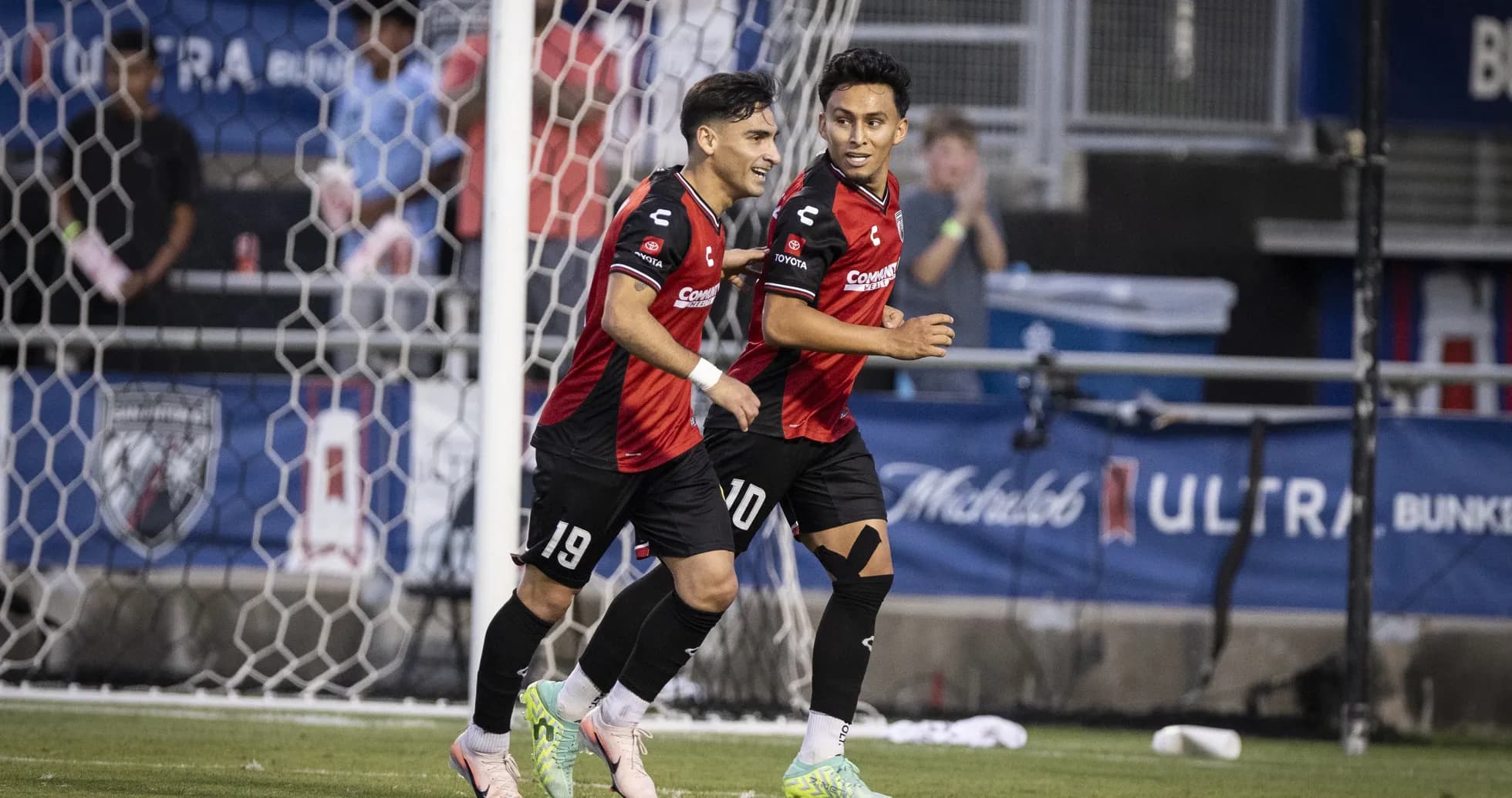
San Antonio's Tactical Edge Secures 2–1 Victory Over Colorado Springs

Charleston Battery Dominates Loudoun United 4–1 in Statement Win

Miami FC vs Orange County SC: USL Championship Clash Highlights
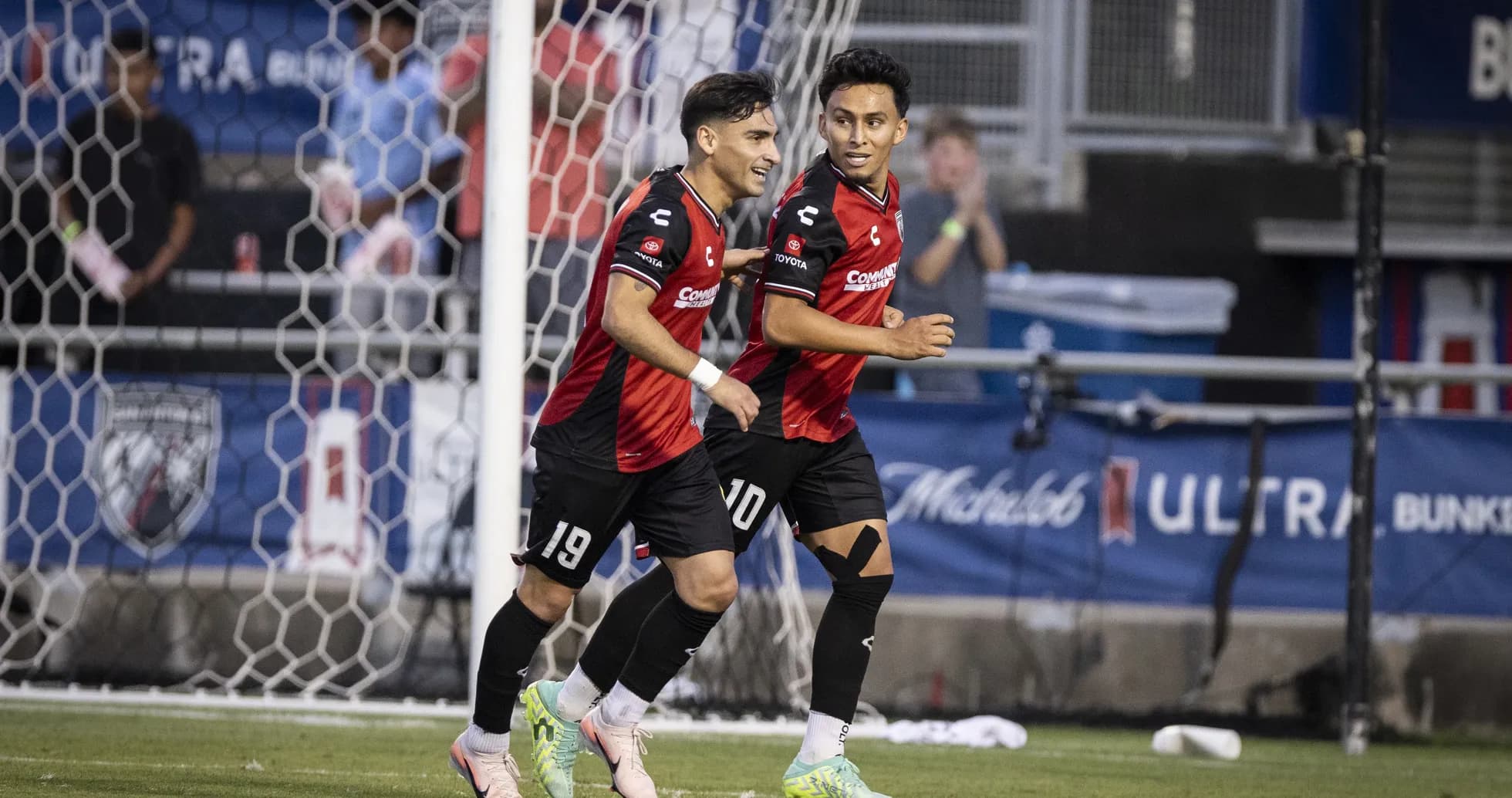
Colorado Springs vs San Antonio: USL Championship Group Stage Preview

Charleston Battery vs Loudoun United: Match Preview

Miami FC vs Orange County SC Match Preview