
Manchester United vs Nottingham Forest: Premier League Showdown
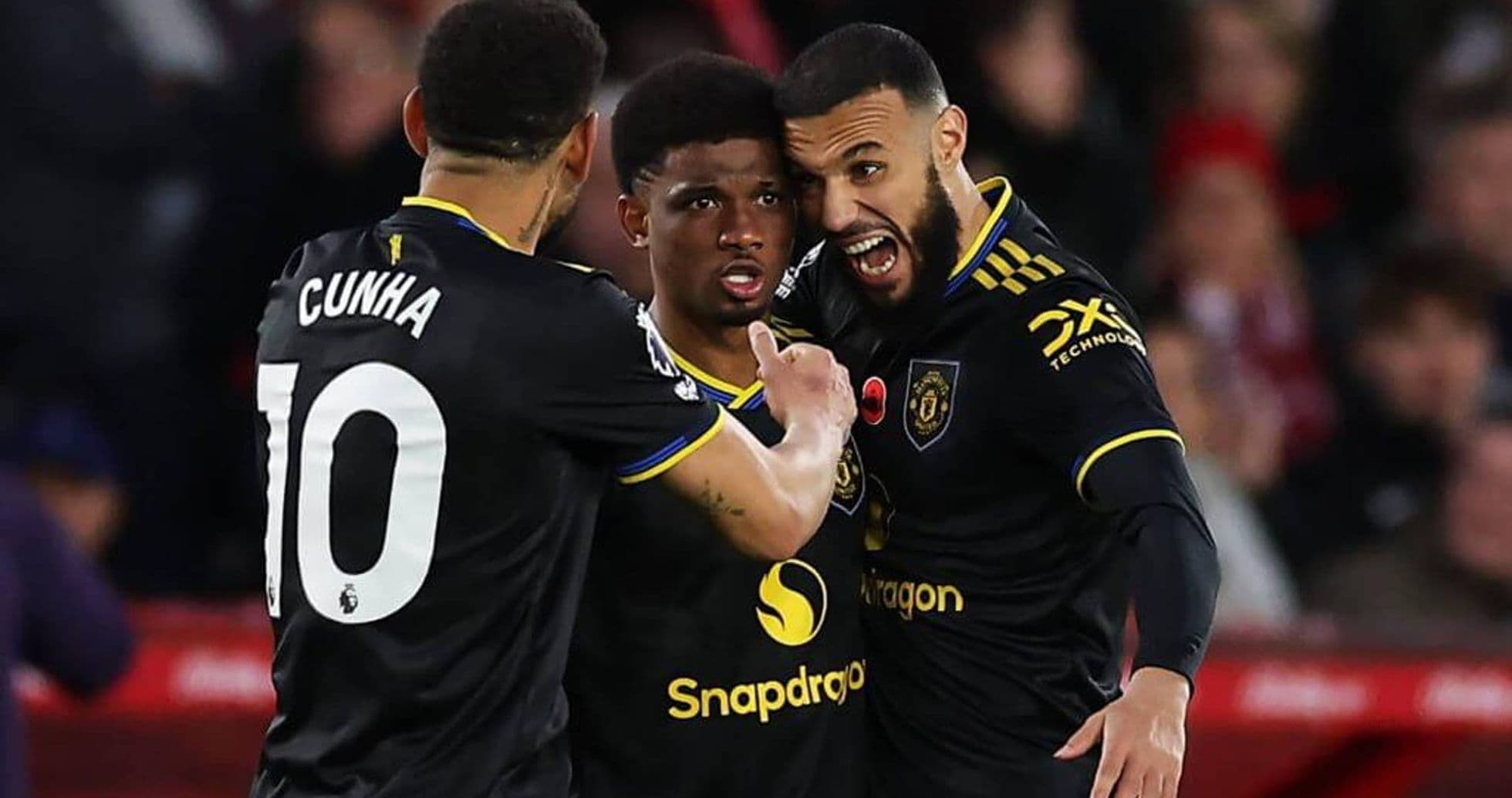
Old Trafford stages a high‑stakes Premier League clash on 17 May 2026 as third‑placed Manchester United host 16th‑placed Nottingham Forest in Round 37. With United chasing a top‑three finish and Forest still not mathematically clear of danger, the incentive on both sides is clear in one of the final acts of the 2025 league campaign.
United’s league position and form
In the league, Manchester United arrive in a strong position. They sit 3rd with 65 points from 36 matches, boasting a goal difference of +15 (63 scored, 48 conceded). Their recent league form reads “DWWWL”, underlining a largely positive run despite a setback last time out.
Old Trafford has been a genuine asset: 12 wins, 3 draws and just 3 defeats from 18 home games, with 36 goals scored and 22 conceded. An average of 2.0 goals for and 1.2 against at home speaks to a side that generally imposes itself, even if they are not watertight defensively.
Across all phases, the season’s statistical profile reinforces that picture. United have 18 wins, 11 draws and 7 losses from 36 matches, scoring 63 (1.8 per game) and conceding 48 (1.3 per game). They have kept 7 clean sheets but have failed to score only 4 times, indicating that their route to points usually runs through their attacking firepower.
Forest’s survival push and away strength
Forest, by contrast, are looking over their shoulders. They are 16th on 43 points with a goal difference of -2 (45 scored, 47 conceded). The form line of “DWWWD” is encouraging: unbeaten in five with three wins suggests they are finishing the season with resilience and momentum.
Crucially, Forest’s away record is better than their home return. They have taken 7 wins, 3 draws and 8 defeats from 18 away games, scoring 26 and conceding 25. An average of 1.4 goals scored and 1.4 conceded away from home shows they are competitive on the road and capable of both troubling and being troubled by opponents.
Across all phases, Forest’s 11 wins, 10 draws and 15 losses underline a season of narrow margins. They have kept 9 clean sheets but failed to score in 14 matches, a reminder that when their attacking patterns misfire, they can be blunt.
Tactical outlook: United’s structure vs Forest’s adaptability
Manchester United have split their league campaign evenly between a back three and a back four, using 3‑4‑2‑1 and 4‑2‑3‑1 in 18 matches each. That flexibility allows them to tailor their shape to Forest’s strengths.
At home, a 4‑2‑3‑1 feels likely, prioritising width and sustained pressure. With 36 home goals and a “biggest home win” of 4‑2, United are comfortable in open, high‑tempo games. The double pivot, anchored by Casemiro, gives a platform for advanced midfielders and wide forwards to push high, while still offering protection in transitions.
Forest have been far more experimental. They have used 4‑2‑3‑1 in 29 matches but have also deployed 5‑3‑2, 4‑4‑2, 3‑4‑3, 4‑5‑1 and 3‑4‑2‑1 on occasion. Away to a top‑three side, a compact 4‑2‑3‑1 or even a back five is plausible, especially given United’s attacking numbers at Old Trafford. Their away “biggest win” of 0‑5 and “biggest away loss” of 3‑0 show that when they get the balance right, they can be ruthless on the break; when they get it wrong, they can be overrun.
Key players and attacking threats
United’s attacking edge is underpinned by a spread of contributors rather than a single dominant scorer.
Benjamin Šeško has 11 league goals and 1 assist from 30 appearances. With 51 shots and 34 on target, he is a high‑volume, high‑accuracy finisher. His profile suggests a classic penalty‑box forward who thrives on service into dangerous areas. If he is passed fit – he is listed as “Questionable” with a leg injury – his movement between centre‑backs will be central to United’s plan to stretch Forest’s defensive line.
Bryan Mbeumo offers a different threat from wide or as a second striker. He has 9 goals and 3 assists, with 54 shots (30 on target) and 46 key passes. His ability to both finish and create makes him a key figure in breaking down what is likely to be a compact Forest block. He has won 28 fouls and attempted 51 dribbles, underlining his role in drawing defenders out of position.
Casemiro provides the spine of United’s structure. With 9 goals and 2 assists, plus 88 tackles, 27 blocks and 30 interceptions, he is both destroyer and late runner. His 1,547 passes with 34 key passes and an 81% accuracy rate show how often attacks start at his feet. Against a Forest side that like to spring forward quickly, his positional discipline will be crucial in stopping counter‑attacks at source.
For Forest, Morgan Gibbs‑White is the standout. He has 13 goals and 4 assists in 35 appearances, with 54 shots (28 on target) and 46 key passes – a remarkably similar creative volume to Mbeumo, but from a deeper role. Gibbs‑White is Forest’s chief playmaker, operating between the lines and linking midfield to attack. His 39 fouls drawn and 25 successful dribbles underline how often he is targeted and how frequently he carries the ball into advanced areas. He has scored 1 penalty from 1 attempt, so if Forest earn a spot‑kick, he is a reliable taker.
Injury news and selection puzzles
United are definitely without M. de Ligt due to a back injury, removing a high‑profile centre‑back option and potentially nudging the manager towards a back four rather than a three. B. Šeško (leg injury) and M. Ugarte (back injury) are both “Questionable”, creating uncertainty in the forward line and midfield rotation.
Forest’s absentees are more numerous. W. Boly (knee injury), C. Hudson‑Odoi (injury), John Victor (knee injury) and N. Savona (knee injury) are all ruled out, trimming options in defence and attack. A cluster of key names are “Questionable”: Z. Abbott (concussion), O. Aina (injury), M. Gibbs‑White (head injury), Murillo (muscle injury) and I. Sangare (injury). The status of Gibbs‑White and Murillo in particular could significantly alter Forest’s tactical approach; without their main creator or a key defender, Forest may be forced into a more conservative setup.
Discipline and game state
Both sides show a tendency to collect cards in the middle third of games. United’s yellow cards peak between 46‑60 minutes (13 yellows, 21.31%), while Forest’s highest share is also 46‑60 minutes (15 yellows, 25.86%). United have seen red three times, all in the second half, and Forest once, just before half‑time. In a match with high stakes at both ends of the table, managing those emotional and tactical moments around the hour mark will be critical.
Head‑to‑head: Forest’s recent edge
The last five competitive meetings paint a more balanced picture than historic reputations might suggest:
- 1 November 2025, Premier League at the City Ground: Nottingham Forest 2‑2 Manchester United – draw.
- 1 April 2025, Premier League at the City Ground: Nottingham Forest 1‑0 Manchester United – Forest win.
- 7 December 2024, Premier League at Old Trafford: Manchester United 2‑3 Nottingham Forest – Forest win.
- 28 February 2024, FA Cup 5th Round at the City Ground: Nottingham Forest 0‑1 Manchester United – United win.
- 30 December 2023, Premier League at the City Ground: Nottingham Forest 2‑1 Manchester United – Forest win.
Across these five, Forest have 3 wins, United 1, with 1 draw. Forest have also won on their last league visit to Old Trafford, the 3‑2 victory in December 2024, which will give them belief that they can unsettle United again, even away from home.
Penalty profiles
Team‑level penalty data shows United have scored 4 from 4 penalties this season in the league, while Forest have scored 3 from 3. At individual level, Gibbs‑White is 1 from 1. For United, neither Šeško nor Mbeumo nor Casemiro has scored a league penalty this season, and none has missed, suggesting others have taken spot‑kick duties.
The verdict
On paper, Manchester United’s superior league position, strong home record and attacking depth make them favourites. They score freely at Old Trafford, rarely fail to find the net, and have multiple match‑winners in Šeško, Mbeumo and Casemiro.
Forest, however, are not the typical relegation‑battler away from home. Seven away wins and a near‑even away goal difference show they can be dangerous travellers, and recent head‑to‑head results tilt in their favour, including that 3‑2 success at Old Trafford in December 2024.
Much will hinge on availability. If Gibbs‑White is passed fit, Forest retain a clear creative outlet capable of exploiting United’s occasional defensive looseness. If Šeško misses out, United lose their most prolific central striker and may need to rely more heavily on wide forwards and midfield runners.
Even allowing for Forest’s improvement and H2H confidence, United’s consistency, home strength and greater squad depth suggest they are more likely to edge a high‑intensity contest. Forest have the tools to score and to make it uncomfortable, but United’s push to lock in a Champions League place, combined with their attacking metrics at Old Trafford, points towards a narrow home win in a match that could still be open and entertaining deep into the second half.
Related News
Premier League Managers Facing Potential Sackings During International Break
Arsenal's Myles Lewis-Skelly Names Unexpected Tottenham Rival as Toughest Premier League Opponent
Three Premier League Players Shining Early This Season
Premier League Early Season Reactions: Man City’s Strength, Arsenal’s Flaws, United’s Struggles
Premier League Returns October 10 After Extended September-October International Break

Fulham and Manchester United Share Points in 1-1 Draw