
Max Eberl Criticizes FIFA's Profit Motive Amid UEFA World Cup Tensions
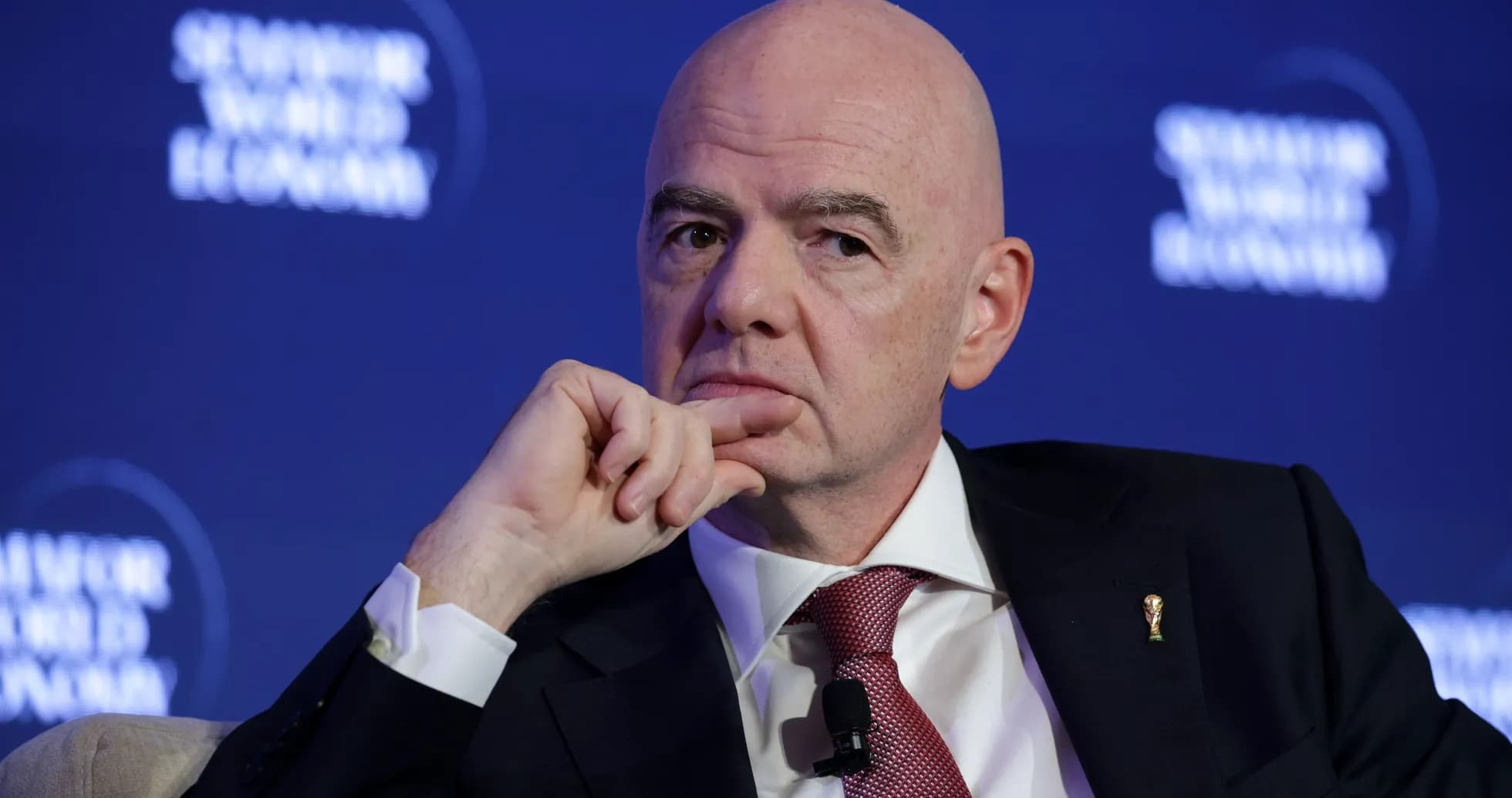
Max Eberl did not bother with diplomacy.
Speaking on Wednesday, the 52-year-old Bayern Munich sporting director launched a blistering attack on FIFA’s latest investment plans and the direction of the world governing body under Gianni Infantino.
“I am ashamed that we even discuss such ideas in football. Football does not belong to us,” Eberl said, as quoted by Sky Sport. “I have the feeling that FIFA exists solely to make a profit. It disgusts me.”
Those words did not land in a vacuum. Tension between FIFA and Europe’s leading stakeholders has been simmering for months; now it is close to boiling over. Reports of a potential World Cup boycott by UEFA member associations are no longer whispers on the fringes. They are starting to sound like a serious option.
From his powerful vantage point at the Allianz Arena, Eberl made it clear where he stands if UEFA decides to confront Infantino’s project head‑on.
“Then I would indeed be in favor of us as Europe taking a firm stand and saying: No, we won’t participate,” he added.
That is not cautious boardroom language. That is a senior figure at one of the world’s biggest clubs openly contemplating a historic split from FIFA’s flagship tournament.
Sammer warns of “emotional credibility” at risk
Not everyone in German football has gone in quite as hard as Eberl, but the mood is unmistakable.
Matthias Sammer, the former Ballon d’Or winner and current Borussia Dortmund advisor, chose a more restrained tone yet voiced the same fundamental unease. He recognises the political tightrope Infantino walks in trying to satisfy 211 member associations, all chasing a bigger slice of the global game.
“Gianni Infantino first has to manage to please everyone. That’s his job and FIFA’s. It’s always a fine line,” Sammer remarked.
The line, in his view, is now being tested to breaking point. Sammer warned that the “emotional credibility” of football is being gambled away in the hunt for ever greater financial returns. The danger, he stressed, begins the moment the core of the sport is treated as a variable in a business model rather than a foundation.
He sees a “danger when the integrity of the game is interfered with.”
That word — integrity — has become the rallying cry. It cuts through the technical jargon of investment vehicles and commercial guarantees and goes straight to what supporters, players and coaches actually feel when they look at the calendar and see new tournaments, expanded formats and fresh revenue streams squeezed into every available gap.
FIFA’s deadline, Europe’s dilemma
Infantino is not backing off. He has set a clear timetable, giving member associations until September to sign off on the deal. On the table: a promise of millions in fresh income for each federation, a financial carrot designed to win over sceptical administrators, especially outside Europe.
For many smaller associations, the proposal represents a rare chance to secure long‑term funding. For the powerbrokers in UEFA, it looks more like another step toward a version of football where commercial logic trumps sporting sense.
That is the fault line.
Eberl and the Bayern hierarchy are prepared to walk away from that money if the price is a sport they no longer recognise. For them, the identity of football — the feeling that results are earned on the pitch, not scripted in a boardroom — cannot be traded, no matter how lucrative the offer.
The next act will play out in UEFA’s upcoming meetings, where federations must decide whether to accept FIFA’s vision or draw a hard line.
Either Europe falls into step with Infantino’s project, or it risks detonating the most dramatic split in modern football politics.
Related News
Carlos Alcaraz Calls for Change After Laver Cup Court Conditions
Alexander Zverev Secures Laver Cup Victory for Team Europe with Straight-Set Win Over Learner Tien
Novak Djokovic Shares Fitness Update Before China Open Return After US Open Upset
Shubman Gill's Captaincy Record Across All Formats: Tests, ODIs, T20Is, and IPL
Kuldeep Yadav Named Player of the Match Over Virat Kohli Despite Century in IND vs WI 1st ODI
India Advances to Asian Games 2026 Cricket Semi-Finals After Rain Washout Against Afghanistan