
Concerns Over MetLife Stadium's Pitch in World Cup
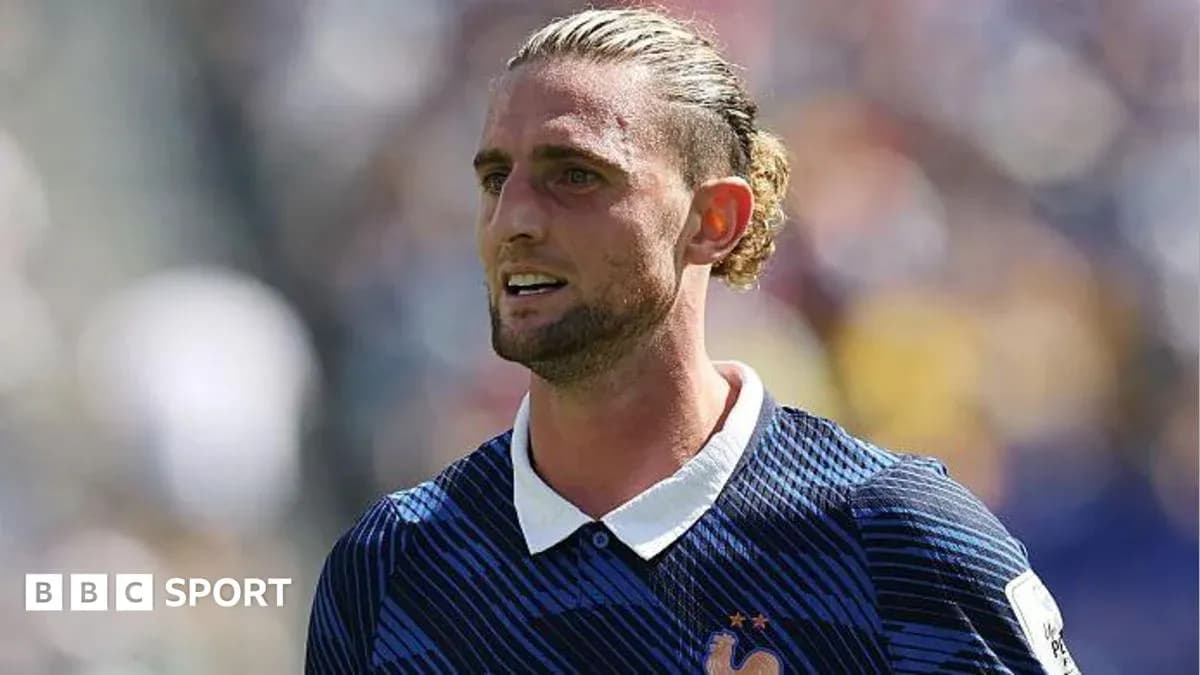
Adrien Rabiot walked off the MetLife Stadium pitch with three points in his pocket and a warning on his lips.
France had just opened their World Cup campaign with a 3-1 win over Senegal in New Jersey, Rabiot playing all 90 minutes and laying on Bradley Barcola’s goal. The performance was controlled, at times slick. The surface, he insisted, was anything but.
“The pitch... I don't even know if you can call it that. It felt more like an artificial surface – quite hard and quite rigid,” the 31-year-old midfielder said, cutting straight to the point after full-time.
A World Cup final on a surface under fire
This is no minor venue. The New York New Jersey Stadium, better known as MetLife Stadium, will stage England’s final group game against Panama on 27 June and the World Cup final itself on 19 July. The world’s eyes will be on this field.
Right now, many of those eyes are narrowing.
The stadium, home to NFL franchises the New York Giants and New York Jets, usually boasts an artificial turf that has long carried a grim reputation among American football players. Serious injuries have piled up on its synthetic carpet, feeding the talk of a ‘MetLife curse’.
Even with a temporary grass pitch laid over that base for the World Cup, the complaints are already mounting.
Rabiot’s assessment followed a familiar line. The ball did not zip. The ground did not give. The feel underfoot, he suggested, belonged closer to the NFL than the World Cup.
Vinicius Junior sounds the alarm
France’s midfielder is not alone. Brazil forward Vinicius Junior had already highlighted problems after his side’s 1-1 draw with Morocco in their opener at the same stadium.
“In the second half, with the heat, the pitch dries out very quickly. The game becomes very sluggish and we can't get into our rhythm,” Vinicius said.
That is the heart of the issue for the tournament’s elite attackers. When the grass dries and stiffens, tempo dies. Combinations slow. Risk creeps into every change of direction.
For a World Cup designed around high-speed, high-skill football, the surface is threatening to drag the spectacle back a step.
MetLife’s bruised reputation
The 78,576-capacity arena has tried to dress itself for the world game. Its usual artificial turf has been covered by a temporary grass system, one of eight such installations across 16 host venues.
But the old reputation lingers.
Giants wide receiver Malik Nabers tore his anterior cruciate ligament there in September, another headline name added to the list of players injured on the turf beneath. Incidents like that have turned “MetLife” into shorthand for risk in NFL circles.
Now, with football’s biggest tournament in town, the conversation has shifted from torn ligaments to torn rhythms.
More games, more scrutiny
The schedule offers no respite for the surface.
Senegal return to the stadium to face Norway on 22 June, needing a response after their defeat to France and hoping the pitch does not become a leveller in the wrong way.
England and Panama will follow, then, ultimately, the finalists. Every match will add another layer of wear and another round of inspection.
Across the Atlantic, other temporary pitches are under the microscope as well. Boston Stadium, where Scotland opened their campaign with a 1-0 win over Haiti, is working off the same model. Scotland go back there for their second Group C game against Morocco on Friday (23:00 BST), braced for similar questions if the grass starts to go.
For now, the MetLife debate is simple. The World Cup’s showpiece stadium has been given a new skin. Two of the tournament’s leading stars have already suggested it still feels like the old one.
Related News

Anthony Joshua Names Murat Gassiev as Next Opponent if He Defeats Tyson Fury

UFC 332: Start Time and Fight Highlights for Natalia Silva vs. Wang Cong
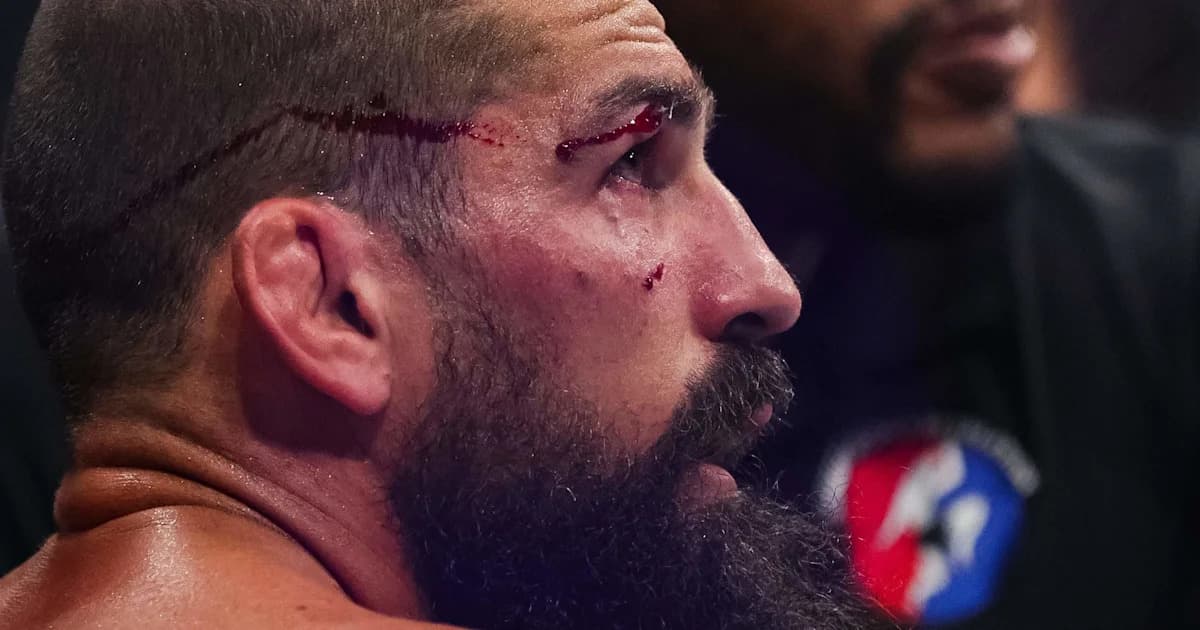
Court McGee Opens Up About Choosing UFC 332 as His Final MMA Fight
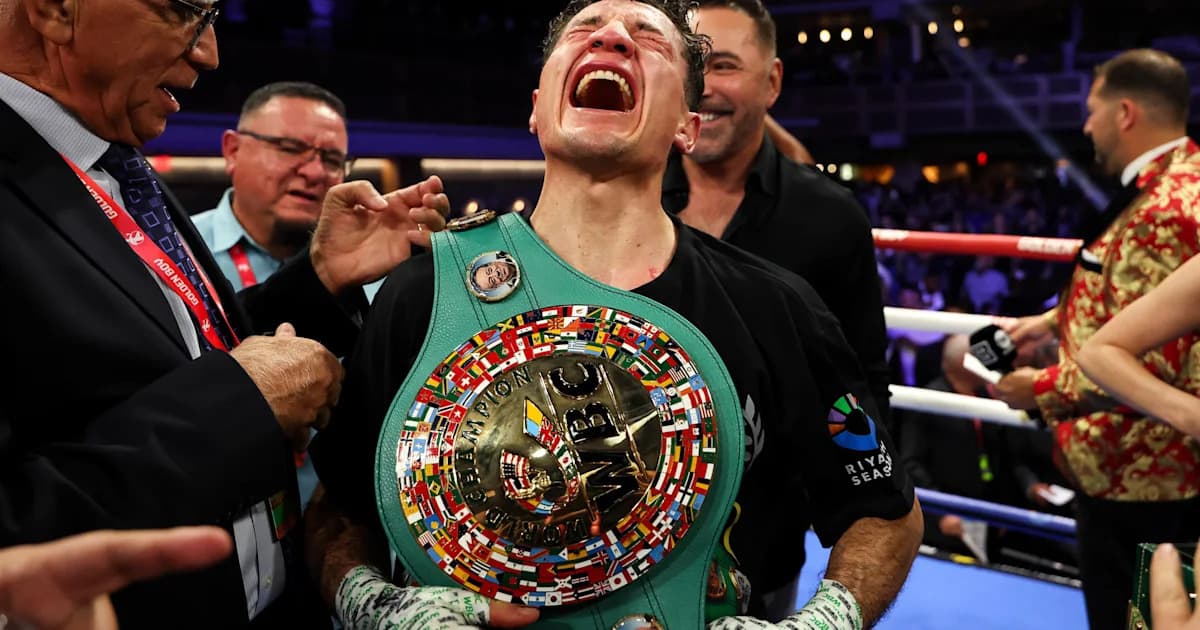
WBC Orders Lightweight Title Unification: William Zepeda vs Jadier Herrera

BCCI Pension List: Monthly Payments to Retired Indian Cricketers in 2025

Why Fury vs Joshua Is Set for Cardiff, and Dua Lipa’s Unexpected Role