
Neymar's Emotional Comeback in Miami
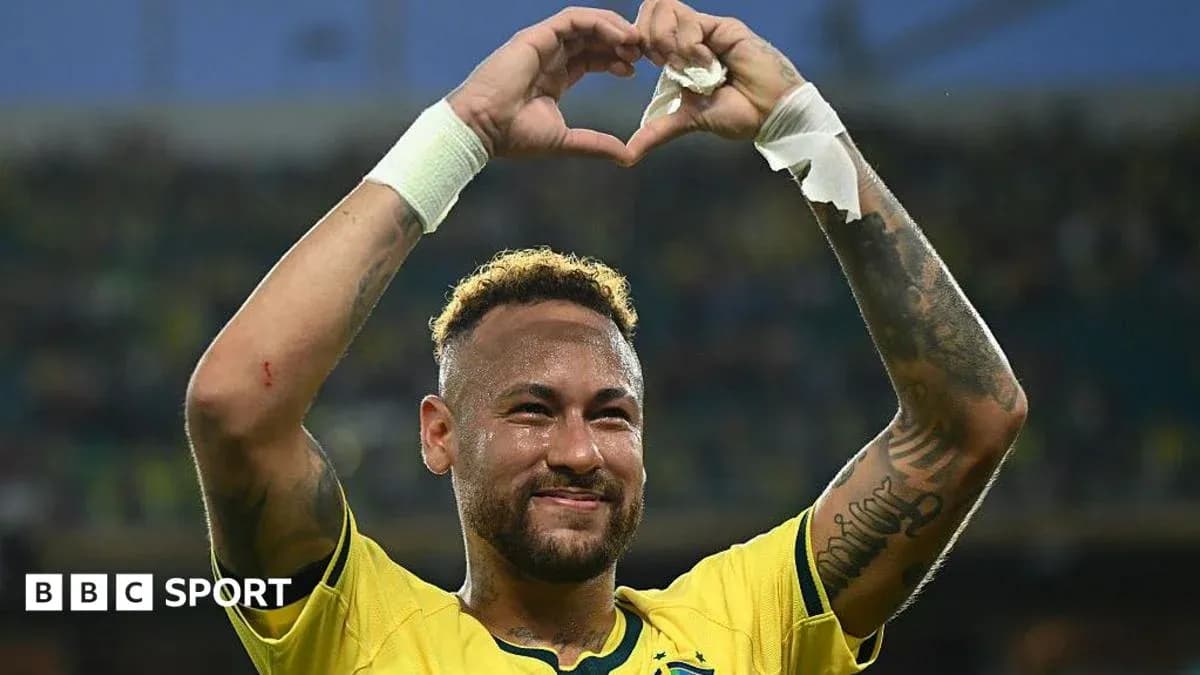
The roar started long before he appeared.
In the thick, humid air of Miami Gardens, every glimpse of Neymar – a stretch on the touchline, a wave during the warm-up, his face on the giant screens – sent a jolt through the stands. Brazil’s forgotten prodigal son had been missing from the national shirt for almost three years. On this night, in a World Cup where he is no longer the undisputed star, the country simply wanted to see him again.
Carlo Ancelotti had said it quietly in a cramped Miami press room: “Neymar needs no ulterior motivation. Everyone loves him here.” He did not need to argue the point. The stadium did it for him.
A comeback framed in yellow
Miami Stadium, with its four colossal screens beaming into the night, turned into a shrine. Every time Neymar’s name flashed up, the noise swelled. It was hysteria wrapped in canary yellow.
This was not the Neymar of 2014, carrying a nation on his back. This was a 34-year-old forward who had been stripped of momentum by a brutal injury – an anterior cruciate ligament and meniscus tear in October 2023 that halted his World Cup qualifying campaign and dragged him into a long, lonely recovery. Game time had been scarce. Doubts had been loud.
Yet here he was again, under the floodlights, as Brazil dismantled a self-sabotaging Scotland in their Group C finale.
On the pitch, the new generation did the early damage. Vinicius Jnr struck twice in the first half, his ruthless finishing punishing Scottish errors. Matheus Cunha added a third, and the contest sagged under the weight of Brazilian control. In the middle of it all, though, another story simmered.
Abrupt cheers kept bursting from the crowd. Some were for news filtering through from Atlanta, where Haiti were involved in the group’s parallel drama. Most, unmistakably, were for Neymar – every stretch, every sprint on the sideline, every hint that his entrance was coming.
Then he shed the warm-up bib.
Twenty minutes, and a reminder
The eruption as Neymar walked to the touchline and stepped in for Cunha on 76 minutes felt disproportionate to the game state. Brazil were cruising. Scotland were beaten. The result, and top spot in Group C, were secure.
But this was not about the scoreline. It was about a relationship being renewed.
Ancelotti, speaking after the win, was clear about why he had turned to his veteran: “He had the opportunity to play, because I think he deserved to play. He trained and worked hard to recover, with professionalism. For this World Cup, I think that he can help the team with his qualities. I think he played well, the few minutes he was on the pitch.
“Neymar needs no motivation to wear the colours of Brazil. Neymar is still the same, and at 34, he has the same passion he had as a kid.”
The numbers from his cameo were modest yet telling. In 20 minutes, Neymar had 24 touches – only 14 fewer than Cunha had managed in his 76. He forced a save with a shot on target, drifted between the lines, demanded the ball. The sharpness was not yet that of his peak, but the intent was familiar.
In truth, Brazil had already broken Scotland’s resistance. The swagger was back in flashes: combinations snapping into place, attacks flowing, a ruthless streak layered over the old artistry. Against stronger opposition this tournament, Ancelotti’s side have looked far less convincing. Argentina, Ecuador, Bolivia, Japan, Tunisia, France, Morocco – the list of games without a Brazilian win underlines the inconsistency.
Here, though, they found rhythm. And into that rhythm stepped a man who once defined it.
A nation still waiting
When the final whistle went, the football almost faded into the background. The big screens locked on to Neymar again as he walked towards the stands. He stayed there, soaking in the noise, before leaning over the hoardings to embrace his young daughter at the front. It was a simple moment, but the symbolism hung heavy.
Brazil have not lifted the World Cup since 2002. Their last major trophy came in 2019, when they claimed a ninth Copa America. For a country raised on dominance, that gap feels like an ache.
The hunger for greatness has not dimmed; if anything, it has sharpened. This generation carries the weight of that longing. Vinicius Jnr, Rodrygo, the new wave of Selecao talent – they are supposed to drag Brazil back to the summit. Neymar, once the chosen one, now hovers in a different role: not quite the past, not entirely the present, but still capable of changing a game with one touch.
Outside the stadium, as fans drifted into the Miami night, the verdicts were already forming.
“Pele is the best player of all time. No comparison,” one supporter said, heading away in his Brazil shirt. “He won three World Cups for Brazil.
“Neymar will be among the best ones. He could be in the same level as Ronaldo or Ronaldinho if he wins the World Cup.
“I was in 2016 at Maracana, when he was the guy who scored the decider at the Olympics, and that was a title that Brazil never had before, but the World Cup is the title that we need, and we’re going for the six stars.
“I think he’s able to open up the field and bring out jogo bonito, as they say.
“They have to respect who he is and who he once was, because if you don’t, he’ll make you pay, that’s for sure.”
That is the bargain now. Brazil’s future clearly belongs to the new faces, but the old hero still has a say. In Miami, for 20 charged minutes, Neymar reminded his country that he is not done yet.
The question is no longer whether they love him. The noise answered that. The question is whether, in this World Cup, he can still help deliver the sixth star they crave.
Related News
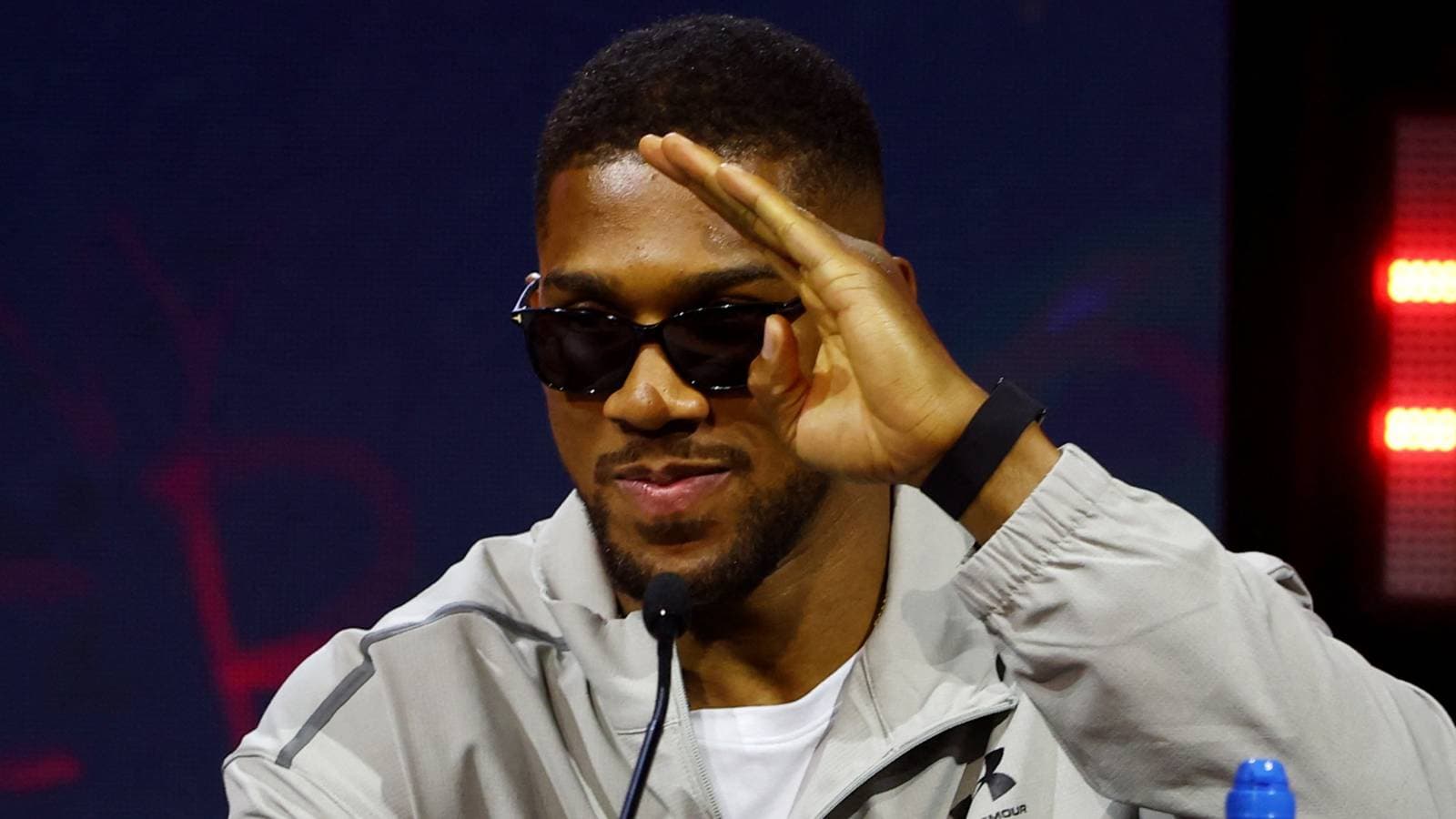
Anthony Joshua Names Murat Gassiev as Next Opponent if He Defeats Tyson Fury

UFC 332: Start Time and Fight Highlights for Natalia Silva vs. Wang Cong
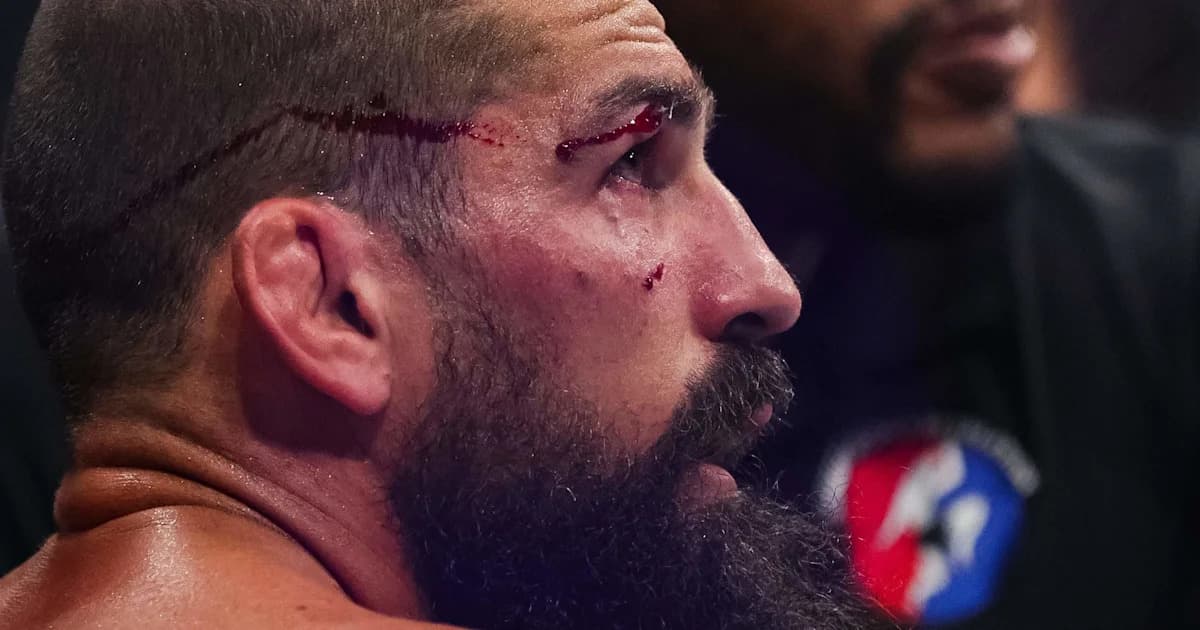
Court McGee Opens Up About Choosing UFC 332 as His Final MMA Fight
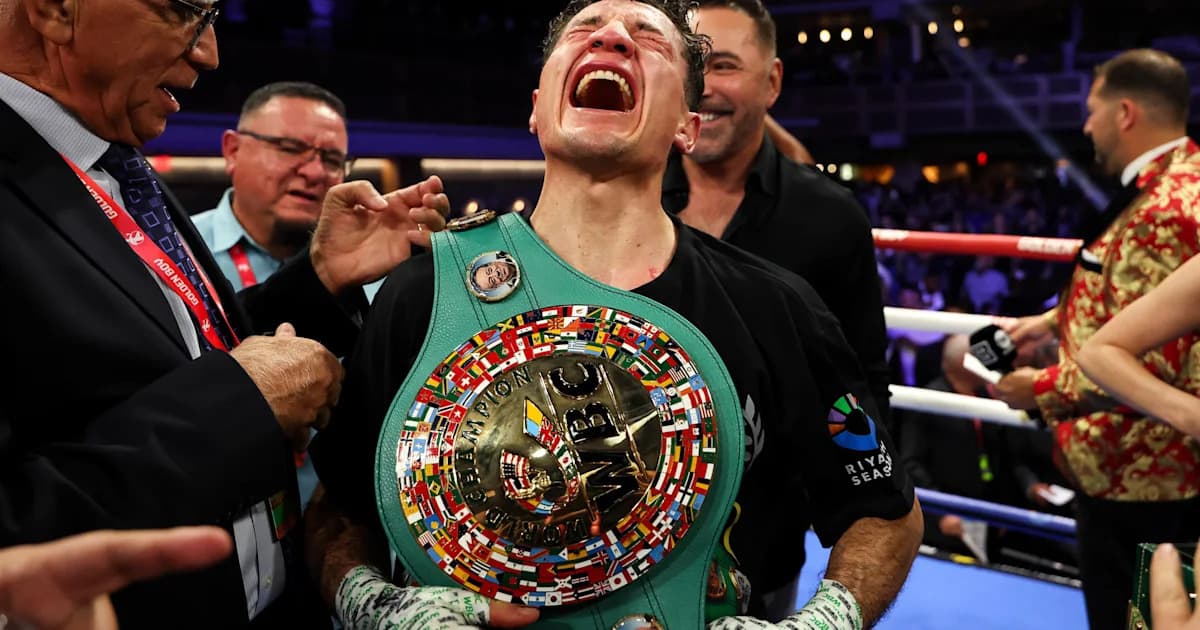
WBC Orders Lightweight Title Unification: William Zepeda vs Jadier Herrera
BCCI Pension List: Monthly Payments to Retired Indian Cricketers in 2025
Why Fury vs Joshua Is Set for Cardiff, and Dua Lipa’s Unexpected Role