
Orlando Pirates' New Left-Back Neo Rapoo Joins a Rich Legacy
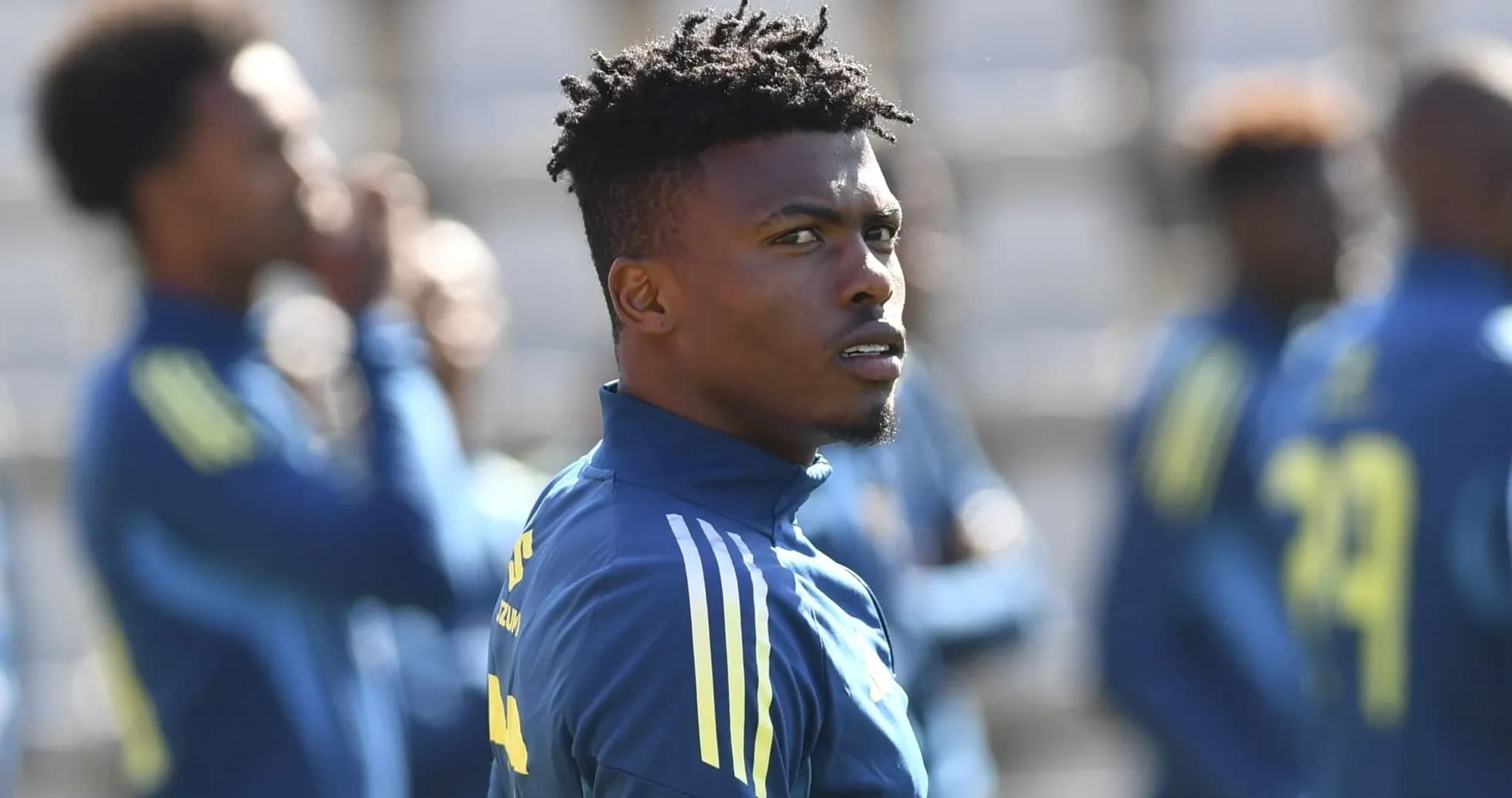
Abdeslam Ouaddou has not been at Orlando Pirates long, but he already speaks about the club like someone who has lived its history.
Sitting in front of the microphones on Tuesday, the Moroccan coach didn’t talk first about formations, trophies or pressure. He talked about villages. About chances. About a club that, in his words, exists as much for social impact as for silverware.
“I think you know better than me the club of Orlando Pirates,” he began, before circling quickly to what has struck him most: a giant of South African football that still behaves like a talent factory for the forgotten corners of the country.
“They are very involved in the social matter and what I like is, they give the platform to local players. They can scout them from far away from Johannesburg. Sometimes they can find a player in the village and it's the beauty of football and they make them grow, grow, grow until they send them abroad.”
For Ouaddou, that is not a slogan. It is a pattern. He points to Relebohile Mofokeng, to Mbekezeli Mbokazi, to players who have climbed from those beginnings to the World Cup stage and beyond.
“For me, the story of Mofokeng, the story of Mbokazi and the story of other players to be at the World Cup and to see them playing at such a high level. This is the story of Pirates, and they continue like that.”
Into that story now walks Neo Rapoo.
Rapoo, the Next Chapter
The young left-back has arrived from Siwelele FC, carrying with him the polish of SuperSport United’s development system and the hunger of a player who knows nothing is guaranteed.
Pre-season at Pirates is unforgiving. Rapoo has not treated it as an introduction. He has treated it as an audition.
Up against Deon Hotto and Nkosikhona Ndaba for minutes on the left, the newcomer has impressed his coach with both his technical range and his willingness to suffer through the running that Ouaddou’s model demands.
“Rapoo is part of this process, like the other players, young players,” the coach said. “I think you have to understand Pirates is a family. I felt this feeling the first day that I signed for that club and from the board inside the club you can see this kindness. They take care about you, and they want you to be successful, whoever came in the club.”
The word “family” can be overused in football. At Pirates, Ouaddou insists, it has substance. It is visible in how a new full-back is received in a dressing room full of internationals, not just in how he is spoken about in public.
A Dressing Room That Welcomes Competition
Ouaddou’s own 17-year playing career, spread across Europe and Africa, has shown him both sides of elite football. He knows what usually happens when a talented youngster walks into a room full of established professionals.
Often, the welcome is cool. The older players see a threat, not a teammate.
At Pirates, he has found something different.
“The senior players, they have this legacy,” he said. “They have this legacy and they are honest people. Because I’ve been playing football for 17 years and I can tell you that sometimes it not the case because when there are new players coming, they are coming, to take positions.
“But here, the senior players, they're fighting to keep their position, which is good for me. And in the same times, they welcome them in the club and they help them to set them in the club so Rapoo is one of them I see him really the next with the Nkosinkhona [Ndaba] the next international players.”
The balance is delicate: fierce internal competition, but with a hand on the shoulder for the next man up. It is the kind of culture that allows a 20-year-old full-back to chase a veteran’s place without tearing the group apart.
For a club that prides itself on turning potential into export-ready talent, that dynamic is priceless.
Built for the Modern Game
Ouaddou’s admiration is not based on attitude alone. It is tactical.
His Pirates side will ask a lot of its full-backs. They must run high, repeat sprints, combine in tight spaces, deliver under pressure and still have the clarity to defend their flank. It is an unforgiving role. He believes Rapoo and Ndaba fit it.
“They are full of quality, in terms of capacity to repeat efforts, and if you see our game model it's very demanding they're able to combine in the last third,” he explained. “They're playing high. They're able to score, they're able to give you a fantastic cross and the particularity of Rapoo is somebody who is able to be efficient in the set pieces.”
That last detail matters. Set pieces decide titles in seasons where the margins are thin. A left-back who can change a game with a dead ball becomes more than a squad option; he becomes a weapon.
With Pirates set to fight on four fronts this campaign, Ouaddou knows he cannot lean on the same XI from August to May. High-energy full-backs who can maintain intensity and still produce in the final third will shape his rotation.
“So, I think he will bring his competences to our group, as you know we have a lot of games. I'm sure he will be successful and overall, he is a top man and very professional,” he concluded.
From the villages to the World Cup, from Siwelele FC to a packed Orlando Stadium, the route is familiar. The names change. The story, as Ouaddou keeps reminding everyone, does not. The only question now is whether Neo Rapoo becomes the next Orlando Pirates full-back the world learns to pronounce.
Related News
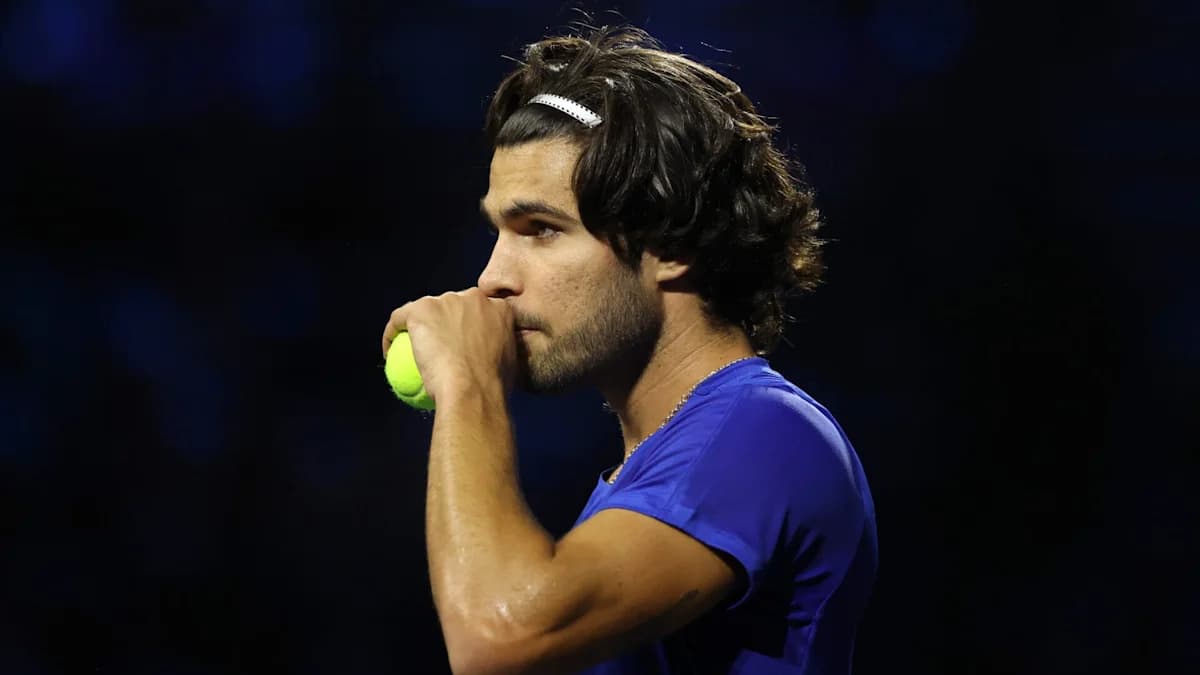
Carlos Alcaraz Calls for Change After Laver Cup Court Conditions
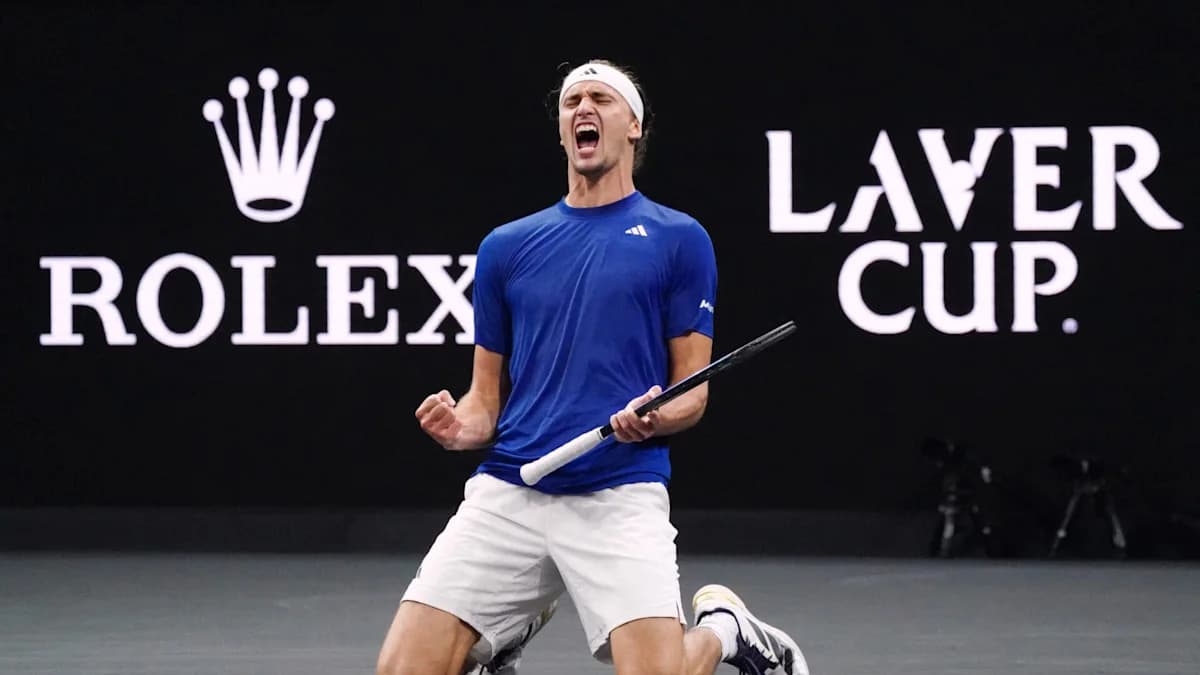
Alexander Zverev Secures Laver Cup Victory for Team Europe with Straight-Set Win Over Learner Tien
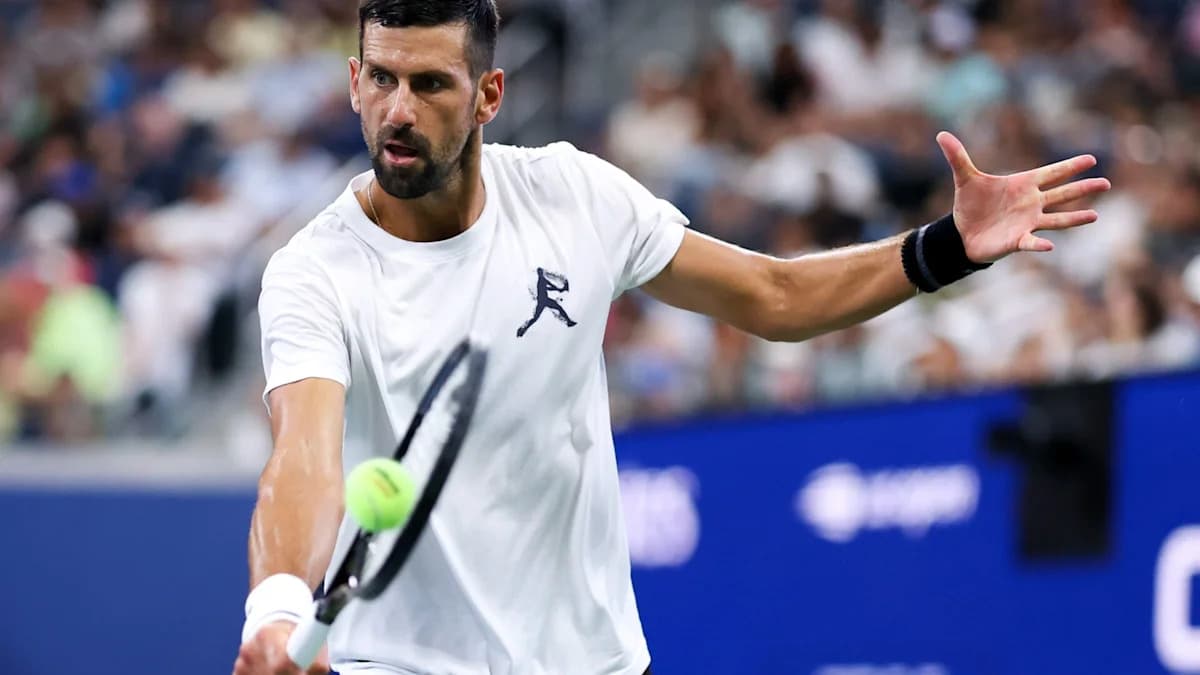
Novak Djokovic Shares Fitness Update Before China Open Return After US Open Upset
Shubman Gill's Captaincy Record Across All Formats: Tests, ODIs, T20Is, and IPL
Kuldeep Yadav Named Player of the Match Over Virat Kohli Despite Century in IND vs WI 1st ODI
India Advances to Asian Games 2026 Cricket Semi-Finals After Rain Washout Against Afghanistan