
Portland Thorns W vs Angel City W: Tactical Arm Wrestle Ends in Draw
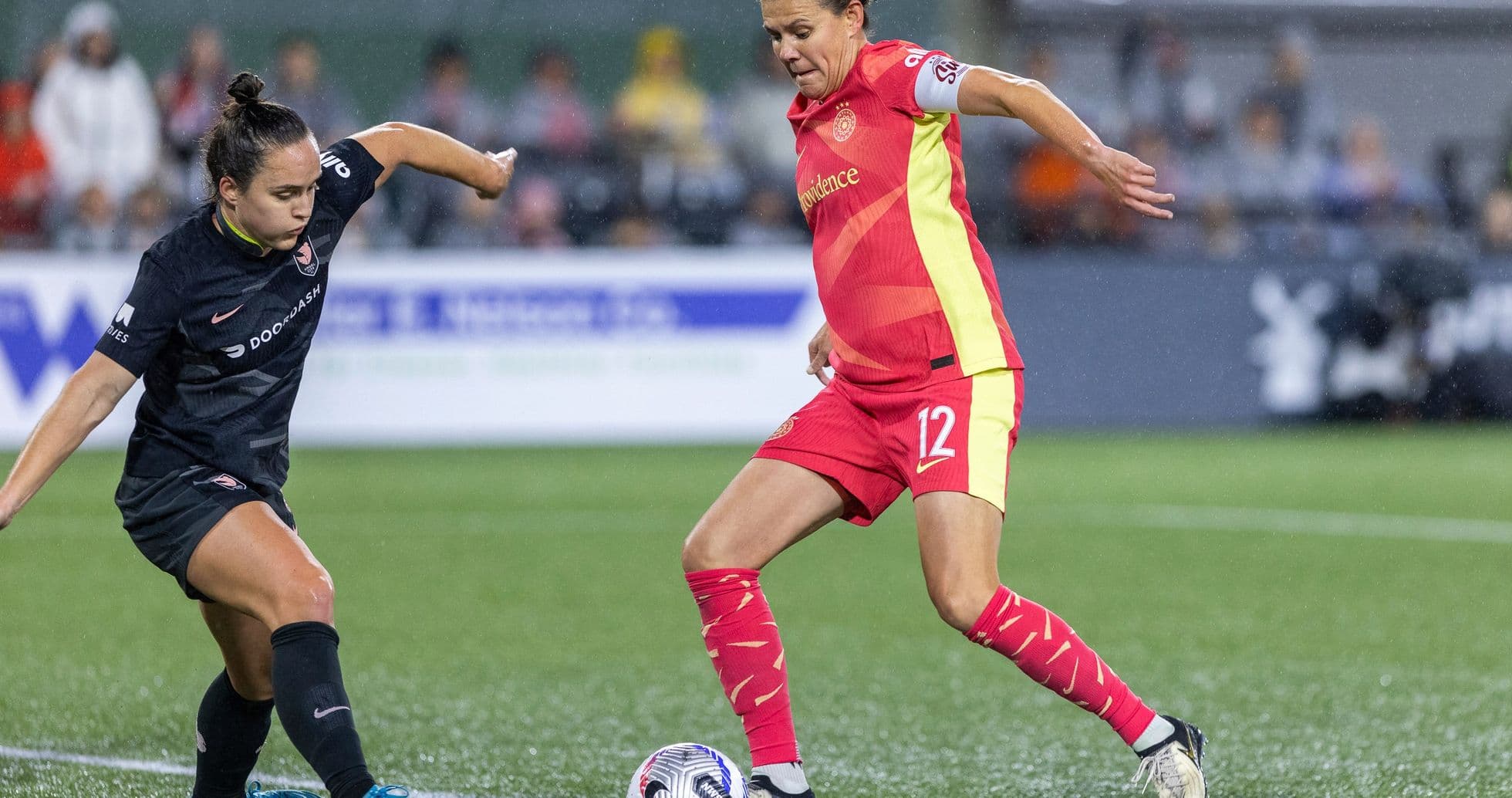
Under the lights at Providence Park, a goalless draw between Portland Thorns W and Angel City W felt less like a stalemate and more like a tactical arm wrestle between two sides with very different seasonal identities.
I. The Big Picture – A clash of trajectories
Following this result, Portland remain one of the league’s standard-setters. They sit 3rd in the NWSL Women table with 20 points from 10 matches, built on a clear profile: solid, structured, and relentlessly efficient. Overall this campaign they have scored 15 and conceded 9, a goal difference of 6 that reflects both their attacking variety and defensive discipline.
Angel City, by contrast, leave Portland still searching for stability. They are 12th with 10 points from 8 matches, their season split between an early three-game winning streak and a current run that reads “DLLLL” in the standings snapshot. Overall they have 12 goals for and 9 against, a goal difference of 3 that hints at a team capable of hurting opponents but unable to sustain control over 90 minutes.
Heading into this game, Portland’s home form was formidable: 4 matches at Providence Park, 3 wins, 1 draw, 0 defeats, 6 goals scored and none conceded. An average of 1.5 goals for and 0.0 against at home underlined why this venue has become a fortress. Angel City’s away profile was more volatile: on their travels they had played 3, winning 1, drawing 1, losing 1, with 4 goals scored and 3 conceded, averaging 1.3 goals for and 1.0 against away.
II. Tactical Voids – Discipline, risk, and what was missing
There were no listed absentees in the pre-match data, so both coaches could lean into their preferred shapes. Robert Vilahamn went with his trusted 4-2-3-1, the formation Portland have used in 7 league matches this season. Alexander Straus countered with a 4-3-3, one of several systems Angel City have rotated through, but one that maximizes their wide threats.
The disciplinary backdrop framed the tension. Portland’s season-long card profile shows a team that walks a fine line. They have yellow cards spread almost evenly across the 0-15, 31-45, 61-75 and 76-90 minute ranges, each at 20.00%, and an additional 10.00% in unclassified periods. More tellingly, their red cards are concentrated early and just after the break: 50.00% of their reds in 0-15 and 50.00% in 46-60. That pattern speaks to aggressive front-foot defending and occasional overreach when they try to seize control of halves.
Angel City’s card map is different but equally combustible. Their yellows peak in the opening 15 minutes at 22.22%, then spike again from 76-90 and 91-105, each also at 22.22%. They have a single red card this season, shown in the 46-60 minute window (100.00% of their reds), suggesting a vulnerability when intensity rises just after half-time.
On the individual level, Portland’s back line carries a clear edge. Reyna Renée Reyes has already seen red this season, but she also embodies the Thorns’ defensive bite: 10 tackles, 5 successful blocked shots, and 8 interceptions in league play. In midfield, Cassandra Ella Archontoulis Bogere brings a combative edge with 25 tackles and 14 fouls committed, her yellow and yellow-red combination underlining how thin the margin can be between control and chaos.
For Angel City, the disciplinary spotlight falls on Maiara Niehues, whose 9 fouls committed and single red card from midfield show how central she is to disrupting opposition rhythm, sometimes at a cost.
III. Key Matchups – Hunter vs Shield, and the engine rooms
The “Hunter vs Shield” narrative is usually about a star striker versus a fragile defence, but here it flipped: Portland’s defensive record at home was the shield, and Angel City’s attacking core the hunters.
Portland had not conceded at home heading into this game, four clean sheets from four. Goalkeeper M. Arnold, screened by a back four of Reyes, I. Obaze, S. Hiatt and M. Vignola, formed a compact line that has yet to be breached at Providence Park in league play. The midfield shield of Bogere and J. Fleming was designed to suffocate Angel City’s central progression.
Angel City’s attacking threat was more diffuse without their top scorer S. Jónsdóttir in this particular lineup, shifting responsibility onto the front three: J. Endo, R. Tiernan and T. Suarez. Behind them, Ary Borges and N. Martin were tasked with threading passes through Portland’s double pivot, while C. Lageyre offered vertical running from midfield.
On the other side, Portland’s own hunters were spread across the advanced line. Reilyn Turner, one of the league’s most productive midfielders with 4 goals from midfield and 15 tackles won, started as a key second-wave runner. P. Tordin, with 3 goals and 3 assists overall, and the creative weight of O. Moultrie (4 goals, 4 assists, 22 key passes) looming in the wider squad context, define a Thorns attack that can hurt teams from multiple zones. Even in this XI, S. Wilson up front and M. Muller between the lines offered enough movement to test Angel City’s back four.
The “engine room” duel pitted Portland’s double pivot of Bogere and Fleming against Angel City’s central trio of Borges, Martin and Lageyre. Bogere’s 226 passes at 76% accuracy and 25 tackles this season illustrate a blend of circulation and bite. For Angel City, Borges’ ability to arrive in the box and Martin’s distribution were crucial to breaking Portland’s press.
IV. Statistical Prognosis – What the numbers say about the stalemate
Following this result, the numbers reinforce Portland’s identity as a defensive juggernaut at home and a consistent contender overall. They still average 1.5 goals for per match in total, with 1.5 both at home and away, and just 0.9 goals against overall. The clean-sheet count – 6 in total, 4 at home – underlines why a 0-0 at Providence Park feels less like dropped points and more like a continuation of a defensive standard.
Angel City, meanwhile, remain a paradox. Overall they average 1.5 goals for and 1.1 against, a profile of a side that should be mid-table or better. But their form line “DLLLL” and the inability to turn promising attacking metrics into wins suggest an Expected Goals story where they create but fail to finish, and concede at inopportune moments.
Overlaying the card distributions with the tactical setups, the most volatile phase for both teams remains just after half-time. Portland’s 46-60 red card share and Angel City’s single red in the same window hint that future meetings between these sides could tilt dramatically in that period if either midfield oversteps in the press.
From an xG and defensive solidity standpoint, Portland’s structure, home record, and clean-sheet volume would still make them favourites in a replay of this fixture. Angel City’s best route forward lies in sharpening the edge of their front three and leveraging the creativity of players like Borges and S. Jónsdóttir when available, while tightening the disciplinary screws in those high-risk middle phases of each half.
The 0-0 at Providence Park, then, reads less as an anomaly and more as a snapshot: Portland’s shield remains intact, and Angel City are still trying to turn promise into points.
Related News
Portland Thorns W vs Houston Dash W: NWSL Women Clash
Kansas City W vs Denver Summit W: NWSL Women Showdown
Portland Thorns W vs Houston Dash W Prediction: Key Stats and Tips
Washington Spirit W vs Angel City W Prediction: Key Stats and Betting Tips
Racing Louisville W vs San Diego Wave W Predicted Lineups and Team News
Kansas City W vs Denver Summit W Prediction: Key Stats and Betting Tips