
PSG Retains UEFA Champions League Title Amidst Record Illegal Streaming
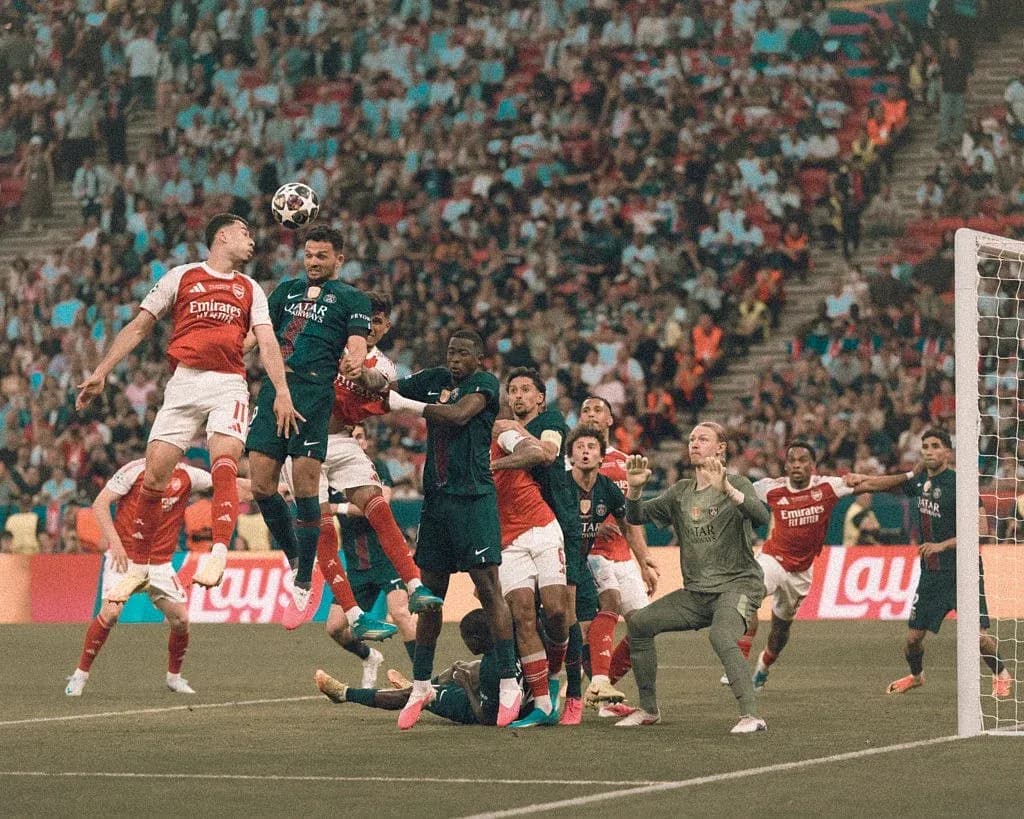
On a hot night in Budapest, PSG clung to their European crown. The holders outlasted Arsenal on penalties, 4-3, after a tense 1-1 draw at the Puskás Aréna on 30 May 2026. A second straight UEFA Champions League title, sealed from 12 yards.
Yet the real shock didn’t come from the pitch. It came from the way the world watched.
A final that broke out of the stadium
YouGov Sport tracked viewing across four key markets: the UK and France, home to the finalists; Hungary, as host nation; and the United States, where interest in football is riding a World Cup wave. Across those territories, the final drew a combined audience of 33.7 million.
The headline number is big. The story behind it is bigger.
In the UK alone, an estimated 16.2 million people watched via illegal streams. That made piracy the single largest source of viewership on the night, outstripping the 12.9 million who tuned in through official broadcasters across all four markets combined. With the final locked behind paywalls and not available free-to-air in Britain, millions simply went around the system rather than miss the showpiece.
The UK delivered the largest total audience at 19.4 million. Of that, 16.2 million came through illegal streaming, 3.0 million watched on TNT Sports and HBO Max, and around 200,000 were estimated to have followed the game out of home. France followed with 9.5 million viewers via M6 and Canal+, while the US added 4.8 million across CBS, Univision and Paramount+.
The game spilled out of living rooms and into the streets. YouGov Profiles data suggests just under 500,000 Arsenal and PSG fans watched from bars and pubs across London and Paris. Inside the Puskás Aréna, 61,035 spectators lived every tackle, every miss, every penalty in real time.
The Champions League final is designed to be a global event. This one became a fragmented, multi-platform, sometimes illicit viewing phenomenon.
Arsenal lose the cup, Emirates win the camera
On the scoreboard, PSG finished with the trophy. On the broadcast, Arsenal finished with the spotlight.
YouGov Sport’s Brand Exposure analysis shows Arsenal’s front-of-shirt sponsor, Emirates, enjoyed 2 hours and 52 minutes of on-screen exposure and a Brand Impact Score (BIS) of 3.54. PSG’s shirt sponsor, Qatar Airways, recorded 1 hour and 54 minutes of exposure and a BIS of 3.25.
Those numbers tell a clear story: Arsenal’s players dominated the key broadcast moments. Attacks, desperate defending, close-ups after chances missed or tackles made, lingering replays – the camera kept finding red and white shirts.
Emirates emerged with a higher BIS than Qatar Airways (3.54 vs 3.22), helped by a slightly larger logo, stronger on-screen prominence, a higher proportion of solus branding and less surrounding clutter. Longer average exposure per appearance added weight to each moment the logo appeared. When the director cut in tight on an Arsenal player, Emirates filled the frame.
For sponsors, that matters. A losing side, in a match as dramatic as this, can still generate superior commercial value. Arsenal left Budapest without the trophy, but their shirt partner walked away with the bigger broadcast win.
42 billion impressions: the final that wouldn’t end
The final whistle didn’t close the book. It opened a new chapter online.
Across just 48 hours – 30 and 31 May – the Champions League final generated more than 40,500 social media posts, 13,700 videos and 24,500 online articles. That flood of content produced an estimated 42 billion potential impressions, 1 billion video views and 10 billion in potential readership.
PSG dominated that digital wave. The French champions’ official accounts drove 8.6 billion impressions and 418.6 million video views. Arsenal’s channels, by comparison, generated 3.7 billion impressions and 49.7 million video views. PSG simply pushed out more content and, in turn, stretched their victory far beyond the Puskás Aréna, into timelines and feeds around the world.
The online noise didn’t just lift clubs. It lifted airlines.
Using YouGov BrandIndex, Recommendation levels for Emirates among Arsenal supporters in the UK and Qatar Airways among PSG supporters in France were measured against those brands’ general populations. In both cases, club fans proved significantly more likely to recommend the sponsor than the broader public, underlining how deeply shirt deals can embed a brand into a supporter’s identity.
Emirates saw an uptick in Recommendation among Arsenal fans around the time of the final. Multiple factors can shape brand perception, but the timing is notable: a heartbreaking defeat, a heroic performance, and a sponsor front and centre on every replay. Qatar Airways, meanwhile, maintained consistently strong Recommendation levels among PSG supporters over the period measured, reflecting a stable, entrenched bond between club and carrier.
YouGov Sport’s BIS-X framework folds this kind of sentiment into traditional exposure data. It shows how positive fan feeling can amplify the hard numbers on screen time. In this case, the stronger uplift in Recommendation among Arsenal supporters suggests Emirates didn’t just benefit from more visibility. It also gained from louder fan advocacy, deepening the value of the partnership.
Beyond eyeballs and logo counts
The 2026 Champions League final underlined a simple truth: counting viewers and logos is no longer enough.
Illegal streams in record numbers, a losing team delivering superior sponsor exposure, a social media avalanche measured in tens of billions of impressions, and fan sentiment tilting the scales of commercial value – this was a night that exposed how complex modern sponsorship has become.
Audience size still matters. But who watched, how they watched, what they saw on screen and how they felt about the brands involved now sit on equal footing.
For clubs and sponsors staring at the next cycle of shirt deals and broadcast negotiations, Budapest wasn’t just a final. It was a case study in where the sport – and the business wrapped around it – is heading next.
Related News
Anthony Joshua Names Murat Gassiev as Next Opponent if He Defeats Tyson Fury
UFC 332: Start Time and Fight Highlights for Natalia Silva vs. Wang Cong
Court McGee Opens Up About Choosing UFC 332 as His Final MMA Fight
WBC Orders Lightweight Title Unification: William Zepeda vs Jadier Herrera
BCCI Pension List: Monthly Payments to Retired Indian Cricketers in 2025
Why Fury vs Joshua Is Set for Cardiff, and Dua Lipa’s Unexpected Role