
Scottish Football Returns: A Season of Uncertainty and Tension
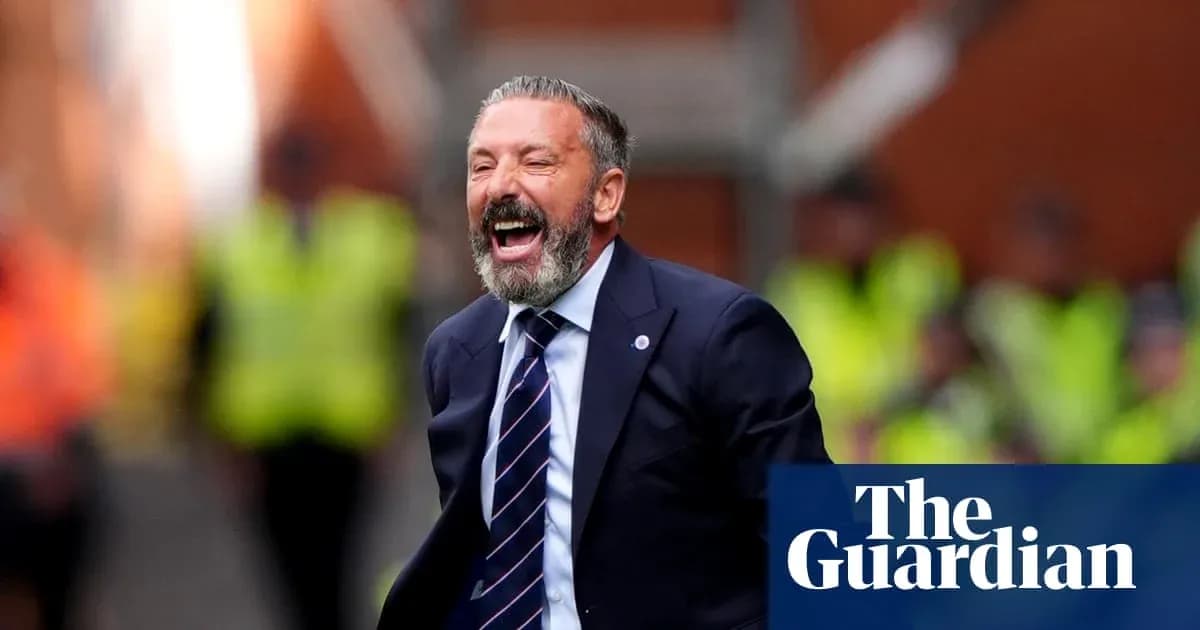
Scottish football returns this week, but the usual crackle of anticipation has been replaced by a weary exhale. After a World Cup campaign that managed to be both predictable and crushing, the domestic curtain rises on a game that feels angrier, more suspicious and more fragmented than it has in years.
Only the most deluded optimist could look at this summer and see a sport in rude health.
Silence at the top
The Scottish FA’s response to the World Cup debacle has been a void. No detailed review. No clear plan. No serious attempt to explain how a campaign that had been sold as a step forward instead exposed how old, slow and brittle Scotland had become.
Mike Mulraney, the association’s president, has not been heard from since he popped up in the background of that surreal photo-op at Trump Tower, standing behind Gianni Infantino and the US president. Ian Maxwell, the chief executive, surfaced only briefly, to complain about “hysterical commentary” around Scotland’s performance in the United States after Steve Clarke walked away.
These are the same executives who had chuckled off concerns about handing Clarke a fresh four-year contract on the eve of the tournament. The risk, they implied, was overstated. It was not.
Perhaps Mulraney and Maxwell are now buried in the search for Clarke’s successor. They should at least be granted the space to identify a coach capable of guiding a creaking, ageing squad through a painful but necessary transition. Yet their silence on the wider health of the game is deafening.
The clubs, too, have largely looked the other way. The World Cup simply exposed a bigger picture they have preferred not to confront. The fury over Scotland’s limp showing on the biggest stage has bled straight into the new Premiership season. The mood is raw. This has all the makings of a poisonous campaign.
Celtic, Rangers and a city on edge
Nowhere is that tension more obvious than in Glasgow.
Celtic supporters remain at odds with their own board, a relationship that has drifted from mistrust towards outright hostility. The charge sheet is familiar: complacency, a lack of ambition, a sense that the custodians of the club are detached from the demands and anxieties of the stands.
Across the city, Rangers have turned to Derek McInnes, a manager steeped in the club’s culture but one who remains deeply unpopular among Celtic fans. His arrival only hardens the tribal lines.
Resentment is not confined to Glasgow. Hearts followers are still processing how the 2025-26 campaign slipped from their grasp in its dying moments, denying them a first league title in 66 years. The bitterness sharpened on 11 June, when the Scottish Professional Football League finally published the outcome of the disciplinary process into the pitch invasion that forced the premature ending of Celtic’s title-clinching match against the Edinburgh club.
The verdict landed like a slap.
Hamilton Academical, Inverness and Stenhousemuir collected their own minor sanctions, but it was the punishment for Celtic that jarred most: a modest fine and a suspended, token reduction in ticket allocation. For Hearts fans, it felt trivial. For Rangers supporters, usually quick to howl at perceived injustice, it was another data point in a long-running grievance file.
They had been relatively muted until McInnes picked up a touchline ban for remarks about a refereeing decision. Rangers have already taken issue with parts of an independent report into the disorder that followed their Scottish Cup defeat to Celtic in March. The sense of persecution, always close to the surface at Ibrox, is being fed rather than soothed.
Motherwell, too, are in open conflict with the authorities, consulting lawyers over a Scottish FA fine for a social media video. Hibs fans, meanwhile, have been sent into online meltdown by a 2-0 defeat in Kosovo in a European qualifier – a result that once would have been a national embarrassment but now barely raises an eyebrow. This is what Scottish clubs do in Europe. Fail early, fail cheaply.
Glimmers of ambition
For all the rancour, not every story is bleak.
Celtic’s club-record signing of Kasper Høgh has at least jolted their support. It was a rare show of financial muscle that aligned with fan demands: pay the going rate for a serious talent. The 25-year-old arrives with doubts attached, as almost all Bodø/Glimt exports do. Can he thrive outside that carefully constructed environment? If there were no questions and the fee was still at this level, he would already be in England.
Yet Høgh’s physical presence and direct, aggressive style look perfectly tailored to the Scottish game. He is, at the very least, an intriguing bet.
Celtic’s bigger test lies elsewhere. Arne Engels and Alistair Johnston are exactly the kind of players who attract “irresistible” offers from richer leagues. Replacing that calibre of starter while resisting the urge to turn every window into an exercise in balance-sheet bragging is the tightrope. The Høgh deal is a start. It cannot be the end.
Rangers have taken a different path. They have spent heavily over recent seasons, often chaotically, and watched others parade trophies. The cost has not just been financial. The Ibrox stands have turned on both players and hierarchy, while the new American ownership has, curiously, chosen not to confront or reshape that anger.
McInnes, though, feels like a corrective. Rangers, who open the season away to Dundee United on Friday night, now have a manager whose grasp of the club’s identity and expectations runs deeper than most of his recent predecessors. His first significant move – to strengthen the core of the team – was entirely predictable and entirely necessary.
Vanja Dragojevic, signed from Partizan Belgrade, looks a shrewd addition in midfield. Rangers still lack the kind of attacking flair that can turn tight games, but McInnes has never been short of drive or stamina for the job he has coveted for years. This version of Rangers should be harder, more coherent, more durable.
Yet the cold reality remains: Celtic know how to win this league. Until someone proves otherwise over 38 games, they are the favourites.
Hearts, hope and hard lessons
Hearts enter the season in a state of emotional and tactical flux. The trauma of seeing a first title since the 1960s slip away in the final minutes of last term has not fully faded. Nor should anyone expect it to.
McInnes’s departure to Rangers ripped out a central pillar of that title tilt. In his place, Wouter Vrancken has arrived with a radically different approach and a mandate to build on heightened expectations. Hearts’ surge towards the summit came ahead of schedule. The club now occupies the thoughts of people who, not long ago, barely glanced at Scottish football.
The Champions League qualifying defeat to Sturm Graz was a cold splash of reality. The gulf in quality and cohesion was obvious. Vrancken has a sizeable rebuild on his hands. Panic would be foolish; patience, for once in this fevered landscape, would be wise.
The others refuse to cling on
Beyond the traditional heavyweights, there are signs of life and imagination.
Motherwell’s recent work under Jens Berthel Askou and beyond has shown that clubs outside the Premiership elite do not have to cling on for survival. They can set the tone. The football was bold and engaging, attendances rose, and a wider market took notice. The big-money sales of Elijah Just and Elliot Watt vindicate a model built on smart recruitment and the confidence to sell.
St Mirren talk openly about pushing more young players through and playing with greater adventure. Kilmarnock ended last season under Neil McCann with a style that suggested they want to do more than merely frustrate visitors at Rugby Park. Aberdeen, under Stephen Robinson, should be stronger and more coherent after a period of churn.
Even the grass underfoot offers a small victory: only one artificial surface remains in the top flight. For a league that has long fought its own image problem, that matters.
A nation obsessed, a game unwell
Football still dominates Scotland’s sporting psyche. It fills radios, pubs, group chats and back pages. It always will.
Yet the sport itself looks like a patient in need of serious treatment. Governance is distrusted. Disciplinary processes feel arbitrary. Clubs rage at each other and at Hampden. European nights end too early, too often. The national team has staggered away from a World Cup with more questions than answers and no visible roadmap.
The new season should feel like a fresh canvas. Instead, it arrives as a stress test.
If there is to be any sense of renewal, it will not come from another round of platitudes or another quiet summer at Hampden. It will need fresh thinking, hard decisions and a willingness to confront uncomfortable truths.
Is Scottish football ready for that, or is this just the start of another season spent arguing over the wreckage?
Related News
Carlos Alcaraz Calls for Change After Laver Cup Court Conditions
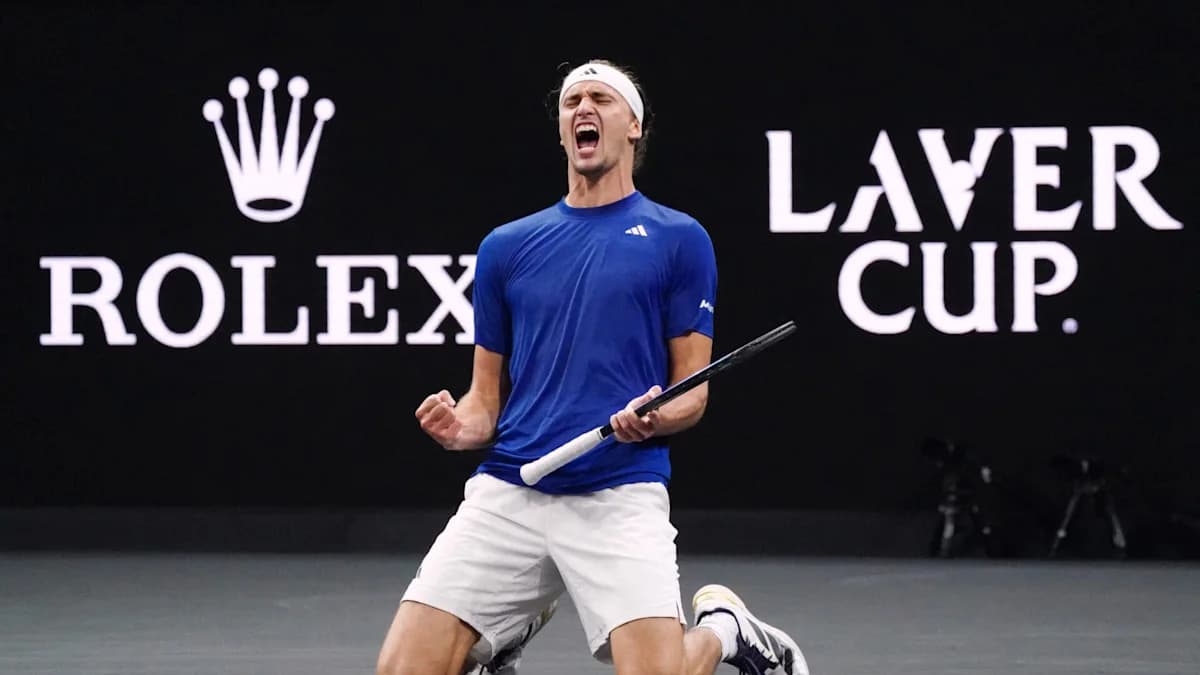
Alexander Zverev Secures Laver Cup Victory for Team Europe with Straight-Set Win Over Learner Tien
Novak Djokovic Shares Fitness Update Before China Open Return After US Open Upset
Shubman Gill's Captaincy Record Across All Formats: Tests, ODIs, T20Is, and IPL
Kuldeep Yadav Named Player of the Match Over Virat Kohli Despite Century in IND vs WI 1st ODI
India Advances to Asian Games 2026 Cricket Semi-Finals After Rain Washout Against Afghanistan