
Tottenham's Ambitious Push in the Women's Super League
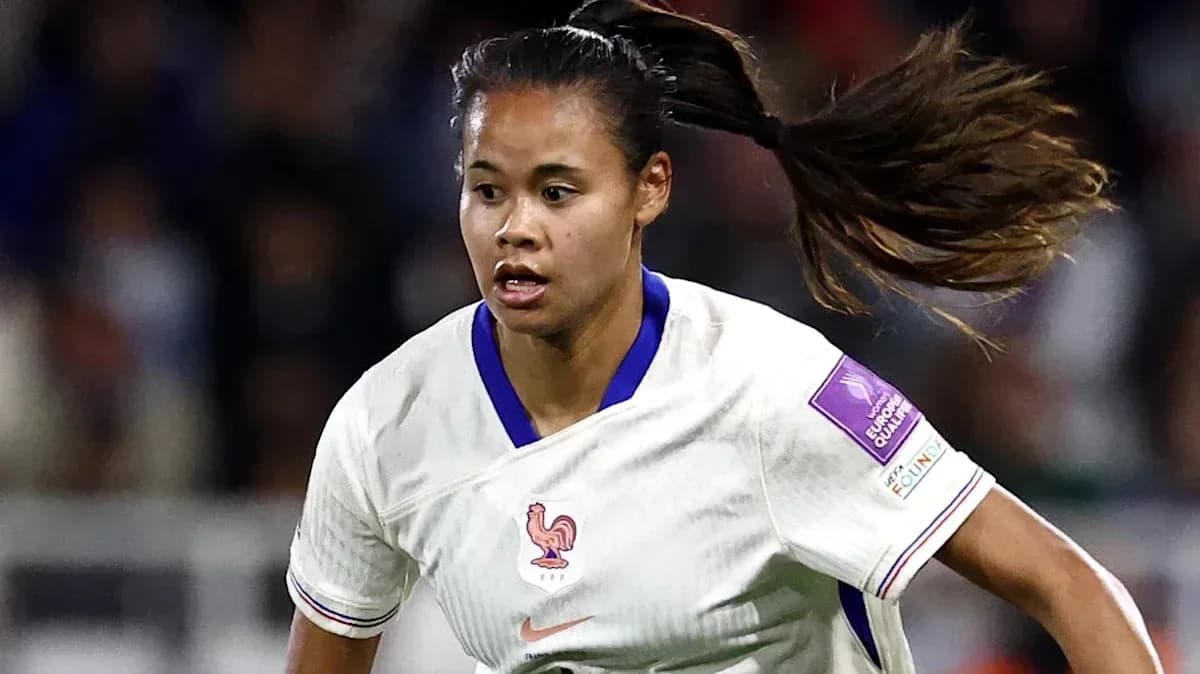
Tottenham are not creeping towards the Women's Super League elite. They are kicking the door.
A year after flirting with relegation, Spurs finished fifth in the WSL last season. That surge under Martin Ho has been backed, hard, in the market. This is no tentative push; it is a statement that Tottenham intend to live among the heavyweights, not just visit them.
A new level of ambition
The headline move says plenty. Breaking their club transfer record to prise France defender Alice Sombath from Lyon is the kind of deal that used to happen elsewhere, to other clubs. It follows the £375,000 they spent on Signe Gaupset in January – a fee that looked bold at the time and now reads like the start of a new era.
This summer has been about layers, not just a marquee name. Forwards Shekiera Martinez and Kirsty Hanson bring proven end product and edge in the final third. Caitlin Dijkstra strengthens the back line, Victoria Pelova adds craft and control in midfield, and goalkeeper Selma Panengstuen deepens competition in a position title-chasing teams cannot afford to get wrong.
On paper, it is a squad built to irritate the established order. On grass, it will be judged quickly.
Seven seasons, big strides
This is only Tottenham’s seventh year in the top flight, but the club has grown at a pace that would make longer-established rivals uneasy. Staff numbers have swelled. Training facilities have improved. The women’s team now operates from its own base at Hotspur Way, a clear sign of status within the club’s structure.
Not every off-field plan has gone their way. A proposed new women and girls academy facility was blocked in court this week, a reminder that infrastructure growth is rarely straightforward. Yet the trajectory is obvious.
Spurs have already shown they can generate big-stage moments. Just months after promotion in 2019, almost 40,000 turned up at Tottenham Hotspur Stadium for a north London derby against Arsenal. A year later, they brought in USA star Alex Morgan on a short-term deal after the birth of her child. In 2024, they reached the Women's FA Cup final. These are not the landmarks of a side content simply to stay up.
There have been missteps. A disappointing 2024-25 campaign under Robert Vilahamn cost him his job. Ho arrived, reset the tone and lifted them straight back up the table in his first season. The reaction was swift. The club’s response this summer has been even quicker.
Recruitment with a clock and a plan
Ho did not walk through the door and start ticking off names. He spent his first summer studying what he had, then pushed for a broader evolution. Since his appointment in July 2025, Tottenham have worked to a clear 12‑month recruitment plan, mapping out targets across three windows rather than scrambling from one to the next.
Talks for striker Cathinka Tandberg and defender Toko Koga were already advanced before Ho’s contract was even signed. Both arrived in 2025 and have since become pillars of his team, proof that the club’s scouting and coaching visions are finally aligned.
Those inside Tottenham say the past two windows have gone almost exactly to script. The club landed all their key targets in January and, despite the current window running until 3 September, believe they have already done the same this summer. That was deliberate. Deals were driven to completion early so Ho could shape the entire group through a full pre-season, rather than patching things together in October.
Behind the scenes, this has also been a summer of transition. Managing director Andy Rogers, a 24‑year servant of the club, has been central to the women’s transfer business. He has pushed to leave Spurs in a strong position before stepping down, overseeing a handover that ties this new squad to a broader shift in strategy.
Chasing Europe in a crowded lane
The question now is simple: where does all this take them?
Tottenham are no longer fighting for survival. They are a firmly established WSL club with the resources to look upwards, towards European football. Ho has been clear in his messaging. He wants Spurs competing with the league’s best and building a group capable of playing in Europe, not just dreaming about it.
The pathway is brutal. Only the top three in the WSL reach the Women's Champions League. Those places have been the private playground of Arsenal, Chelsea, Manchester City and Manchester United. Cracking that cartel is not a tweak; it is a leap.
And Spurs are not the only ones jumping. London City Lionesses and Brighton have been spending aggressively, each with their own designs on the top three. Their ambition has forced Tottenham to accelerate, to match that energy or risk being left behind in a market where transfer records are being broken with increasing regularity.
All of this is happening while the women’s game wrestles with its financial future. Discussions around regulations and salary caps are only just beginning. For now, clubs willing to invest heavily face little pushback. That freedom may not last. Tottenham are clearly trying to move fast while the window is still open.
A club changing on every front
The women’s spending does not sit in isolation. The men’s team, stung by a dire campaign that almost ended in Premier League relegation, have embarked on an ambitious window of their own. Both sides are part of a broader reset after the departure of long-serving chairman Daniel Levy in September 2025 and a reshaped boardroom.
Vinai Venkatesham’s arrival as chief executive from Arsenal in April 2025 has only sharpened the focus. He played a significant role in Arsenal’s women’s success and has made no secret of his intention to reproduce that structure and competitiveness in north London’s other half.
Tottenham’s model is clear: secure some of the best young talent in Europe – Gaupset and Sombath among them – and blend it with proven WSL firepower in Hanson and Martinez. Give Ho a squad he can mould over multiple seasons, not just one frantic campaign. Build something that lasts.
One major challenge, though, sits away from tactics and transfer fees.
The missing piece: a crowd to match the ambition
For all the investment, Spurs are still chasing the kind of fanbase their rivals enjoy. Their average WSL attendance last season was just 1,734, a number boosted by the occasional bigger crowd at Tottenham Hotspur Stadium. The gap between that figure and the club’s ambitions is stark.
You can sign Sombath from Lyon. You can out-plan rivals in the market. You can talk about Europe and top-three finishes. But to truly belong at that level, Tottenham need more than a clever recruitment department and a progressive head coach. They need a regular roar behind them.
The squad is being built. The strategy is in place. The money is on the table. Now the question hangs over Hotspur Way and the stadium down the road: will the performances this season be enough to turn a cautious audience into a committed, weekly crowd?
Related News
Carlos Alcaraz Calls for Change After Laver Cup Court Conditions
Alexander Zverev Secures Laver Cup Victory for Team Europe with Straight-Set Win Over Learner Tien
Novak Djokovic Shares Fitness Update Before China Open Return After US Open Upset

Shubman Gill's Captaincy Record Across All Formats: Tests, ODIs, T20Is, and IPL
Kuldeep Yadav Named Player of the Match Over Virat Kohli Despite Century in IND vs WI 1st ODI
India Advances to Asian Games 2026 Cricket Semi-Finals After Rain Washout Against Afghanistan