
West Ham vs Arsenal: Tactical Analysis of a Premier League Clash

The London Stadium under late‑season cloud cover staged a meeting of opposites: West Ham, 18th in the Premier League and fighting against the drop, against league leaders Arsenal, 1st and chasing the title. Across 36 matches heading into this game, West Ham’s overall goal difference stood at -20, with 42 goals for and 62 against, while Arsenal’s was a commanding +42, built from 68 goals scored and only 26 conceded. The final score – West Ham 0, Arsenal 1 – felt entirely in character with those seasonal profiles: the visitors’ control and defensive parsimony edging out a home side whose margins for error have been thin all year.
Team Formations
Nuno Espirito Santo’s choice of a 3‑4‑2‑1 for West Ham was a clear attempt to thicken the central lane against Arsenal’s 4‑2‑3‑1. M. Hermansen was shielded by a back three of A. Disasi, K. Mavropanos and J. Todibo, the latter arriving with a reputation as a rugged last‑line defender who had already collected 1 red card and 5 yellows this league campaign. The wing‑backs, A. Wan‑Bissaka and M. Diouf, were tasked with the impossible dual mandate: lock down the flanks against B. Saka and L. Trossard, while still providing the width to release J. Bowen and C. Summerville in transition behind lone striker T. Castellanos.
Mikel Arteta, deprived of M. Merino (foot injury) and J. Timber (ankle injury), stayed loyal to the structural certainty of 4‑2‑3‑1. D. Raya anchored a back four of B. White, W. Saliba, Gabriel and R. Calafiori, with D. Rice and M. Lewis‑Skelly forming the double pivot. Ahead of them, Saka, E. Eze and Trossard operated behind V. Gyökeres, Arsenal’s leading scorer with 14 league goals heading into this fixture.
Tactical Analysis
The tactical voids on both sides were subtle but significant. West Ham’s absences – notably L. Fabianski (back injury) and A. Traore (muscle injury) – removed an experienced voice from the back and a direct, ball‑carrying outlet from the bench. For a team that had only managed 6 clean sheets in total and had failed to score in 13 league matches, those missing stabilisers mattered. Arsenal, even without Merino’s control and Timber’s versatility, could still rotate quality from the bench: K. Havertz, N. Madueke, Gabriel Martinelli, M. Ødegaard and M. Zubimendi all waited in reserve, a reflection of the depth that underpins their 24 wins from 36 league games.
Discipline has been an undercurrent of West Ham’s season, and it shaped the tone of this contest. Their yellow‑card distribution shows a tendency to flare up around the 31‑45 minute window (24.24%) and again late, between 61‑75 minutes (19.70%) and 76‑90 minutes (15.15%). Red cards are split across the second half and added time, with 33.33% of their reds arriving in each of the 46‑60, 76‑90 and 91‑105 minute ranges. In a match where survival stakes meet title pressure, that profile threatened to turn any late push into a tightrope walk. Arsenal, by contrast, have been card‑cleaners: no red cards in the league and a more controlled yellow spread, with their highest share between 76‑90 minutes (26.53%), often a by‑product of game management rather than panic.
Key Matchups
The “Hunter vs Shield” duel centred on Gyökeres against a West Ham defence that had been conceding an overall average of 1.7 goals per game, 1.7 at home and 1.8 on their travels. With Arsenal averaging 1.9 goals scored overall – 2.2 at home and 1.6 away – this fixture pitted a ruthless, well‑drilled attacking unit against a back line that has repeatedly been stretched. Todibo, who has blocked 13 shots in league play, and partners Mavropanos and Disasi were always likely to be dragged into the channels by Gyökeres’ runs and Trossard’s drifting movement. The narrow 1‑0 outcome suggested they held their ground better than the broader season narrative, but the structural mismatch remained: Arsenal’s away attack, averaging 1.6 goals, versus a home defence shipping 1.7.
Higher up the pitch, the “Engine Room” contest was defined by Rice’s command against West Ham’s central pairing of T. Soucek and M. Fernandes. Rice’s season – 4 goals, 5 assists, 2055 completed passes at 87% accuracy and 64 key passes – underlines his dual role as both metronome and progressive force. Against a West Ham side that have often been forced to defend deep, his ability to step into the half‑spaces and feed Saka or Eze was always going to tilt territory Arsenal’s way. Soucek’s physicality and aerial threat offered a counter, but West Ham’s season‑long average of only 1.3 goals scored at home, compared to Arsenal conceding just 0.8 on their travels, framed his influence more as spoiler than creator.
On the flanks, Bowen carried West Ham’s most credible route to upsetting the odds. With 8 goals and 10 assists in 36 league appearances, plus 43 key passes and 113 dribble attempts, he embodies their direct, transition‑heavy threat. His duel with Calafiori and Gabriel was a classic “knife‑edge” matchup: if West Ham could spring him early, Arsenal’s high line might be exposed; if not, Bowen would be forced deeper, turning into an auxiliary wing‑back and blunting the hosts’ counter‑punch.
Conclusion
From a statistical prognosis standpoint, everything pointed towards an Arsenal win by a narrow but controlled margin, and the 0‑1 scoreline aligned with that expectation. Arsenal’s 18 clean sheets overall and only 3 matches failed to score, combined with West Ham’s overall scoring average of 1.2 and defensive frailty, made a high‑scoring upset unlikely. With both sides perfect from the spot this season – West Ham scoring all 3 penalties, Arsenal all 4 – there was no penalty‑box psychological edge to exploit.
Following this result, the story reads as it has for much of the campaign: Arsenal’s structure, depth and defensive solidity were enough to squeeze out three points, while West Ham again lived out the margins of a relegation fight where effort and organisation cannot always compensate for the hard numbers on the league table.
Related News

Premier League Managers Facing Potential Sackings During International Break
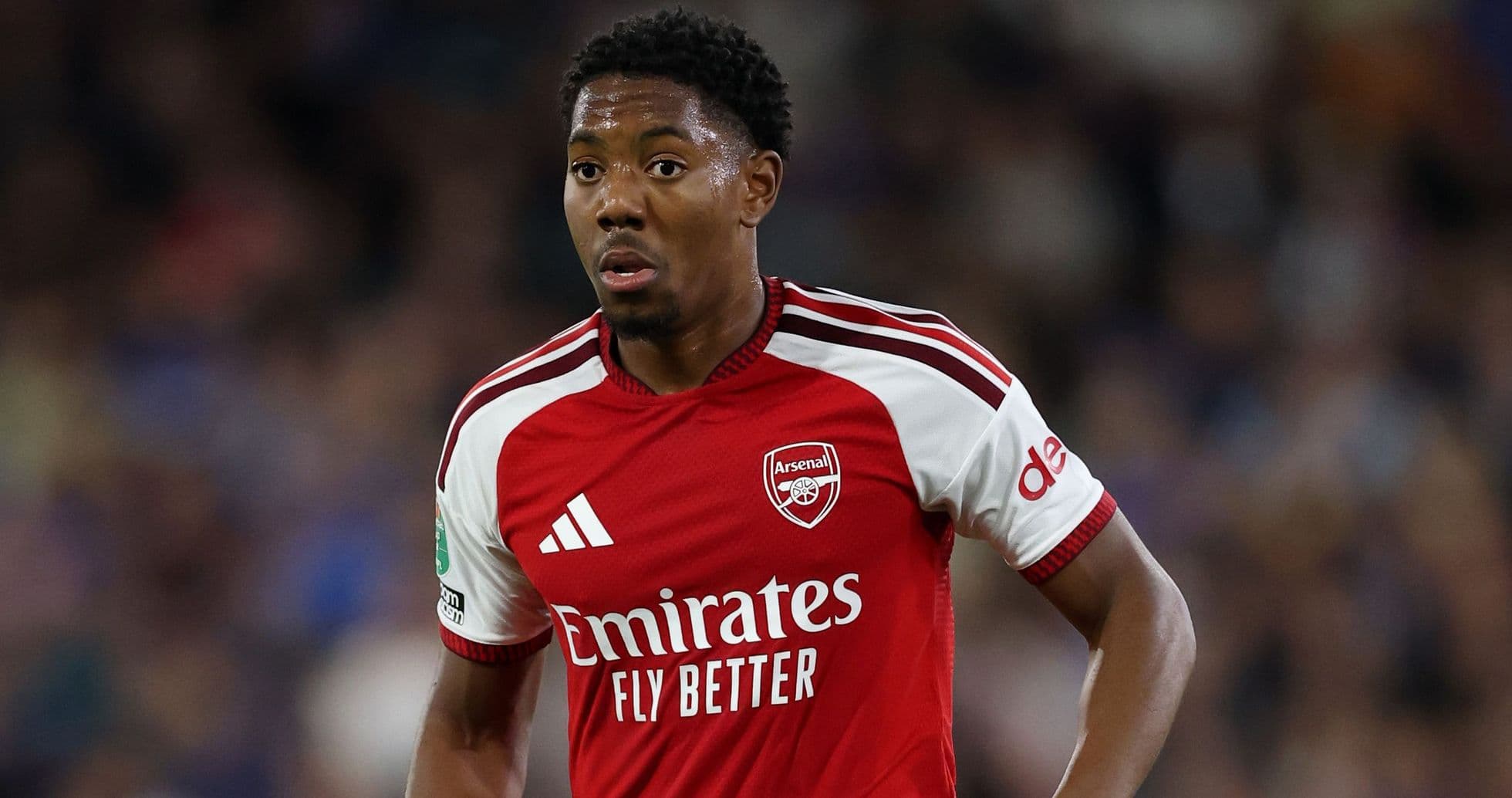
Arsenal's Myles Lewis-Skelly Names Unexpected Tottenham Rival as Toughest Premier League Opponent

Three Premier League Players Shining Early This Season
Premier League Early Season Reactions: Man City’s Strength, Arsenal’s Flaws, United’s Struggles

Premier League Returns October 10 After Extended September-October International Break

Fulham and Manchester United Share Points in 1-1 Draw