
Wolves vs Fulham: Premier League Clash at Molineux

Molineux Stadium stages a meeting of contrasting agendas on 17 May 2026 as bottom‑placed Wolves host mid‑table Fulham in Premier League round 37. For the hosts, 20th with 18 points and already marooned in the relegation places, this is about pride, damage limitation and giving home fans some kind of response after a brutal campaign. Fulham, 11th on 48 points, are chasing a top‑half finish and looking to end an inconsistent season with authority.
Context and stakes
In the league, Wolves’ numbers are stark. Three wins from 36, a goal difference of -41 and a form line of “LDLLL” underline why they sit 20th. They have taken just 18 points, scoring 25 and conceding 66 across all phases. At Molineux, they have at least been slightly more competitive: 3 wins, 4 draws and 11 defeats from 18, with 18 goals scored and 33 conceded. But even at home they are averaging only 1.0 goal for and 1.8 against per game.
Fulham arrive 11th with 48 points, goal difference -6 (44 scored, 50 conceded) and a form guide of “LLWDL”. Their away record is mixed: 4 wins, 4 draws and 10 defeats from 18, with 16 goals scored and 30 conceded. They average 0.9 goals for and 1.7 against away from Craven Cottage, but across all phases they have been far more effective than Wolves, with 14 wins and 44 goals.
With only two rounds left, Fulham can still climb towards the top half, while Wolves are trying to avoid finishing with the league’s worst attack and defence. That disparity in trajectory shapes the tactical picture.
Tactical outlook: Wolves
The season‑long data shows Wolves as a side searching for solutions and rarely finding them. They have used a wide range of systems: most often 3‑4‑2‑1 (11 times) and 3‑5‑2 (9), with 3‑4‑3 (5) also common, plus occasional switches to back fours such as 4‑3‑3 and 4‑2‑3‑1. The pattern is of a coach trying to stabilise a leaking defence while coaxing more from a blunt attack.
Across all phases, Wolves have scored just 25 goals in 36 matches, an average of 0.7 per game. They have failed to score 19 times, more than half their fixtures. Their “biggest wins” data highlights a ceiling: the best home result is only 3‑0, and away they have never scored more than 2. At the other end, they concede 1.8 goals per game home and away, with 66 against in total, and have only 4 clean sheets.
The defensive structure, usually based on a back three, has not been reliable. The biggest home defeat is 0-4 and away 4-0, suggesting that when Wolves are broken, they tend to collapse. Discipline is also a concern: they have accumulated a heavy yellow‑card load, especially between 46–75 minutes, and have three red cards spread across the middle phases of games. That raises the risk of being undermanned in key periods.
Team news makes the picture even more complicated. Both senior goalkeepers are listed as missing: J. Sa (ankle injury) and S. Johnstone (knock). That forces Wolves into a back‑up option in goal for one of their most important fixtures. Up front, young forward L. Chiwome is out with a knee injury, and E. Gonzalez is also sidelined with a knee problem, further limiting attacking rotation.
Given the numbers, Wolves are likely to lean into a compact, reactive shape, probably a back three with wing‑backs tucked in, looking to keep the game tight and play for set pieces. Their penalty record (2 scored from 2) at least shows composure from the spot, but they rarely reach the final third often enough to draw many fouls there.
Tactical outlook: Fulham
Fulham’s season profile is more coherent. They have almost exclusively used a 4‑2‑3‑1 (33 times), with only three outings in 3‑4‑2‑1. That stability has underpinned a balanced if inconsistent campaign: 44 goals for (1.2 per game) and 50 against (1.4 per game) across all phases, with 8 clean sheets and 11 matches where they failed to score.
The 4‑2‑3‑1 base allows them to get their key creator and scorer, Harry Wilson, into advanced positions. Wilson has 10 goals and 6 assists from midfield, in 34 appearances and 2663 minutes, with a strong rating (7.14). He averages 48 shots with 24 on target, 761 passes with 38 key passes and an 81% completion rate. Those numbers point to a player who both finishes moves and constructs them, drifting into pockets to deliver crosses, through balls and late runs.
Fulham’s biggest wins underline their attacking potential: a 3-0 home victory and a 1-3 away success show they can score in bursts. The biggest defeats (4-5 at home, 3-0 away) reveal that they can also be open and vulnerable if the game becomes stretched.
The visitors’ penalty record is clean this season: 4 scored from 4, with no misses. However, Wilson himself has not scored from the spot, so any penalty duties are spread elsewhere in the squad.
Team news will force adjustments. Centre‑back J. Andersen is suspended after a red card, removing a key organiser from the back line. In attack, A. Iwobi (injury), R. Jimenez (suspended) and R. Sessegnon (hamstring) are all missing. That strips Fulham of depth and some flexibility in the front line and wide areas, putting more creative and scoring responsibility on Wilson and the remaining attackers.
Still, the core 4‑2‑3‑1 structure should remain. Expect Fulham to dominate the ball, build patiently from the back and try to pull Wolves’ back three out of shape with rotations between the No.10, wide forwards and Wilson drifting inside from midfield.
Head‑to‑head: recent balance
The last five competitive meetings, all in the Premier League, show a slight Fulham edge:
- 1 November 2025: Fulham 3-0 Wolves at Craven Cottage – Fulham win.
- 25 February 2025: Wolves 1-2 Fulham at Molineux Stadium – Fulham win.
- 23 November 2024: Fulham 1-4 Wolves at Craven Cottage – Wolves win.
- 9 March 2024: Wolves 2-1 Fulham at Molineux Stadium – Wolves win.
- 27 November 2023: Fulham 3-2 Wolves at Craven Cottage – Fulham win.
Across these five, Fulham have 3 wins, Wolves 2, with no draws. Home advantage has not been decisive: each side has lost at home to the other in this run.
Key battles
- Wolves’ improvised defence vs Fulham’s creators: With first‑choice goalkeepers missing and a defence conceding 1.8 goals per game, Wolves must find a way to contain Wilson and the Fulham front line. Any lack of cohesion at the back will be targeted by Fulham’s movement between the lines.
- Set pieces and discipline: Wolves’ card profile suggests a risk of late challenges, especially after half‑time. Fulham, with a strong dead‑ball deliverer in Wilson, will see every free‑kick and corner as a major opportunity against a shaky back line.
- Fulham’s makeshift back four vs Wolves’ limited attack: Without J. Andersen and with several attacking absentees of their own, Fulham’s balance could be affected. But Wolves’ record of 19 games without scoring means even a slightly weakened Fulham defence may be enough if the visitors manage the game professionally.
The verdict
On form, league position and underlying numbers, Fulham should travel to Molineux as clear favourites. Wolves have the worst record in the division, the joint‑leakiest defence in this fixture and a severely underperforming attack, now further hampered by injuries and goalkeeping absences.
Fulham’s away record is not impressive, but a stable 4‑2‑3‑1 structure, a standout creator in Harry Wilson and a superior overall goal profile give them multiple routes to goal. If they avoid defensive lapses without Andersen and maintain focus, they have the tools to exploit Wolves’ fragility.
Expect Wolves to compete with intensity in front of their own fans and try to keep it tight, but the data points towards Fulham having enough quality and structure to emerge with at least a point – and more likely all three.
Related News

Premier League Managers Facing Potential Sackings During International Break
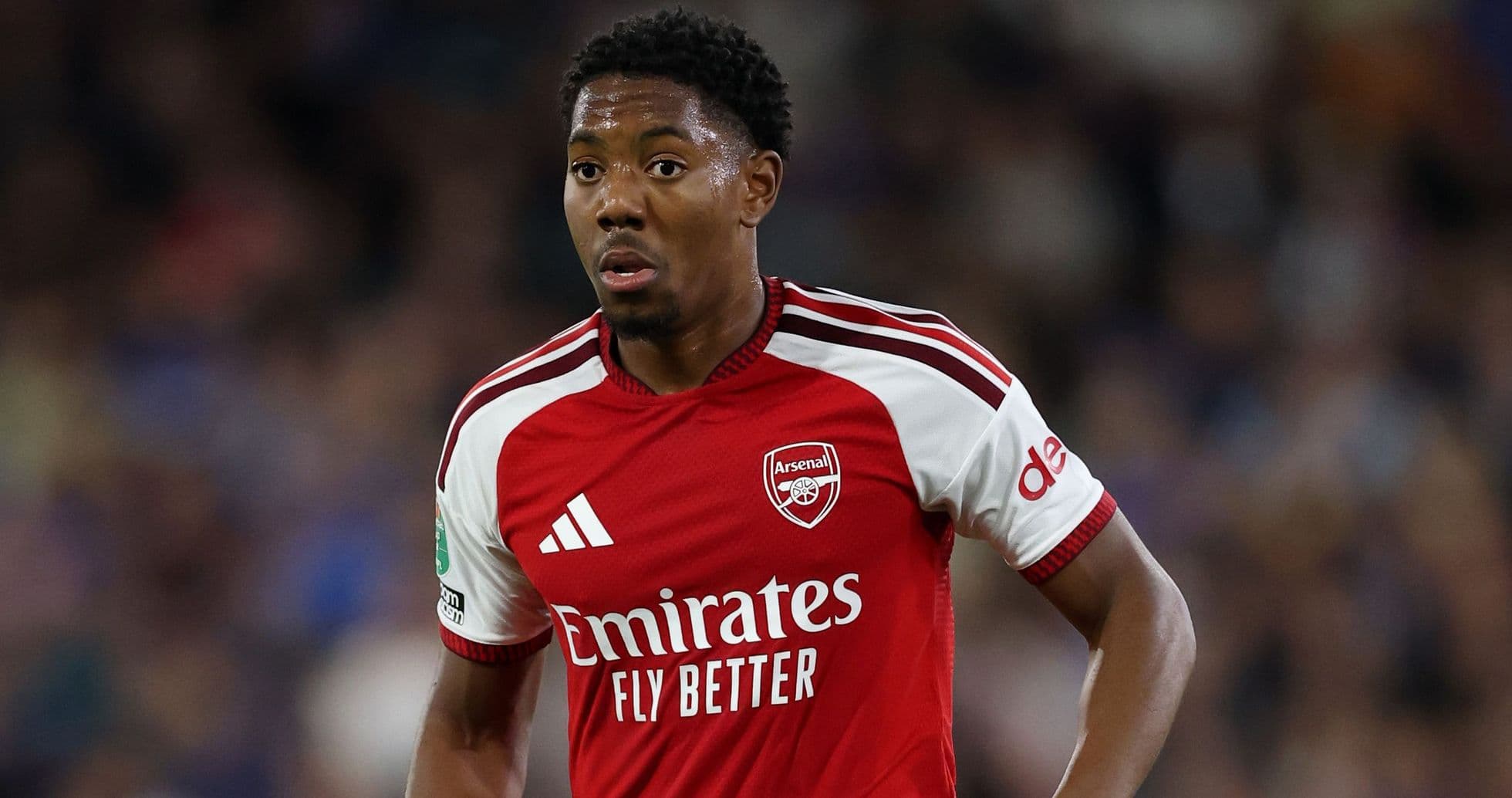
Arsenal's Myles Lewis-Skelly Names Unexpected Tottenham Rival as Toughest Premier League Opponent

Three Premier League Players Shining Early This Season

Premier League Early Season Reactions: Man City’s Strength, Arsenal’s Flaws, United’s Struggles

Premier League Returns October 10 After Extended September-October International Break

Fulham and Manchester United Share Points in 1-1 Draw