
Argentina vs Austria: Scaloni's Philosophy on Intensity
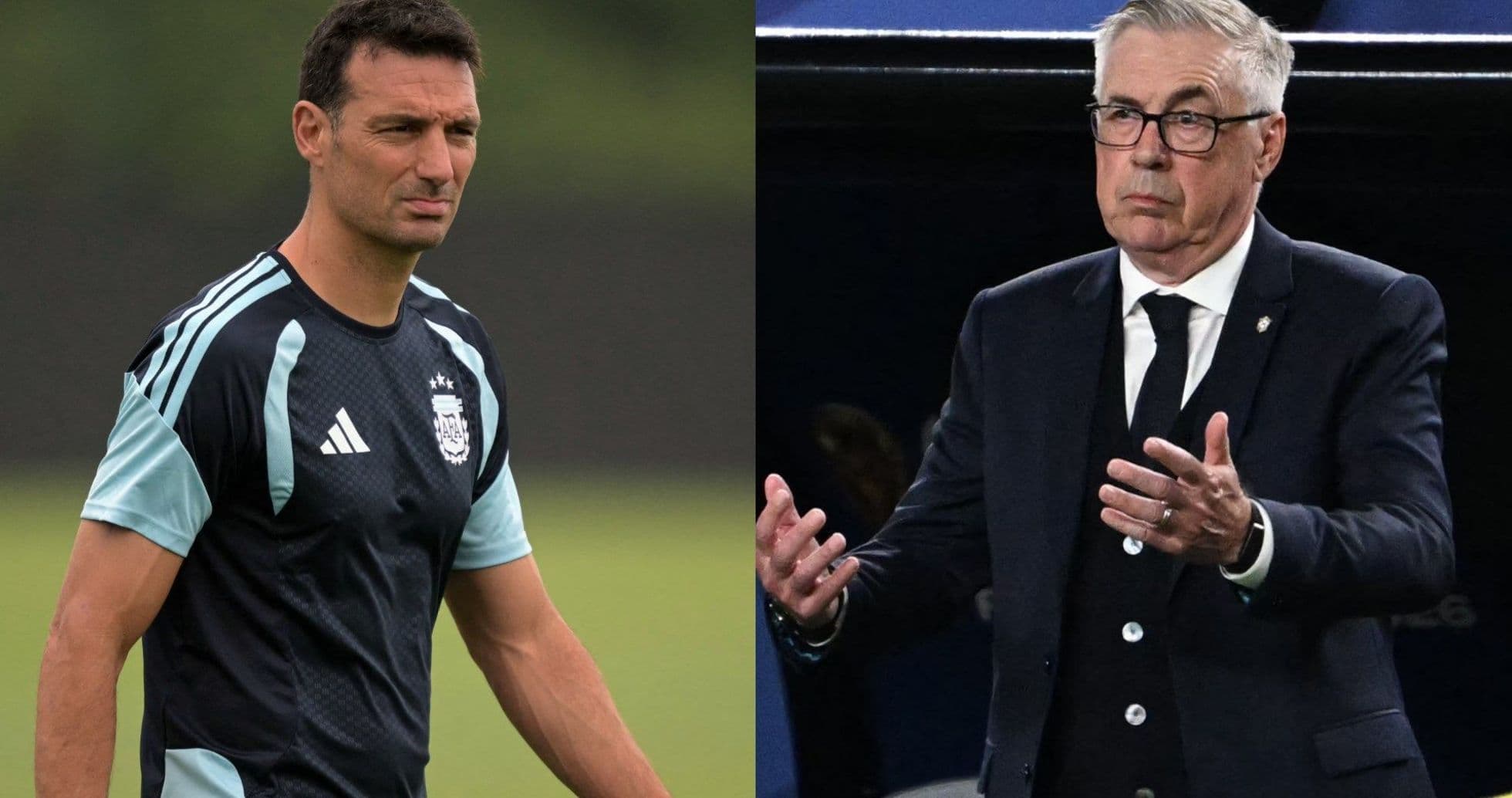
In the thick Texas heat, with Argentina turning their attention to a pivotal Group J clash in Dallas, Lionel Scaloni stepped in front of the microphones and quietly took the sting out of a brewing debate.
Carlo Ancelotti had lit the fuse days earlier. The Brazil coach, a serial winner in Europe, had suggested that Argentina do not live off relentless pressing or wild physical output. It was an observation, not an insult, but it quickly morphed into a talking point: are the world champions intense enough without the ball?
Scaloni smiled it away.
“I take it in a good way,” he said, making sure the tone matched the words. Ancelotti had mixed Spanish, Italian and Portuguese in his comments, and Scaloni was keen to stress there was no hidden jab in the message. “He spoke highly of us, he didn't speak badly. I understood it as a compliment and not a criticism. I'm very sure of that.”
No feud. No headline war. Just two coaches with very different views on how to control a game.
Scaloni’s idea of intensity
Where some see intensity as a blur of sprints and high pressing, Scaloni sees something more nuanced. He used the press conference to lay out his philosophy, and it went straight to the heart of modern football’s obsession with the press.
“You have to see what is understood by intensity,” he argued. For him, intensity is not simply about chasing defenders into their own box. It is about what happens when the ball is lost, how quickly a team closes space, how effectively it stops the opponent from doing damage.
“When you don't have the ball, you have to try to ensure they don't hurt you,” he said. In his eyes, very few sides now commit to full-pitch, man-to-man pressing. The real battle, he insisted, lies elsewhere. “Teams become strong in the middle of the pitch and that's where the game is being defined.”
That is where Argentina have built their empire: compact in the centre, clever in transition, ruthless when the chance appears. Whether the shape shows three forwards or a back line of three or five matters less to Scaloni than the reaction when possession is lost. That snap, that instant response, is his definition of intensity.
A champion side, quietly evolving
Scaloni also knows he cannot live forever off the glow of Qatar. Three and a half years have passed since that night, and the squad has shifted. The spine remains, but the edges are different.
He pointed to the emergence of younger names such as Nico Paz and Giuliano Simeone as proof that the world champions are not standing still. These are not cosmetic changes. They offer new profiles, new options for more direct attacking football when Argentina need to stretch a game or chase it late.
“The team is on the right track even though three and a half years have passed,” he said. The hunger, he insisted, has not dimmed. “They haven't shown signs of taking their foot off the gas and that’s why they are here.”
The calendar, though, has taken its toll. Players arrive from long club seasons, carrying minutes in their legs and knocks in their muscles. Scaloni did not hide from that reality, but he leaned on the depth of his group.
“It is very difficult for everyone to arrive at 100 per cent because of the number of games played,” he admitted, before delivering the line every supporter wants to hear: all 26 players are available and ready to play.
Austria next, and no room for error
All of this theory and talk about intensity now runs into a very simple test: Austria. Both sides sit on three points in Group J. The margins are thin, the stakes obvious. Win, and Argentina can lock down top spot with a game to spare. Slip, and the final matchday becomes a tightrope.
This is not an under-the-radar opponent. Austria have impressed early, bringing energy and organisation that can trouble even the most established nations. They will not shy away from duels in that same midfield zone Scaloni prizes so highly. The world champions will need their control, their experience, and perhaps a touch of that old street-fight mentality.
On the other side of the bracket, Brazil have already bought themselves a little calm. Ancelotti’s team brushed aside Haiti 3-0, a result that gives them breathing space and a clear path. A draw against Scotland in their final group game will be enough to see them into the round of 32.
So the narrative tightens. Ancelotti’s Brazil, pressing the accelerator. Scaloni’s Argentina, trusting in control and reaction over chaos and running. Dallas will offer the next clue: whose idea of intensity will carry further into this tournament?
Related News

Anthony Joshua Names Murat Gassiev as Next Opponent if He Defeats Tyson Fury

UFC 332: Start Time and Fight Highlights for Natalia Silva vs. Wang Cong

Court McGee Opens Up About Choosing UFC 332 as His Final MMA Fight
WBC Orders Lightweight Title Unification: William Zepeda vs Jadier Herrera

BCCI Pension List: Monthly Payments to Retired Indian Cricketers in 2025

Why Fury vs Joshua Is Set for Cardiff, and Dua Lipa’s Unexpected Role