
Ghana's World Cup Challenge: Key Strategies Against England
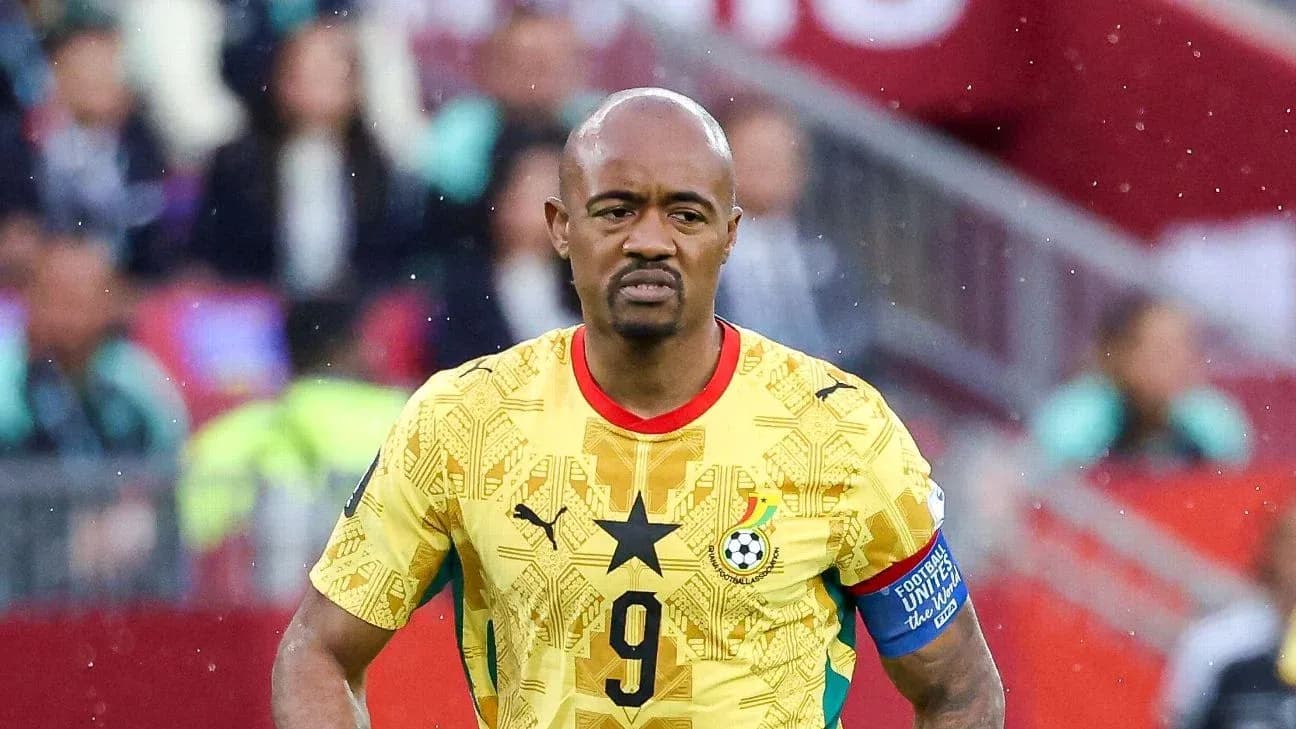
Ghana escaped. Just.
Ranked 73rd in the world and notionally underdogs to Panama only on paper, the Black Stars staggered through their World Cup opener, clinging to a 1-0 win that owed as much to Carlos Queiroz’s in-game surgery and his players’ sheer refusal to fold as it did to any coherent performance.
They will not get away with that against England.
Group favourites England arrive next, with Thomas Tuchel’s side fresh from a 4-2 dismantling of Croatia and armed with an elite midfield and a ruthless set-piece machine. Ghana’s margin for error shrinks to almost nothing. The flaws that Panama exposed – selection gambles, tactical misalignment, key men off colour – now become problems that must be fixed, not endured.
This is where Queiroz earns his reputation.
The Jordan Ayew Question
Jordan Ayew is the heartbeat and the headache.
He is the captain, the most experienced player in the squad, and now part of an exclusive club: only four Ghanaians have appeared at three World Cups, and Ayew joined that list when he led the team out against Panama, adding 2026 to his 2014 and 2022 campaigns. He carries more than 100 caps, deep familiarity with the shirt, and the weighty legacy of being Abedi Pele’s son.
But against Panama, that history didn’t help him. It hurt the team.
Ayew looked a step behind the game. His lack of pace was ruthlessly exposed, and when he did get on the ball, the decisions were often wrong. One moment summed it up: Antoine Semenyo slipped him a pass with space ahead. Semenyo burst into the channel, waiting for the return. Time, space, angle – all there. Ayew chose to dribble into traffic and surrendered possession.
Panama could not punish that. England will.
A static centre forward against a defence of this level is an invitation to be suffocated. Brandon Thomas-Asante, who supplied Caleb Yirenkyi’s winner, offers the opposite profile – sharp, mobile, aggressive. He lacks Ayew’s experience and has never faced a stage or a cast like England’s, but he can run at and behind defenders in a way the captain simply cannot.
Dropping Ayew entirely, though, strips the team of leadership in a game that will demand it. Keeping him as the spearhead blunts the attack. The compromise lies in the pocket.
When Ayew drifted deeper against Panama, Ghana suddenly looked more coherent. He linked play, found pockets between lines, and knitted midfield to attack. In that advanced midfield role, his lack of raw speed matters less; his intelligence matters more.
A shape with Ayew operating underneath Semenyo and one of Thomas-Asante or Abdul Fatawu would tilt the game towards England’s weak spots. It would allow Ghana to attack wide and in behind with pace, while Ayew orchestrates, receives under pressure, and threads passes into runners rather than being asked to win footraces he will lose.
Ayew’s problem isn’t that he’s finished. It’s that he’s been asked to play a role his legs can no longer support. Queiroz has to move him, not remove him.
Partey’s Return: From Surviving to Controlling
If there was one area where Panama seized control, it was midfield. Elisha Owusu, thrown into the cauldron, struggled badly. To his credit, the team’s first-half shape left him exposed, but the reality was stark: Ghana chased the ball, chased runners, chased shadows.
Thomas Partey changes that picture immediately.
If fit, he should walk straight back into the starting XI alongside the impressive Caleb Yirenkyi. England’s engine room – Jude Bellingham and Declan Rice – dominated Croatia, driving the game with authority and power. Against that level, Ghana cannot afford a reactive, scrambling midfield. They need a platform.
Partey and Yirenkyi offer precisely that. Both can sit, screen and step in front of passing lanes. Both are comfortable enough in possession to do more than just clear their lines. With them in tandem, Ghana can at least claim spells of the ball, not simply endure them.
Their job is twofold: block England’s midfielders from gliding through central areas and force Rice to think more about defending than about joining attacks. If Rice spends his night tracking runners and plugging gaps instead of dictating, Ghana have already shifted the balance of the contest.
That, in turn, frees Ayew – in that advanced role – to knit the lines and give Ghana a way out when England press.
Hitting England Where They Hurt
England’s 4-2 win over Croatia was impressive. It was not flawless.
They conceded twice and might have leaked more. The most glaring issue lay out wide. Reece James was criticised for losing his man on one Croatian goal, while on the opposite flank Nico O’Reilly, bright going forward, looked raw defensively – “a work in progress” at the back.
Those are the doors Ghana must batter down.
Semenyo’s direct running and physical strength can pin James and force him into uncomfortable one-on-one duels. Thomas-Asante’s pace and relentlessness can drag centre-backs into channels they do not want to defend. Abdul Fatawu, with his ability to isolate and beat full-backs, can stretch the back line horizontally, opening seams for late runners.
Croatia’s threat came when they attacked England before the defensive block could reset. Quick transitions, fast decisions, bodies flooding forward. Whenever they did that, England wobbled.
Ghana have the raw materials – speed, craft, physicality. The key is bravery. Win the ball, go forward with purpose, and commit to the idea that England’s full-backs can be turned and tested, not just admired.
No More Slow Starts
Against Panama, Ghana spent an hour living on the back foot.
The Central Americans kept the ball, carved the better chances, and forced Queiroz’s side into a reactive, nervy game. Only when the coach pushed Semenyo centrally and dialled up the pressing intensity with his substitutions did the Black Stars seize control.
That script cannot repeat against Tuchel’s England.
Croatia showed that England do not enjoy being hunted. When pressed aggressively in the first half, they coughed up mistakes in midfield and defence. Croatia scored twice and exposed structural cracks before the interval.
But England also scored twice in that same first half. They punish hesitation. If Ghana retreat into the kind of passive shape they used against Panama, Harry Kane and his supporting cast will not wait politely. They will strike early and often, and by the time Queiroz reaches for his tactical notebook, the game may already be gone.
Ghana must start at the tempo they found only after the break in their opener – and then hold it. This has to become a war of attrition, a contest played at a pace that tests England’s composure and conditioning, not just their technique.
The Black Stars cannot afford to ease their way into this. They have to arrive.
The Set-Piece Trap
England under Tuchel have embraced the dead ball as a weapon. On the World Cup’s opening matchday, they produced the highest non-penalty expected goals and most shots on target from set pieces of any side. Kane’s second against Croatia came from a Rice corner and a free header.
Ghana cannot allow that kind of generosity.
There is already uncertainty in goal. Lawrence Ati-Zigi’s fitness remains in question after a first-half collision against Panama forced him off at the break, leaving Benjamin Asare as the alternative. Whoever starts will stand behind a defence that simply cannot afford lapses in concentration when the ball is stopped and the box is crowded.
Markers must stay locked. Runners must be tracked. Fouls in dangerous central areas must be cut out at source. This is where Partey’s positional sense becomes priceless, plugging the same central holes that Panama so easily exploited.
And then there is the penalty threat. Giving one away against Kane is almost a self-inflicted wound. His run-up is a study in deception, built on hours of research into goalkeepers’ habits. Asare and Ati-Zigi must do their own homework. Kane has watched them. They need to watch him back.
Queiroz captured the mood after the Panama win. “We have to suffer; there is no other way,” he said, underlining that any result at this World Cup “is very expensive” and his players are ready to pay the price.
England will test that claim. The question now is whether Ghana can turn that suffering into something more than resistance – into a performance bold enough, and disciplined enough, to tilt a heavyweight contest on the game’s finest margins.
Related News
Anthony Joshua Names Murat Gassiev as Next Opponent if He Defeats Tyson Fury
UFC 332: Start Time and Fight Highlights for Natalia Silva vs. Wang Cong
Court McGee Opens Up About Choosing UFC 332 as His Final MMA Fight
WBC Orders Lightweight Title Unification: William Zepeda vs Jadier Herrera
BCCI Pension List: Monthly Payments to Retired Indian Cricketers in 2025
Why Fury vs Joshua Is Set for Cardiff, and Dua Lipa’s Unexpected Role